Newfoundland vs Vizsla
Side-by-side comparison across all 14 AKC trait ratings, with a clear verdict on which breed fits which kind of household.

Not sure which breed fits your life?
Answer five questions about your home, your schedule, and your tolerance for shedding. We’ll match you to your top three breeds from over 200.
Newfoundland vs Vizsla
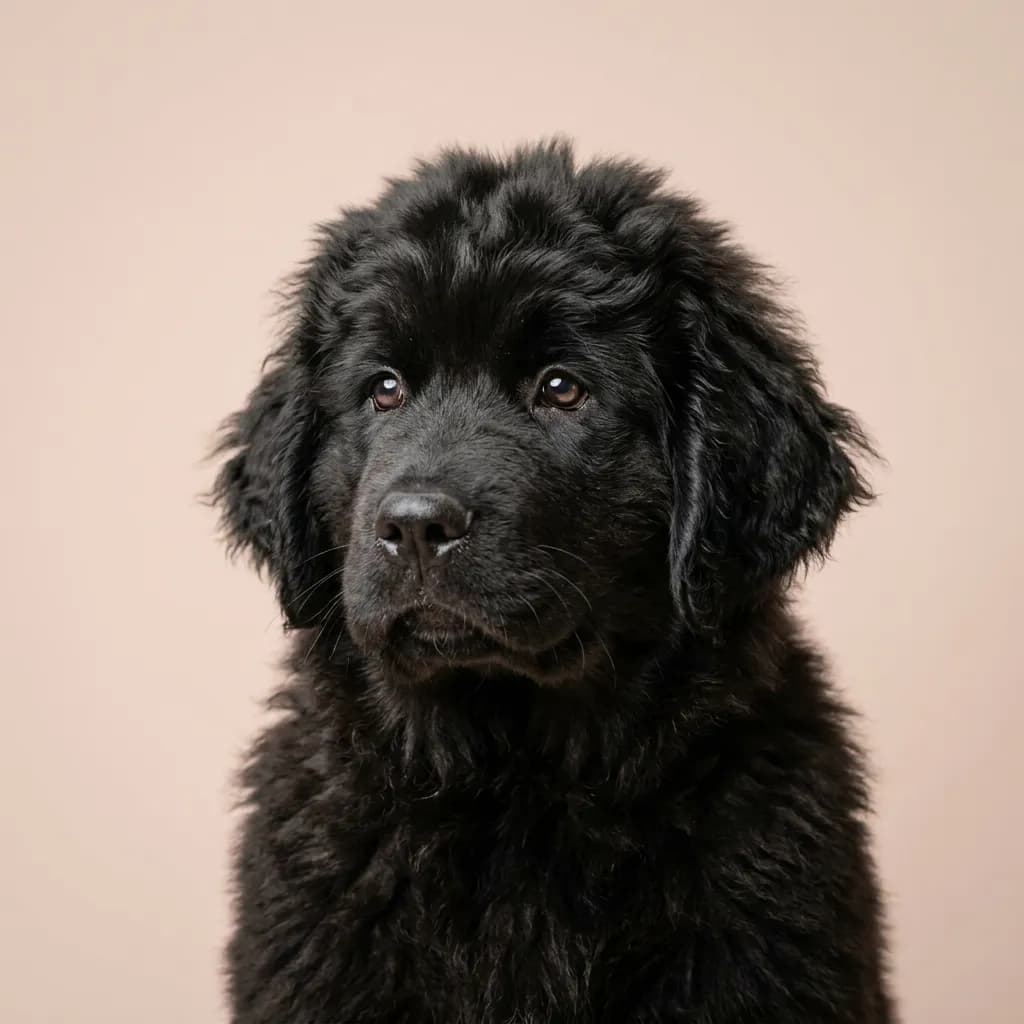
You don’t see a Newfoundland and a Vizsla side by side at the dog park every day, but people compare them because both are deeply loyal, family-oriented dogs with a soft spot for kids. That’s where the similarities end. these breeds live in totally different worlds. The Newfoundland is the gentle giant who floats through life like a calm ship in rough seas. He’s the one pulling kids on sleds, swimming out to “rescue” you in the lake, and then collapsing in a 140-pound heap on your feet. He’s patient, quiet, and built for cold water and rugged work. But he drools on your laptop, sheds like a snowstorm in spring, and needs space. inside and out. If you live in a hot climate or a small apartment, you’ll be fighting his biology. The Vizsla is fire wrapped in rust-colored velvet. This dog lives to be with you. literally. He’ll run 10 miles with you at dawn, then follow you to the bathroom. Bred for speed and stamina, he’s lean, intense, and mentally wired for action. He’s not just active, he’s needy in the best way. emotionally tuned in, always watching your face for cues. Leave him alone all day and you’ll come home to a stressed dog and possibly a chewed doorframe. Here’s the thing no one talks about: the Newfoundland forgives your bad days. The Vizsla feels them. If you’re going through a rough patch, the Newfoundland will just lean harder. The Vizsla will shut down or act out. He needs emotional stability as much as exercise. Pick the Newfoundland if you want a calm, loving presence and can handle size and maintenance. Choose the Vizsla if you’re active, home often, and want a dog who’s more like a shadow than a pet. One is a soft blanket on a cold night. The other is a heartbeat pressed against your side. Know which you need.
Trait-by-trait
Higher bar = more of that trait. Shedding, barking, drooling, grooming flipped for readability.Where they diverge
Choose the Newfoundland if…
- Families with children
- Water and outdoor enthusiasts
- Those wanting a gentle giant
- You value drooling level — Newfoundland scores noticeably higher.
Choose the Vizsla if…
- Active families
- Runners and cyclists
- Hunters
- You value playfulness — Vizsla scores higher here.