Norfolk Terrier vs Pudelpointer
Side-by-side comparison across all 14 AKC trait ratings, with a clear verdict on which breed fits which kind of household.
Not sure which breed fits your life?
Answer five questions about your home, your schedule, and your tolerance for shedding. We’ll match you to your top three breeds from over 200.
Norfolk Terrier vs Pudelpointer
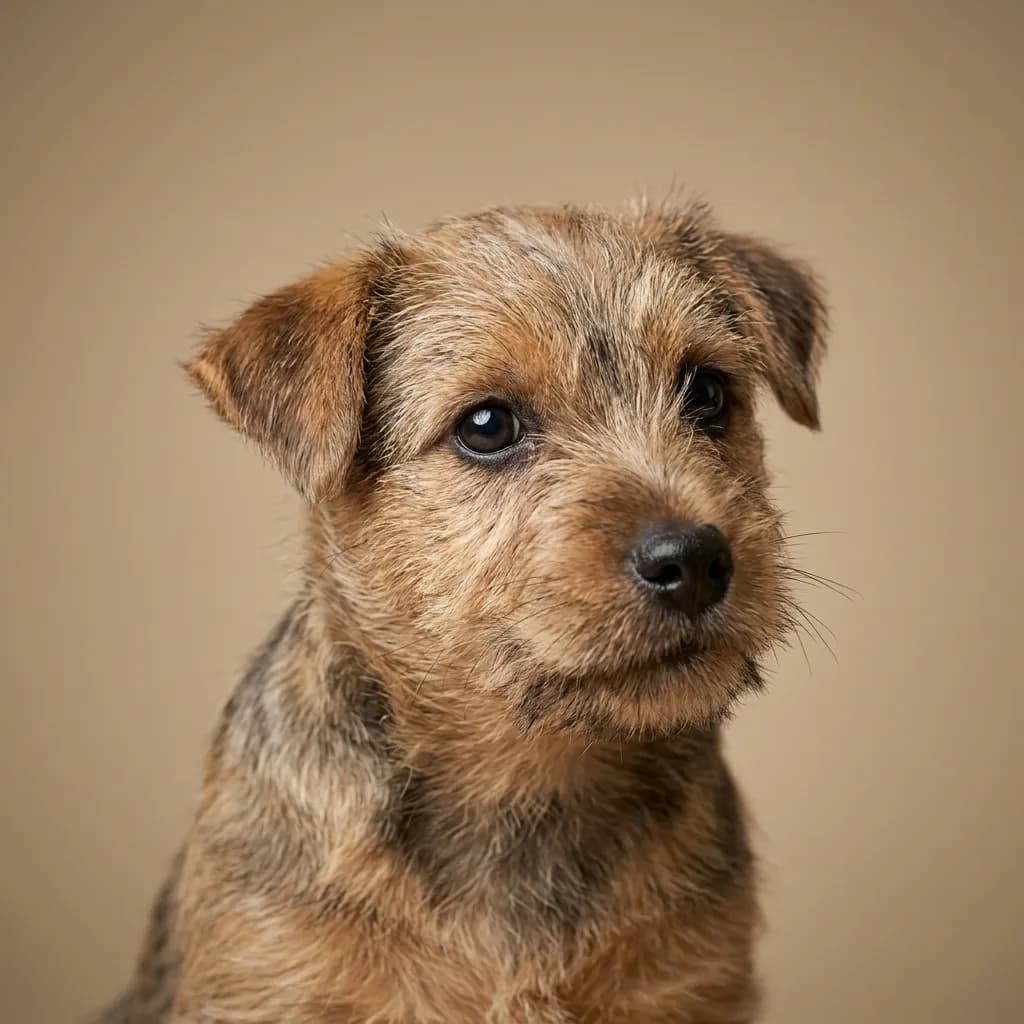
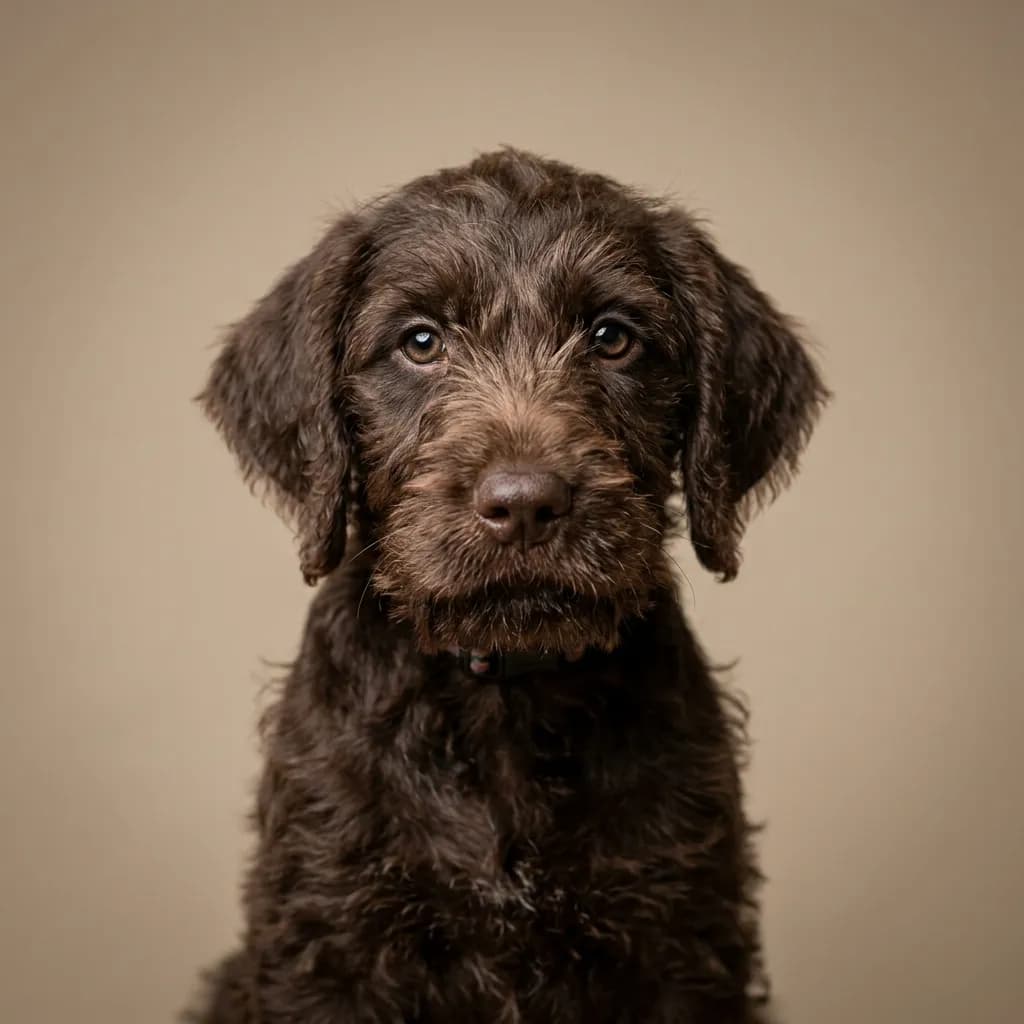
You don’t see a Norfolk Terrier and a Pudelpointer side by side at dog parks often, but people compare them when they’re hunting for a dog that’s smart, game for adventure, and doesn’t shed too much. That’s where the similarity ends. Think of it like choosing between a pocket-sized comedian with a big personality and a rugged, all-terrain SUV of a dog built for serious outdoor work. The Norfolk Terrier is that fearless little firecracker who’ll bark at squirrels, snuggle with your teens, and thrive in a city apartment. just don’t expect him to leave rodents (or your pet hamster) in peace. He’s scrappy, affectionate, and stubborn in that classic terrier way. Training? Possible, but you’ll need patience. He’s happiest with a job, a sport, or a daily hike. The Pudelpointer, meanwhile, is a 60-pound hunting machine bred to swim icy lakes, track wounded birds, and work all day. He’s calm indoors but needs serious physical and mental output. think miles of trail running or fieldwork. He’s eager to please, highly trainable, and bonds tightly with active owners, especially those who hunt. But stick him in a condo without an outlet and you’ll have a destructive tornado on your hands. Families with older kids who want a compact, personable dog? Norfolk. Hunters or serious outdoor enthusiasts with space and stamina? Pudelpointer. Here’s the real talk: the Norfolk looks like a cuddly rug, but he’s got the heart of a warrior. And the Pudelpointer? He’s not just a hunting dog. he’ll be your shadow, but only if you’re ready to keep up with him. Choose based on your lifestyle, not your living room.
Trait-by-trait
Higher bar = more of that trait. Shedding, barking, drooling, grooming flipped for readability.Where they diverge
Choose the Norfolk Terrier if…
- Active families
- Apartment or small home living
- Families with older children
- You value good with young children — Norfolk Terrier scores noticeably higher.
Choose the Pudelpointer if…
- hunters
- very active owners
- waterfowl and upland bird hunters
- You value drooling level — Pudelpointer scores higher here.