Norwegian Elkhound vs Pekingese
Side-by-side comparison across all 14 AKC trait ratings, with a clear verdict on which breed fits which kind of household.
Not sure which breed fits your life?
Answer five questions about your home, your schedule, and your tolerance for shedding. We’ll match you to your top three breeds from over 200.
Norwegian Elkhound vs Pekingese
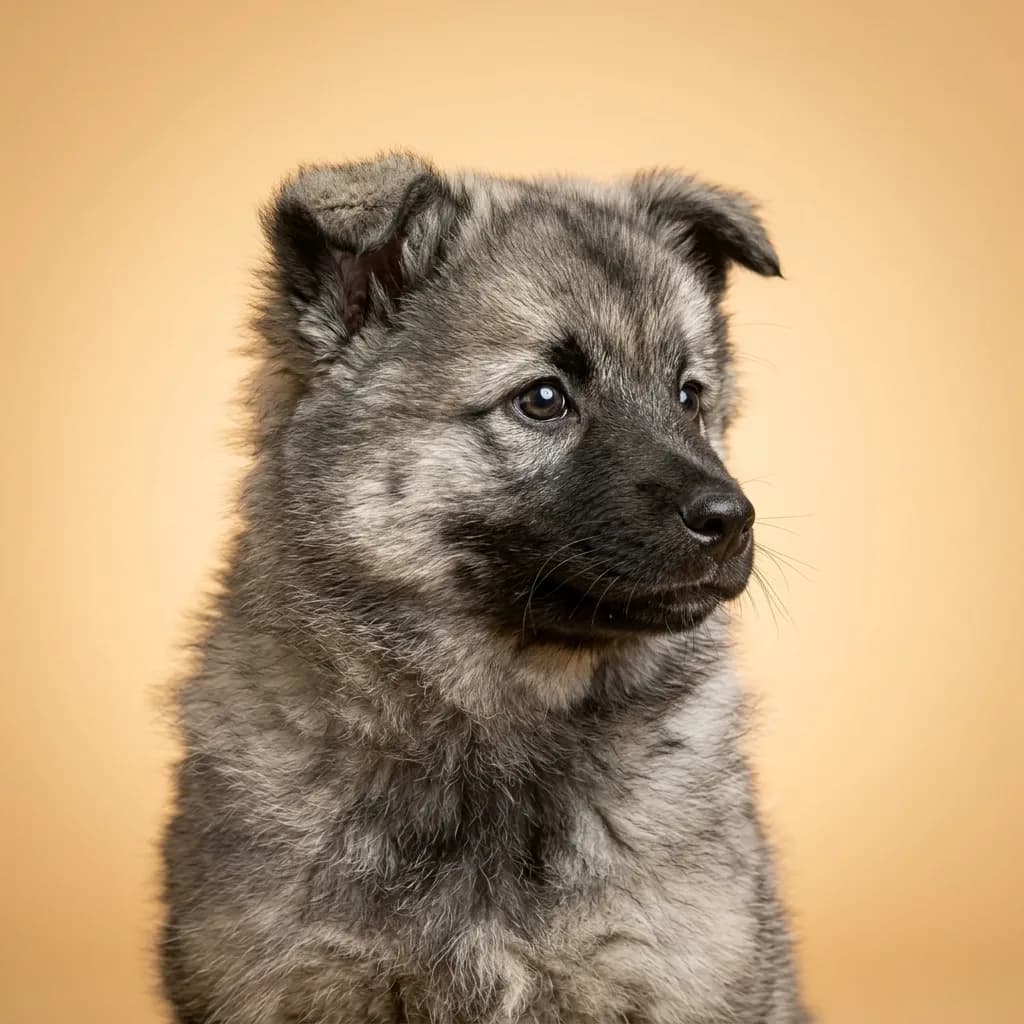
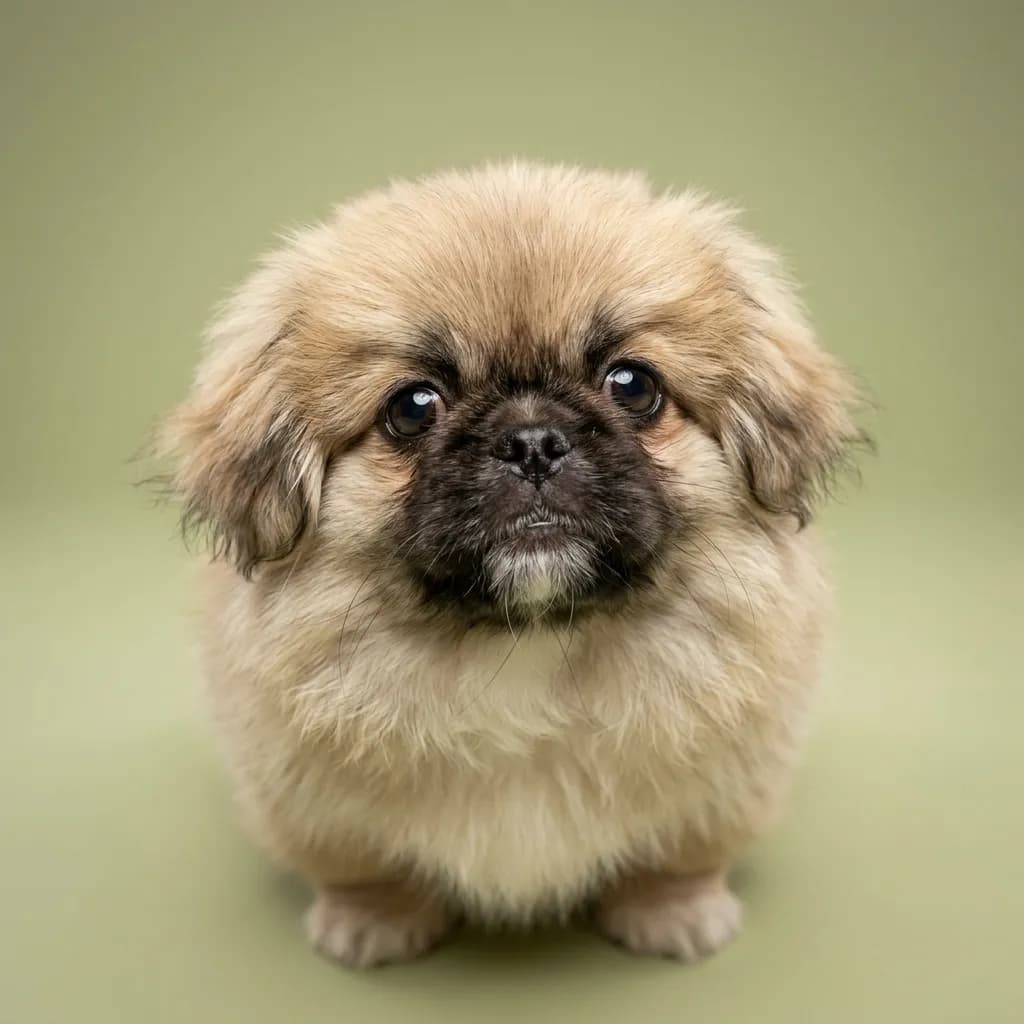
People compare the Norwegian Elkhound and Pekingese because they’re both fluffy, loyal, and pack a surprising amount of personality in fur coats that beg to be touched. But that’s where the similarities end. One was built to track elk through snowstorms in the Scandinavian wilderness. The other was carried in the sleeves of Chinese emperors. You’re not just choosing a dog. you’re choosing a lifestyle. The Elkhound is your all-weather outdoor partner. At 50 pounds and built like a compact wolf, it thrives on cold mornings, long hikes, and having a job to do. It’s bold, vocal, and alert. great if you want a natural watchdog who’ll greet you like a hero after a long day. But you’ll need time for exercise, training, and managing that thick double coat. It’s not the breed to leave alone in an apartment all week. The Pekingese, by contrast, lives for lap time and regal lounging. Tiny, flat-faced, and slow-moving, it’s happiest curled on a cushion, observing the world with ancient eyes. It’s independent, stubborn in training, and doesn’t need more than a short indoor stroll. But its health is fragile. breathing issues, spine risks, and delicate eyes mean vet bills can pile up. Here’s the real talk: the Elkhound needs you to be its teammate. The Pekingese expects you to be its servant. Pick the Elkhound if you want a rugged, affectionate co-pilot for an active life in a colder climate. Choose the Pekingese if you’re home often, live gently, and want a quiet, dignified companion. Either way, you’re getting a dog with centuries of purpose. just wildly different definitions of what “purpose” means.
Trait-by-trait
Higher bar = more of that trait. Shedding, barking, drooling, grooming flipped for readability.Where they diverge
Choose the Norwegian Elkhound if…
- Active families
- Cold climate dwellers
- Outdoor and hiking enthusiasts
- You value barking level — Norwegian Elkhound scores noticeably higher.
Choose the Pekingese if…
- Apartment living
- Seniors
- Singles or couples
- You value coat grooming — Pekingese scores higher here.