Norwegian Elkhound vs Pomeranian
Side-by-side comparison across all 14 AKC trait ratings, with a clear verdict on which breed fits which kind of household.
Not sure which breed fits your life?
Answer five questions about your home, your schedule, and your tolerance for shedding. We’ll match you to your top three breeds from over 200.
Norwegian Elkhound vs Pomeranian
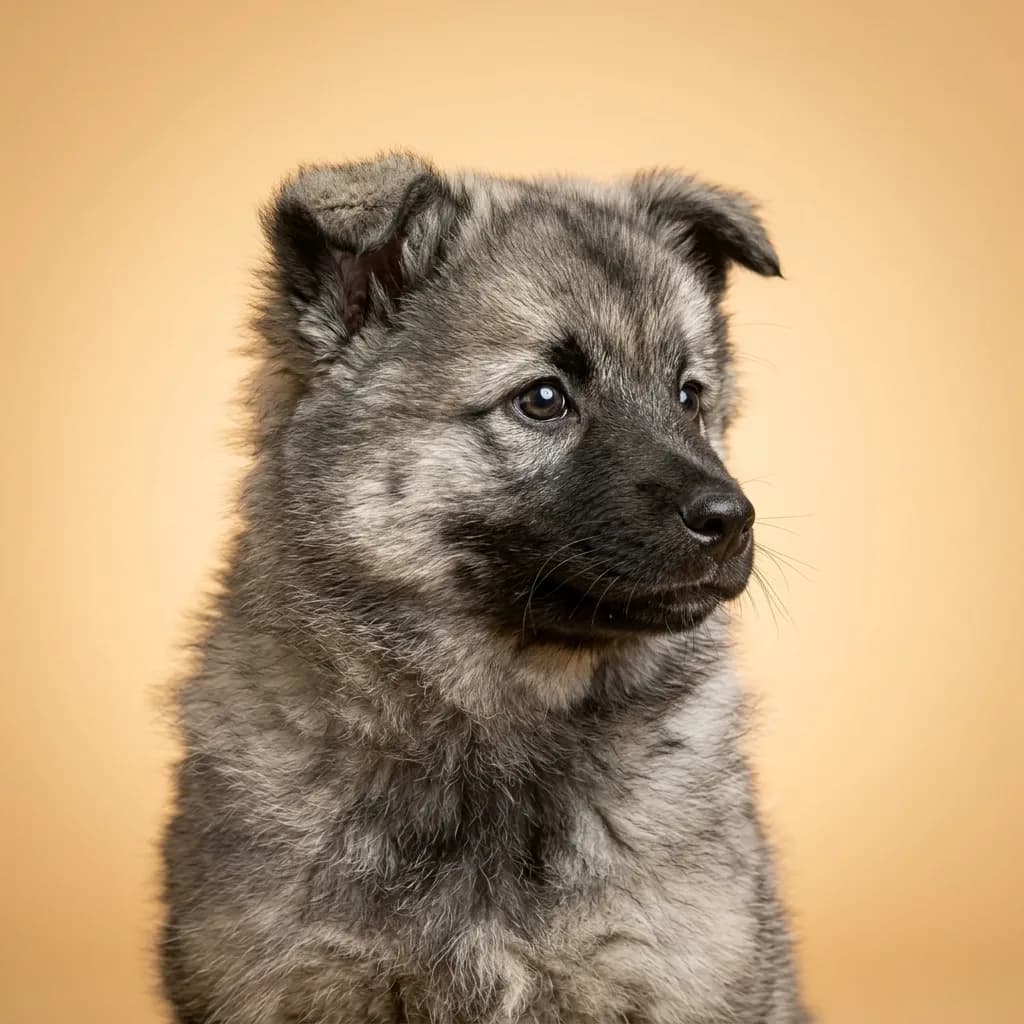
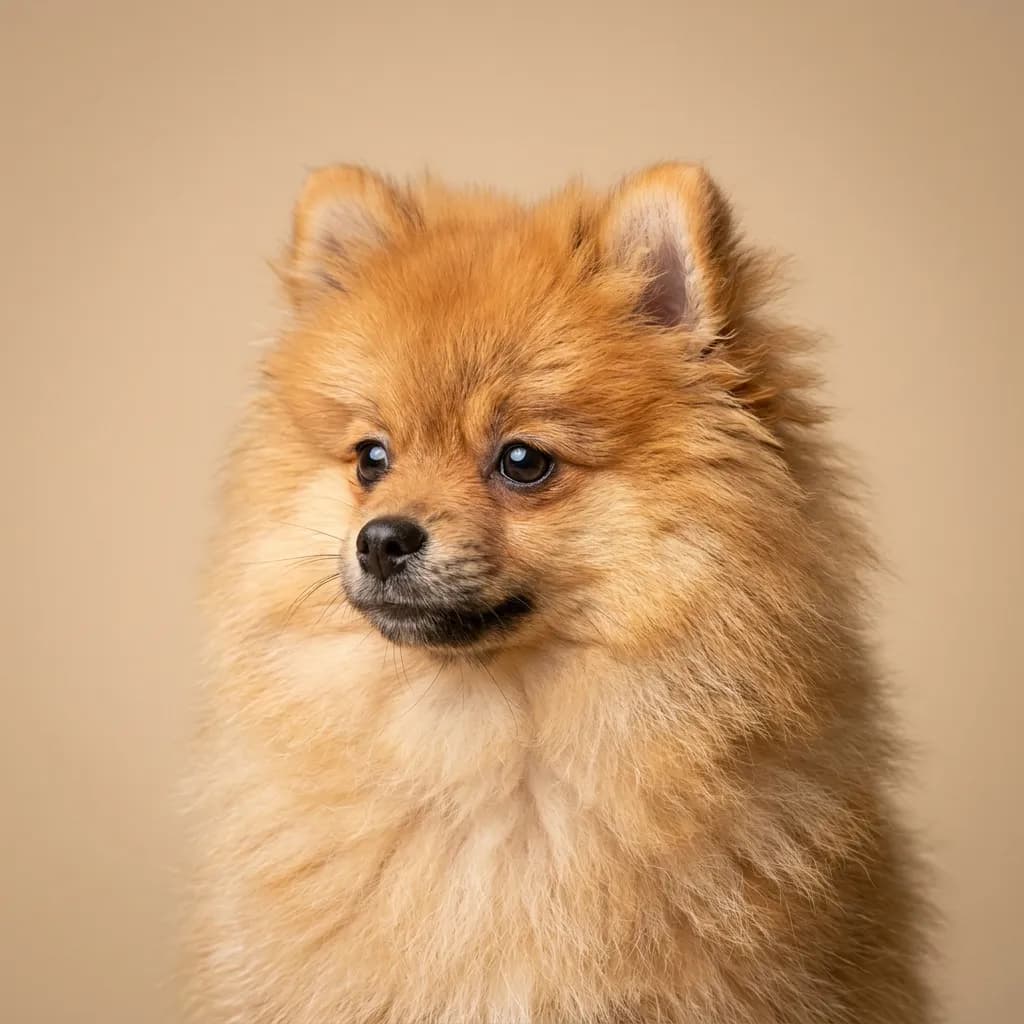
People compare Norwegian Elkhounds and Pomeranians because they’re both fluffy, tail-curled Spitz types. like nature’s bookends. One looks like a full-grown wolf pup; the other fits in a handbag. But choosing between them isn’t about looks. It’s about life. The Elkhound is a working hound built for cold, rugged terrain. At 50 pounds and packed with endurance, this dog will hike all day and bark at a falling leaf. You’ll need a yard, a tolerance for shedding, and an appreciation for a loud, loyal voice. They’re not for city apartments or quiet neighbors. But if you’re outdoorsy and want a dog that feels like a partner, not just a pet, this one sticks close and watches your back. The Pomeranian, meanwhile, is a pocket-sized firecracker. Bold? Absolutely. A 7-pound dog that’ll challenge a delivery truck? Yep. They adapt to tiny spaces and love lap time, but their bark is relentless and their coat demands brushing every other day. They’re not for families with toddlers who don’t understand “don’t squeeze the dog.” But if you’re a retiree or live in a condo and want a tiny, confident shadow, a Pom’s spark is hard to beat. Here’s the real talk: both are stubborn and barky. But the Elkhound needs a job, even if it’s just a long walk with off-leash time. The Pom just wants to be near you. on your lap, in your coat, at your feet during dinner. Pick the Elkhound if you want an outdoor companion. Pick the Pom if you want a portable heartbeat. One is a survivalist in fur. The other is a diva with opinions. Know which you can live with. because both will make their presence known.
Trait-by-trait
Higher bar = more of that trait. Shedding, barking, drooling, grooming flipped for readability.Where they diverge
Choose the Norwegian Elkhound if…
- Active families
- Cold climate dwellers
- Outdoor and hiking enthusiasts
- You value shedding level — Norwegian Elkhound scores noticeably higher.
Choose the Pomeranian if…
- Apartment living
- Seniors or retirees
- Those wanting an alert watchdog
- You value coat grooming — Pomeranian scores higher here.