Norwegian Elkhound vs Pudelpointer
Side-by-side comparison across all 14 AKC trait ratings, with a clear verdict on which breed fits which kind of household.
Not sure which breed fits your life?
Answer five questions about your home, your schedule, and your tolerance for shedding. We’ll match you to your top three breeds from over 200.
Norwegian Elkhound vs Pudelpointer
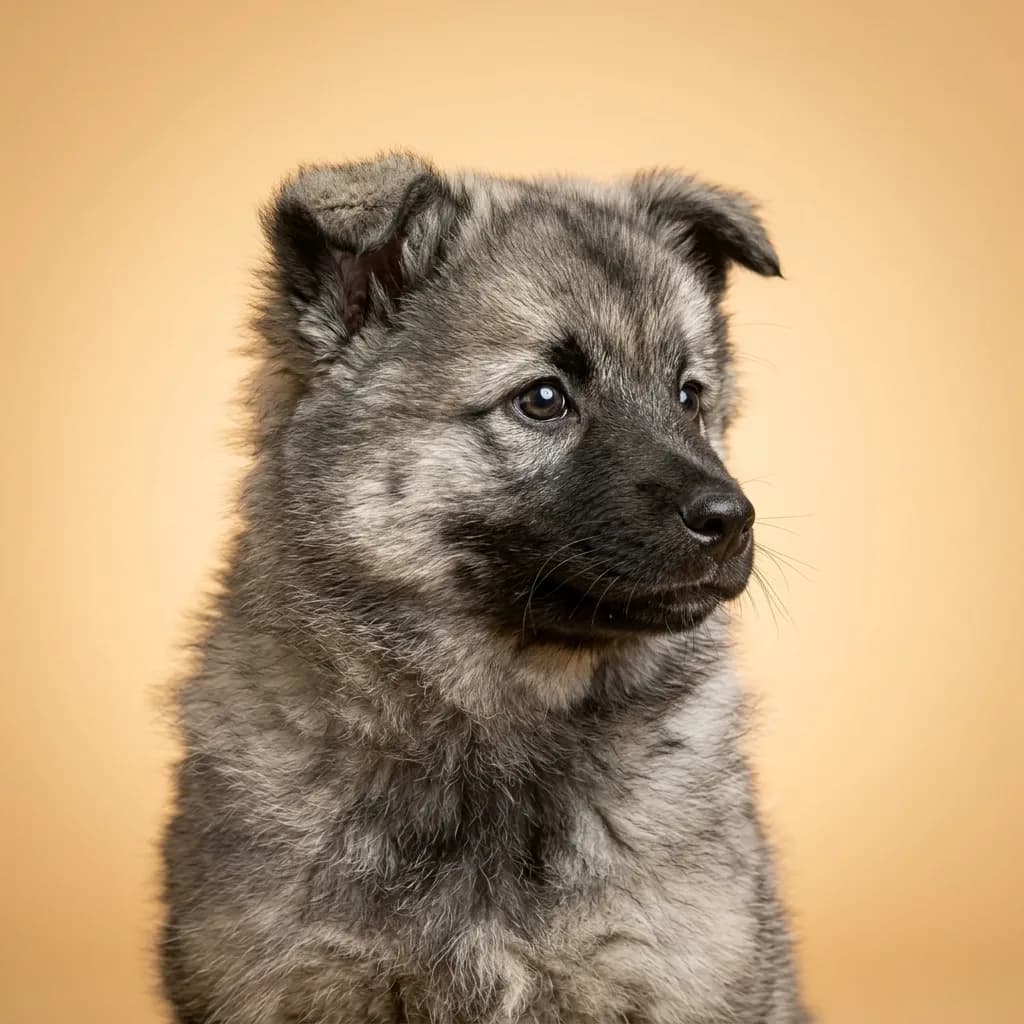
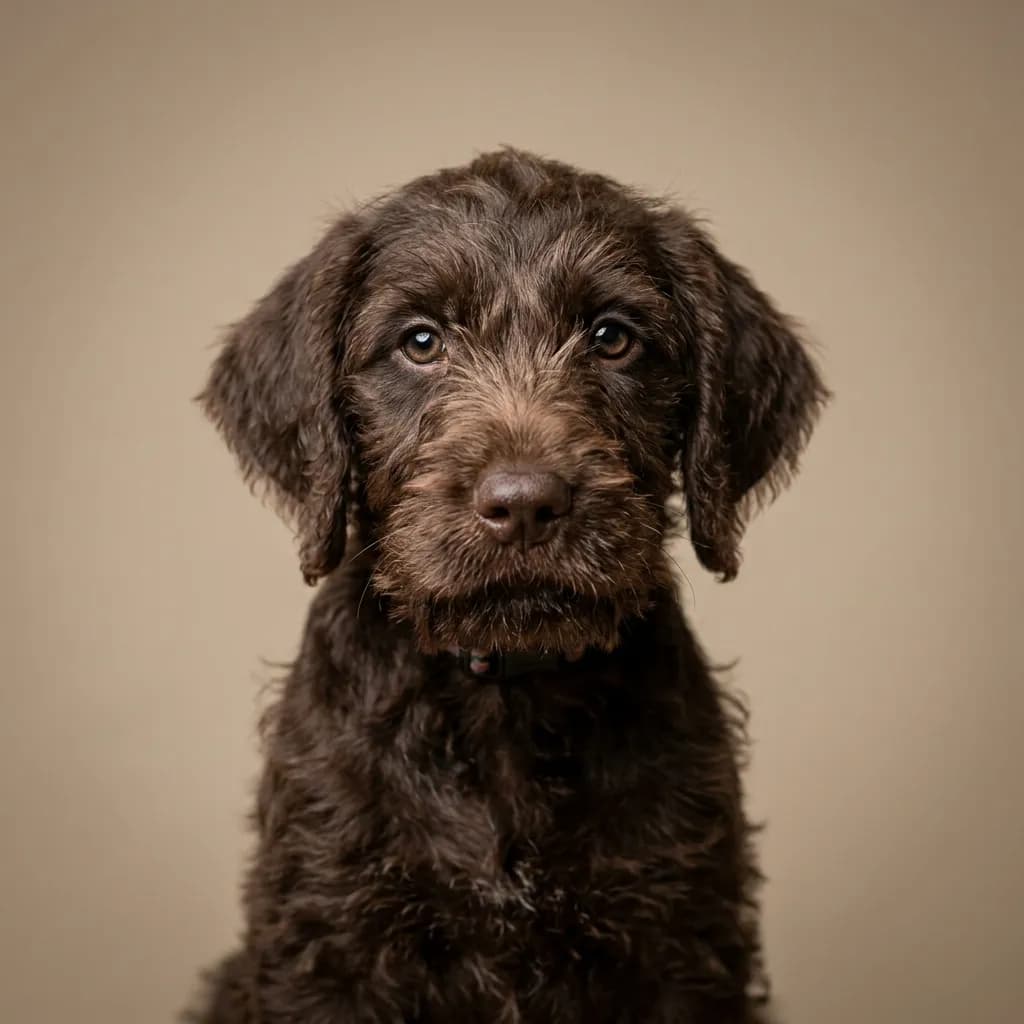
People compare Norwegian Elkhounds and Pudelpointers because both are rugged, medium-to-large dogs built for serious outdoor work in tough conditions. On the surface, they seem similar. high energy, smart, and loyal. But their personalities and purpose couldn’t be more different, and if you’re choosing between them, you’re really deciding what kind of life you want to lead with your dog. The Norwegian Elkhound is the bold, barky guardian. It’s compact but tough, bred to hold moose at bay in the freezing Scandinavian wilderness. You’ll love its loyalty and spark, but know this: it barks at everything, sheds year-round, and thrives on routine and cold weather. It’s the dog that stands at the edge of the woods at 5 a.m., hackles up, announcing the dawn. Great for hikers and active families in colder states, but don’t expect quiet Sundays in a city apartment. The Pudelpointer is a hunter’s dream. quiet until the moment matters. A cross between a Poodle and a pointing dog, it’s a water-loving, bird-finding machine with a soft mouth and a sharp mind. It’s more trainable, less barky, and built for owners who want a true field partner. At 26 inches and up to 70 pounds, it needs space and a job. No hunting? This dog will get bored and creative in ways you won’t like. Here’s the real difference: the Elkhound wants to protect your world. The Pudelpointer wants to explore it. with you. If you’re not hunting or doing advanced dog sports, the Pudelpointer’s brilliance goes underused. But if you are, nothing matches its drive and versatility. Pick the Elkhound for spirited companionship in the mountains. Pick the Pudelpointer if you live for the hunt and need a dog that can swim, point, and track all day.
Trait-by-trait
Higher bar = more of that trait. Shedding, barking, drooling, grooming flipped for readability.Where they diverge
Choose the Norwegian Elkhound if…
- Active families
- Cold climate dwellers
- Outdoor and hiking enthusiasts
- You value watchdog / protective — Norwegian Elkhound scores noticeably higher.
Choose the Pudelpointer if…
- hunters
- very active owners
- waterfowl and upland bird hunters
- You value drooling level — Pudelpointer scores higher here.