Norwegian Elkhound vs Tornjak
Side-by-side comparison across all 14 AKC trait ratings, with a clear verdict on which breed fits which kind of household.
Not sure which breed fits your life?
Answer five questions about your home, your schedule, and your tolerance for shedding. We’ll match you to your top three breeds from over 200.
Norwegian Elkhound vs Tornjak
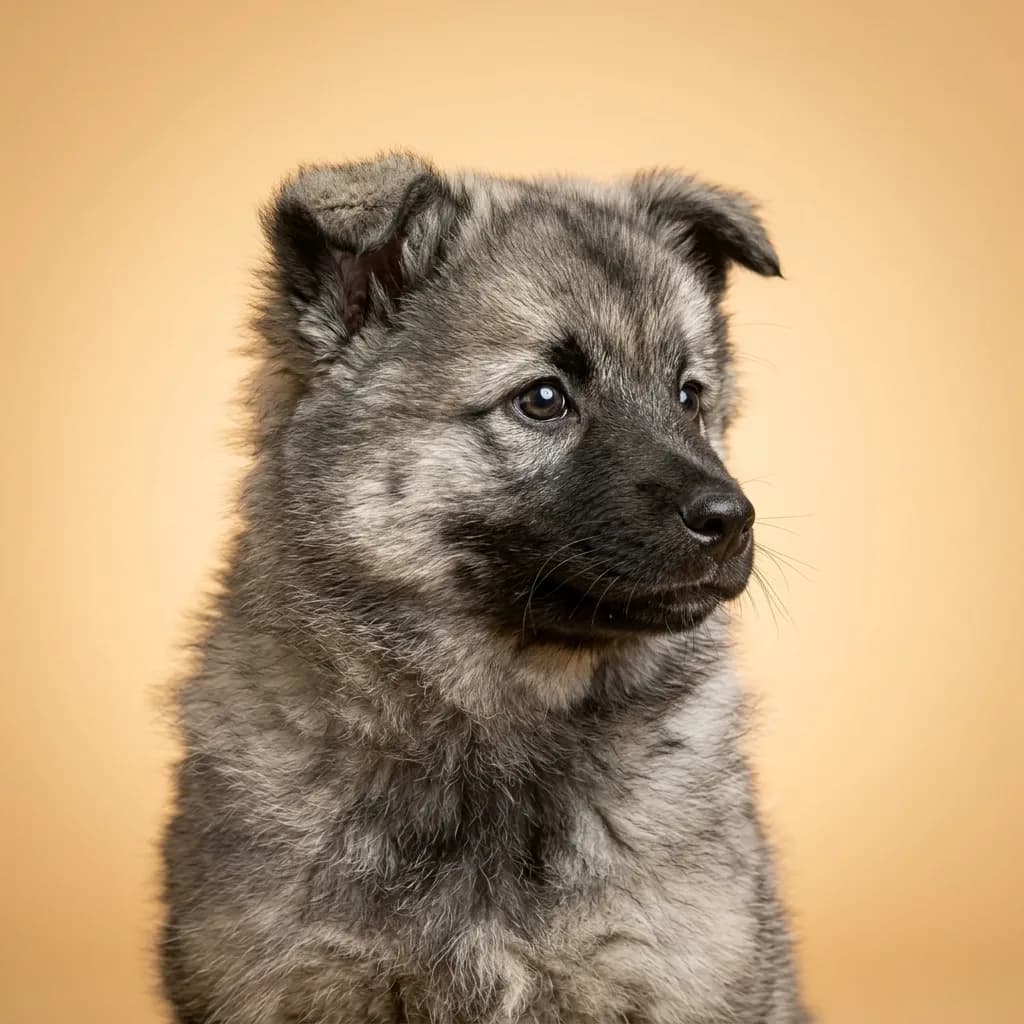
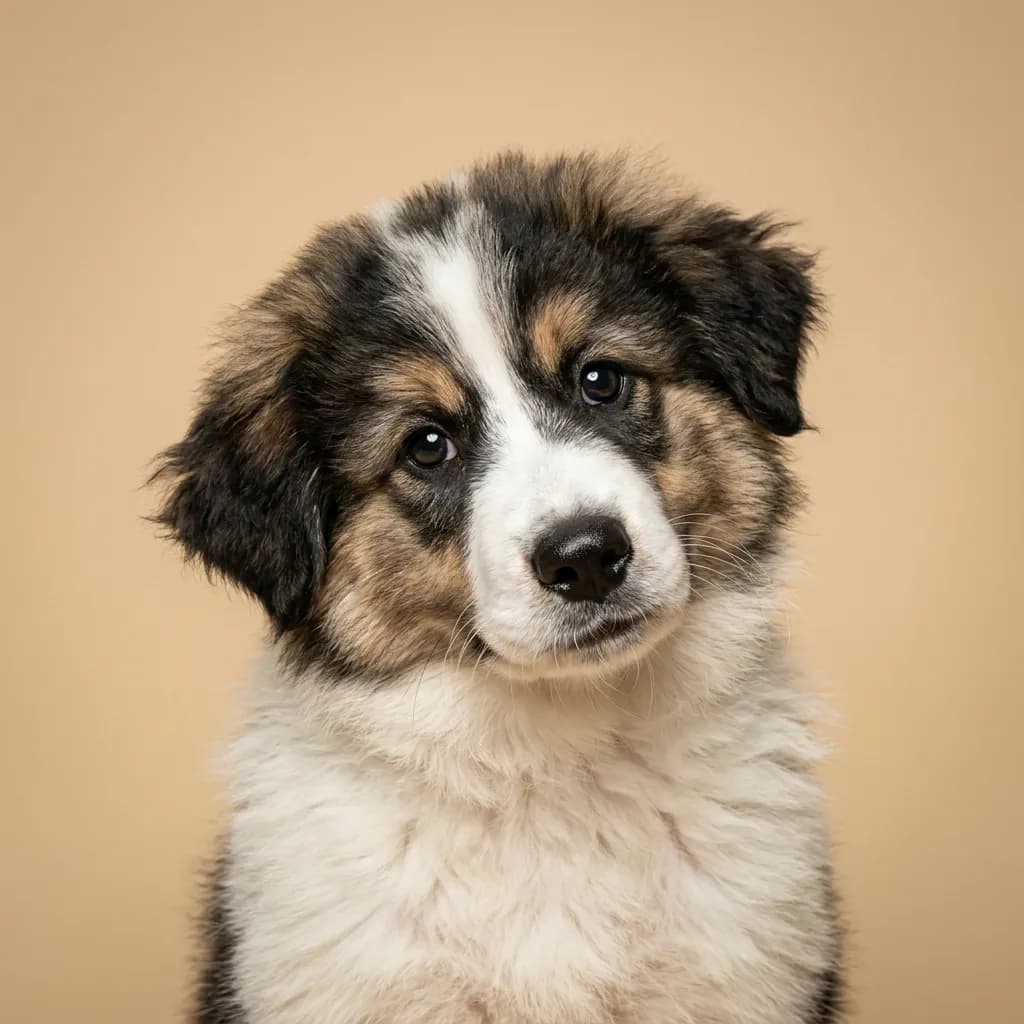
People compare the Norwegian Elkhound and Tornjak because both are rugged, cold-weather dogs with thick double coats and a strong Nordic presence. But that’s where the similarities end. These aren’t two paths up the same mountain. they’re entirely different terrains. The Elkhound is your compact, high-drive companion built for motion. At under 55 pounds, he's agile, loud, and always alert, bred to trail elk through Scandinavian forests and bark to signal the hunter. He’s more adaptable than you’d think. can live in a house with a yard if you’re out hiking daily. but don’t expect him to nap on the couch all weekend. He wants to do. He bonds tightly, thrives on engagement, and will follow you like a shadow. But he barks at everything, sheds year-round, and needs consistent training from day one. The Tornjak? He’s the silent fortress. Twice the size, often over 100 pounds, built to stay, not to range. This dog doesn’t follow. he guards. Bred to patrol mountain pastures alone, he’s independent, calm, and naturally suspicious of strangers. He doesn’t need hours of activity, but he does need space and confident handling. He’s not a project for a first-time owner. Apartment life? Forget it. He needs a yard, preferably with livestock, or at least the illusion of a territory to steward. Here’s the real talk: the Elkhound chooses you like a partner. The Tornjak tolerates you as pack leader. until he decides he’s better suited for the role. If you want a dog that’s always with you, go Elkhound. If you want a dog that’s watching for you, and you’ve got land and experience, the Tornjak’s your shadow.
Trait-by-trait
Higher bar = more of that trait. Shedding, barking, drooling, grooming flipped for readability.Where they diverge
Choose the Norwegian Elkhound if…
- Active families
- Cold climate dwellers
- Outdoor and hiking enthusiasts
- You value good with other dogs — Norwegian Elkhound scores noticeably higher.
Choose the Tornjak if…
- Experienced large-breed owners
- Farm or rural settings
- Livestock guardian needs
- You value shedding level — Tornjak scores higher here.