Norwegian Lundehund vs Pekingese
Side-by-side comparison across all 14 AKC trait ratings, with a clear verdict on which breed fits which kind of household.
Not sure which breed fits your life?
Answer five questions about your home, your schedule, and your tolerance for shedding. We’ll match you to your top three breeds from over 200.
Norwegian Lundehund vs Pekingese
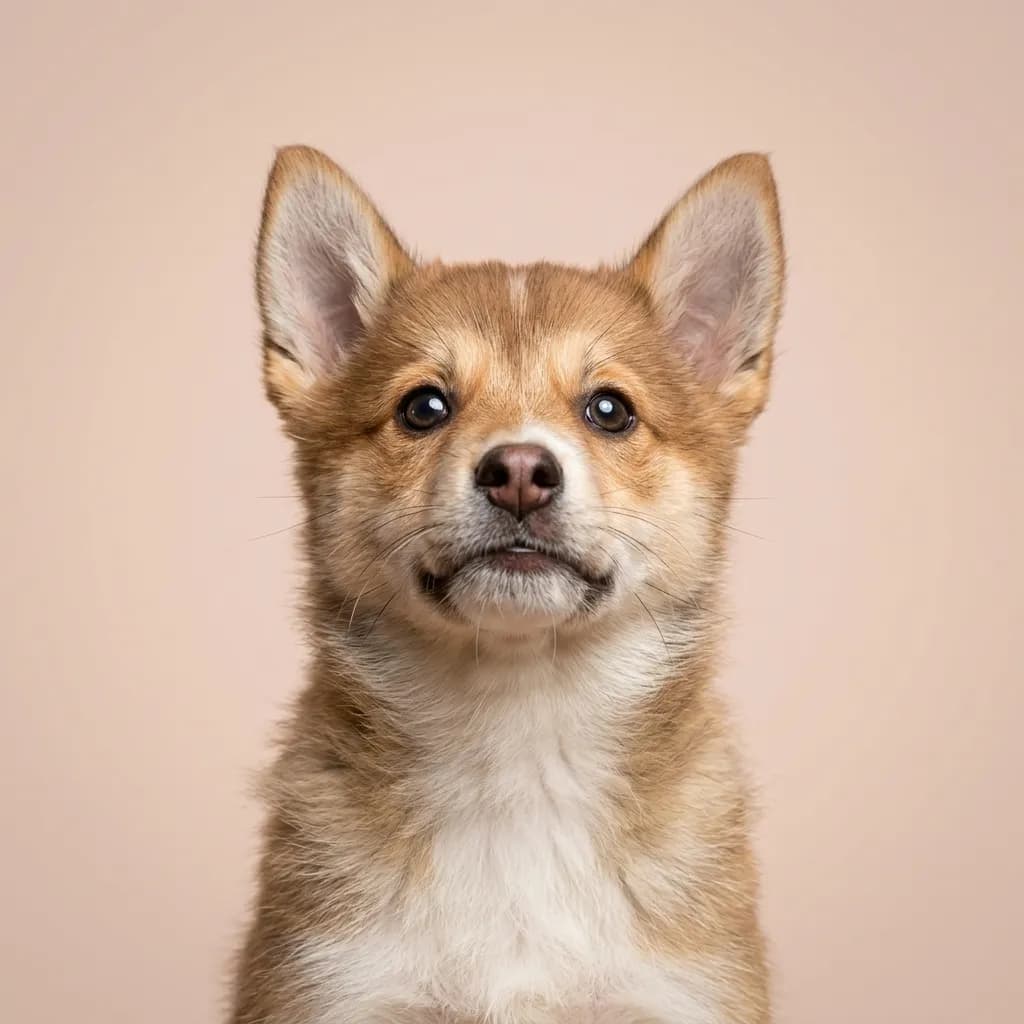
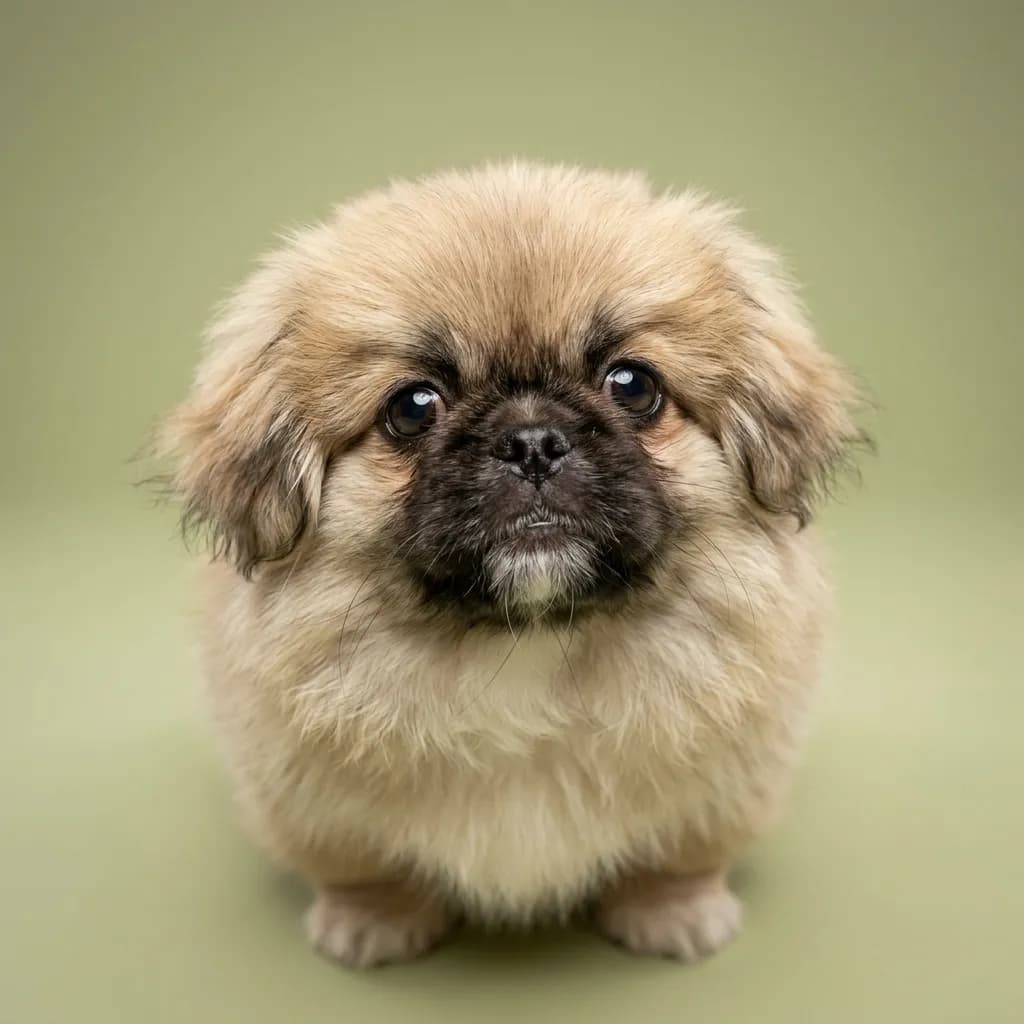
People compare Norwegian Lundehunds and Pekingese because they’re both small, unusual dogs with big personalities and ancient lineages. But beyond surface charm, they couldn’t be more different. One was born on wind-blasted cliffs hunting seabirds, the other lounged on silk cushions in imperial palaces. That history shapes everything. The Lundehund is a scrappy, six-toed acrobat built for squeezing into rocky crevices. He’s alert and energetic, with a wiry curiosity that needs direction. You’ll need time for mental games and safe, cold-weather adventures. He bonds fiercely but isn’t easily trained. And his gut is fragile. Lundehund syndrome means strict diets and vet vigilance. This isn’t a dog for beginners. He thrives with experienced owners who value quirks and don’t mind a project. The Pekingese, meanwhile, is a velvety emperor in dog form. He’s sturdy for his size, with a lion’s mane and a will of stone. Low-energy and deeply affectionate, he’ll follow you from room to room just to supervise. He barely barks, adapts to apartments effortlessly, and needs only light strolls. But his flat face makes heat dangerous, and his spine is prone to injury. Never lift him by the belly. He’s not for active hikers or families with rambunctious kids. he’ll tolerate, not join, the chaos. Here’s the real talk: the Lundehund will surprise you daily, but demand constant management. The Pekingese will rule your lap with silent authority, asking only for devotion. Pick the Lundehund if you want a rare, rugged little explorer. Pick the Pekingese if you want a regal, low-key companion who treats life like a throne room. One’s a survivalist. The other’s a sovereign. Choose your court.
Trait-by-trait
Higher bar = more of that trait. Shedding, barking, drooling, grooming flipped for readability.Where they diverge
Choose the Norwegian Lundehund if…
- Experienced dog owners
- Those interested in rare breeds
- Active families
- You value barking level — Norwegian Lundehund scores noticeably higher.
Choose the Pekingese if…
- Apartment living
- Seniors
- Singles or couples
- You value affectionate w/ family — Pekingese scores higher here.