Norwegian Lundehund vs Puli
Side-by-side comparison across all 14 AKC trait ratings, with a clear verdict on which breed fits which kind of household.
Not sure which breed fits your life?
Answer five questions about your home, your schedule, and your tolerance for shedding. We’ll match you to your top three breeds from over 200.
Norwegian Lundehund vs Puli
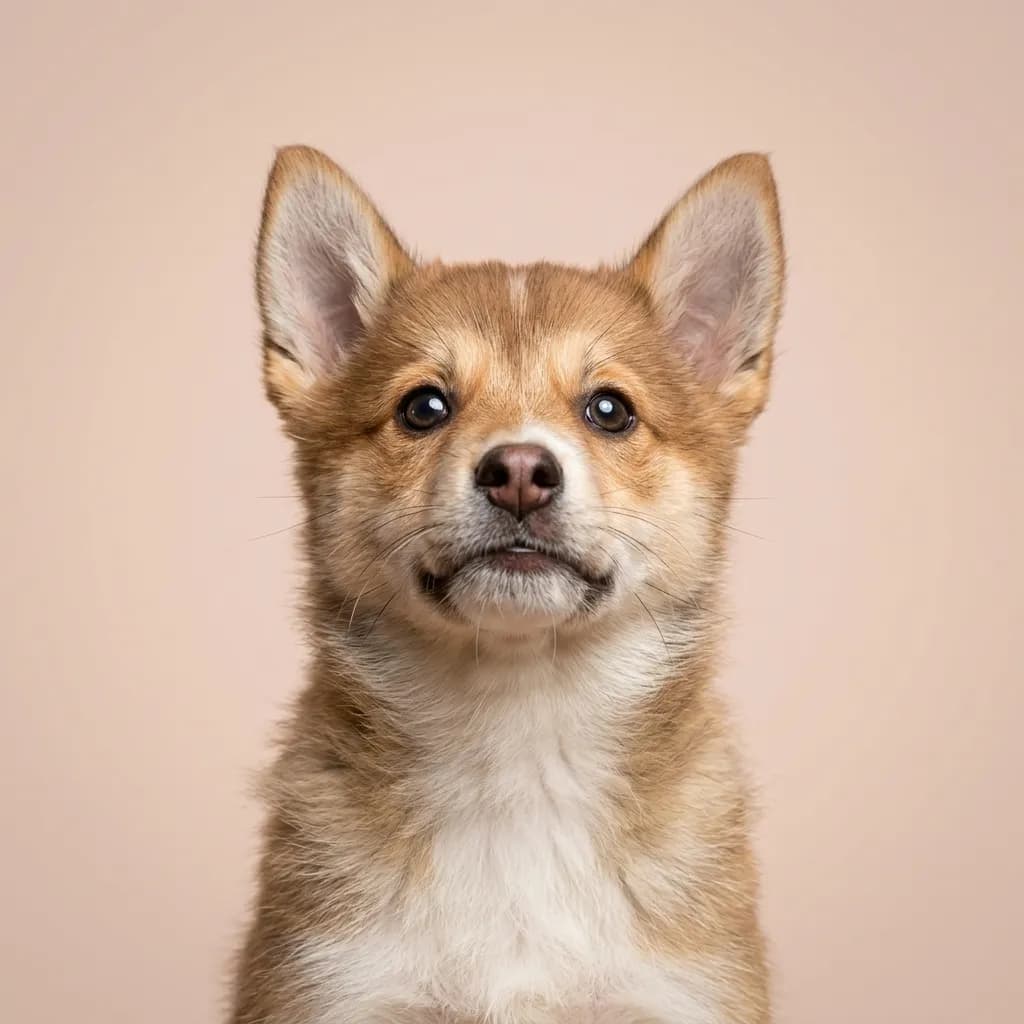
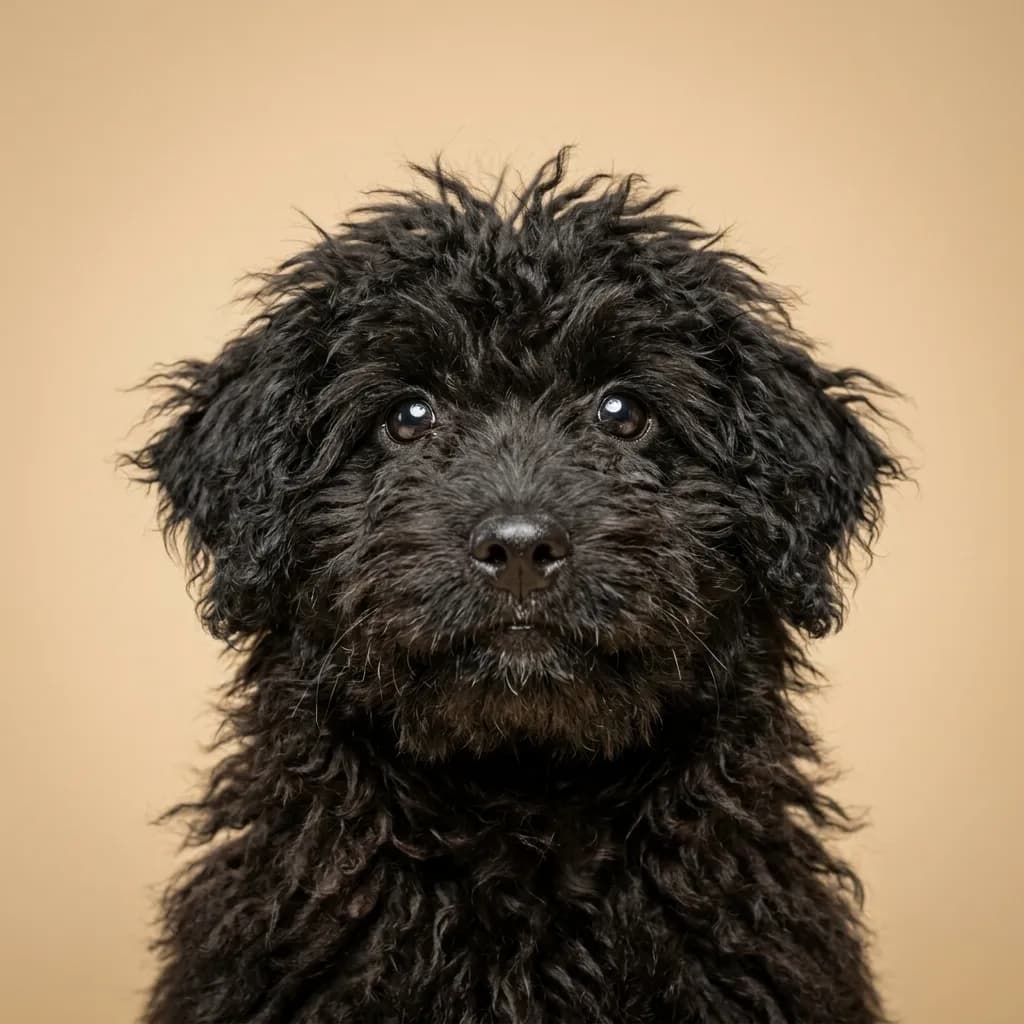
You don’t see either of these dogs at the dog park, and that’s probably why you’re comparing them. both are rare, both look like they time-traveled from another century, and both have coats that make strangers do a double-take. But that’s where the similarities end. The Norwegian Lundehund and the Puli both demand commitment, but for wildly different reasons. The Lundehund was built for cliffs and puffins. Six toes per foot, insane flexibility. this dog can bend its head backward to touch its spine. It’s like a canine contortionist that ended up in your living room. But that unique biology comes with fragile digestion. Lundehund syndrome isn’t just a footnote, it’s a lifelong management plan involving vet diets, constant monitoring, and vet bills that can spike overnight. They’re alert and loyal, but not eager to please in the way you’d want from a beginner’s dog. You’ll need patience, experience, and a vet who’s read the fine print. The Puli, meanwhile, is a thinker. That mop-like coat? It takes weekly upkeep, yes, but once you’re past the grooming learning curve, you’ve got one of the most affectionate, mentally sharp herders around. Pulis thrive on involvement. They want to be part of your projects, your hikes, your emotional support team. They’re biddable in a way Lundehunds aren’t, and their intelligence means they’ll outmaneuver you if you’re not consistent. Here’s the real talk: if you want a dog that needs you to be a student of dog health science, pick the Lundehund. If you want a dog that needs you to be a student of dog training, pick the Puli. One’s a high-maintenance marvel of evolution, the other a high-engagement partner in crime. Choose based on what kind of work you’re willing to do.
Trait-by-trait
Higher bar = more of that trait. Shedding, barking, drooling, grooming flipped for readability.Where they diverge
Choose the Norwegian Lundehund if…
- Experienced dog owners
- Those interested in rare breeds
- Active families
- You value shedding level — Norwegian Lundehund scores noticeably higher.
Choose the Puli if…
- Active families
- Experienced dog owners
- Those wanting a unique coat
- You value coat grooming — Puli scores higher here.