Norwegian Lundehund vs Shikoku
Side-by-side comparison across all 14 AKC trait ratings, with a clear verdict on which breed fits which kind of household.
Not sure which breed fits your life?
Answer five questions about your home, your schedule, and your tolerance for shedding. We’ll match you to your top three breeds from over 200.
Norwegian Lundehund vs Shikoku
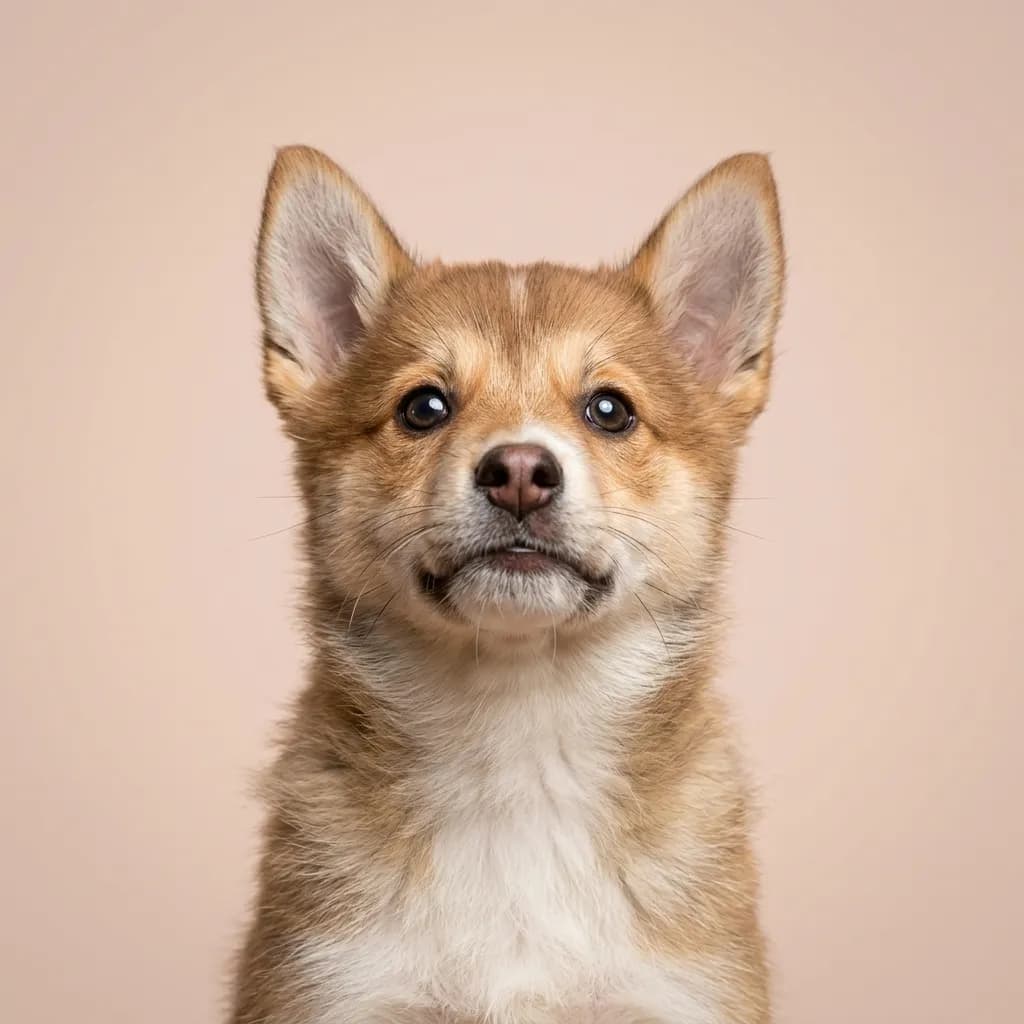
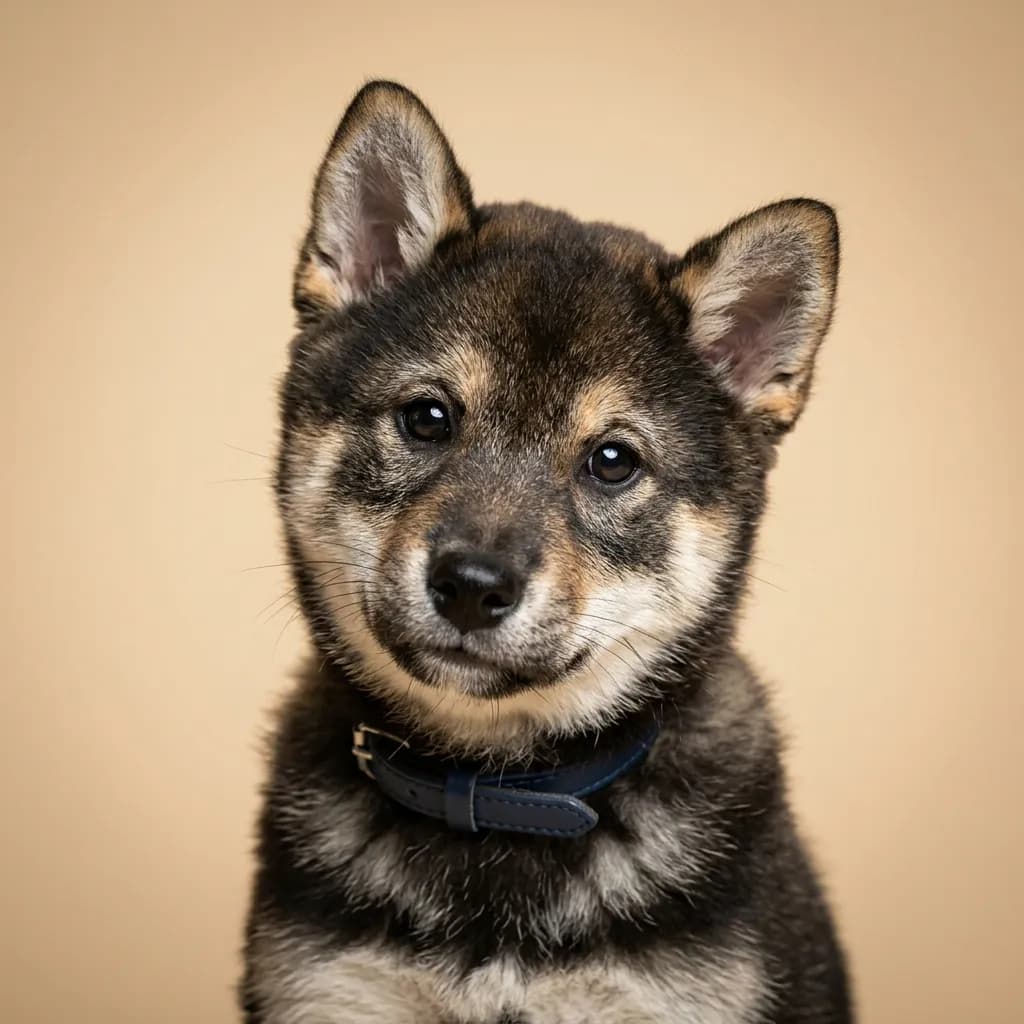
You don’t just stumble into owning a Norwegian Lundehund or a Shikoku. People compare them because they’re both rare, primitive breeds with an almost prehistoric vibe, and if you’re drawn to one, you’re probably the kind of dog person who reads breed histories for fun. But that’s where the similarity ends. The Lundehund was built for one absurdly specific job: scrambling up sheer Norwegian cliffs to collect puffins. It can bend its head backward to touch its spine, spread its toes like suction cups, and has six fully functional toes per foot. It’s wiry, compact, and weirdly endearing. like a dog designed by a wizard. But it comes with fragile digestion. Lundehund syndrome is no joke, and managing their diet will be a lifelong project. They bond tightly, yes, but they’re not eager to please. Think of them as the quiet, intense artist in the family. brilliant but high-maintenance. The Shikoku, meanwhile, is a mountain predator. Bigger, bolder, built to chase boar through dense Japanese forests. It’s got that classic spitz toughness. confident, independent, always alert. You’ll need space and stamina. They’re not reactive like a terrier, but they’re not lounging on the couch either. They need a job, even if it’s just a really long hike. And they can be cat-adjacent, which means anything small and fast is likely to trigger the chase. Here’s the real talk: both need experienced hands, but for different reasons. The Lundehund needs a vet-savvy owner who won’t panic when food sensitivities arise. The Shikoku needs an owner who won’t take aloofness personally. Want a dog that’ll follow you into the woods without needing constant reassurance? Go Shikoku. Want a quirky, loyal shadow with a digestive system like fine china? Lundehund’s your weird little genius.
Trait-by-trait
Higher bar = more of that trait. Shedding, barking, drooling, grooming flipped for readability.Where they diverge
Choose the Norwegian Lundehund if…
- Experienced dog owners
- Those interested in rare breeds
- Active families
- You value adaptability — Norwegian Lundehund scores noticeably higher.
Choose the Shikoku if…
- Experienced dog owners
- Active outdoor enthusiasts
- Those wanting a primitive, independent breed
- You value coat grooming — Shikoku scores higher here.