Norwich Terrier vs Siberian Husky
Side-by-side comparison across all 14 AKC trait ratings, with a clear verdict on which breed fits which kind of household.
Not sure which breed fits your life?
Answer five questions about your home, your schedule, and your tolerance for shedding. We’ll match you to your top three breeds from over 200.
Norwich Terrier vs Siberian Husky
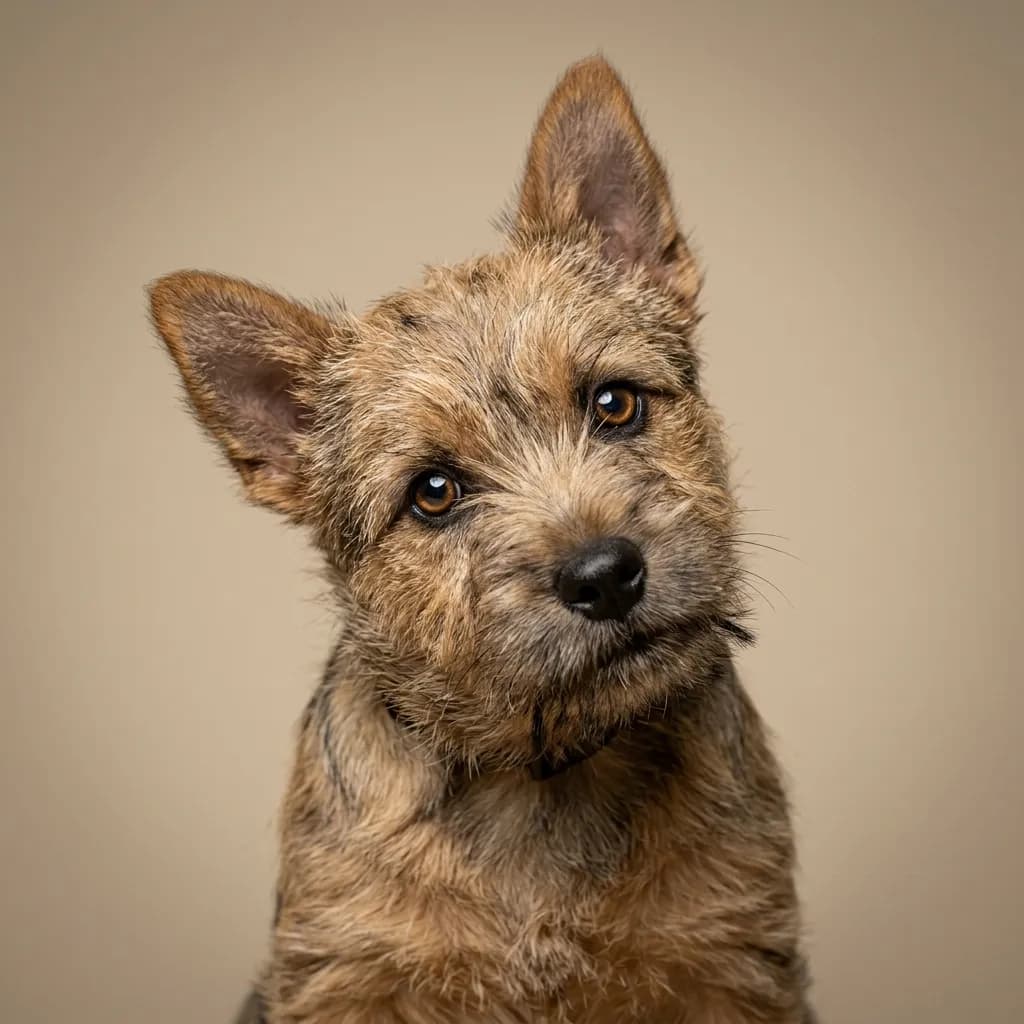
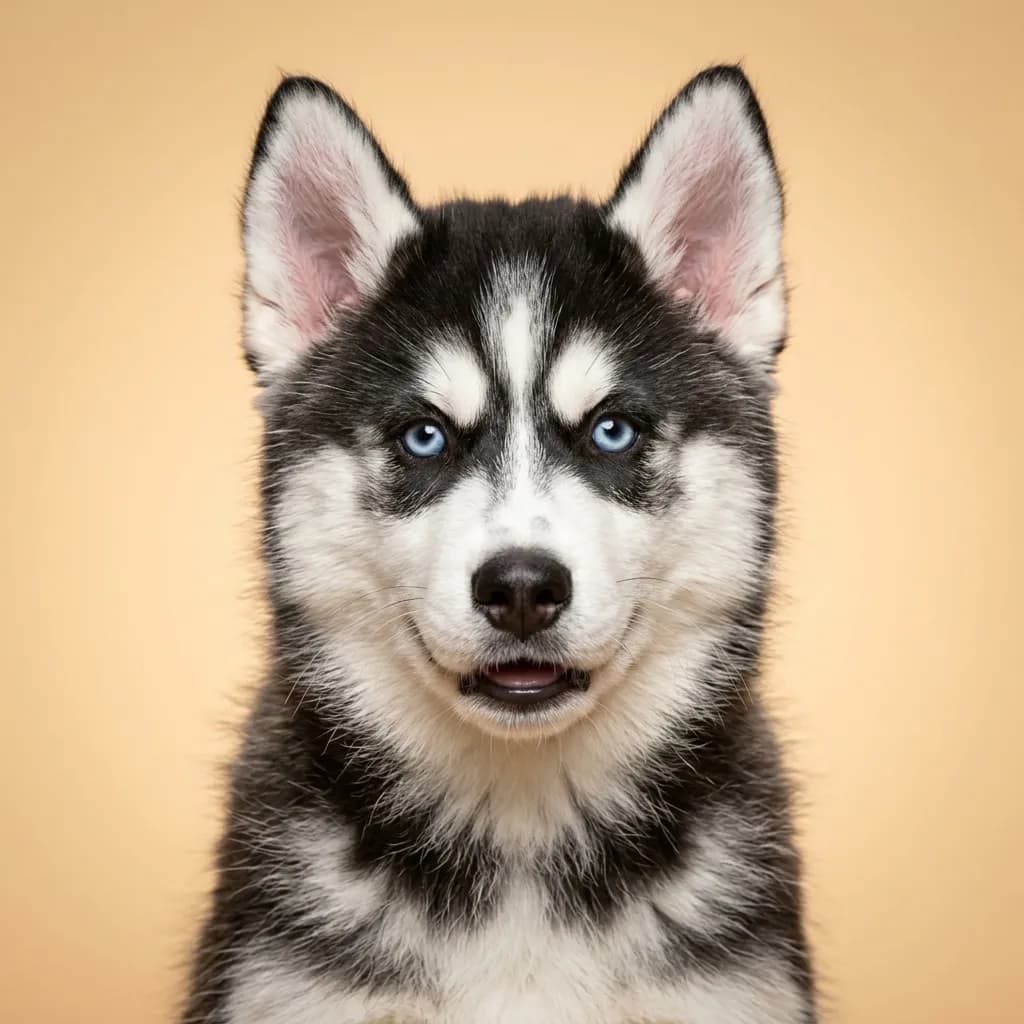
You’re not really comparing a Norwich Terrier to a Siberian Husky because they look cute in photos together. You’re looking at these two because someone told you both are “fun” or “great with kids” and now you’re trying to figure out which kind of chaos fits your life. Let’s cut through it. The Norwich is a tiny tornado wrapped in wiry fur, built for bolting after rodents in English foxholes. He’s fearless, loud, and will bark at a leaf. But he fits in your lap, adapts to apartments, and bonds fiercely with older kids who don’t mind a dog that thinks he’s in charge. He’ll do agility, earthdog trials, or just supervise your Zoom calls with intense focus. The Husky? That’s a 40-pound escape artist with a wolf’s stamina and a clown’s personality. He was born to run 30 miles in -30°F, pulling a sled and smiling about it. If you’re not walking, running, or biking daily, don’t bother. He’ll redecorate your yard and howl the whole time. Hot climates? Forget it. And yes, you’ll vacuum fur like it’s your job. Here’s what the charts won’t tell you: the Norwich may be small, but he’s emotionally durable. He doesn’t need a pack or constant adventure. The Husky, though? He gets lonely fast. Even with love, he’ll find ways to entertain himself. like dismantling your back door. Pick the Norwich if you want a bold, portable companion who’ll thrive in city living and doesn’t need snow to be happy. Pick the Husky only if you’ve got space, time, and a tolerance for chaos. And never, ever trust either one off-leash. One’s too curious. The other’s too committed to his ancestral right to roam.
Trait-by-trait
Higher bar = more of that trait. Shedding, barking, drooling, grooming flipped for readability.Where they diverge
Choose the Norwich Terrier if…
- Active families
- Apartment or small home living
- Families with older children
- You value watchdog / protective — Norwich Terrier scores noticeably higher.
Choose the Siberian Husky if…
- Active owners who exercise daily
- Cold climate households
- Families with children
- You value good with other dogs — Siberian Husky scores higher here.