Otterhound vs Russian Toy
Side-by-side comparison across all 14 AKC trait ratings, with a clear verdict on which breed fits which kind of household.
Not sure which breed fits your life?
Answer five questions about your home, your schedule, and your tolerance for shedding. We’ll match you to your top three breeds from over 200.
Otterhound vs Russian Toy
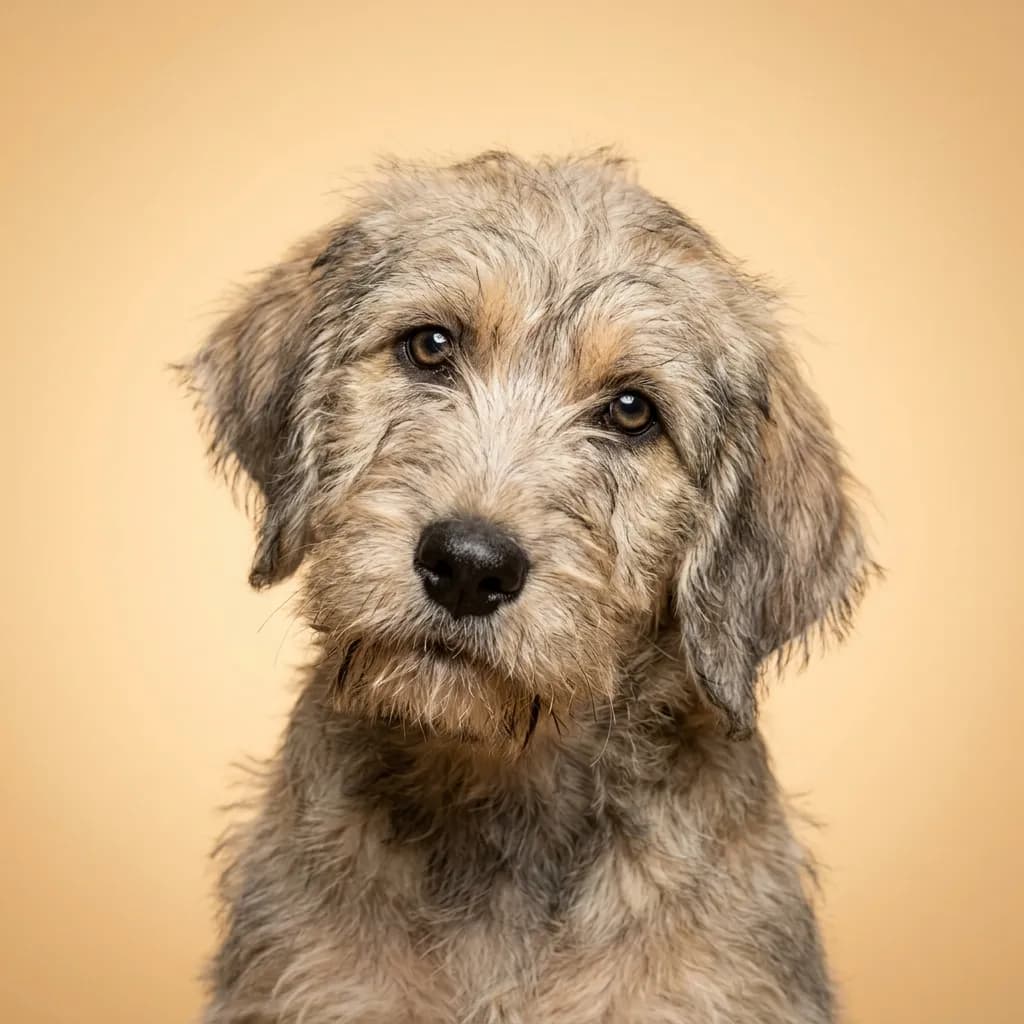
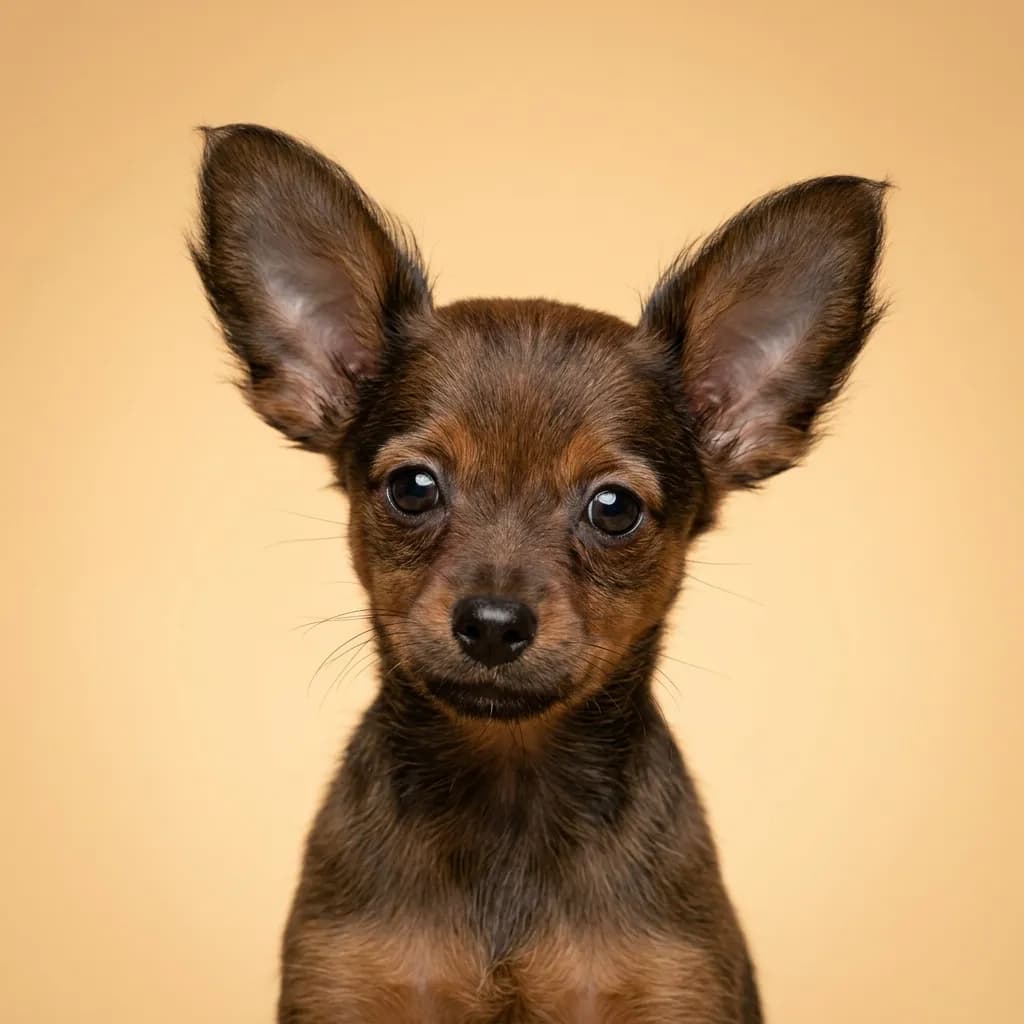
You’d never think to compare a shaggy, river-soaked otter hunter from England with a pocket-sized Russian courtier bred to nap in silk purses. yet here we are. People end up weighing Otterhound against Russian Toy not because they’re similar, but because both are rare, quirky, and full of personality. They’re the dogs you pick when you don’t want the same old lab or corgi. But that’s where the overlap ends. The Otterhound is a big, bearded force of nature. Think 100 pounds of floppy, enthusiastic dog who lives for muddy streams and loud, baying howls. He’s amiable with everyone, adores his people, and needs space. yards, rivers, room to roam. He drools. He smells like a wet dog times ten. And he won’t come when called if he catches a scent. Not ideal for city life or neat freaks, but gold for outdoorsy families who want a loyal, rugged companion. The Russian Toy is the opposite. Delicate, alert, and tiny. under 7 pounds. he’s built for perching on your lap or curling up in your tote bag. He bonds fiercely to one or two people, thrives in apartments, and hates being left alone. He’s not built for roughhousing or long hikes. But he’ll learn tricks fast, charm strangers, and live quietly beside you into his teens. Here’s the real talk: both are affectionate and intelligent, but the Otterhound is a project with fur. The Russian Toy is a companion with fragility. Pick the Otterhound if you want a dog that feels like a wild, shaggy adventure. Pick the Russian Toy if you want a devoted shadow who fits in your life like a whisper. Just know. the Otterhound will track in mud. The Russian Toy might break a leg off a two-foot drop. Love them for their flaws, because with these two, that’s where the character lives.
Trait-by-trait
Higher bar = more of that trait. Shedding, barking, drooling, grooming flipped for readability.Where they diverge
Choose the Otterhound if…
- Active families
- Rural settings
- Outdoor and swimming enthusiasts
- You value drooling level — Otterhound scores noticeably higher.
Choose the Russian Toy if…
- Apartment living
- Seniors
- Owners wanting a devoted companion
- You value shedding level — Russian Toy scores higher here.