Otterhound vs Samoyed
Side-by-side comparison across all 14 AKC trait ratings, with a clear verdict on which breed fits which kind of household.

Not sure which breed fits your life?
Answer five questions about your home, your schedule, and your tolerance for shedding. We’ll match you to your top three breeds from over 200.
Otterhound vs Samoyed
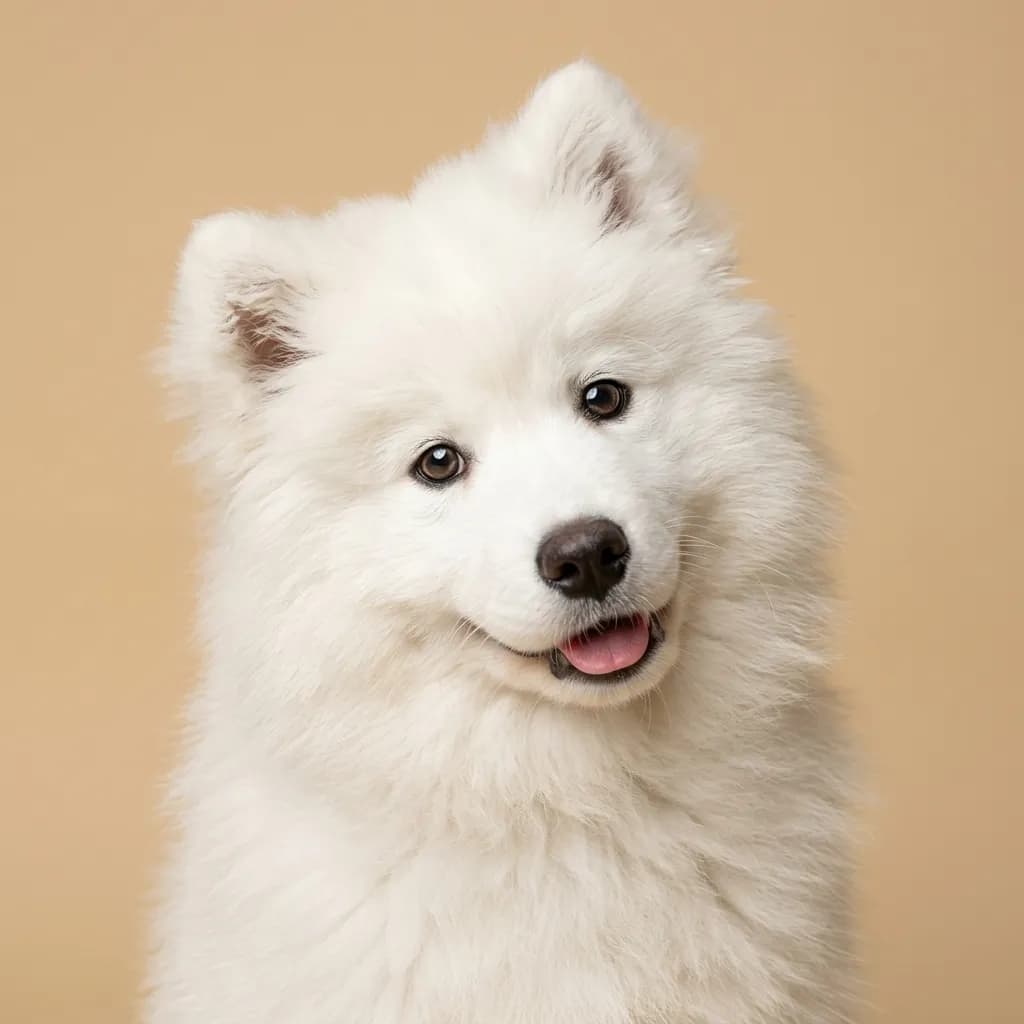
You’re probably comparing an Otterhound and a Samoyed because both look like lovable, shaggy snowmen from a storybook. One’s a rare, rumbling British river beast, the other a smiling Arctic charmer with a coat like fresh powder. But looks deceive. These dogs live entirely different lives. The Otterhound’s built like a draft horse with a mop on top. At 80 to 115 pounds, he’s massive, boisterous, and built for muddy riverbanks, not your patio. He’ll bark at anything that moves, drool on your shoes, and track in water like it’s his job. because it was. He’s affectionate and goofy, yes, but not quite the polished family fixture you might imagine. Kids might overwhelm him; he’s not as naturally patient as the Samoyed, who lives for children and thrives in the middle of family chaos. The Samoyed, meanwhile, is a social butterfly with a full-time grin. Lighter, at 35 to 65 pounds, but way higher maintenance coat-wise. You’ll be brushing weekly, maybe daily in shedding season. But he’ll reward you with unwavering loyalty and a presence that softens any room. He’s bred for closeness. his job was sleeping with humans to keep them warm. That makes him adaptable, even in apartments, as long as you’re out walking daily. Here’s the real difference: the Otterhound is a specialist. He’s happiest when he’s swimming, tracking, or barking at distant ducks. He won’t come back when called, and that’s not disobedience. it’s instinct. The Samoyed wants to please, learns fast, and excels in dog sports. But he barks just as much, often just to say hello. Pick the Otterhound if you’re rural, active, and want a rare, rugged companion who’ll swim through winter rivers with you. Choose the Samoyed if you want a social, fluffy heart-stealer who’ll greet every day like it’s a holiday. Just remember. both will steal your heart. One just sheds more on your couch while doing it.
Trait-by-trait
Higher bar = more of that trait. Shedding, barking, drooling, grooming flipped for readability.Where they diverge
Choose the Otterhound if…
- Active families
- Rural settings
- Outdoor and swimming enthusiasts
- You value drooling level — Otterhound scores noticeably higher.
Choose the Samoyed if…
- Active families
- Cold climate households
- Dog sports enthusiasts
- You value good with young children — Samoyed scores higher here.