Otterhound vs Silky Terrier
Side-by-side comparison across all 14 AKC trait ratings, with a clear verdict on which breed fits which kind of household.
Not sure which breed fits your life?
Answer five questions about your home, your schedule, and your tolerance for shedding. We’ll match you to your top three breeds from over 200.
Otterhound vs Silky Terrier
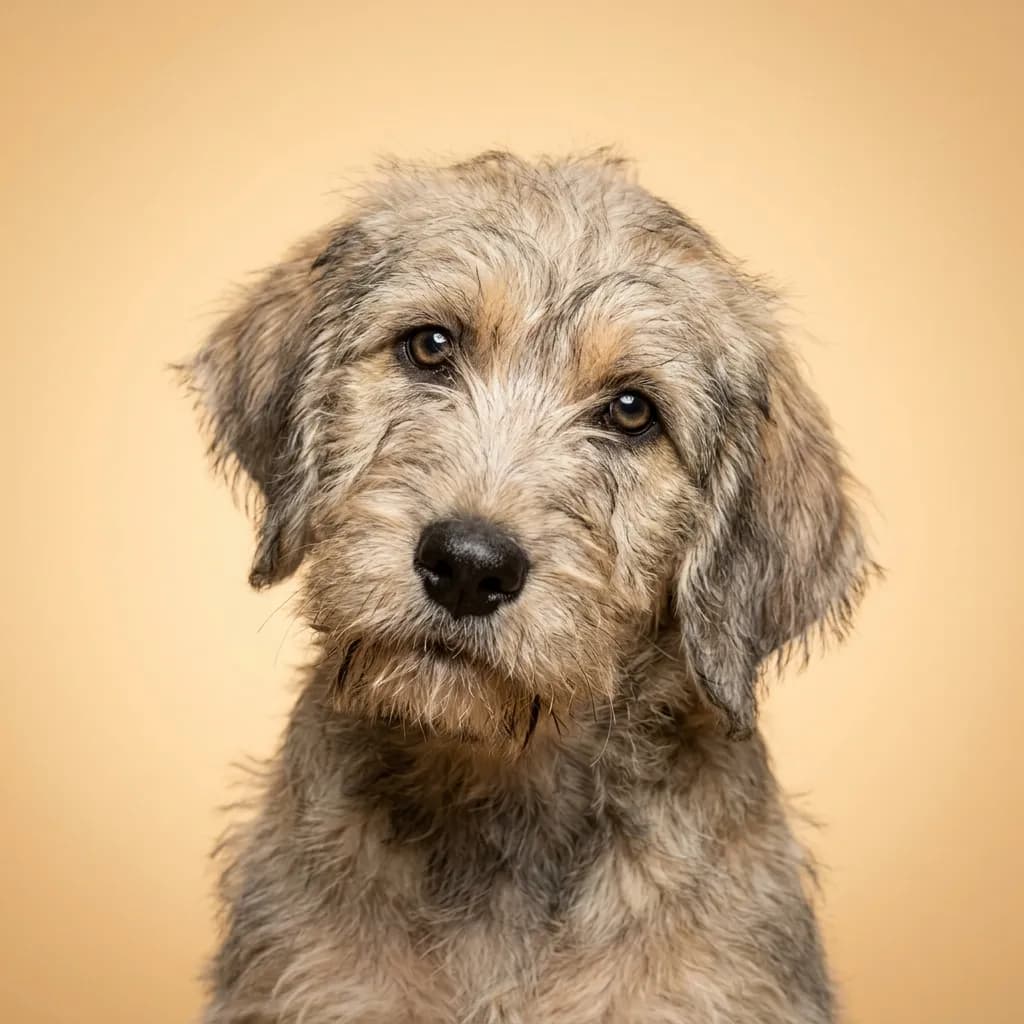
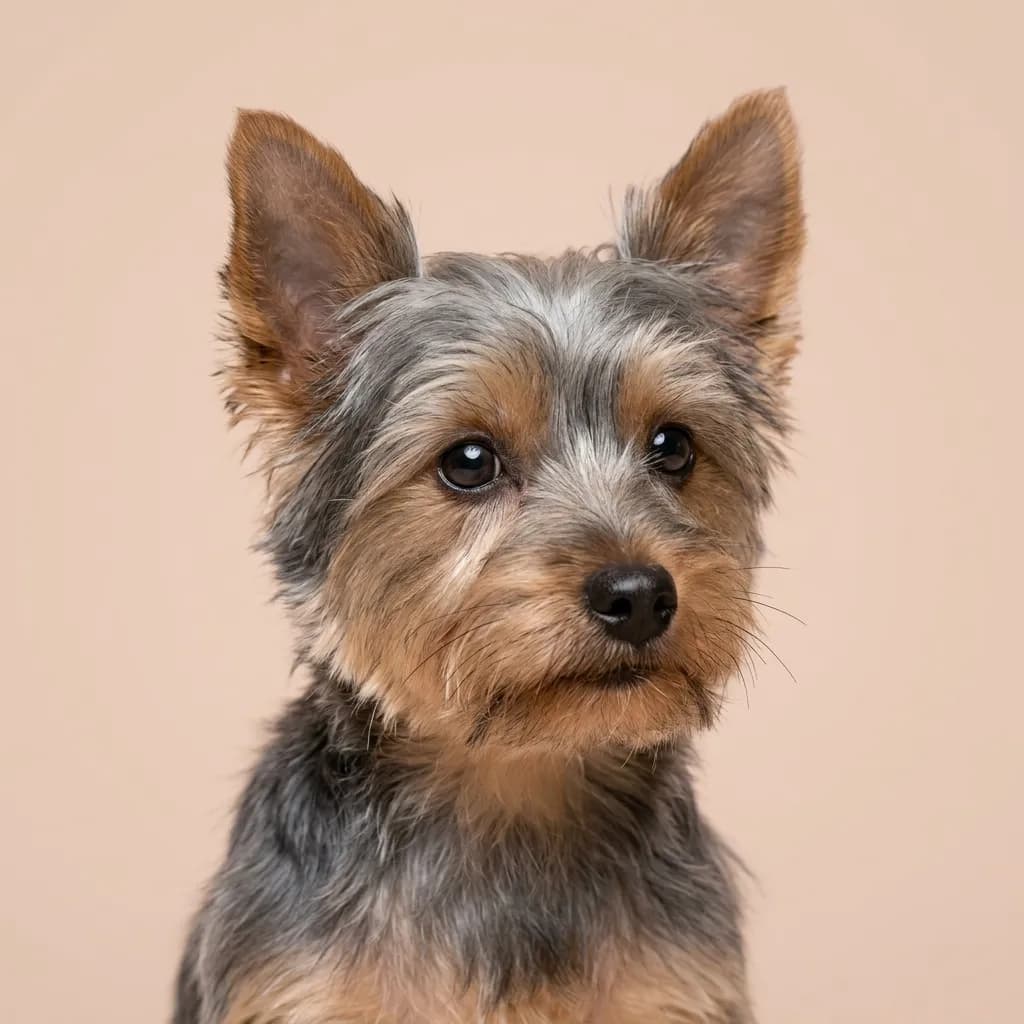
You’re probably not cross-shopping a 110-pound, scruffy otter hunter and a 10-pound, gleaming-legged lap blur. but they both show up when you’re searching for a dog with low shedding, big personality, and that rare combo of affection and independence. That’s where the similarities end. The Otterhound is a relic with a mission: built to splash through rivers, baying loud enough to wake the village, built for cold English streams and owners who don’t mind a dog that smells like wet wellington boots. They’re goofy, deeply social with people, but half the time they’re listening to a squirrel three counties away instead of you. You’ll need space, time, and a tolerance for chaos at 6 a.m. They’re not apartment dogs. They’re not city dogs. They’re team players for rural, active homes who want a live-in adventure buddy with zero off switch. The Silky Terrier? Total opposite energy. This is the dog that fits in a tote bag but won’t act like it. Bred to kill rats in Sydney alleys, they’ve got fire in their veins. They’re alert, quick to bark at the mailman’s shadow, and require daily brushing to keep that coat from turning into a dreadlock situation. But they’re also fiercely loyal, travel well, and thrive in apartments. so long as you walk them daily. They’re not fragile, but they’re not forgiving around tiny pets. And kids? Both breeds are only so-so with little ones, but for different reasons: the Otterhound might knock a toddler over by accident, the Silky might snap if startled. Here’s the real talk: the Otterhound is a project for dog nerds who love the obscure. The Silky is a high-maintenance alarm system with a heart of gold. Pick based on your life, not the coat.
Trait-by-trait
Higher bar = more of that trait. Shedding, barking, drooling, grooming flipped for readability.Where they diverge
Choose the Otterhound if…
- Active families
- Rural settings
- Outdoor and swimming enthusiasts
- You value drooling level — Otterhound scores noticeably higher.
Choose the Silky Terrier if…
- Apartment living
- Active owners despite small size
- Those wanting a long-coated but manageable breed
- You value watchdog / protective — Silky Terrier scores higher here.