Papillon vs Pudelpointer
Side-by-side comparison across all 14 AKC trait ratings, with a clear verdict on which breed fits which kind of household.
Not sure which breed fits your life?
Answer five questions about your home, your schedule, and your tolerance for shedding. We’ll match you to your top three breeds from over 200.
Papillon vs Pudelpointer
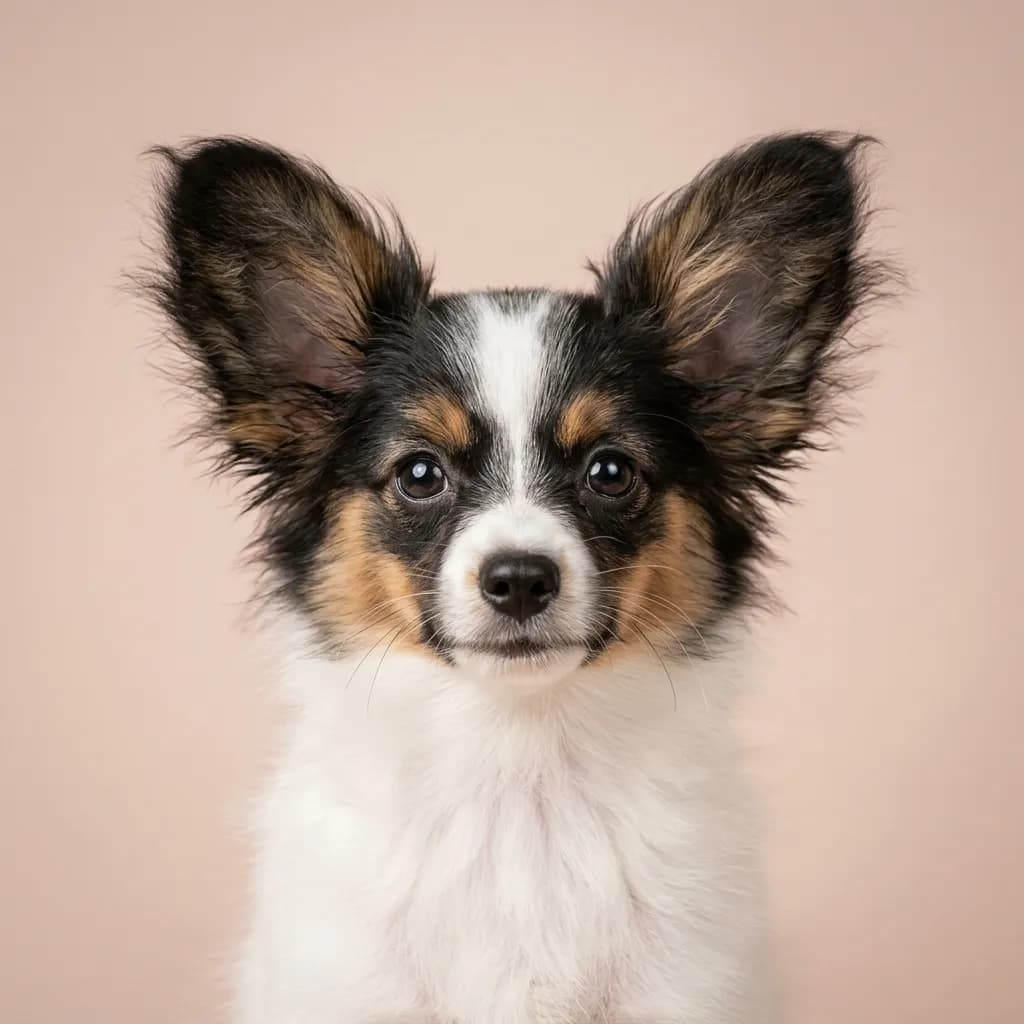
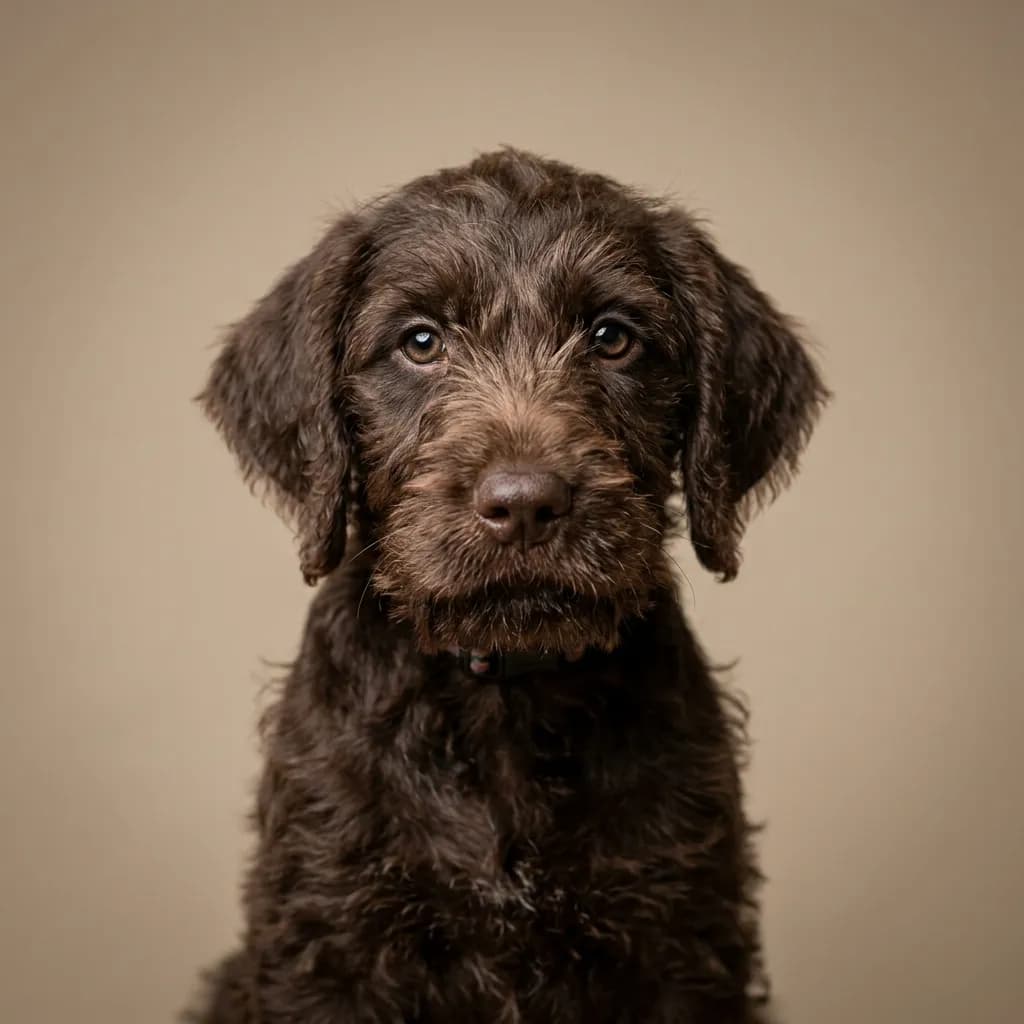
You’re probably not comparing a Papillon and a Pudelpointer because you’re deciding between them for the same home. You’re comparing them because you’re trying to pin down what kind of dog fits your life. and these two represent opposite ends of the spectrum. One was born in a royal lap, the other in a duck blind. The Papillon is a tiny tornado of joy. At under 10 pounds, it’s light enough to carry in one arm, but don’t mistake its size for fragility. This dog is sharp, fearless, and loud. It thrives on attention and mental puzzles, and it will outwork most dogs half its age in agility class. It’s great with older kids who know how to handle it, but no, it’s not the dog for a house full of toddlers who might step on it or yank its ears. The Pudelpointer? That’s a 60-pound hunting machine built for endurance. Calm indoors but unstoppable in the field, it lives for tracking birds, swimming through cold water, and working alongside its person. It’s not hyper, but it needs serious physical and mental work. daily. Without it, you’ll have a bored, possibly destructive dog on your hands. Here’s the real insight: both breeds are highly intelligent and trainable, but their energy is channeled completely differently. The Papillon’s brilliance is social and performative. think tricks, games, and connection. The Pudelpointer’s intelligence is utilitarian, built for problem-solving in real terrain. You don’t “play” at hunting with a Pudelpointer. You do it. Pick the Papillon if you want a constant, chatty companion who fits in your bag and dominates agility rings. Pick the Pudelpointer if you hunt, hike 10 miles a day, or have acres and a purpose. One is a jewel. The other is a tool. Both are brilliant. if used right.
Trait-by-trait
Higher bar = more of that trait. Shedding, barking, drooling, grooming flipped for readability.Where they diverge
Choose the Papillon if…
- Apartment living
- Active owners
- Families with older children
- You value good with young children — Papillon scores noticeably higher.
Choose the Pudelpointer if…
- hunters
- very active owners
- waterfowl and upland bird hunters
- You value drooling level — Pudelpointer scores higher here.