Papillon vs Scottish Terrier
Side-by-side comparison across all 14 AKC trait ratings, with a clear verdict on which breed fits which kind of household.

Not sure which breed fits your life?
Answer five questions about your home, your schedule, and your tolerance for shedding. We’ll match you to your top three breeds from over 200.
Papillon vs Scottish Terrier
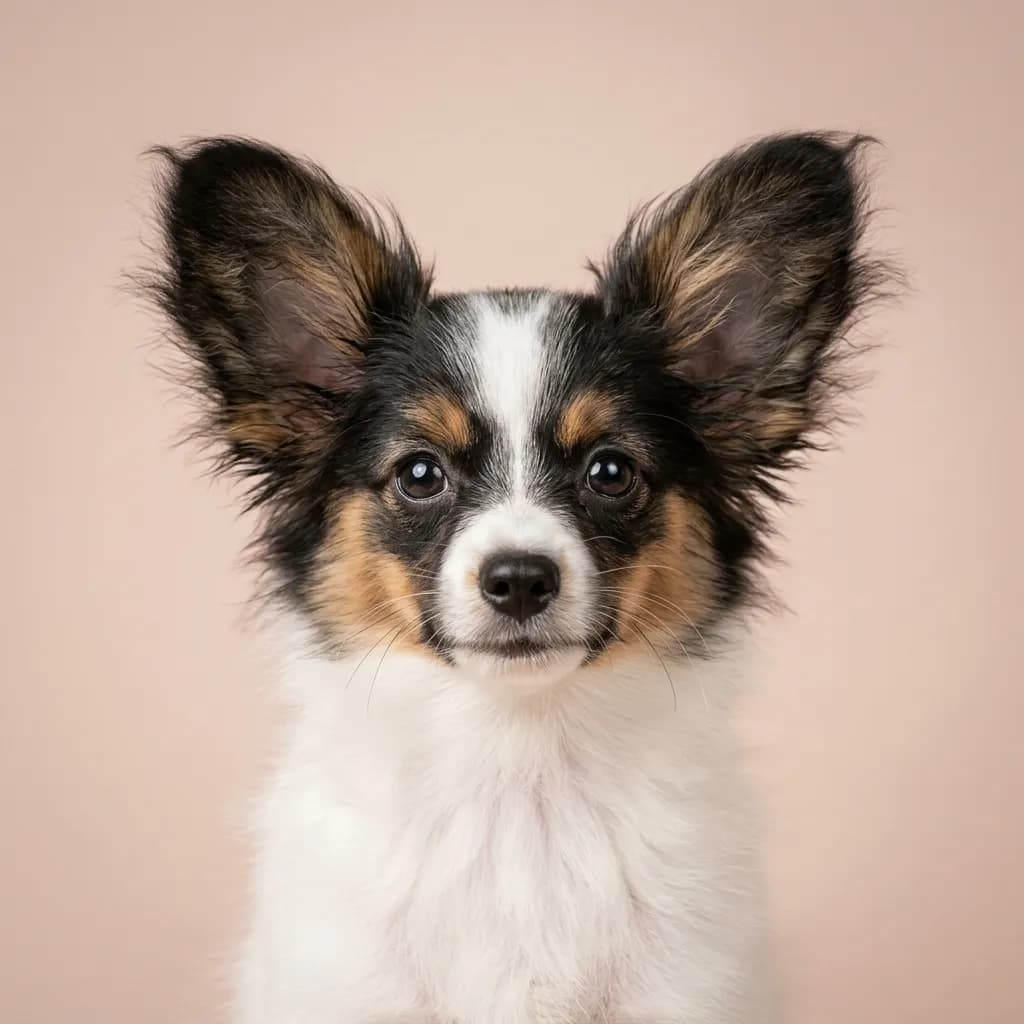
People compare Papillons and Scottish Terriers because they’re both small, long-lived dogs that fit in apartments and carry themselves like tiny royalty. But that’s where the similarity ends. If a Papillon is a spark plug of joy, the Scottish Terrier is more like a seasoned old professor who’s seen it all. equally affectionate in their own way, but worlds apart in energy and expectation. The Papillon thrives on interaction. You’ll find them learning tricks by lunch, competing in agility by weekend, and singing along to the doorbell every single time. They’re brilliant, eager, and demand engagement. If you’ve got time for training games, dog sports, or just a cheerful shadow who follows you room to room, they’re magic. But they won’t forgive loneliness or inactivity. And yes, they’re fragile. better for homes with teens or adults, not toddlers who might accidentally squeeze too hard. The Scottie, meanwhile, is sturdy and self-contained. They’ll cozy up on the couch with you after a solo garden patrol, but don’t expect them to obey every command with a wag. They’re wired to think for themselves. bred to work independently in rugged terrain. That independence means they’re less eager to please, harder to train, and more likely to chase your cat if given the chance. But they’re loyal in a quiet, steadfast way. They’re the choice when you want a dignified, low-shedding companion who’s content with routine and doesn’t need constant entertainment. Here’s the real insight: the Papillon needs a job and a plan. The Scottish Terrier needs respect for their stubborn streak. Pick based on who you are. not just who you want to live with.
Trait-by-trait
Higher bar = more of that trait. Shedding, barking, drooling, grooming flipped for readability.Where they diverge
Choose the Papillon if…
- Apartment living
- Active owners
- Families with older children
- You value good with young children — Papillon scores noticeably higher.
Choose the Scottish Terrier if…
- Apartment living
- Independent owners
- Those wanting a distinctive, classic breed
- You value coat grooming — Scottish Terrier scores higher here.