Papillon vs Siberian Husky
Side-by-side comparison across all 14 AKC trait ratings, with a clear verdict on which breed fits which kind of household.
Not sure which breed fits your life?
Answer five questions about your home, your schedule, and your tolerance for shedding. We’ll match you to your top three breeds from over 200.
Papillon vs Siberian Husky
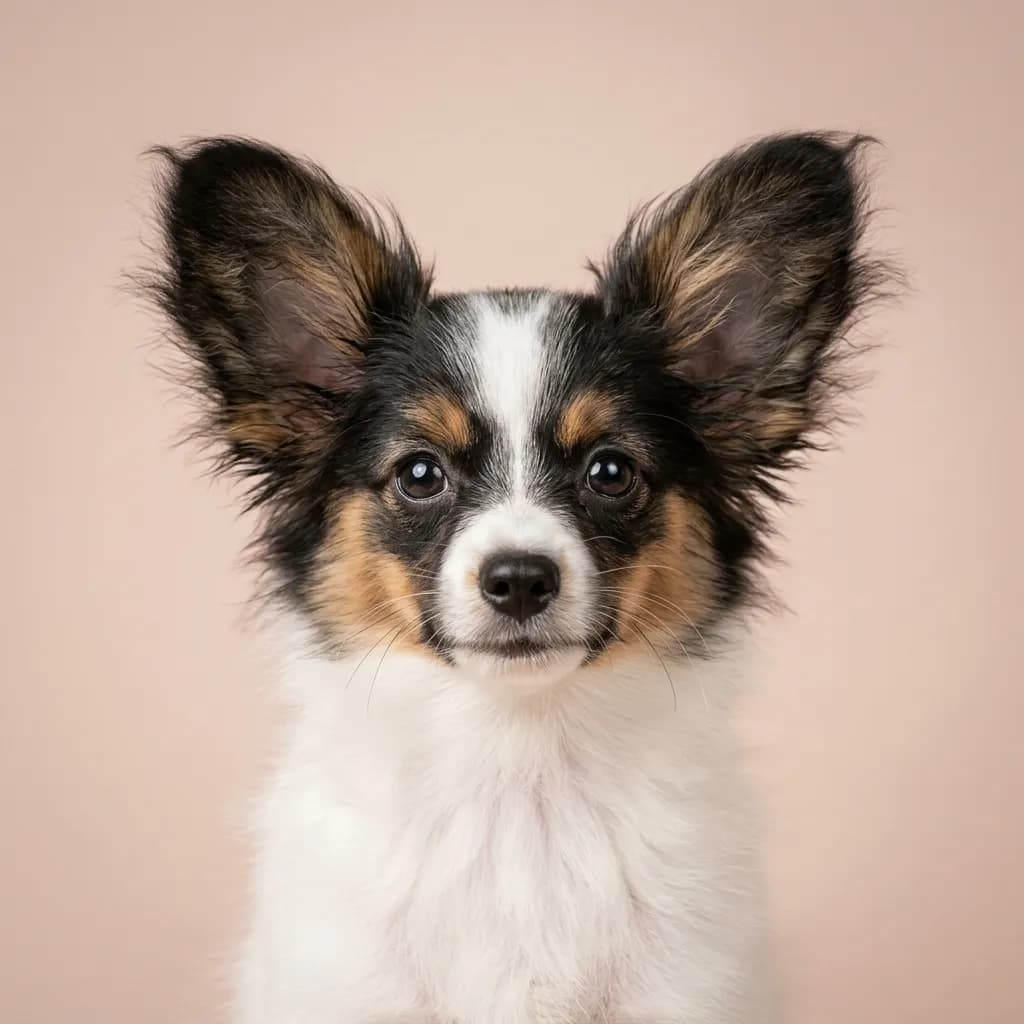
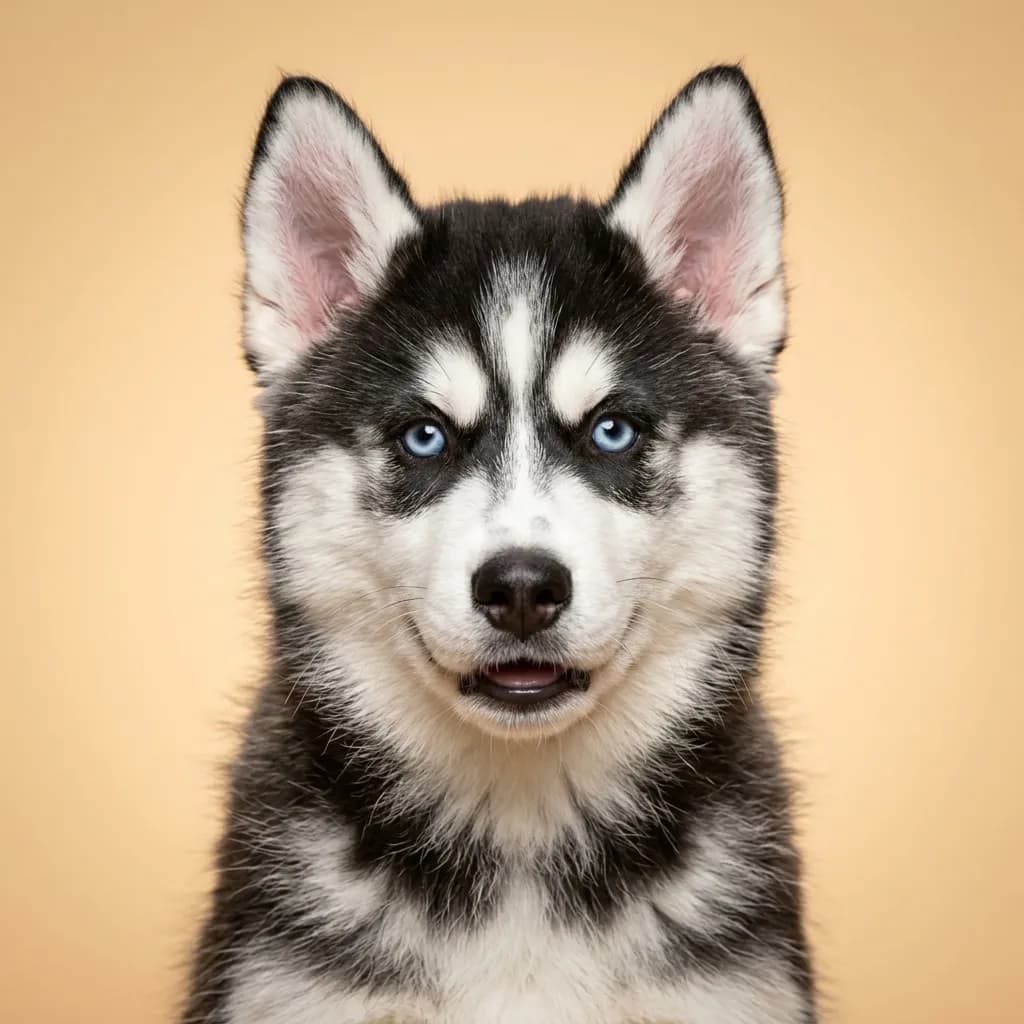
People don’t usually compare a Papillon and a Siberian Husky the way they might weigh a Labrador against a Golden Retriever. But I get why it happens. both are happy, friendly dogs that adore their people and have those bright, intelligent eyes that seem to read your soul. The thing is, they’re about as alike as a sports car and a snowplow. If you’re picturing curling up on the couch with a dog that fits in your lap and learns a new trick in five minutes, the Papillon is your dog. They’re tiny, yes. under 10 pounds. but don’t let that fool you. This is a dog that lives at full throttle mentally. They were bred for companionship in royal courts, and they act like they still expect a crown. They’re alert to everything, which means they bark at everything. You’ll love it if you want engagement, but forget peace and quiet. Now, the Husky? That 50-pound dog with the wolfish grin and the wanderlust? They’re loyal and affectionate, but independence is baked into their DNA. They were built to pull sleds across frozen tundra with minimal guidance. That means they’re harder to train, not because they’re dumb. they’re brilliant. but because they’ve got opinions. And if you live somewhere warm or hate vacuuming fur, you’ll regret this choice fast. They shed like it’s their job. The real insight no one talks about? Both breeds are escape artists. The Papillon will slip through an open door like smoke. The Husky will jump a six-foot fence if a squirrel looks at them funny. If you want either, you need secure fencing and constant mental work. But pick the Papillon if you want portable, high-octane companionship. Pick the Husky if you’ve got space, stamina, and snow.
Trait-by-trait
Higher bar = more of that trait. Shedding, barking, drooling, grooming flipped for readability.Where they diverge
Choose the Papillon if…
- Apartment living
- Active owners
- Families with older children
- You value watchdog / protective — Papillon scores noticeably higher.
Choose the Siberian Husky if…
- Active owners who exercise daily
- Cold climate households
- Families with children
- You value good with other dogs — Siberian Husky scores higher here.