Papillon vs Swedish Vallhund
Side-by-side comparison across all 14 AKC trait ratings, with a clear verdict on which breed fits which kind of household.
Not sure which breed fits your life?
Answer five questions about your home, your schedule, and your tolerance for shedding. We’ll match you to your top three breeds from over 200.
Papillon vs Swedish Vallhund
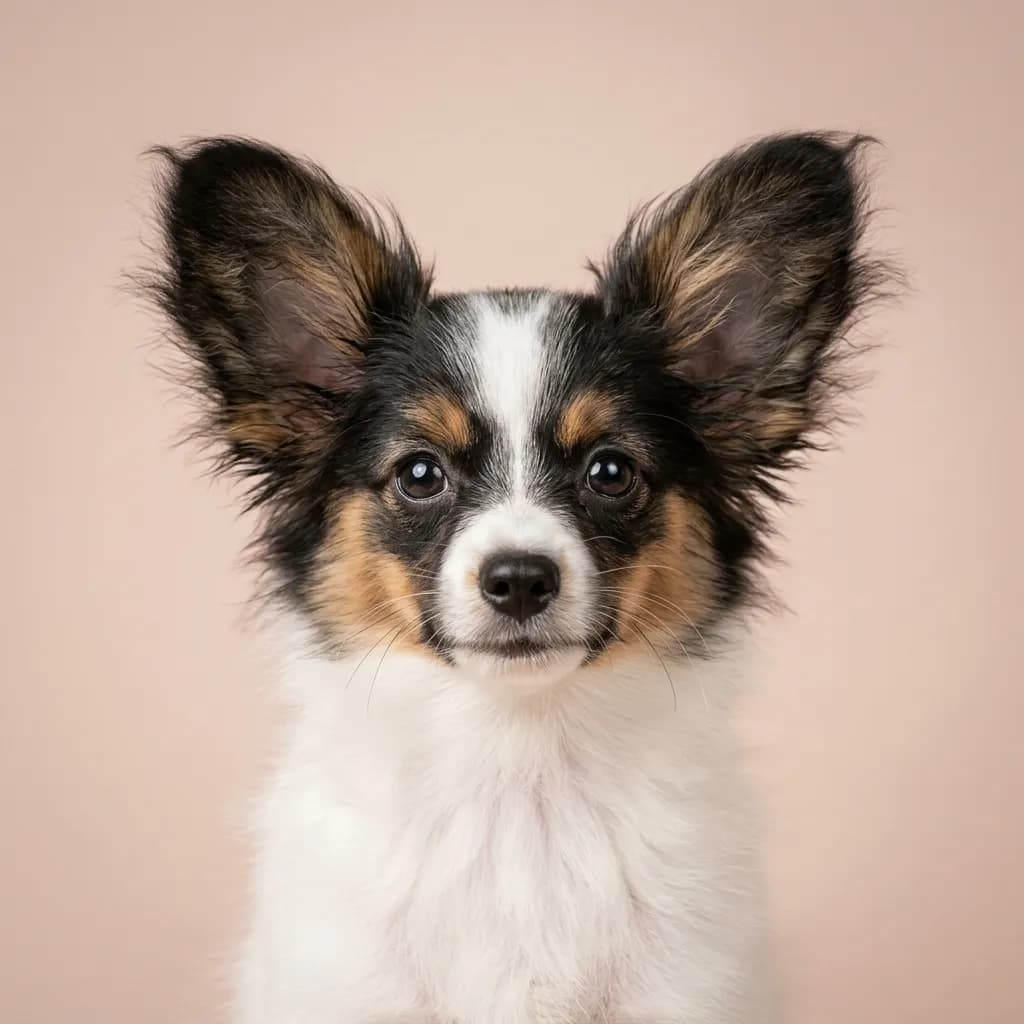
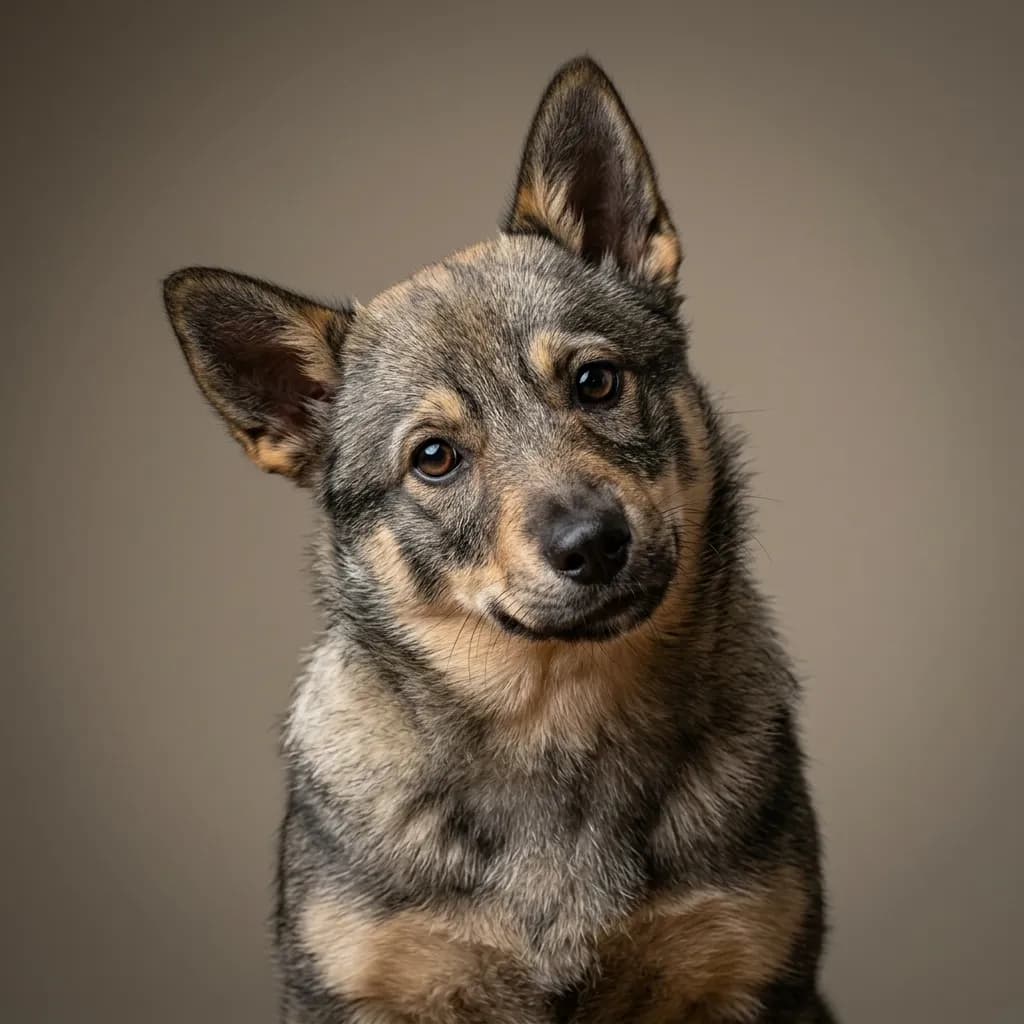
People compare Papillons and Swedish Vallhunds because both are small, energetic, and look deceptively delicate. until they start moving. One’s a court jester in fur, the other a Viking in disguise. But that’s where the similarities end. The Papillon is built for brilliance. At just 8 inches tall and under 10 pounds, this dog lives to learn, perform, and attach itself to your hip. It’s a firecracker of focus, topping the charts in trainability and mental stimulation needs. If you're into agility or just love teaching tricks, it's a dream. But don’t expect quiet. this breed barks with purpose and opinion. And while it’s great with older kids, its tiny frame won’t survive toddler stomps. It’s not a lap dog that naps all day; it's a pocket-sized dynamo that wants to do. The Swedish Vallhund, meanwhile, is a stocky little herder weighing up to 35 pounds, with a low-slung body and a tail that’s often naturally bobbed. Bred to move cattle, it’s got grit under that cute exterior. It’s still affectionate and good with kids, but it carries a watchful edge. more situational barker, less alarm system. It sheds more and needs a yard where it can burn energy in bursts. It adapts well but needs structure. Here’s the real difference: the Papillon thrives on your world. The Vallhund wants to work in it. One will follow your every move like a furry shadow; the other will try to herd your grocery bags. Pick the Papillon if you want a responsive, portable genius who lives for connection. Choose the Vallhund if you want a sturdy, spirited partner with a touch of independence and a lot of heritage. And don’t be fooled by size. neither is truly “small” in personality.
Trait-by-trait
Higher bar = more of that trait. Shedding, barking, drooling, grooming flipped for readability.Where they diverge
Choose the Papillon if…
- Apartment living
- Active owners
- Families with older children
- You value good with strangers — Papillon scores noticeably higher.
Choose the Swedish Vallhund if…
- Active families
- Dog sports enthusiasts
- First-time dog owners willing to train
- You value shedding level — Swedish Vallhund scores higher here.