Pekingese vs Scottish Deerhound
Side-by-side comparison across all 14 AKC trait ratings, with a clear verdict on which breed fits which kind of household.
Not sure which breed fits your life?
Answer five questions about your home, your schedule, and your tolerance for shedding. We’ll match you to your top three breeds from over 200.
Pekingese vs Scottish Deerhound
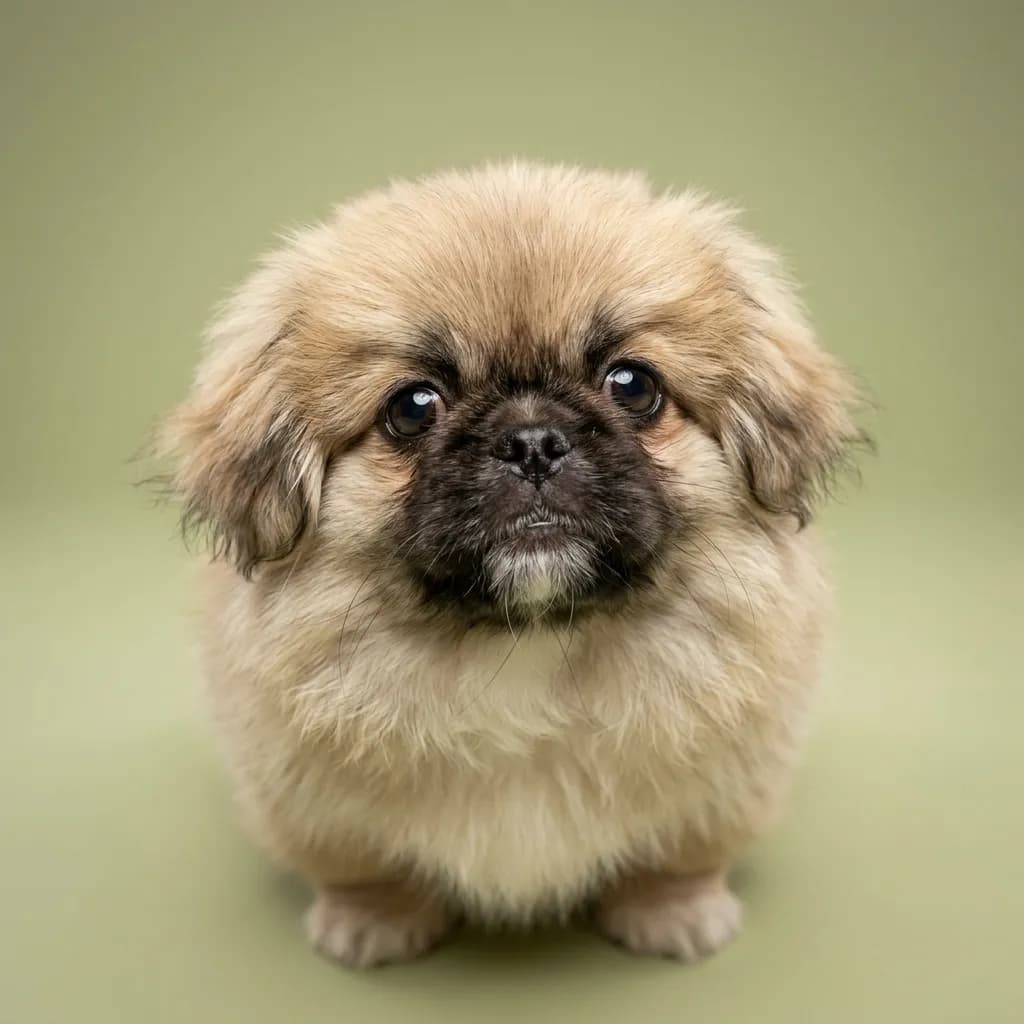
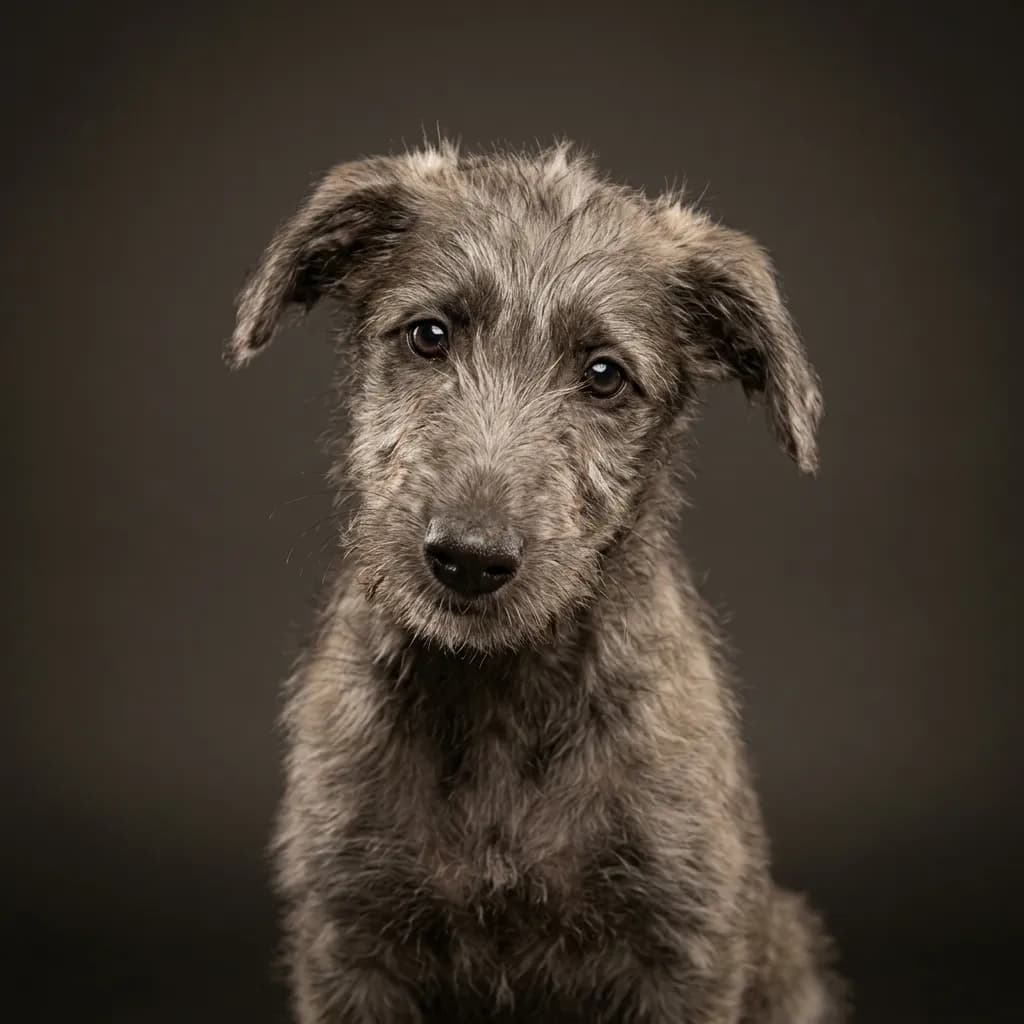
You’re not actually comparing these two breeds unless you’re deep in the weeds of dog obsession, because on paper they couldn’t be more different. One was carried like jewelry in the sleeves of Chinese emperors; the other once took down red deer across misty Scottish moors. But here’s why they come up together: both are regal, quietly dignified, and surprisingly low-energy for what they are. People drawn to noble bearing and soft loyalty might flirt with both. until reality sets in. The Pekingese is a compact, flat-faced companion built for lap lounging and air-conditioned apartments. You’ll pay more for one than you might expect, and you’ll spend years managing those delicate health quirks. eyes, spine, breathing. They’re not great with kids who don’t know how to be gentle, but they’ll adore a retired couple or a homebody who values a silent, velvety shadow. The Scottish Deerhound? Picture a shaggy, 100-pound greyhound with the soul of a monk. They need space. not just physically, but emotionally. You can’t chain them up or leave them bored. They’re gentle with kids but can knock them over by accident. And yes, you’ll likely say goodbye by age 11, which hurts like hell when you’ve grown that attached. The real difference isn’t size or origin. It’s time. The Pekingese asks for patience with health; the Deerhound asks for it with farewell. If you want a dog that fits in a tote bag and outlives most breeds, go Pekingese. If you want a brief, breathtaking love affair with a gentle giant who transforms your daily life into long country walks and quiet awe, choose the Deerhound. Just know. either way, you’re signing up for devotion that feels ancient.
Trait-by-trait
Higher bar = more of that trait. Shedding, barking, drooling, grooming flipped for readability.Where they diverge
Choose the Pekingese if…
- Apartment living
- Seniors
- Singles or couples
- You value coat grooming — Pekingese scores noticeably higher.
Choose the Scottish Deerhound if…
- Active owners with spacious homes
- Those wanting a gentle giant
- Experienced sighthound owners
- You value good with other dogs — Scottish Deerhound scores higher here.