Pekingese vs Siberian Husky
Side-by-side comparison across all 14 AKC trait ratings, with a clear verdict on which breed fits which kind of household.
Not sure which breed fits your life?
Answer five questions about your home, your schedule, and your tolerance for shedding. We’ll match you to your top three breeds from over 200.
Pekingese vs Siberian Husky
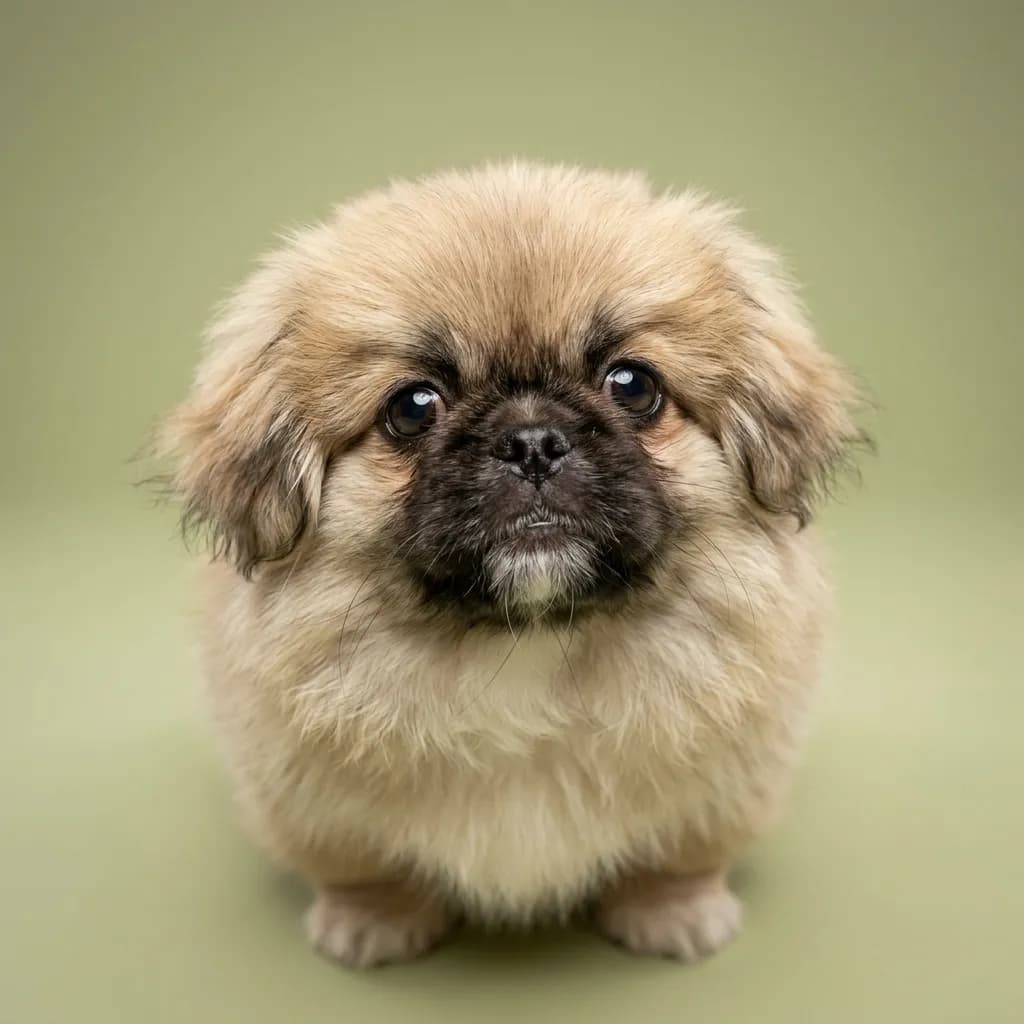
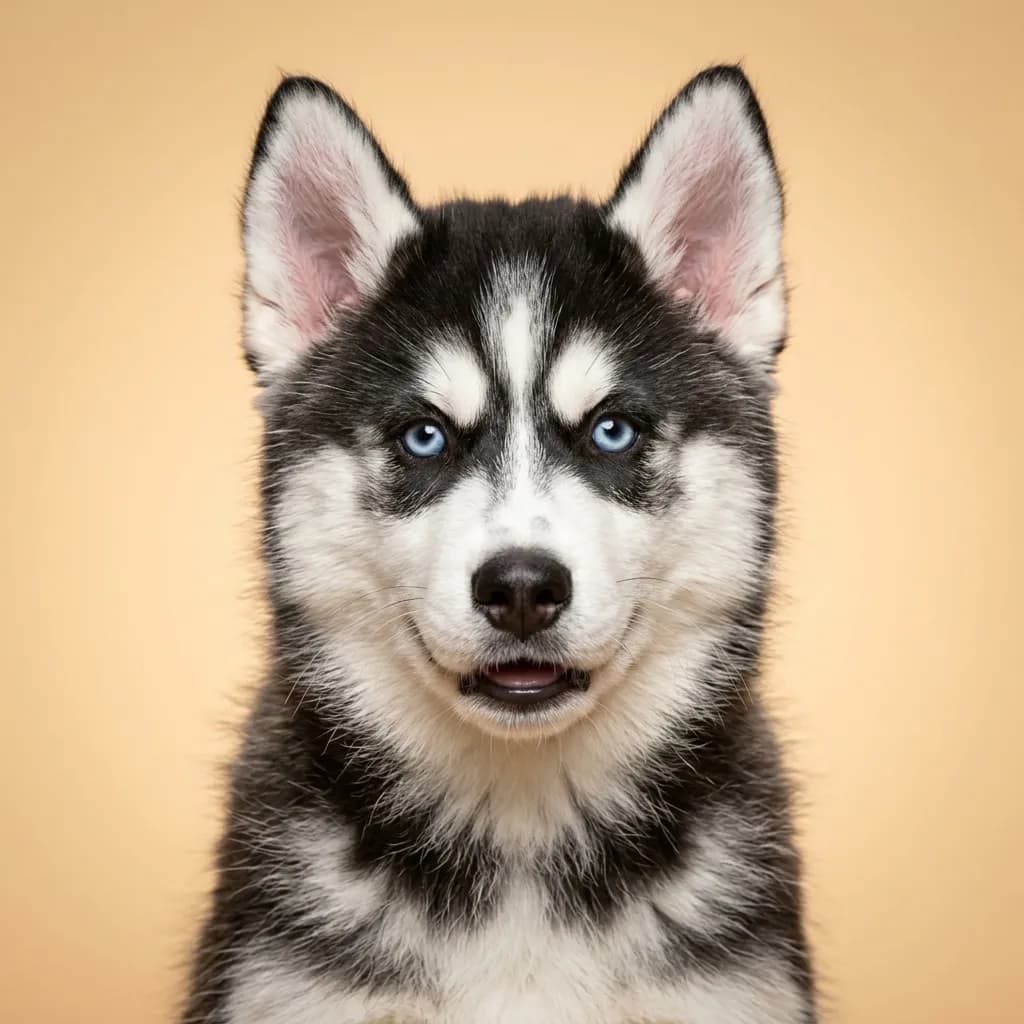
People compare Pekingese and Siberian Huskies because both are loyal and affectionate in their own ways, but that’s where the similarities end. You’re not just choosing between big and small, you’re choosing between a regal lap monarch and a four-legged Arctic tornado. A Pekingese is the dog for someone who wants a constant, quiet companion. They’ll curl up on your lap for hours, tolerate your Netflix binges, and give you dignified side-eye if you dare suggest a second walk. Their flat faces mean they overheat easily, so they’re not hiking buddies. And while they’re sweet with respectful adults and seniors, their fragility makes them poor matches for rambunctious kids. You’ll spend less on food and more on vet visits related to breathing or spinal issues. They’re not stubborn because they’re dumb. they’re stubborn because they were bred to judge emperors, not obey them. The Siberian Husky? They were born to run. literally. These dogs need miles, not meters. A fenced yard is non-negotiable, and even then, they’ll test it. Their double coat sheds like a blizzard in spring, and forget about keeping them cool in summer. But if you’re a runner, live in a cold climate, or have a family that plays hard, they’re golden. They’re goofy, gentle with kids, and pack-oriented in the best way. Just don’t expect perfect obedience; they’re smart enough to outwit you but not always interested in complying. Here’s the real insight: the Pekingese wants to be your shadow. The Husky wants to be your teammate. One needs your attention. The other needs your adventure. Pick based on the life you actually live, not the one you imagine.
Trait-by-trait
Higher bar = more of that trait. Shedding, barking, drooling, grooming flipped for readability.Where they diverge
Choose the Pekingese if…
- Apartment living
- Seniors
- Singles or couples
- You value watchdog / protective — Pekingese scores noticeably higher.
Choose the Siberian Husky if…
- Active owners who exercise daily
- Cold climate households
- Families with children
- You value barking level — Siberian Husky scores higher here.