Pembroke Welsh Corgi vs Russian Toy
Side-by-side comparison across all 14 AKC trait ratings, with a clear verdict on which breed fits which kind of household.

Not sure which breed fits your life?
Answer five questions about your home, your schedule, and your tolerance for shedding. We’ll match you to your top three breeds from over 200.
Pembroke Welsh Corgi vs Russian Toy
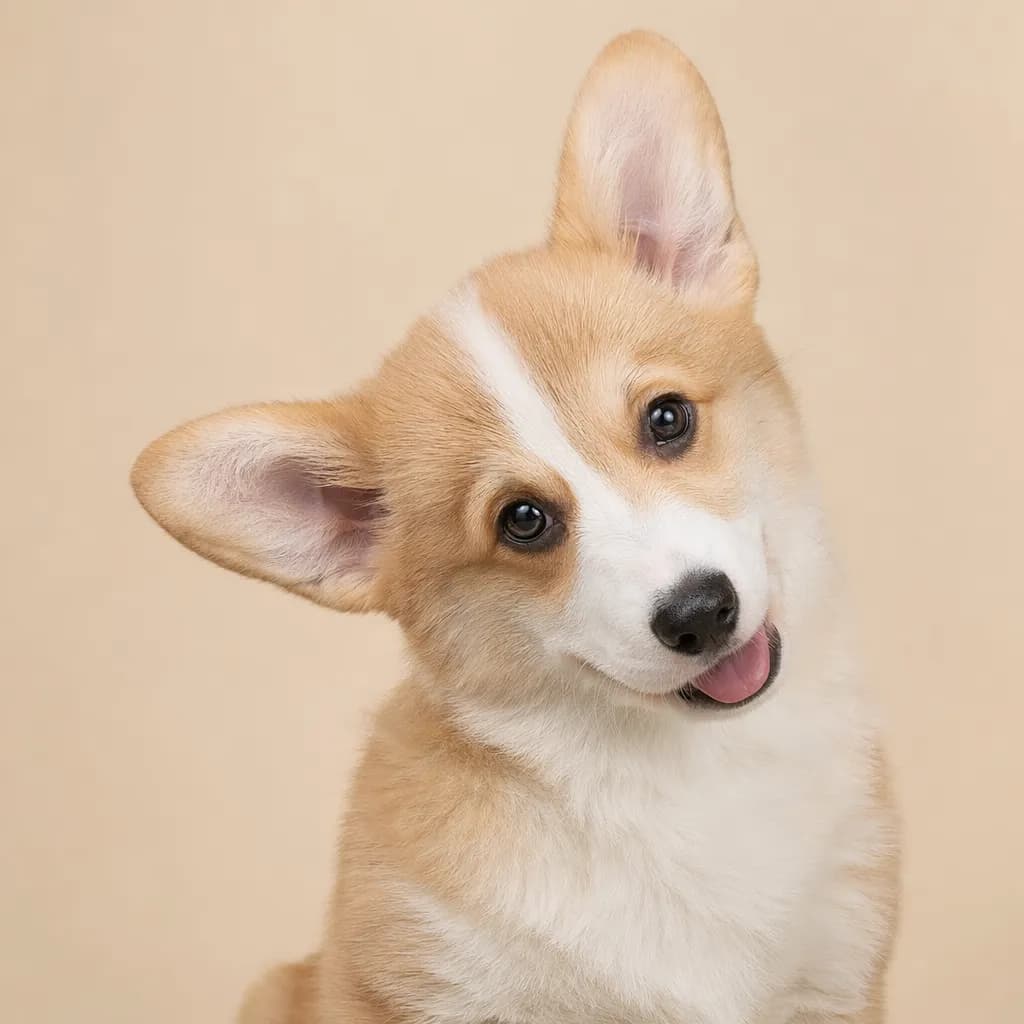
You’re probably comparing these two because they’re both small, big-eared, and look like they belong in a fairy tale. But beneath the charm, they’re wildly different dogs with completely different rhythms. Think of the Pembroke Welsh Corgi as your energetic neighbor who runs a side hustle, always herding the kids into line and barking at the mailman with purpose. The Russian Toy is more like that elegant friend who sips tea at brunch, quietly observant, deeply attached, but not interested in chaos. The Corgi is nearly five times heavier than the Russian Toy, solid and low to the ground, bred to work all day in pastures. That means energy, intelligence, and a need for mental challenges. You’ll need to train, exercise, and manage the shedding. this dog blows its coat like a seasonal event. They’re affectionate but can herd your kids if you’re not careful. Great for active homes, even apartments, as long as you’re committed to structure. The Russian Toy, at barely over six pounds, is fragile. It’s not built for rough play or outdoor adventures. This dog thrives on closeness. It’s loyal to one or two people, barks at noise, and doesn’t need much beyond a daily walk and cuddle time. But leave it alone too long and it’ll spiral into anxiety. Here’s the real talk: people choose Corgis for their personality and humor, but often underestimate how much dog is packed into that tiny body. Russian Toys look delicate, but emotionally, they’re high maintenance. They don’t want to be your dog. they want to be yours. If you want a shadow, not a sidekick, the Toy might steal your heart. If you want a bold, busy partner in crime, go Corgi.
Trait-by-trait
Higher bar = more of that trait. Shedding, barking, drooling, grooming flipped for readability.Where they diverge
Choose the Pembroke Welsh Corgi if…
- Active families
- Apartment or small home living with exercise
- Dog sport enthusiasts
- You value good with other dogs — Pembroke Welsh Corgi scores noticeably higher.
Choose the Russian Toy if…
- Apartment living
- Seniors
- Owners wanting a devoted companion