Peruvian Inca Orchid vs Working Kelpie
Side-by-side comparison across all 14 AKC trait ratings, with a clear verdict on which breed fits which kind of household.
Not sure which breed fits your life?
Answer five questions about your home, your schedule, and your tolerance for shedding. We’ll match you to your top three breeds from over 200.
Peruvian Inca Orchid vs Working Kelpie
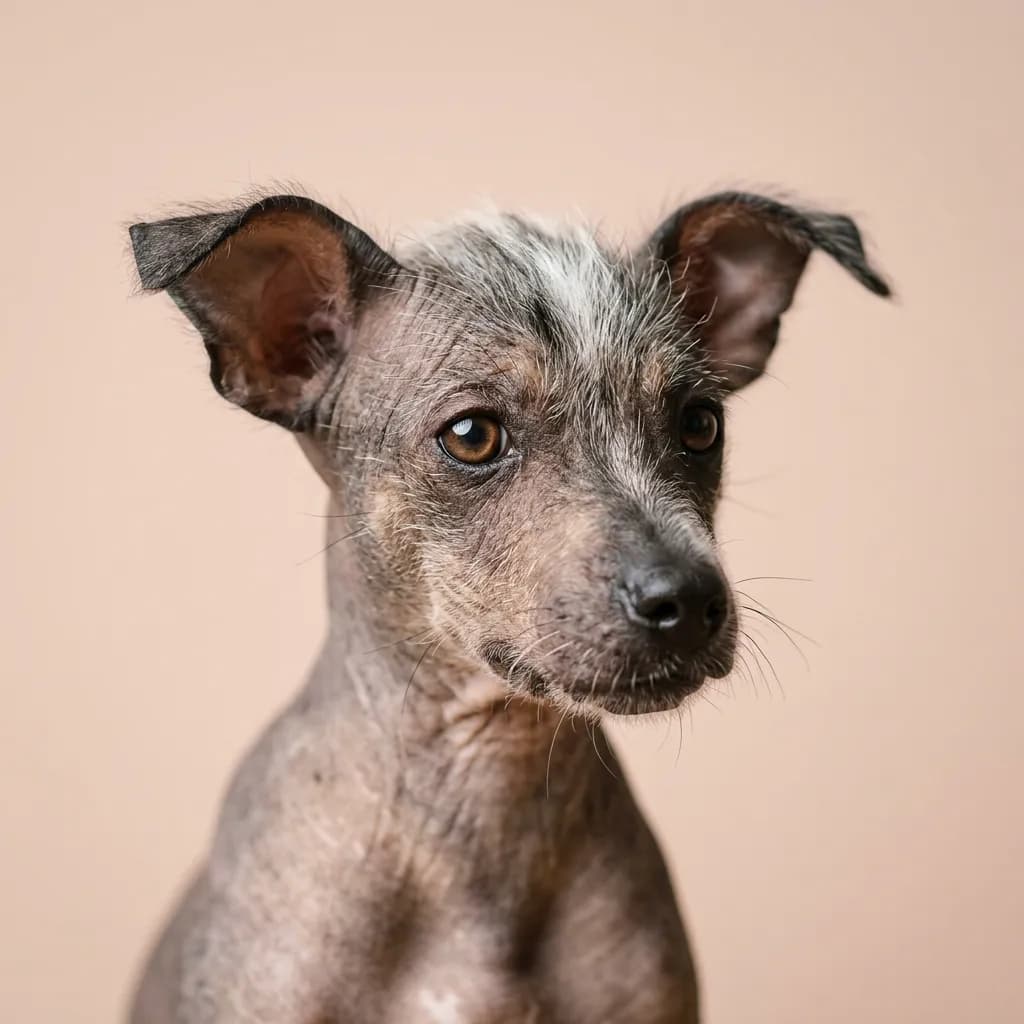
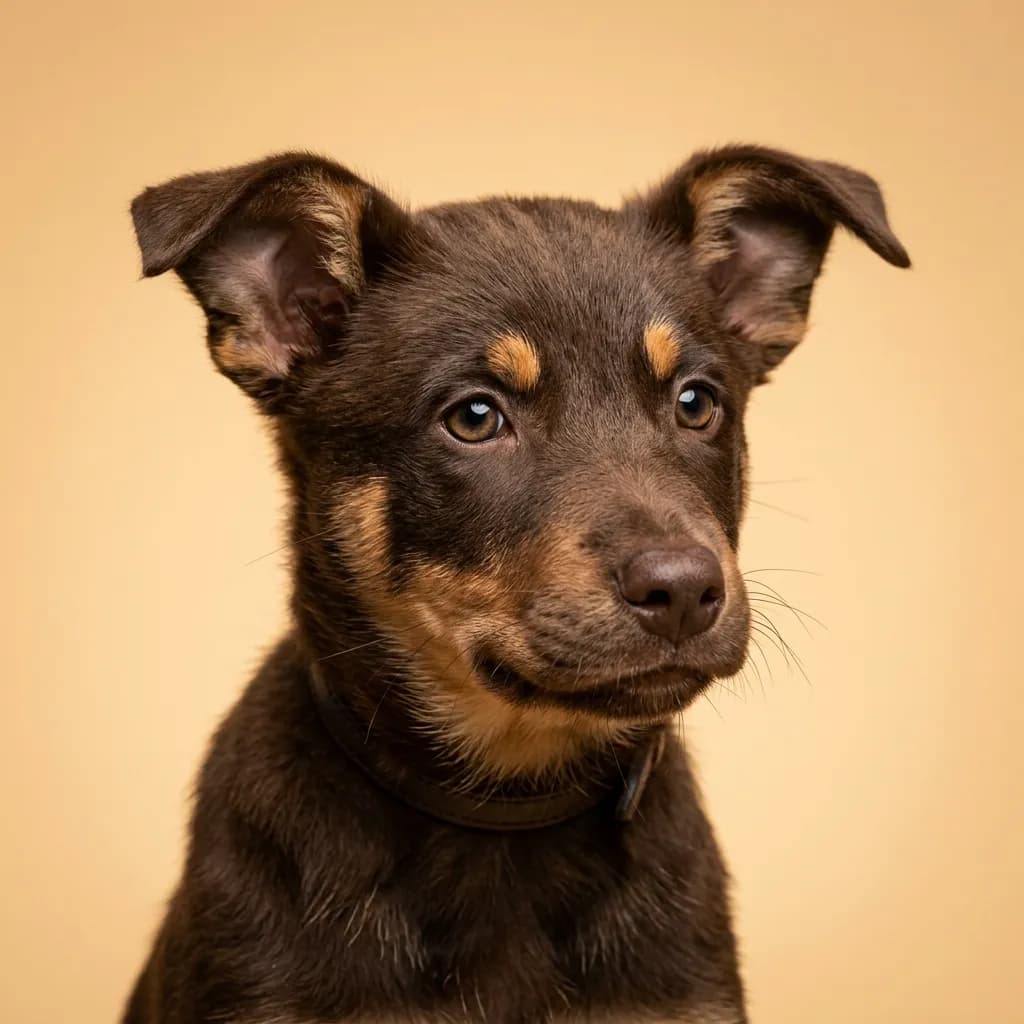
You probably wouldn’t cross these two breeds in real life unless you’re deep into rare or working dogs, but they both show up when people want something off the beaten path that still means something. The Peruvian Inca Orchid and Working Kelpie couldn’t be more different once you get past the surface exoticism. One is a quiet, ancient companion wrapped in warm skin; the other is a coiled spring built for 12-hour days on a station. The Inca Orchid feels like a secret. hairless, elegant, deeply bonded to one or two people, and weirdly tough for something that looks so fragile. They’re not barkers, not herders, not workers. They’re watchers, loyal in a quiet way, and you’ll need to bundle them up in winter. They don’t do well with chaos, so families with rambunctious kids often regret it. But if you live in a warmer climate, have some dog experience, and want a dog that curls up like a heated slab of marble on your couch, they’re magical. The Kelpie is the opposite. always on, always ready, built for motion. If you don’t work this dog, you’ll pay for it in chewed shoes, fences tested, and backyard laps at 6 a.m. They’re brilliant with kids they’re raised with, but only because they’ll try to herd them. This dog needs a job. A big yard isn’t enough. You need to do something together. Here’s the truth the breed summaries miss: the Inca Orchid will follow you from room to room just to be near. The Kelpie will wait at the gate, eyes sharp, hoping today’s the day you finally say, “Let’s go work sheep.” Pick based on your life, not your fantasy. One’s a companion. The other’s a coworker.
Trait-by-trait
Higher bar = more of that trait. Shedding, barking, drooling, grooming flipped for readability.Where they diverge
Choose the Peruvian Inca Orchid if…
- Allergy sufferers
- Experienced sighthound owners
- Active owners
- You value affectionate w/ family — Peruvian Inca Orchid scores noticeably higher.
Choose the Working Kelpie if…
- Farmers and ranchers
- Experienced dog owners
- Active rural lifestyles
- You value good with young children — Working Kelpie scores higher here.