Pomeranian vs Pudelpointer
Side-by-side comparison across all 14 AKC trait ratings, with a clear verdict on which breed fits which kind of household.
Not sure which breed fits your life?
Answer five questions about your home, your schedule, and your tolerance for shedding. We’ll match you to your top three breeds from over 200.
Pomeranian vs Pudelpointer
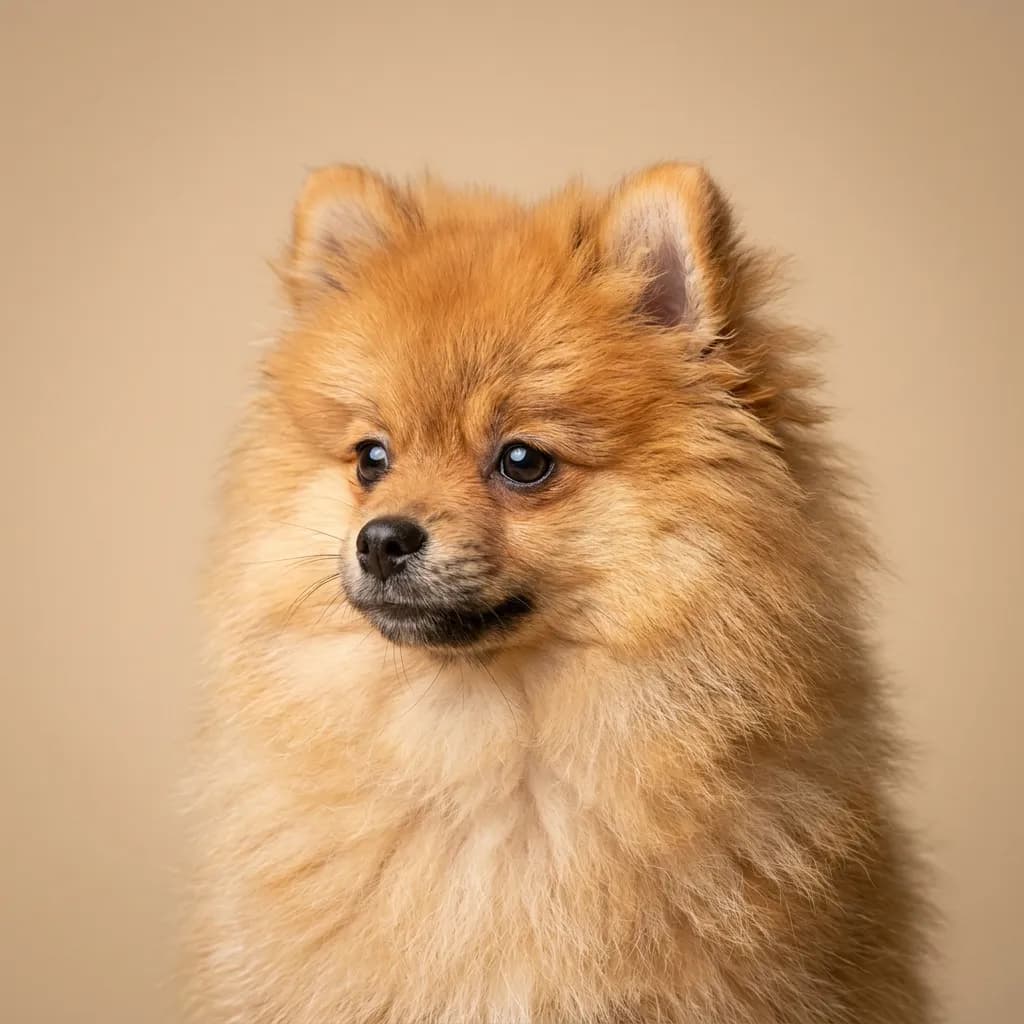
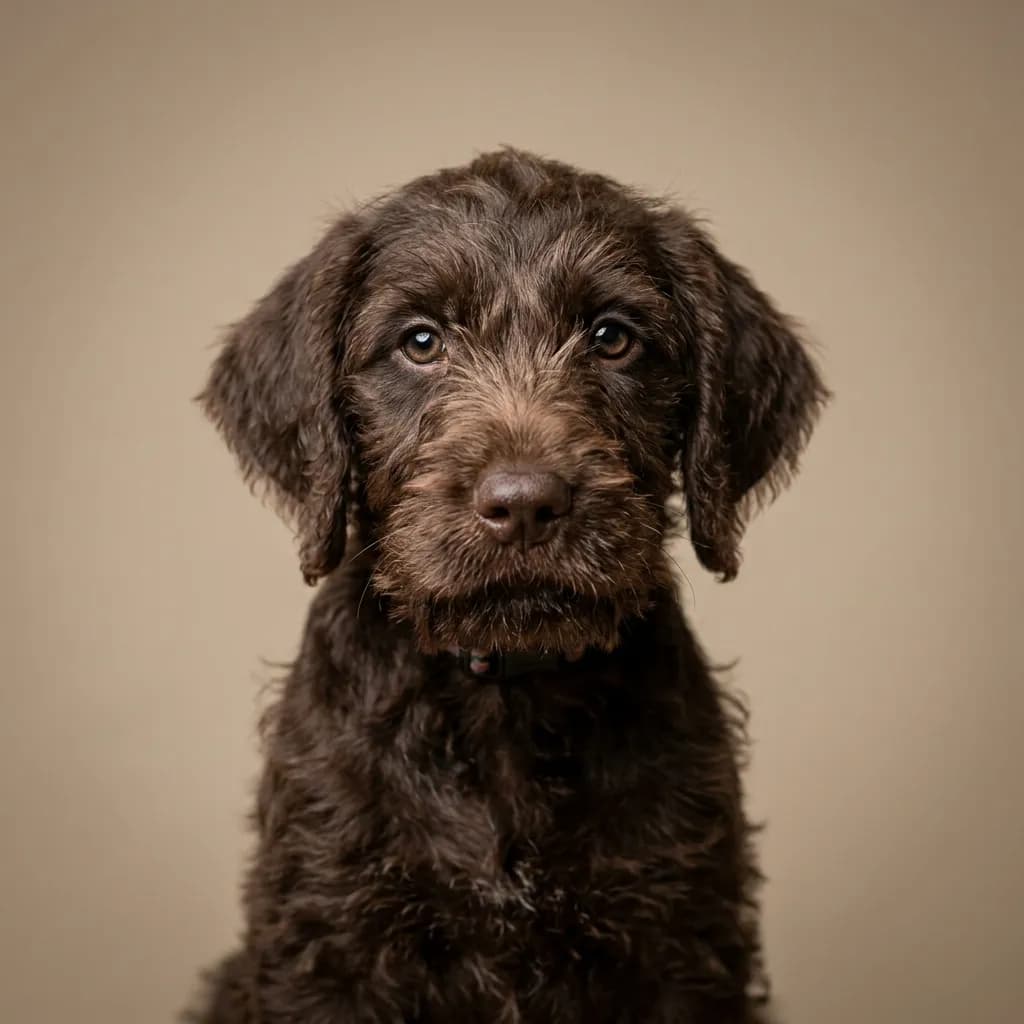
You don’t actually compare a Pomeranian and a Pudelpointer unless you’re starting from a place of confusion. like mistaking a lapdog for a lifestyle. But somehow, people do, probably because both have “-er” in the name and German roots. That’s where the similarities end. One fits in a handbag, the other could pull you through a swamp. The Pom is a tiny tornado of personality. At 3 to 7 pounds, it’s built for perching on your shoulder and barking at the mailman like it’s personal. It’s affectionate to a fault, bold beyond its size, and needs just enough mental stimulation to keep from redecorating your couch with teeth. You’ll love it if you live in a condo, want a portable companion, or enjoy a dog that treats every walk like an expedition. But if you’ve got toddlers or crave peace, this isn’t your dog. And yes, that fluffy coat? It sheds less than you’d think, but grooming isn’t optional. Now, the Pudelpointer. 70 pounds of calm intensity. is a hunting machine bred to point, swim, and retrieve in brutal conditions. It’s smart, biddable, and thrives when it has a job. This dog isn’t just active; it needs purpose. Without it, you’ll get destruction, not devotion. It’s great with older kids and deeply loyal, but it won’t fit in a city apartment any more than a sailboat fits in a garage. Here’s the real insight: the Pom isn’t just a tiny dog. It’s a descendant of Arctic sled dogs, scaled down but not tamed. Meanwhile, the Pudelpointer is a rare blend of Poodle brains and Pointer grit, built for owners who hunt or hike 10 miles before breakfast. Choose the Pom if you want a spirited companion. Choose the Pudelpointer if your life has terrain.
Trait-by-trait
Higher bar = more of that trait. Shedding, barking, drooling, grooming flipped for readability.Where they diverge
Choose the Pomeranian if…
- Apartment living
- Seniors or retirees
- Those wanting an alert watchdog
- You value coat grooming — Pomeranian scores noticeably higher.
Choose the Pudelpointer if…
- hunters
- very active owners
- waterfowl and upland bird hunters
- You value drooling level — Pudelpointer scores higher here.