Pomeranian vs Schipperke
Side-by-side comparison across all 14 AKC trait ratings, with a clear verdict on which breed fits which kind of household.
Not sure which breed fits your life?
Answer five questions about your home, your schedule, and your tolerance for shedding. We’ll match you to your top three breeds from over 200.
Pomeranian vs Schipperke
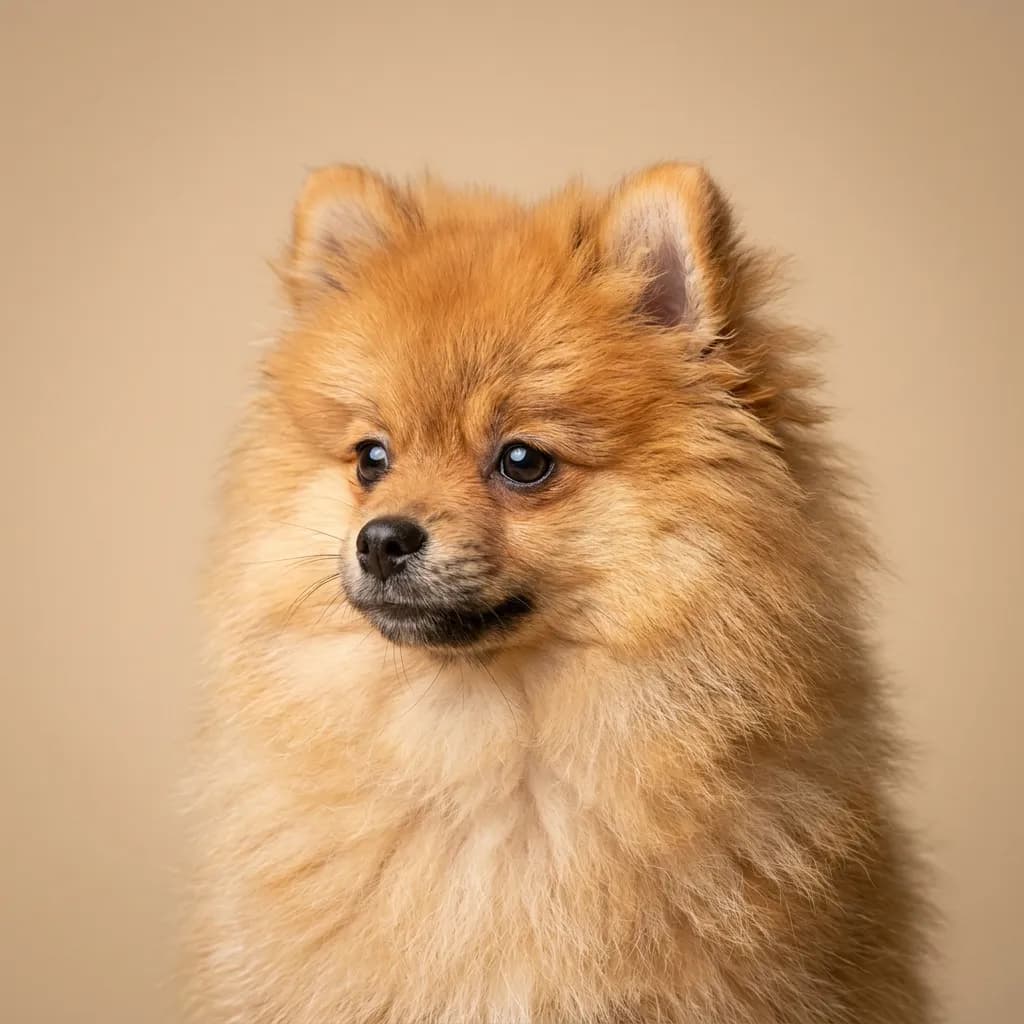
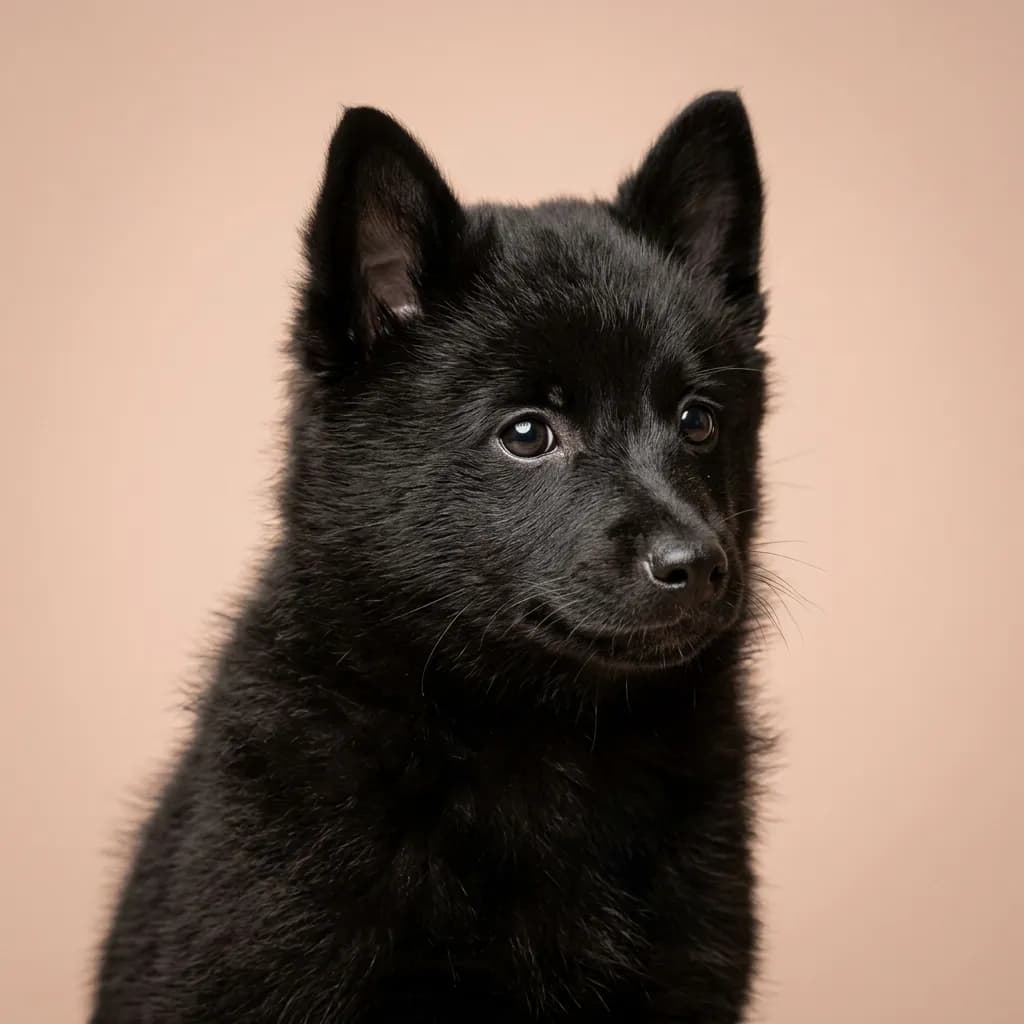
People compare Pomeranians and Schipperkes because they’re both small, spitz-type dogs with foxy faces and a big-dog attitude packed into tiny bodies. At first glance, they even look like cousins. fluffy, alert, and always on the move. But if you’re choosing between them, you’re really picking between a velvet-lined handbag and a pint-sized pirate. The Pomeranian is the quintessential lapdog with a lion’s mane and a yappy alarm system. At 3 to 7 pounds, they’re light enough to carry in one arm and thrive in apartments, making them ideal for retirees or singles who want a constant, chatty companion. They’re bold to a fault. barking at doorbells, mail carriers, and their own reflection. and while they’re deeply affectionate, their fragility makes them poor matches for toddlers. You’ll spend time grooming, yes, but the real investment is in managing their noise and snappiness if not trained early. The Schipperke, weighing in at 10 to 16 pounds, is sturdier, smarter on average, and built for action. Bred to guard Belgian barges and hunt rats, they’ve got a relentless curiosity and a stubborn streak that demands engagement. They’re not louder, but their bark carries purpose. they’re assessing threats, not just announcing them. They adapt well but need space to patrol, making them better for homes with a yard or active routines. Here’s the real difference: Pomeranians want to be loved. Schipperkes want to be in charge. If you want a glamorous, portable companion and don’t mind the noise, go Pom. If you want a fearless little sidekick with a mind of its own and can handle moderate shedding and higher energy, the Schipperke will steal your home. and probably your shoes.
Trait-by-trait
Higher bar = more of that trait. Shedding, barking, drooling, grooming flipped for readability.Where they diverge
Choose the Pomeranian if…
- Apartment living
- Seniors or retirees
- Those wanting an alert watchdog
- You value coat grooming — Pomeranian scores noticeably higher.
Choose the Schipperke if…
- Active owners
- Those wanting a small but bold breed
- Suburban or rural settings
- You value shedding level — Schipperke scores higher here.