Pudelpointer vs Puli
Side-by-side comparison across all 14 AKC trait ratings, with a clear verdict on which breed fits which kind of household.
Not sure which breed fits your life?
Answer five questions about your home, your schedule, and your tolerance for shedding. We’ll match you to your top three breeds from over 200.
Pudelpointer vs Puli
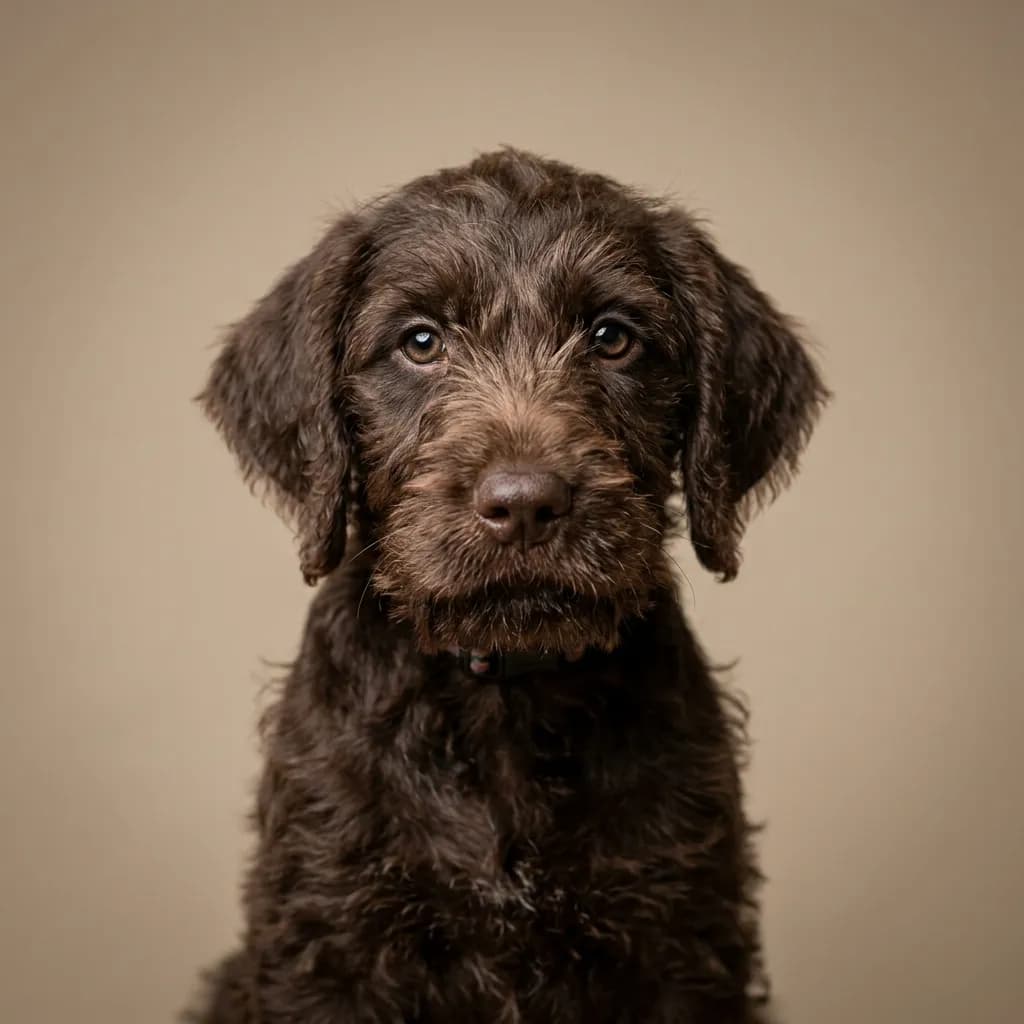
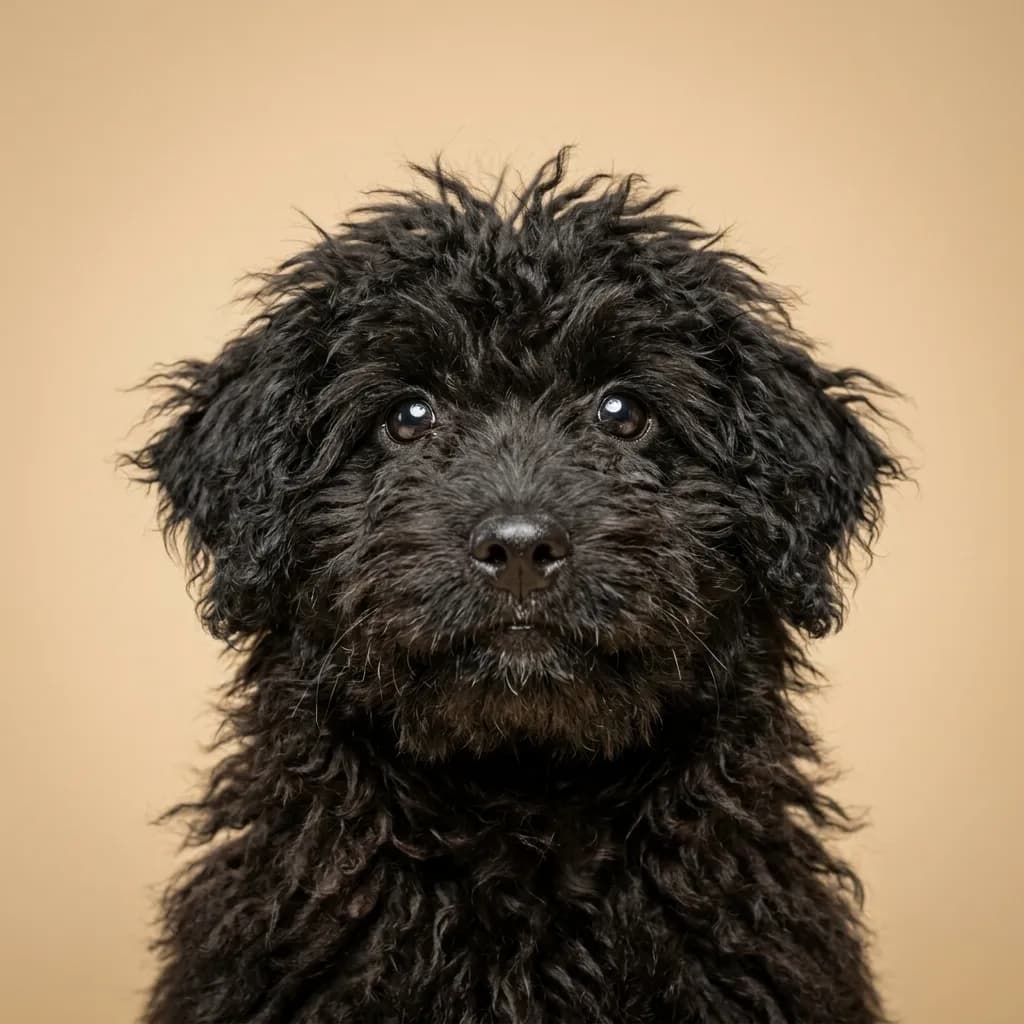
You don’t see Pudelpointers and Pulis in the same conversation often, but when you do, it’s usually from someone smitten with unusual, intelligent European breeds and trying to pick between two very different kinds of energy. Both are smart, both are rare in the U.S., and both need committed owners—but that’s where the overlap ends. The Pudelpointer is the athlete. Bred for hunters who wanted one dog to do it all—point, retrieve, swim, track—he’s built for wide-open spaces and long days outdoors. At 50 to 70 pounds, he’s substantial, with relentless stamina and a nose that won’t quit. He’s eager to please and cracks training like a code, but without serious physical and mental work, he’ll dismantle your backyard out of boredom. This isn’t a couch dog. This is the dog you get when your weekends involve bird season, cold water, and muddy boots. The Puli, in contrast, is the quirky guardian with a coat that looks like dreadlocks and a personality to match. Smaller, lighter, and bred to herd sheep in the Hungarian plains, he bonds fiercely to his family and watches over them with suspicion and charm. He’s just as smart as the Pudelpointer but channels it into vigilance and connection. That coat? It’s not just high-maintenance—it needs daily attention or it mats into a solid mass. You don’t get a Puli for low-effort style. You get him because you want a dog that feels like part of the home’s nervous system. Here’s what the data won’t tell you: the Puli doesn’t just want to be included—he needs to feel like he’s serving you, even if that means barking at the mail truck. The Pudelpointer just wants to know where the next mission is. Choose the Puli if you want a devoted, compact companion with flair. Choose the Pudelpointer if you need a partner who can work as hard as you do.
Trait-by-trait
Higher bar = more of that trait. Shedding, barking, drooling, grooming flipped for readability.Where they diverge
Choose the Pudelpointer if…
- hunters
- very active owners
- waterfowl and upland bird hunters
- You value shedding level — Pudelpointer scores noticeably higher.
Choose the Puli if…
- Active families
- Experienced dog owners
- Those wanting a unique coat
- You value coat grooming — Puli scores higher here.