Pudelpointer vs Schipperke
Side-by-side comparison across all 14 AKC trait ratings, with a clear verdict on which breed fits which kind of household.
Not sure which breed fits your life?
Answer five questions about your home, your schedule, and your tolerance for shedding. We’ll match you to your top three breeds from over 200.
Pudelpointer vs Schipperke
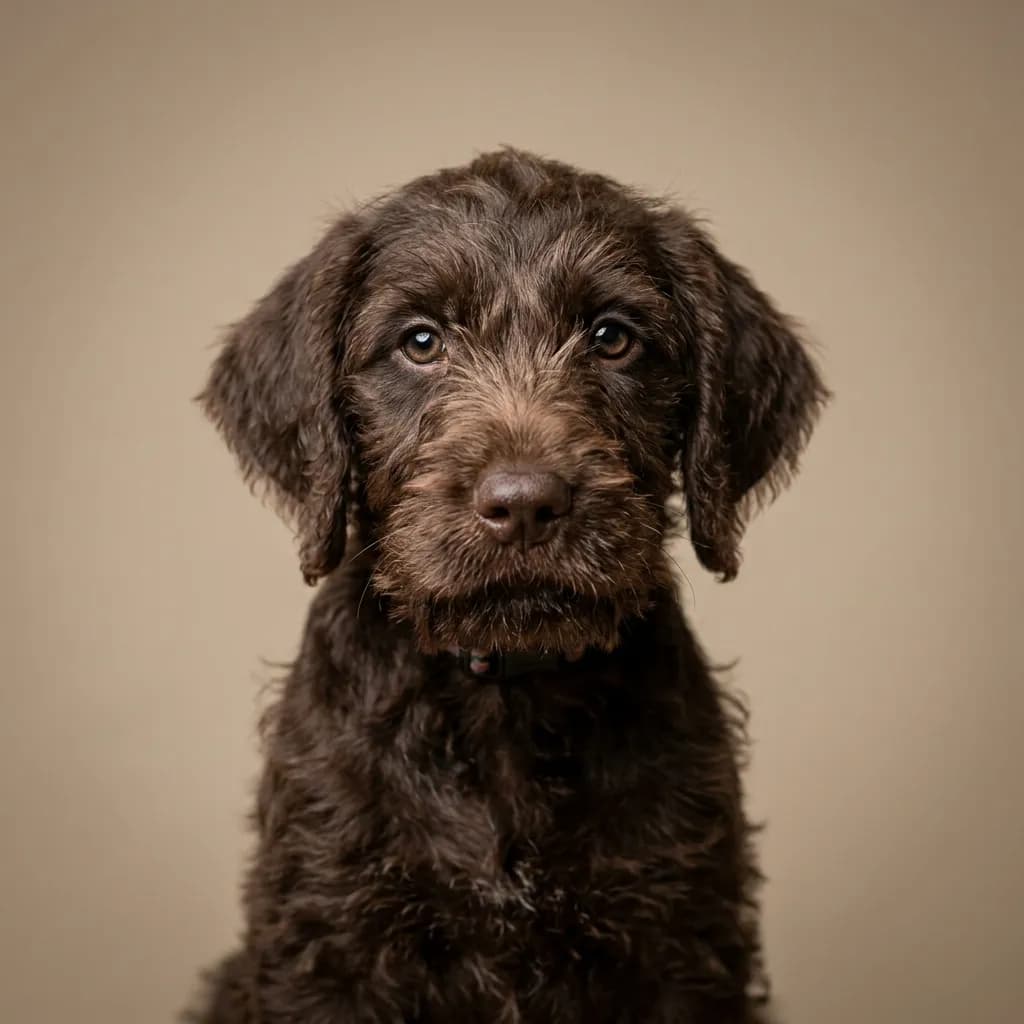
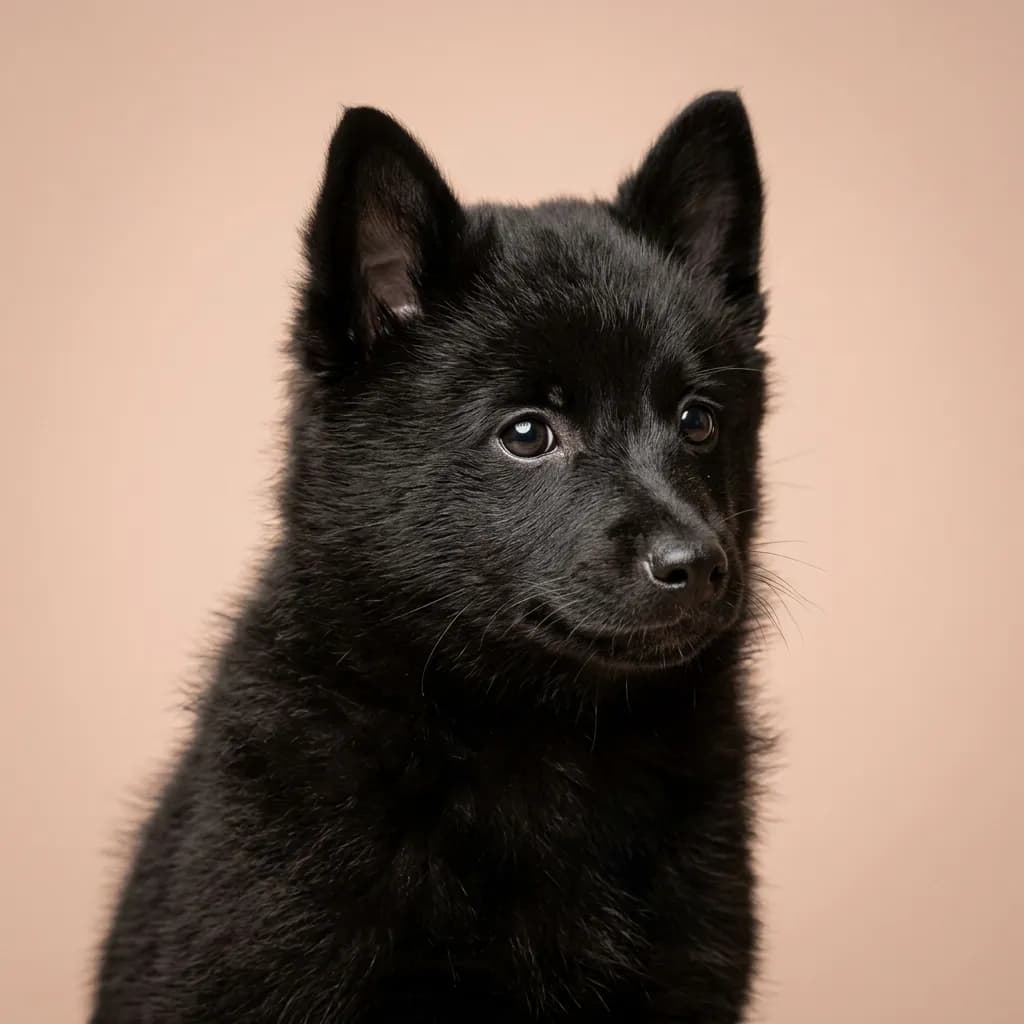
People compare Pudelpointers and Schipperkes because both are Germanic-sounding names that feel niche and interesting, and both have that "I’ve never seen that dog" appeal. But beyond rarity, they couldn’t be more different. You’re not choosing between two ends of the same spectrum here. You’re picking between a full-time outdoor partner and a tiny, fearless homebody with a Napoleon complex. The Pudelpointer is a 60-pound hunting machine built for owners who live for the field. These dogs live to point, track, and retrieve—whether it’s ducks in a marsh or pheasants in tall grass. They're smart, eager to please, and need serious physical and mental work. You’ll need space, time, and an outlet for their energy, or you’ll end up with a frustrated dog and chewed-up furniture. They’re affectionate with family but not clingy lap dogs. The Schipperke, on the other hand, weighs in at just 12 pounds and was bred to guard Belgian barges and hunt rats. They’re alert, bold, and bark at everything—mail trucks, leaves, silence. They bond tightly with their people and love being involved in everything, but they’re not built for long hikes or water retrieves. They adapt well to smaller homes, but their bark and stubborn streak can wear on city living. Here’s the real talk: Pudelpointer owners often fall in love with the idea of an active dog but don’t realize how much actual activity is required. Schipperke owners underestimate how loud and tenacious their little shadow can be. Choose the Pudelpointer if your weekends involve boots, hunting vests, or wide open land. Choose the Schipperke if you want a tiny, fearless companion who’ll guard your couch like it’s Fort Knox.
Trait-by-trait
Higher bar = more of that trait. Shedding, barking, drooling, grooming flipped for readability.Where they diverge
Choose the Pudelpointer if…
- hunters
- very active owners
- waterfowl and upland bird hunters
- You value drooling level — Pudelpointer scores noticeably higher.
Choose the Schipperke if…
- Active owners
- Those wanting a small but bold breed
- Suburban or rural settings
- You value watchdog / protective — Schipperke scores higher here.