Pudelpointer vs Shikoku
Side-by-side comparison across all 14 AKC trait ratings, with a clear verdict on which breed fits which kind of household.
Not sure which breed fits your life?
Answer five questions about your home, your schedule, and your tolerance for shedding. We’ll match you to your top three breeds from over 200.
Pudelpointer vs Shikoku
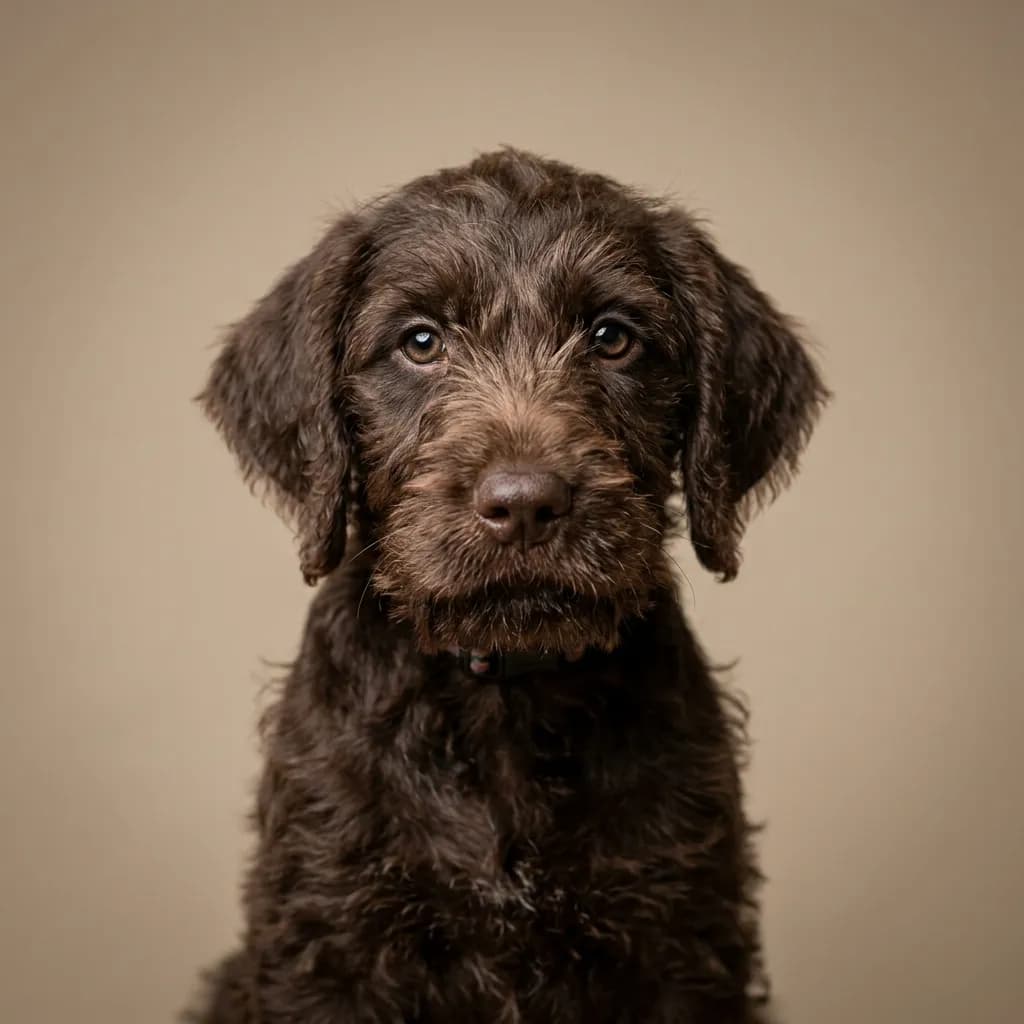
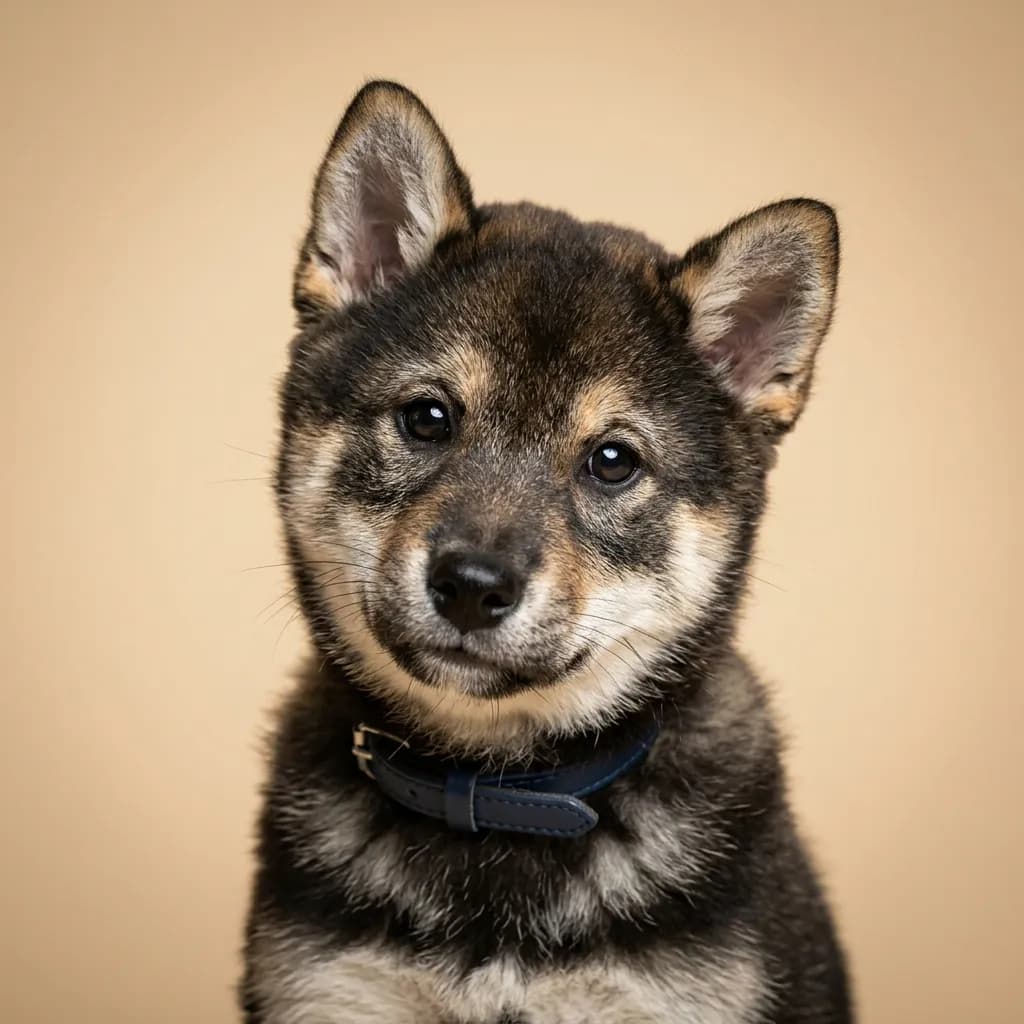
People compare Pudelpointers and Shikokus because both are rare, driven hunting dogs with a wild streak. They show up in the same online forums, the same dog-sport circles, and they both look like they belong on a mountain or in a duck blind. But that’s where the similarity ends. Choosing between them isn’t just preference, it’s lifestyle math. The Pudelpointer is your partner. Bred in Germany to be the ultimate do-all gun dog, it’s smart, biddable, and eager to work with you. At 50–70 pounds and built for endurance, it thrives with hunters who run it in fields and water. It’s affectionate, adaptable to different homes (as long as there’s space and activity), and actually wants to please you. Training clicks faster because it’s built into their temperament. If you're active, hunt, or do dog sports and want a dog that feels like an extension of your outdoor life, this is your breed. The Shikoku is different. Smaller, more compact, and deeply independent, it was bred to track boar in rugged Japanese mountains. This isn’t a dog that follows orders—it decides whether to follow them. They’re alert, intense, and reserved even with family. Not aloof, but self-contained. They bond, but on their terms. You’ll need experience, consistency, and thick skin when they ignore you mid-recall. They’re not for first-time owners or those wanting a cuddly family dog. Here’s the real difference: Pudelpointers want to work with you. Shikokus want to work near you. One is a teammate. The other is a lone wolf that occasionally tolerates your presence. If you need reliability, trainability, and a dog that loves water, go Pudelpointer. If you want a rare, primitive breed with cat-like agility and a fierce independence, and you’re ready for the challenge, the Shikoku might call to you. Just don’t expect it to come when called.
Trait-by-trait
Higher bar = more of that trait. Shedding, barking, drooling, grooming flipped for readability.Where they diverge
Choose the Pudelpointer if…
- hunters
- very active owners
- waterfowl and upland bird hunters
- You value drooling level — Pudelpointer scores noticeably higher.
Choose the Shikoku if…
- Experienced dog owners
- Active outdoor enthusiasts
- Those wanting a primitive, independent breed
- You value coat grooming — Shikoku scores higher here.