Pudelpointer vs Sussex Spaniel
Side-by-side comparison across all 14 AKC trait ratings, with a clear verdict on which breed fits which kind of household.
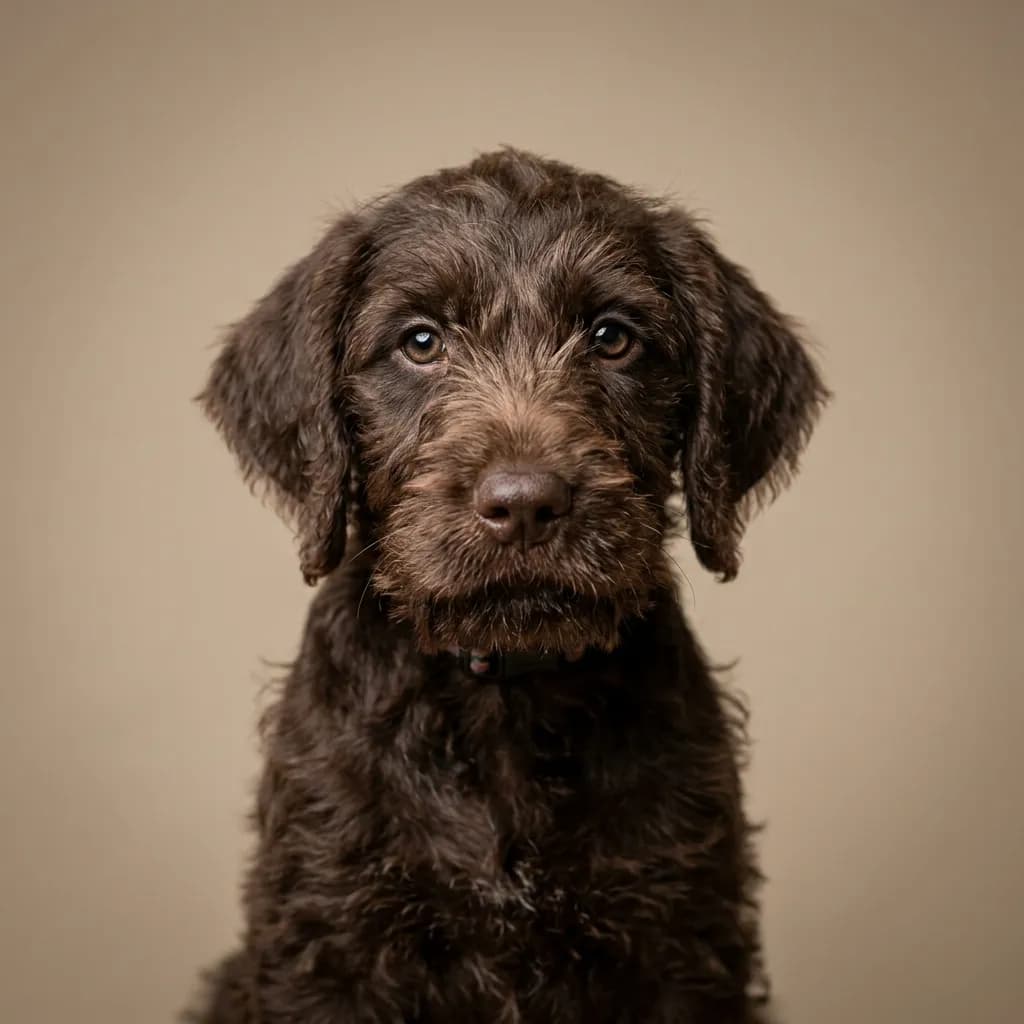
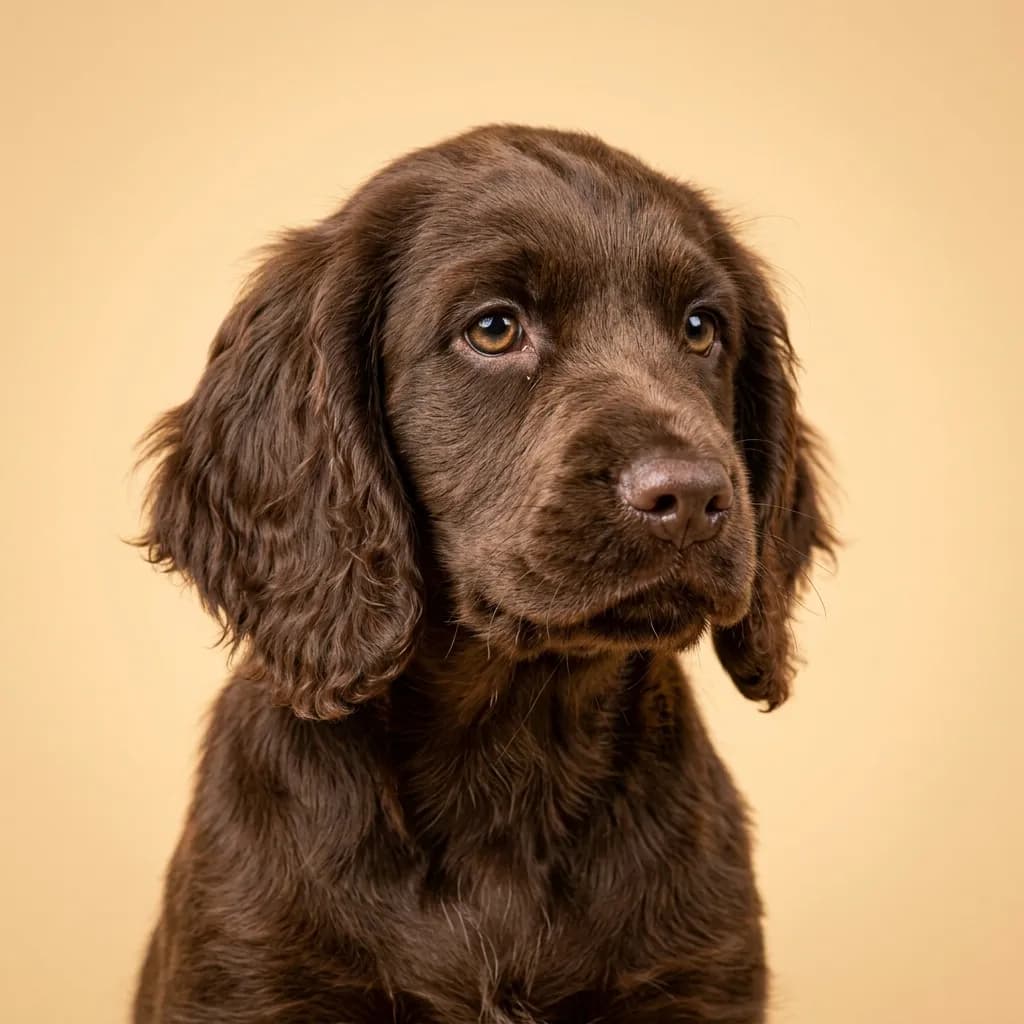
Not sure which breed fits your life?
Answer five questions about your home, your schedule, and your tolerance for shedding. We’ll match you to your top three breeds from over 200.
Pudelpointer vs Sussex Spaniel
You don’t often see a Pudelpointer and a Sussex Spaniel side by side at the dog park, but people do compare them—usually while deep in the weeds of breed research, trying to solve the same puzzle: a loyal, trainable gun dog that’s also a real family companion. On paper, they both fetch, point, and get along with kids. But in practice, these dogs live in totally different time zones. The Pudelpointer is the athlete. Bred in Germany to be a do-it-all hunting machine, this dog thrives when it has a job—preferably one that involves cold water, thick brush, and miles of ground to cover. At 22 to 26 inches tall and up to 70 pounds, it’s lean, driven, and intensely focused. You’ll need to match its energy or risk a bored, destructive housemate. It’s smart as hell and eager to please, which makes training a joy, but it won’t settle for couch life. This isn’t a dog for someone who walks the dog twice a day and calls it good. The Sussex Spaniel, with its deep golden coat and slow, rolling gait, is the opposite kind of endurance dog. It was built to move steadily through dense English underbrush, not sprint across fields. Calmer, heavier in the body, and more laid-back mentally, the Sussex fits better in a home where the biggest adventure might be a long woodland hike. It’s deeply affectionate, more consistently gentle with kids than the Pudelpointer, and surprisingly adaptable to smaller yards. Here’s the real talk: if you don’t hunt or do dog sports, the Pudelpointer will always be a square peg. But the Sussex? Even if you’ve never held a shotgun, it’ll still be content right at your feet—patient, velvety-eared, and utterly devoted.
Trait-by-trait
Higher bar = more of that trait. Shedding, barking, drooling, grooming flipped for readability.Where they diverge
Choose the Pudelpointer if…
- hunters
- very active owners
- waterfowl and upland bird hunters
- You value trainability — Pudelpointer scores noticeably higher.
Choose the Sussex Spaniel if…
- Moderately active owners
- Hunters in dense cover
- Families with children
- You value coat grooming — Sussex Spaniel scores higher here.