Pudelpointer vs Tibetan Mastiff
Side-by-side comparison across all 14 AKC trait ratings, with a clear verdict on which breed fits which kind of household.
Not sure which breed fits your life?
Answer five questions about your home, your schedule, and your tolerance for shedding. We’ll match you to your top three breeds from over 200.
Pudelpointer vs Tibetan Mastiff
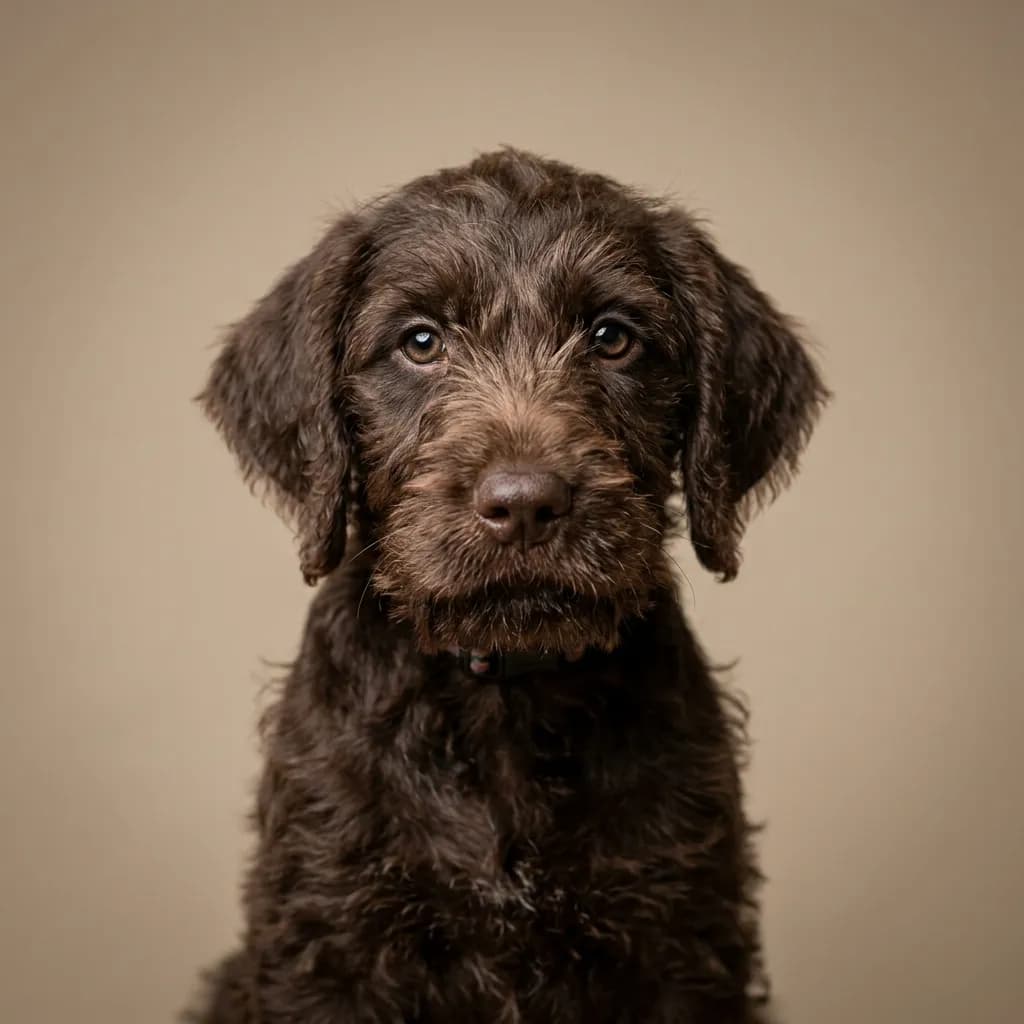
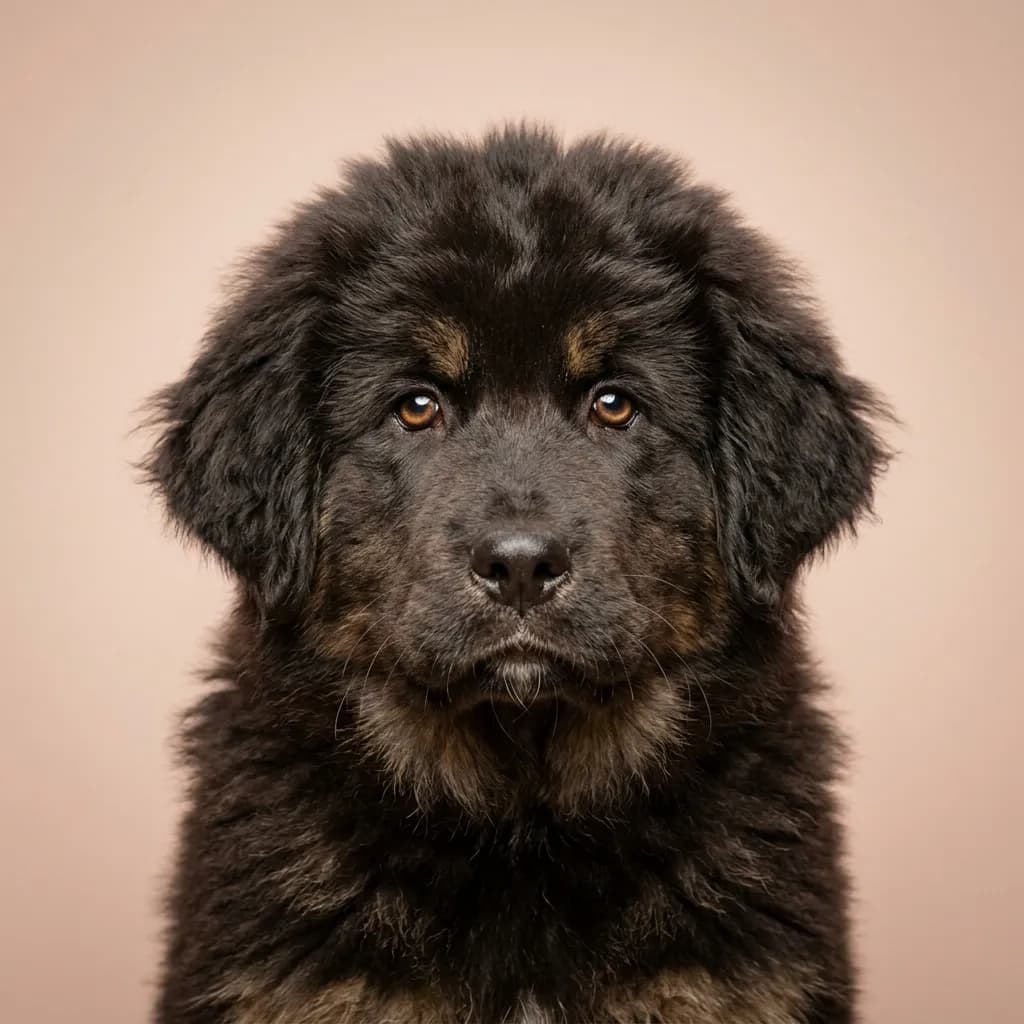
You’re probably not comparing a Pudelpointer and a Tibetan Mastiff because you’re torn between two weekend plans. You’re doing it because you’ve seen both in your breed deep dive and are wondering if size, fluff, or function should win. Spoiler: it’s not about preference. It’s about lifestyle. The Pudelpointer is a German hunting machine built for people who live outdoors. Think waterfowl season, upland birds, and dogs that need a job with physical and mental stakes. At 45 to 70 pounds, they’re athletic, eager, and deeply trainable. They’ll swim in freezing lakes, track for miles, and still curl up on the couch—because they’re also oddly adaptable. But don’t be fooled. They need space and purpose. No hunting? You’ll need serious alternatives like agility or advanced obedience. The Tibetan Mastiff, meanwhile, is a mountain in dog form. Bred to guard flocks in the Himalayas, they’re independent, aloof, and not the type to fetch your slippers. They’re affectionate with their people but wary of strangers. This isn’t a dog you train so much as one you earn the respect of. They’re heavy shedders, need cool climates, and aren’t built for city life or impatient owners. Here’s the real insight: the Pudelpointer thrives on partnership. The Tibetan Mastiff thrives on sovereignty. One wants to work with you. The other wants to work near you—on its own terms. Pick the Pudelpointer if you’re active, patient, and want a dog that’s a teammate. Pick the Tibetan Mastiff only if you understand that you’re not getting a pet. You’re adopting a legacy. And that comes with weight—emotional, physical, and financial.
Trait-by-trait
Higher bar = more of that trait. Shedding, barking, drooling, grooming flipped for readability.Where they diverge
Choose the Pudelpointer if…
- hunters
- very active owners
- waterfowl and upland bird hunters
- You value good with strangers — Pudelpointer scores noticeably higher.
Choose the Tibetan Mastiff if…
- Experienced large-breed owners
- Cold climate households
- Those wanting a serious guardian breed
- You value coat grooming — Tibetan Mastiff scores higher here.