Pudelpointer vs Tornjak
Side-by-side comparison across all 14 AKC trait ratings, with a clear verdict on which breed fits which kind of household.
Not sure which breed fits your life?
Answer five questions about your home, your schedule, and your tolerance for shedding. We’ll match you to your top three breeds from over 200.
Pudelpointer vs Tornjak
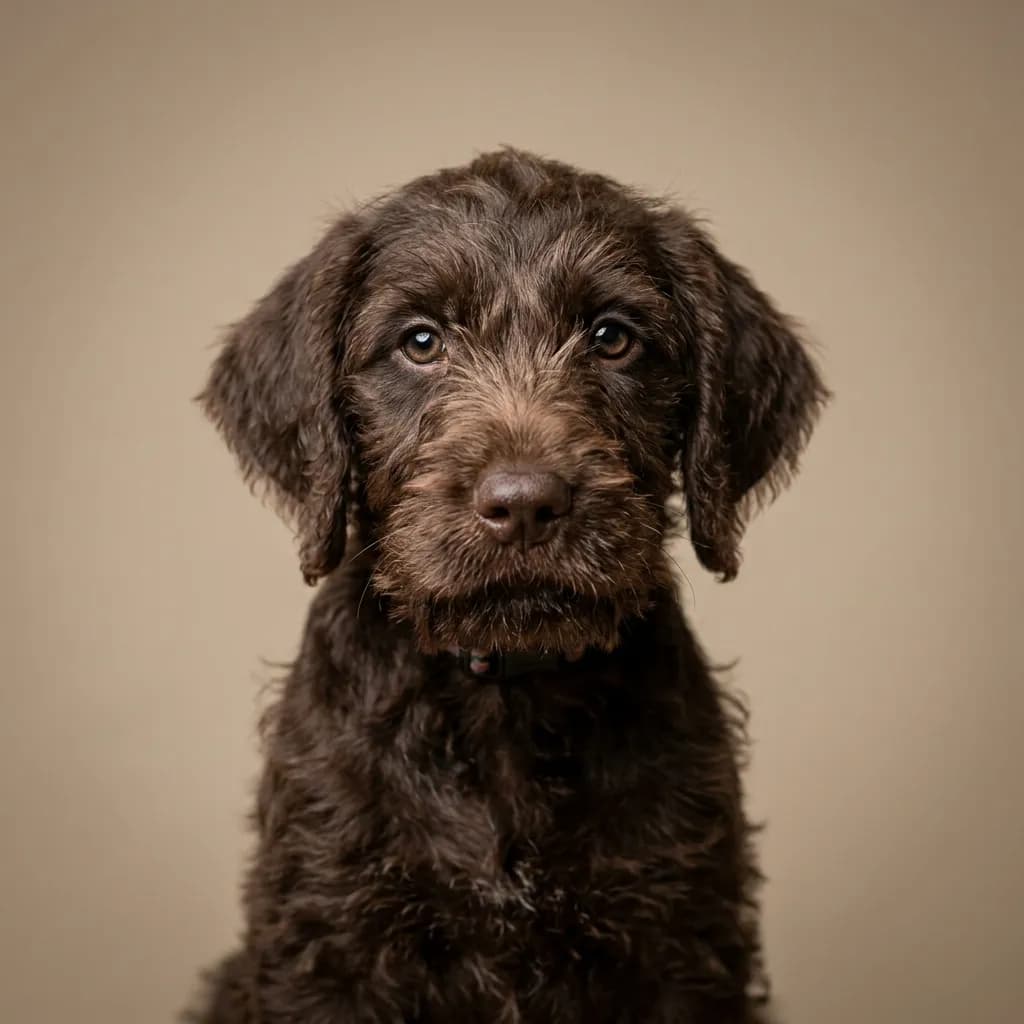
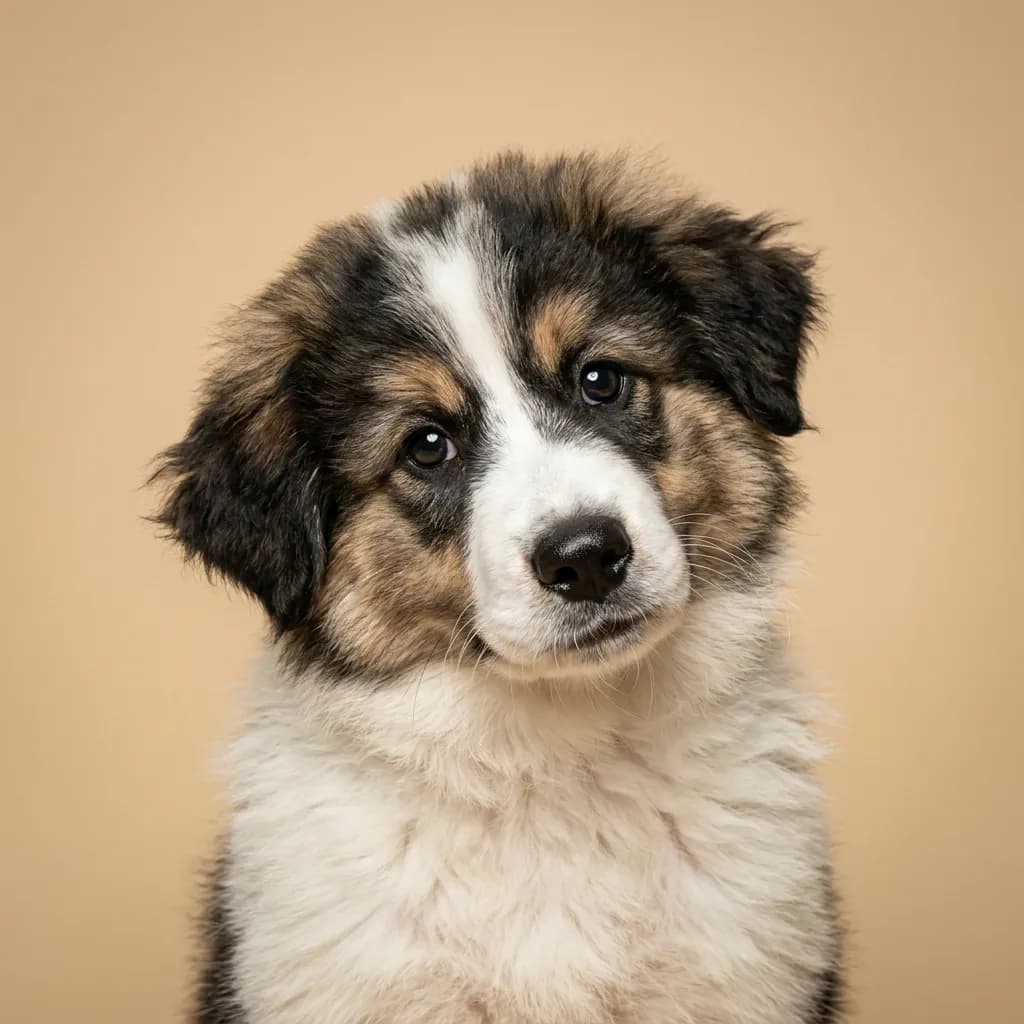
You’re probably not comparing a Pudelpointer and a Tornjak because you’re torn between them at the dog park. More likely, you’re deep in the weeds of research, maybe a hunter with land or someone with a farm, and you started wondering—what if I need both protection and performance? That’s where these two meet, just barely. But their paths diverge fast. The Pudelpointer is your all-weather hunting partner. If you’re up before dawn in marshland or trekking through brush after upland birds, this dog thrives. At 50 to 70 pounds, it’s lean, driven, and built for action. Trainability is off the charts—point, retrieve, track, swim, repeat. It wants to please, needs mental challenges, and bonds tightly with active owners. But it needs purpose. No hunting? You’ll have a bored, possibly destructive athlete on your hands. The Tornjak is the opposite kind of worker. At 60 to over 100 pounds, this is a livestock guardian bred to roam high pastures in the Balkans, fending off predators. It’s courageous, calm, and deeply loyal to its family and territory. But it’s not a performance dog. Training takes patience, and it won’t fetch all day. It’s happiest with a job guarding animals or property, especially in cooler climates. Apartment life? Forget it. First-time owners? Hard pass. Here’s the real difference: the Pudelpointer works with you, the Tornjak works for you. One is a teammate, the other a sentinel. And one honest insight: if you’re considering either, you likely have space and a lifestyle most don’t. But don’t romanticize the Tornjak’s calm—it’s not low-maintenance. That thick coat sheds heavily, and its independence can look like aloofness. Respect its history, or you’ll be frustrated.
Trait-by-trait
Higher bar = more of that trait. Shedding, barking, drooling, grooming flipped for readability.Where they diverge
Choose the Pudelpointer if…
- hunters
- very active owners
- waterfowl and upland bird hunters
- You value good with other dogs — Pudelpointer scores noticeably higher.
Choose the Tornjak if…
- Experienced large-breed owners
- Farm or rural settings
- Livestock guardian needs
- You value watchdog / protective — Tornjak scores higher here.