Puli vs Russian Tsvetnaya Bolonka
Side-by-side comparison across all 14 AKC trait ratings, with a clear verdict on which breed fits which kind of household.
Not sure which breed fits your life?
Answer five questions about your home, your schedule, and your tolerance for shedding. We’ll match you to your top three breeds from over 200.
Puli vs Russian Tsvetnaya Bolonka
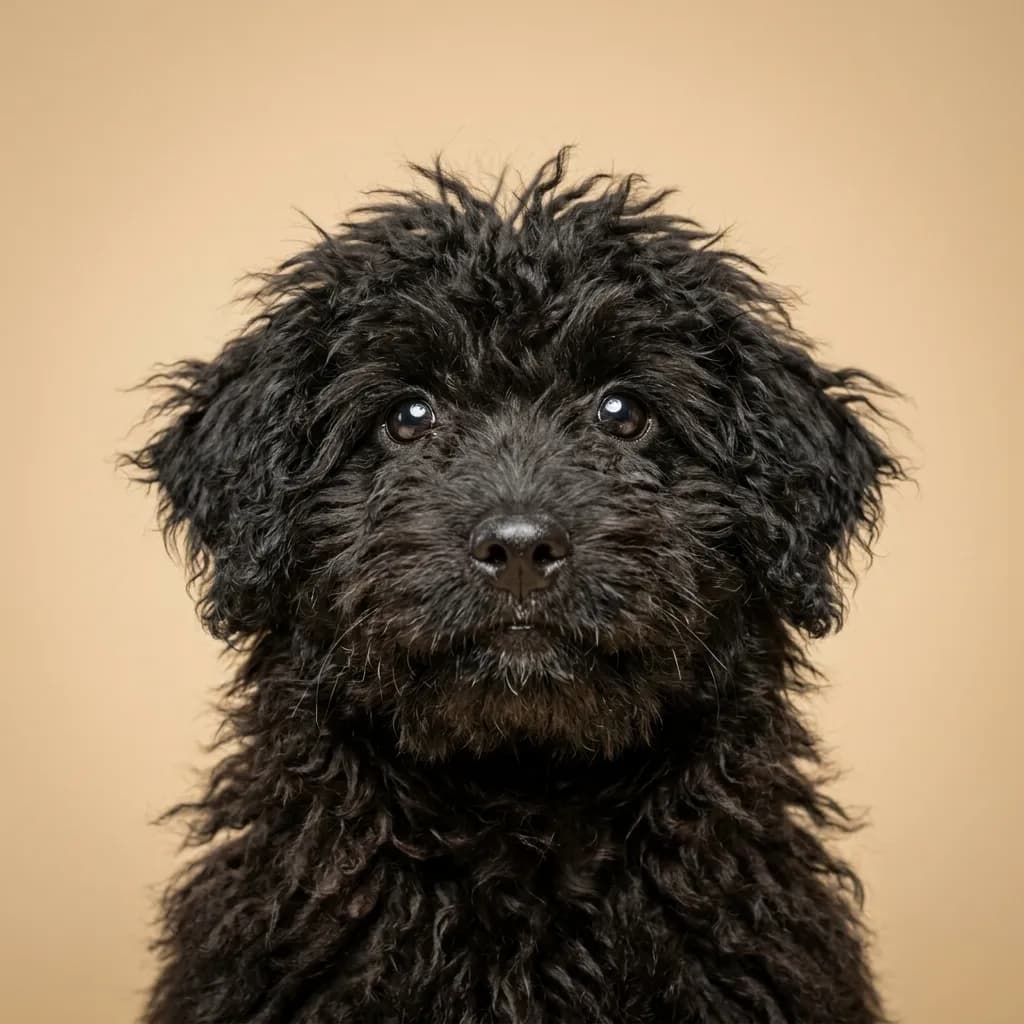
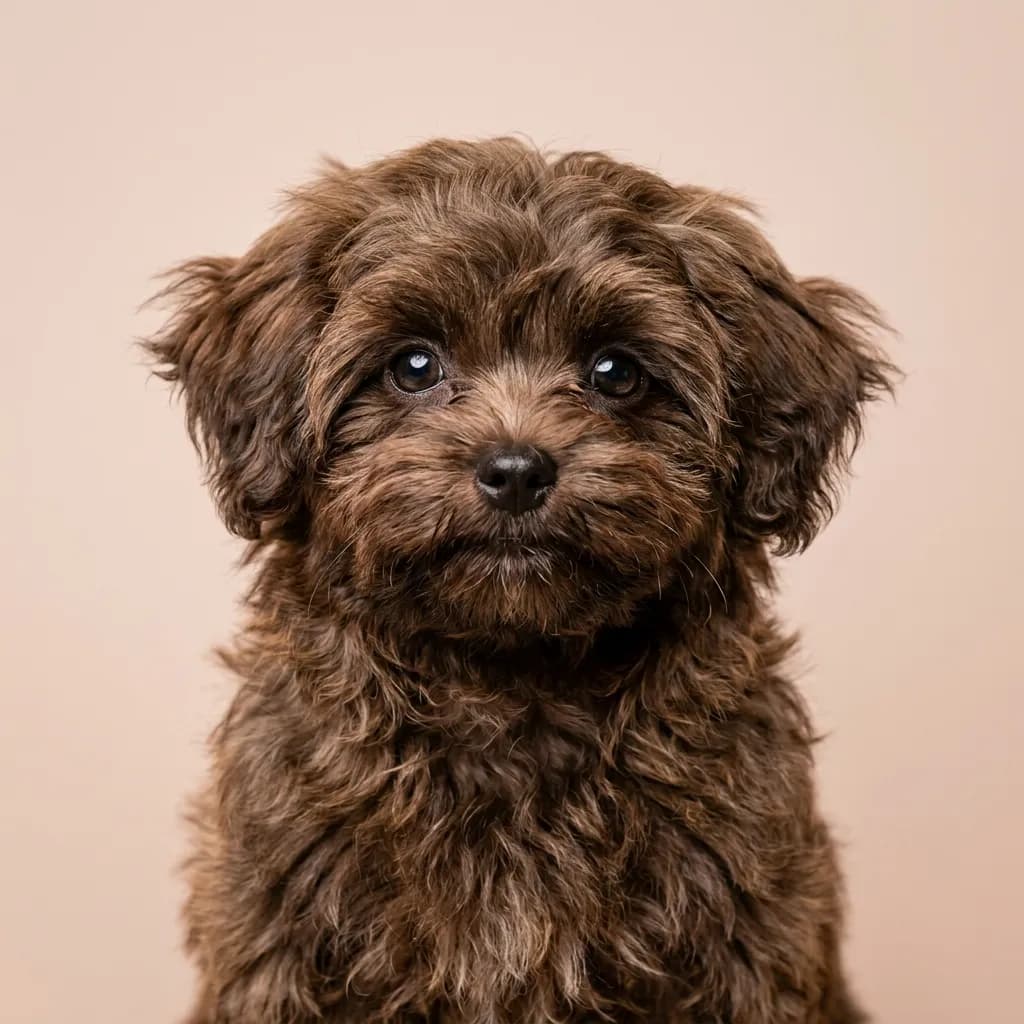
You don’t see Pulis and Russian Tsvetnaya Bolonkas in the same conversation every day, but people compare them because both are fluffy, low-shedding dogs with cords or curls that catch eyes and turn heads. At first glance, they look like stylistic cousins—trendy, unique, hypoallergenic. But that’s where the similarity ends. The Puli is a working dog through and through. Bred to herd sheep across Hungarian pastures, it’s got a mind that never shuts off. You’ll need to keep it busy—mentally and physically—or you’ll come home to a clever dog that’s decided your shoes are the enemy. It’s deeply loyal, incredibly smart, and surprisingly adaptable for a herder, but it’s not a lapdog. Even at 30 pounds, it moves with purpose. And that coat? Those cords aren’t just fashion. They take serious upkeep—months of maintenance, regular separation, drying time after every bath. You’re signing up for a grooming project that never ends. The Bolonka, on the other hand, is the dog you hold while reading the paper. Tiny, under 11 pounds, bred for nobility’s laps in Soviet Russia, it thrives on closeness. It’s playful, yes, but not driven. It’ll bark at the doorbell, maybe more than you’d like, but it won’t need two hours of exercise. Its curly coat is low-shedding but still demands brushing and trimming—just not the obsessive cord care of the Puli. Pick the Puli if you want a partner in adventure, someone to train, hike, and work with. Pick the Bolonka if you want charm, portability, and a companion who lives for cuddles. Here’s the real talk: the Puli looks exotic, but it’s a high-maintenance thinker. The Bolonka looks delicate, but it’s got spunk and won’t tolerate loneliness. One’s a project with a payoff. The other’s a velvet-lined whisper of joy. Know which kind of love you’re ready for.
Trait-by-trait
Higher bar = more of that trait. Shedding, barking, drooling, grooming flipped for readability.Where they diverge
Choose the Puli if…
- Active families
- Experienced dog owners
- Those wanting a unique coat
- You value coat grooming — Puli scores noticeably higher.
Choose the Russian Tsvetnaya Bolonka if…
- Apartment living
- Seniors
- Families with gentle children
- You value playfulness — Russian Tsvetnaya Bolonka scores higher here.