Pumi vs Shih Tzu
Side-by-side comparison across all 14 AKC trait ratings, with a clear verdict on which breed fits which kind of household.
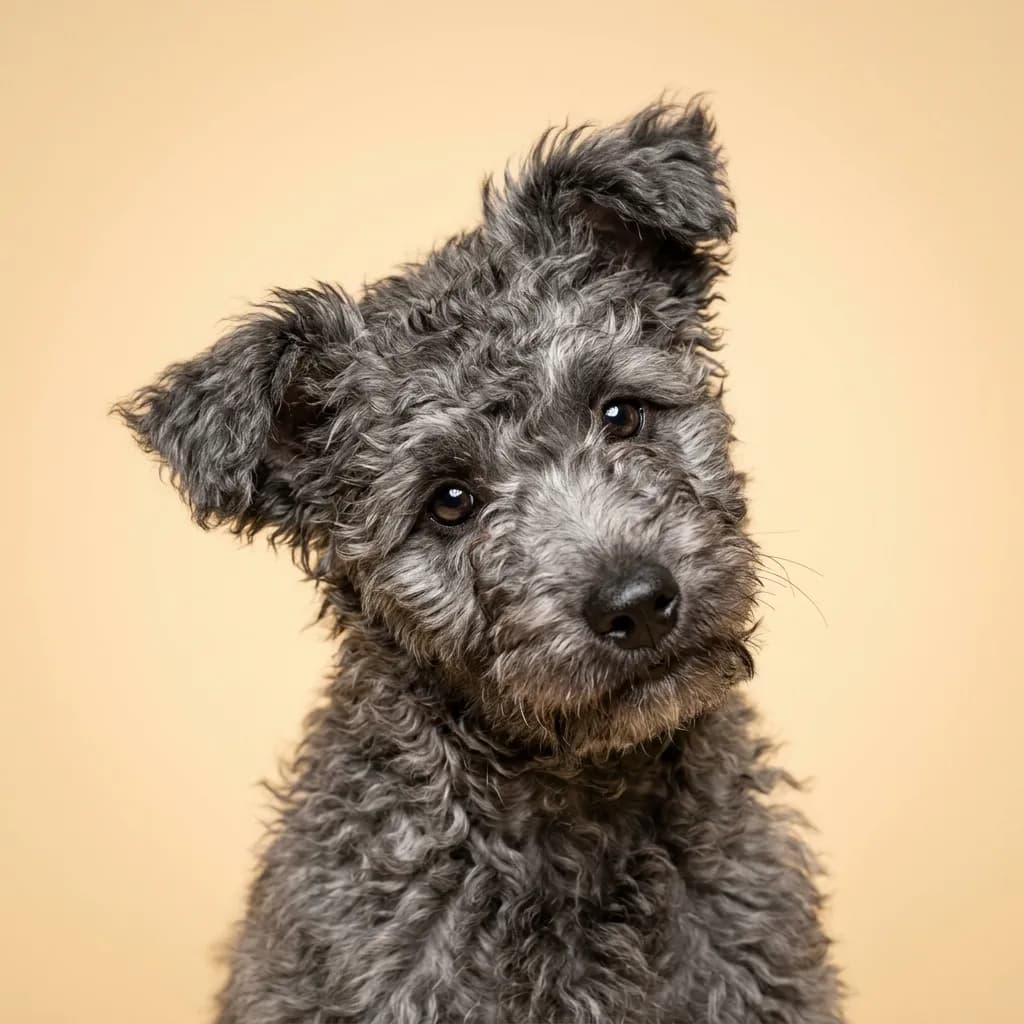
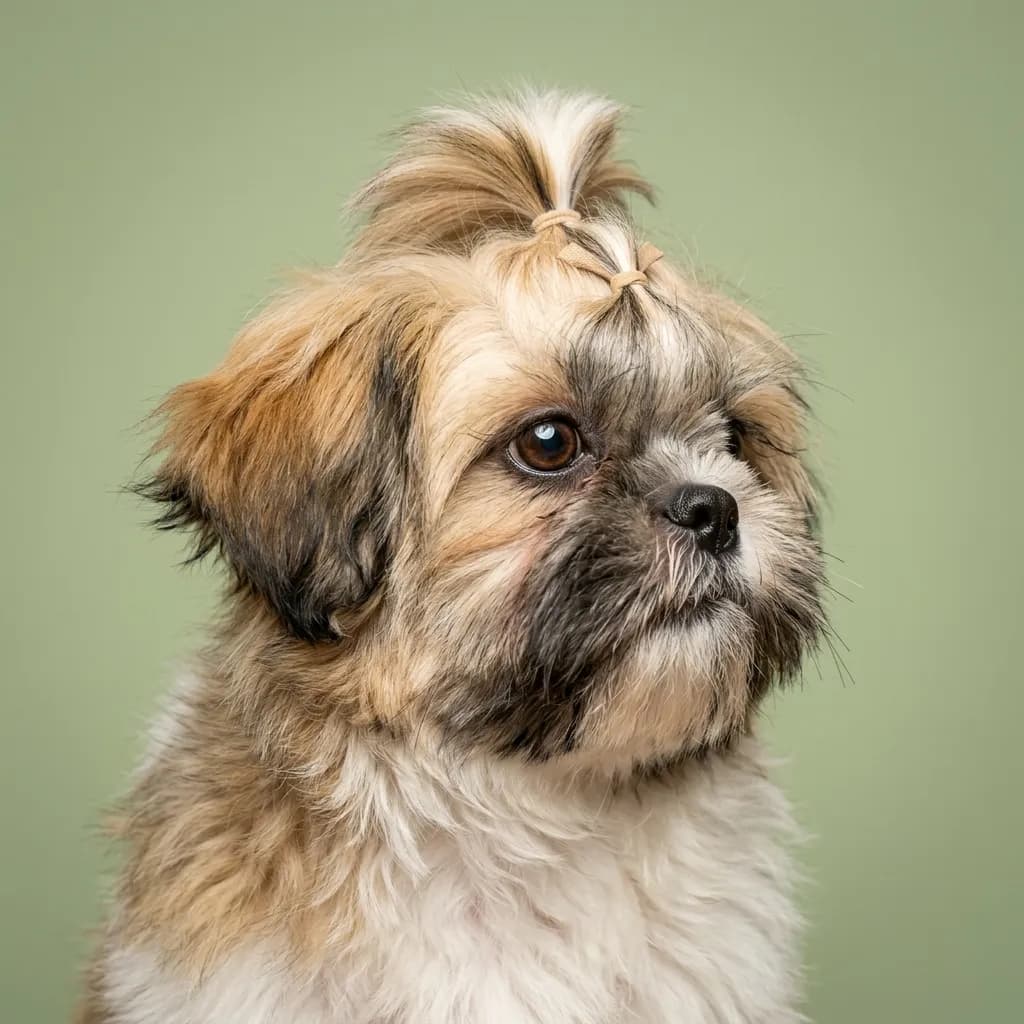
Not sure which breed fits your life?
Answer five questions about your home, your schedule, and your tolerance for shedding. We’ll match you to your top three breeds from over 200.
Pumi vs Shih Tzu
You probably wouldn’t think to compare a Hungarian herding dog and a Chinese lapdog—unless you’ve got allergies and are stuck between a high-octane farmhand and a regal cuddle bug. That’s usually why people end up here: both breeds shed next to nothing and bond hard to their people. But that’s where the similarities end. The Pumi is the dog that’s always ready to go. Not just for a walk—more like a agility trial, a hike, or a serious obedience session. These dogs live to work, and if you don’t give them jobs, they’ll invent their own, like yapping at the vacuum or herding your kids in tight circles. They’re brilliant, intensely trainable, and thrive with experienced owners who can match their energy. If you’re into dog sports or have a farm-like yard, this might be your dog. But don’t even consider it if you’re not active. A bored Pumi is a destructive Pumi. The Shih Tzu is the opposite in rhythm. They’re happy to follow you from couch to kitchen and back again, napping in your lap while life unfolds. They love everyone, especially gentle kids, and adapt effortlessly to apartments or small homes. But that flat face comes with real health trade-offs—snoring, breathing issues, and delicate eyes—so daily face cleaning and vet vigilance are non-negotiable. Here’s the thing no breeder brochure tells you: the Shih Tzu might seem easier, but their grooming is a full-time side hustle. You’ll be brushing daily or facing mats within hours. The Pumi’s curly coat is lower maintenance, but their mind needs just as much grooming as the Shih Tzu’s coat. Pick the Pumi if you want a partner in activity. Pick the Shih Tzu if you want a warm, affectionate shadow. One keeps your body busy, the other keeps your heart full.
Trait-by-trait
Higher bar = more of that trait. Shedding, barking, drooling, grooming flipped for readability.Where they diverge
Choose the Pumi if…
- Active owners
- Dog sports enthusiasts
- Experienced herding breed owners
- You value energy level — Pumi scores noticeably higher.
Choose the Shih Tzu if…
- Apartment living
- Seniors
- Families with gentle children
- You value good with young children — Shih Tzu scores higher here.