Pumi vs Siberian Husky
Side-by-side comparison across all 14 AKC trait ratings, with a clear verdict on which breed fits which kind of household.
Not sure which breed fits your life?
Answer five questions about your home, your schedule, and your tolerance for shedding. We’ll match you to your top three breeds from over 200.
Pumi vs Siberian Husky
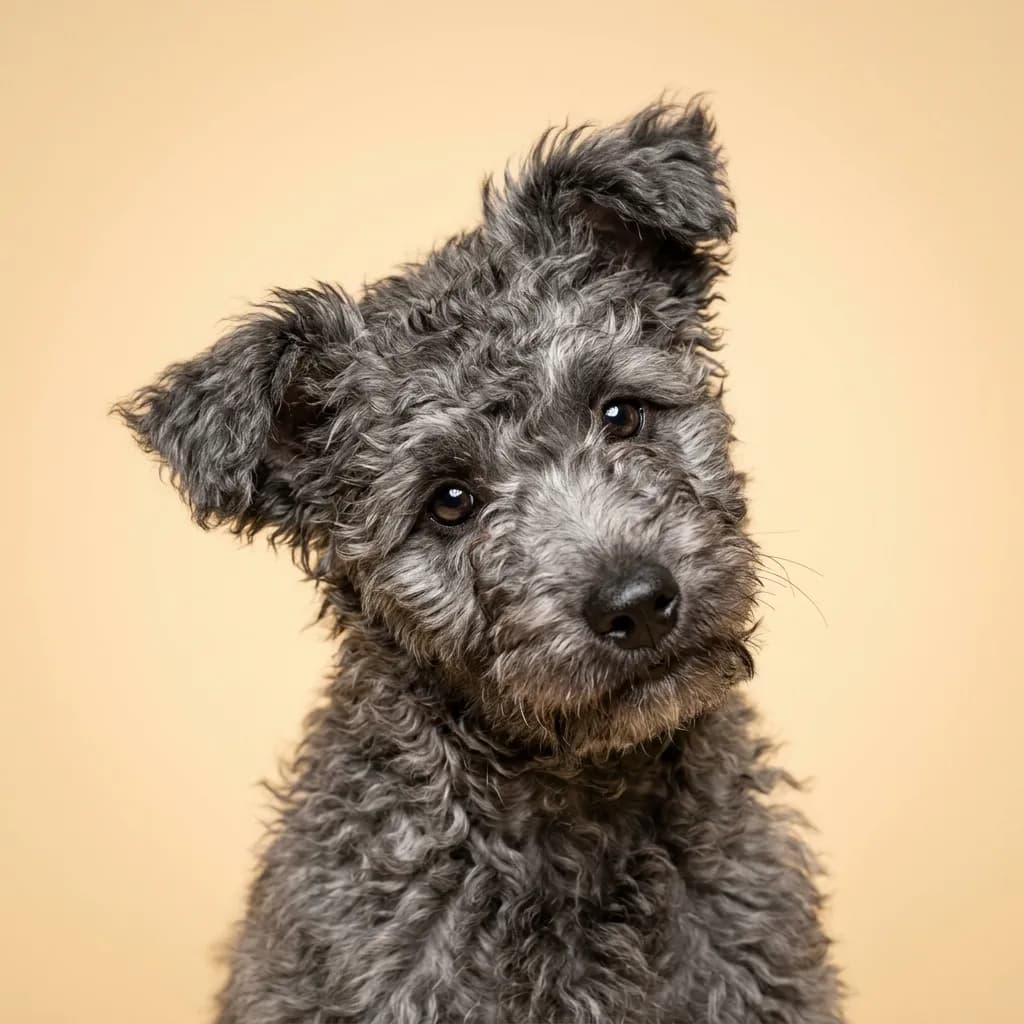
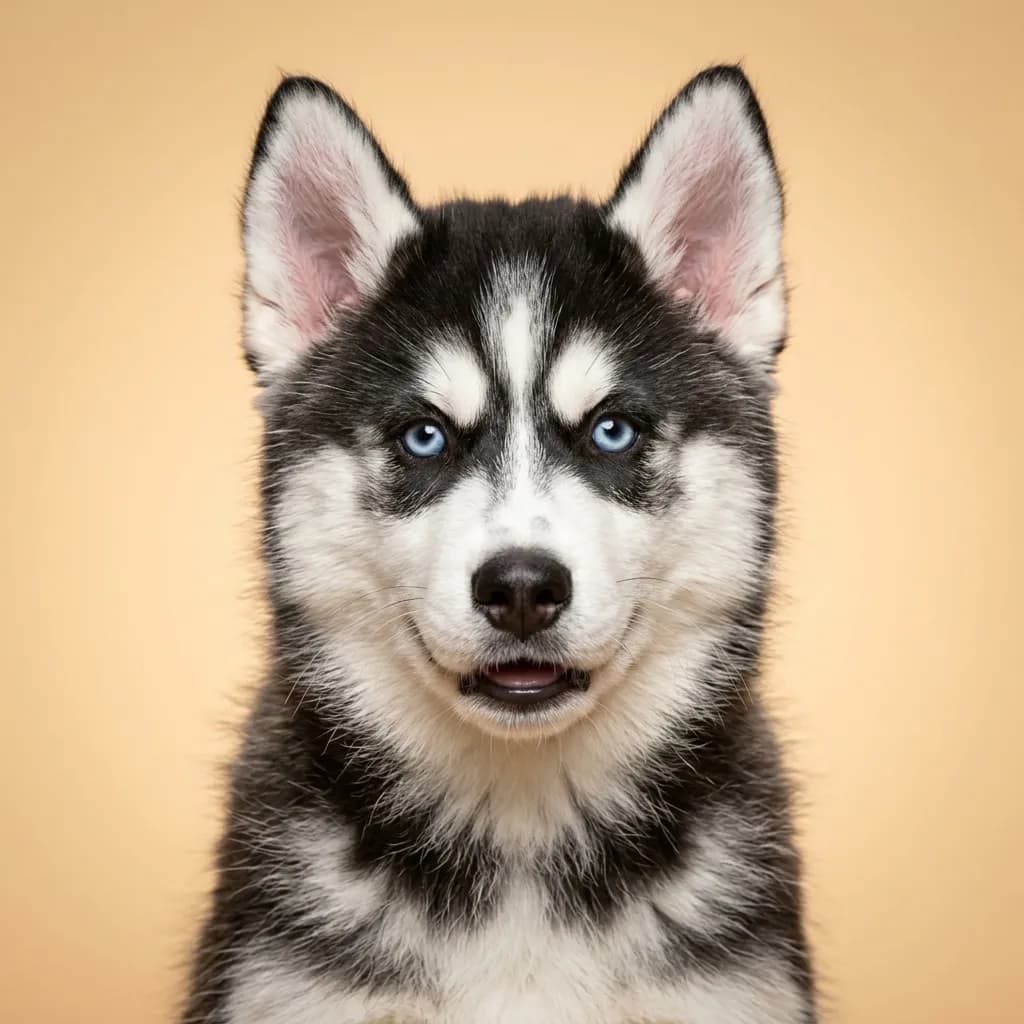
People compare Pumis and Siberian Huskies because both are high-energy, striking-looking dogs with a wild edge. They’ve got that “I work for a living” intensity in their eyes. But beyond the surface bounce and the shared love of cold weather walks, these two couldn’t be more different in what they actually need from you. The Pumi is a whirling dervish in a curly coat. Think border collie meets terrier with a permanent espresso buzz. At 15 to 18 inches, this Hungarian herder was built to nip hooves and manage sheep with precision. What that means for you? A dog that thrives on mental puzzles, obedience drills, and agility courses. They’re trainable to a fault—eager, sharp, and affectionate—but they’ll bark at the mailman, the squirrel, and the neighbor’s new lawn ornament. They don’t shed much, which is great if you hate dog hair, but don’t be fooled: their woolly coat needs regular upkeep. They’re not great for first-time owners because they’ll out-think you in a week. The Siberian Husky, by contrast, is built for endurance, not precision. They’ll pull a sled 50 miles in the snow with a grin on their face. They’re friendly to a fault—often with zero recall, no matter how much you train. That’s the real truth no one talks about: you’ll never trust them off-leash. They’re amazing with kids, yes, and their thick double coat is a furnace in winter—but twice a year, your house will look like a snowstorm hit indoors. They’re louder, shedding way more, and far more independent. Choose the Pumi if you want a trainable, compact herding partner who’ll dominate dog sports. Pick the Husky if you’re okay with a beautiful, free-spirited athlete who’ll never fully listen but will always love you.
Trait-by-trait
Higher bar = more of that trait. Shedding, barking, drooling, grooming flipped for readability.Where they diverge
Choose the Pumi if…
- Active owners
- Dog sports enthusiasts
- Experienced herding breed owners
- You value watchdog / protective — Pumi scores noticeably higher.
Choose the Siberian Husky if…
- Active owners who exercise daily
- Cold climate households
- Families with children
- You value shedding level — Siberian Husky scores higher here.