Pumi vs Spanish Water Dog
Side-by-side comparison across all 14 AKC trait ratings, with a clear verdict on which breed fits which kind of household.
Not sure which breed fits your life?
Answer five questions about your home, your schedule, and your tolerance for shedding. We’ll match you to your top three breeds from over 200.
Pumi vs Spanish Water Dog
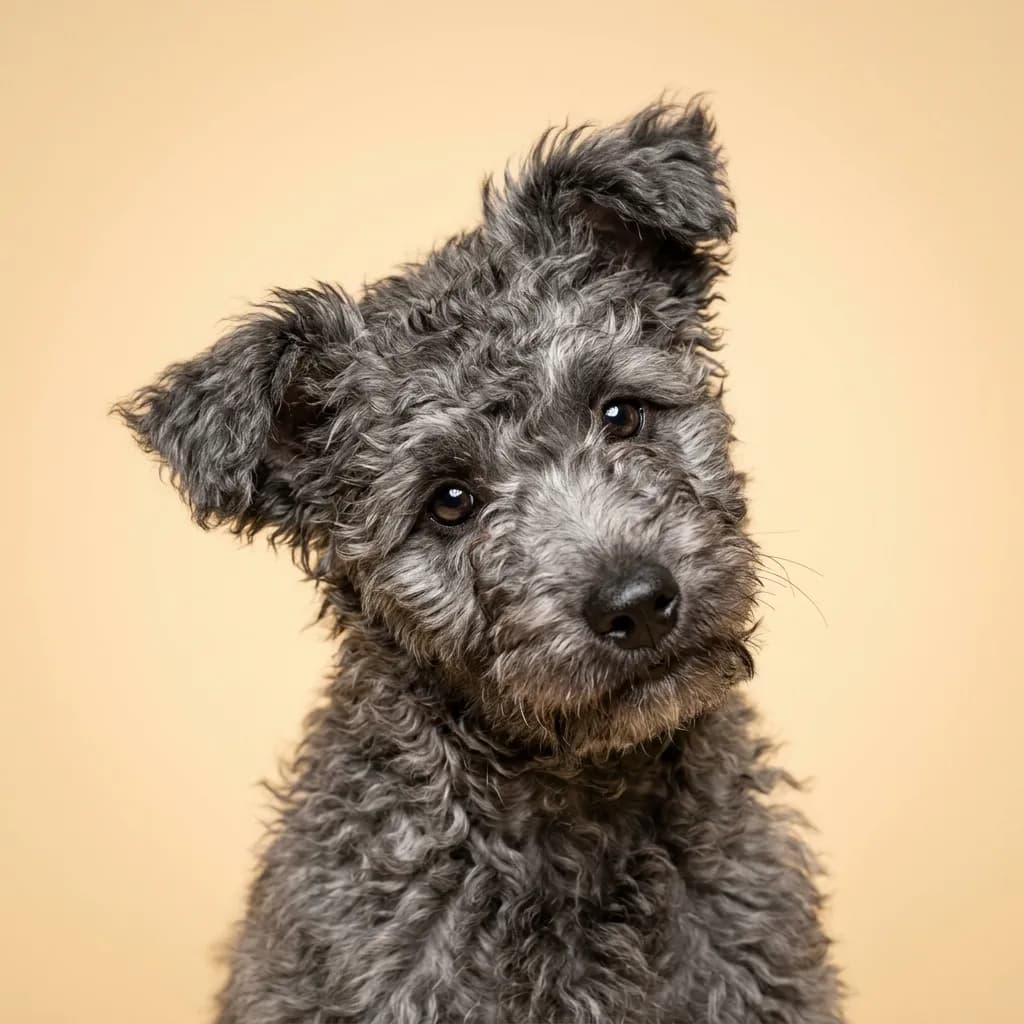
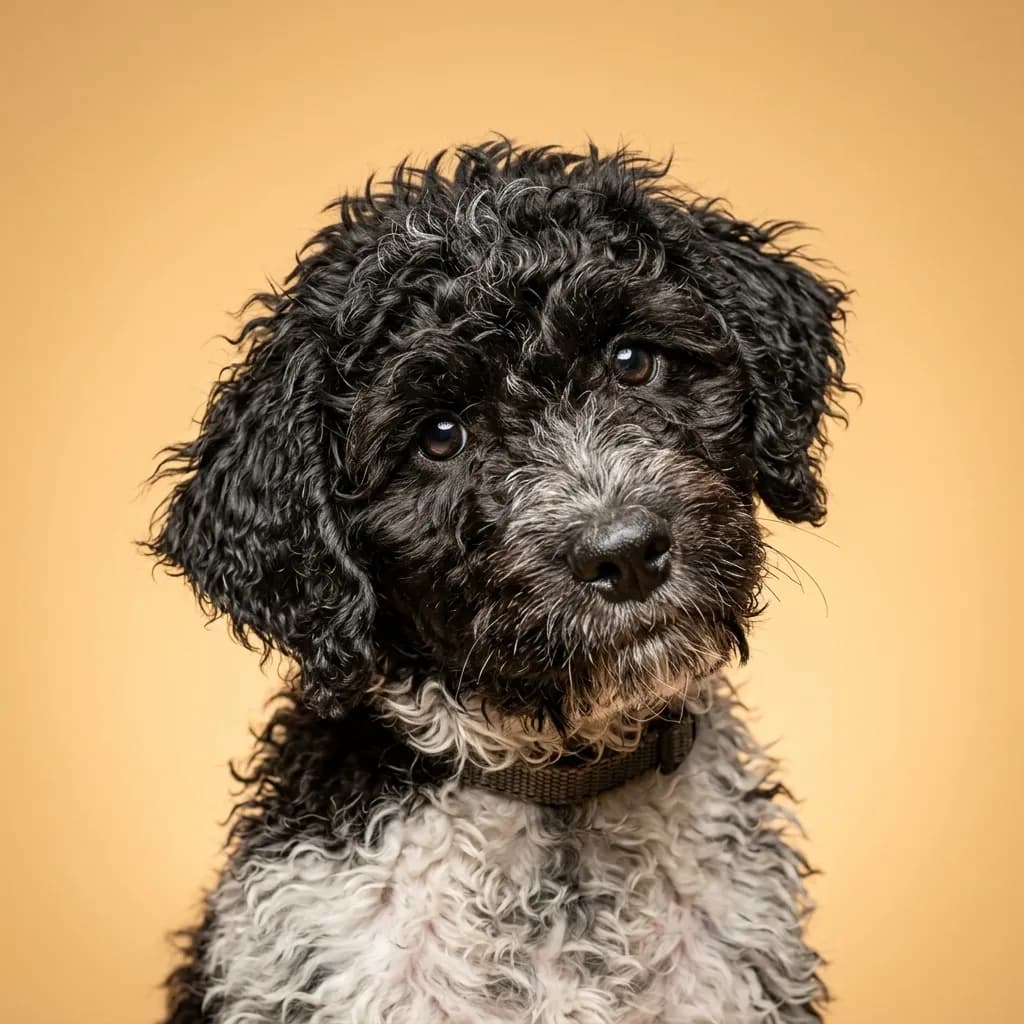
People compare the Pumi and Spanish Water Dog because they’re both rare, curly-coated herding breeds that thrive on activity and don’t shed much. At first glance, they seem like interchangeable choices for active, experienced owners. But once you live with one, the differences hit you fast. The Pumi is the wiry whirlwind, built like a spring and always one step ahead of you. At 22–29 pounds, it’s lighter and sharper, bred to nip and bark sheep into place in Hungary. This dog lives to work, learns fast, and needs constant mental fuel. It’s affectionate but intense—great with older kids who can keep up, not so much with toddlers it might knock over. You’ll need to walk it twice as hard as you think. If you compete in agility or love a dog that’s always on, the Pumi will feel like home. The Spanish Water Dog is sturdier, broader at 31–49 pounds, with a calmer presence under that corded coat. It’s still full of energy—4/5 is no joke—but it’s more grounded. Bred to herd and swim in Spain, it’s adaptable to water work and family life, more naturally tolerant with kids. But let those cords go, or brush it smooth, and you’re in for a grooming commitment either way. It’s less hyper-alert than the Pumi, making it slightly better for a stable home environment—if still far from lazy. Here’s the real insight: both need jobs, but the Pumi will invent work if you don’t give it some. It’ll herd your cats, bark at the mailman like it’s a national emergency, and out-think you daily. The Spanish Water Dog waits for direction. If you want a partner who challenges you, pick the Pumi. If you want a driven dog that still checks in with you, go for the Spanish Water Dog. Neither forgives a passive owner.
Trait-by-trait
Higher bar = more of that trait. Shedding, barking, drooling, grooming flipped for readability.Where they diverge
Choose the Pumi if…
- Active owners
- Dog sports enthusiasts
- Experienced herding breed owners
- You value watchdog / protective — Pumi scores noticeably higher.
Choose the Spanish Water Dog if…
- Active owners
- Allergy sufferers
- Dog sports enthusiasts
- You value coat grooming — Spanish Water Dog scores higher here.