Pumi vs Thai Ridgeback
Side-by-side comparison across all 14 AKC trait ratings, with a clear verdict on which breed fits which kind of household.

Not sure which breed fits your life?
Answer five questions about your home, your schedule, and your tolerance for shedding. We’ll match you to your top three breeds from over 200.
Pumi vs Thai Ridgeback
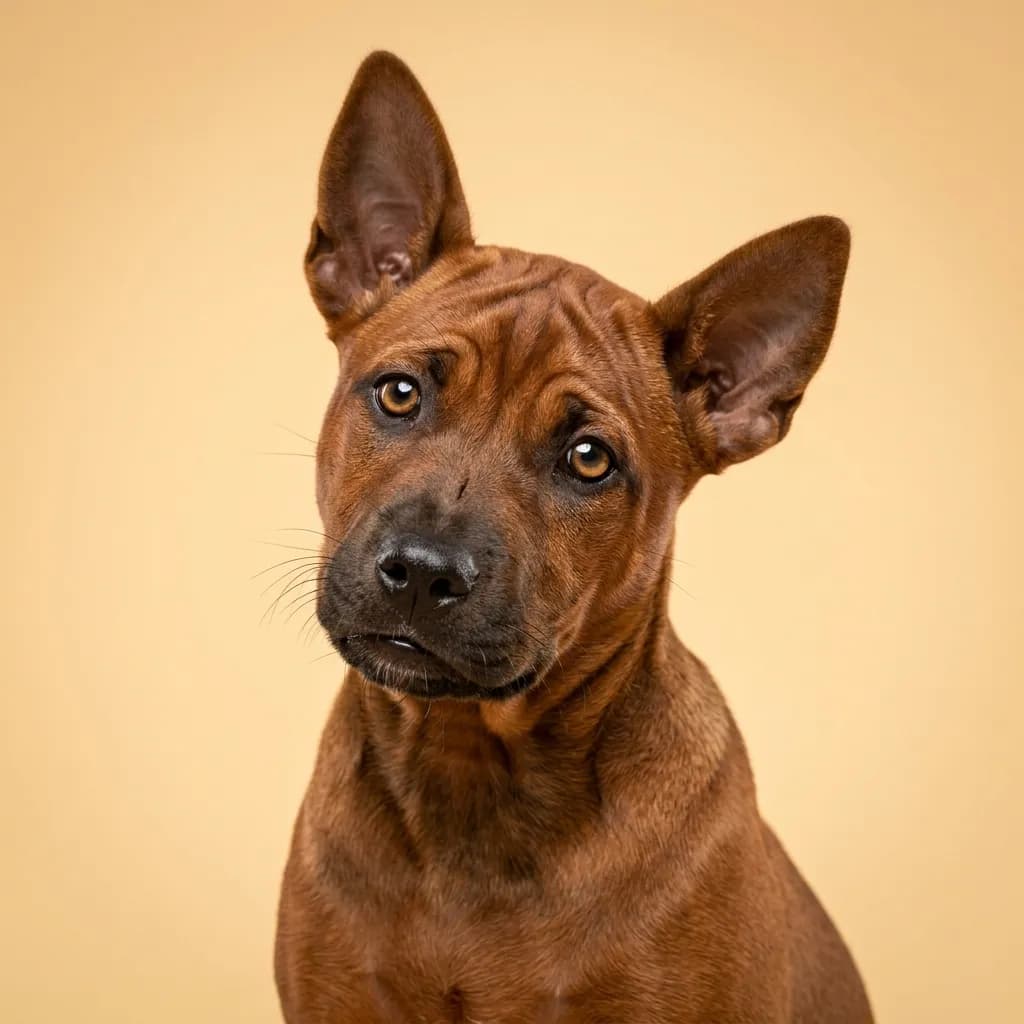
People compare the Pumi and Thai Ridgeback because both are rare, high-energy breeds with strong opinions and a look that turns heads. One’s a wiry-haired whirlwind from Hungary, the other a sleek, ridge-backed hunter from Thailand—on paper, they might seem like similar "active, unusual" picks. But in real life, they’re built for completely different kinds of chaos. The Pumi is your all-in, 24/7 partner in dog sports. This 25-pound tornado thrives on tasks—agility, obedience, herding trials, you name it. It’s obsessive about its people, needs constant mental fuel, and will bark to manage the mailman like he’s a rogue sheep. Great for experienced owners who want a low-shedding, hyper-engaged dog that lives to work. But if you're not matching its pace, it’ll develop nervous habits or redecorate your yard. The Thai Ridgeback is more like a feral poet with loyalty perks. Built for heat and independence, it’s strong, agile, and quietly observant. It bonds deeply but on its own terms. Don’t expect a biddable sidekick—it’s got ancient instincts and will ignore you if it smells something more interesting. Not a fan of cats or small dogs. It sheds moderately and needs space and structure, not constant stimulation. Pick the Pumi if you’ve got the time, training chops, and need a co-pilot in the dog sport world. Choose the Ridgeback if you’re experienced, live outdoors in a warm climate, and want a loyal, self-reliant guardian. Here’s the real talk: the Pumi will love you desperately but exhaust you emotionally. The Thai Ridgeback might tolerate your affection today and ghost you tomorrow. Neither forgives a weak routine. Both demand owners who respect their intelligence—but only one will scream at squirrels like it’s a job. Pick your drama.
Trait-by-trait
Higher bar = more of that trait. Shedding, barking, drooling, grooming flipped for readability.Where they diverge
Choose the Pumi if…
- Active owners
- Dog sports enthusiasts
- Experienced herding breed owners
- You value affectionate w/ family — Pumi scores noticeably higher.
Choose the Thai Ridgeback if…
- Experienced dog owners
- Active outdoor owners
- Those wanting a primitive, independent breed
- You value shedding level — Thai Ridgeback scores higher here.