Pumi vs Working Kelpie
Side-by-side comparison across all 14 AKC trait ratings, with a clear verdict on which breed fits which kind of household.

Not sure which breed fits your life?
Answer five questions about your home, your schedule, and your tolerance for shedding. We’ll match you to your top three breeds from over 200.
Pumi vs Working Kelpie
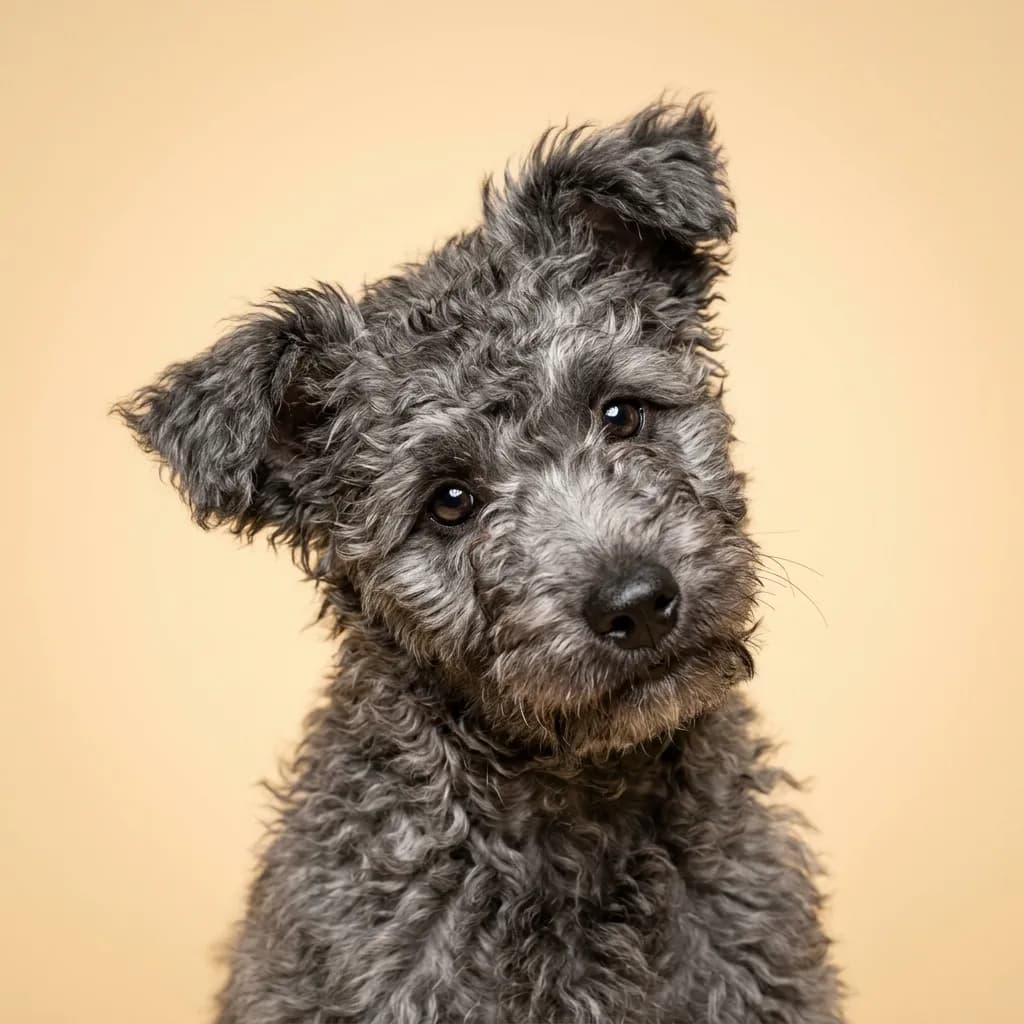
People compare Pumis and Working Kelpies because they’re both high-drive herding dogs with off-the-charts work ethics and brains to burn. On paper, they look similar—both are alert, biddable, and need serious mental and physical challenges. But if you’re choosing between them, the real difference isn’t in their energy levels. It’s in how they express it, and where they thrive. The Pumi is the quirky, expressive sprinter of the two. Compact, with a curly coat and wild mane, this Hungarian breed thrives in structured environments—dog sports, agility, obedience. They’re deeply bonded to their people, almost like a border collie with a sense of humor. They adapt surprisingly well to suburban life if worked hard, but don’t be fooled. Their 5/5 affection and need for mental stimulation mean they’ll latch onto your routines and expect engagement all day. They’re not great with small kids (3/5) and don’t shed much, which matters if allergies are a concern. The Working Kelpie, on the other hand, is built for endurance. Bred to cover miles in the Australian outback, they’re leaner, tougher, and more independent. They bond deeply with their handler but aren’t as openly affectionate. They’re excellent with kids, but their adaptability score is low for a reason—they need space and purpose. A Kelpie in the city without a job is a tornado of destruction. Here’s the insight no breeder will lead with: A Pumi wants to win the trial. A Kelpie wants to earn your trust through work. If you’re into precision and partnership, go Pumi. If you’re on a farm or logging miles on trails, the Kelpie’s your dog. Choose based on lifestyle, not looks.
Trait-by-trait
Higher bar = more of that trait. Shedding, barking, drooling, grooming flipped for readability.Where they diverge
Choose the Pumi if…
- Active owners
- Dog sports enthusiasts
- Experienced herding breed owners
- You value affectionate w/ family — Pumi scores noticeably higher.
Choose the Working Kelpie if…
- Farmers and ranchers
- Experienced dog owners
- Active rural lifestyles
- You value good with young children — Working Kelpie scores higher here.