Russian Toy vs Siberian Husky
Side-by-side comparison across all 14 AKC trait ratings, with a clear verdict on which breed fits which kind of household.
Not sure which breed fits your life?
Answer five questions about your home, your schedule, and your tolerance for shedding. We’ll match you to your top three breeds from over 200.
Russian Toy vs Siberian Husky
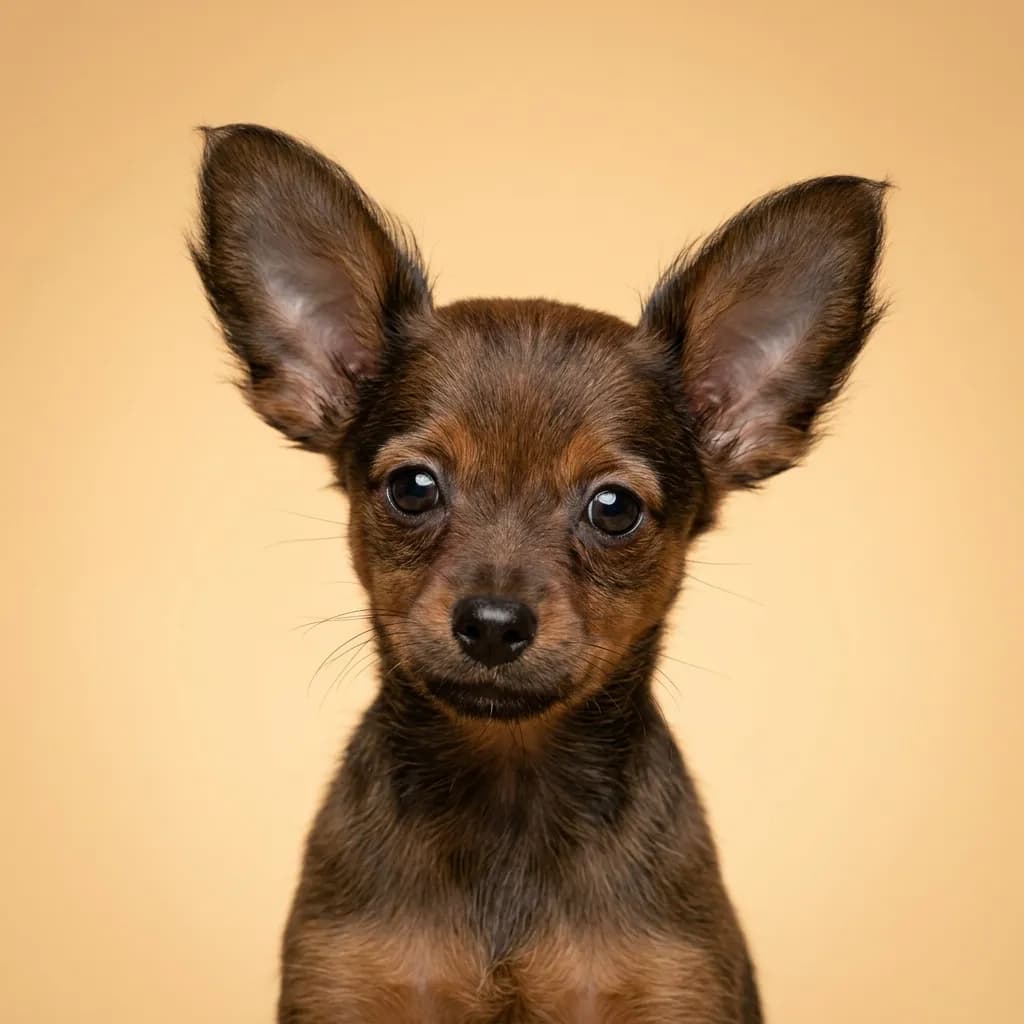
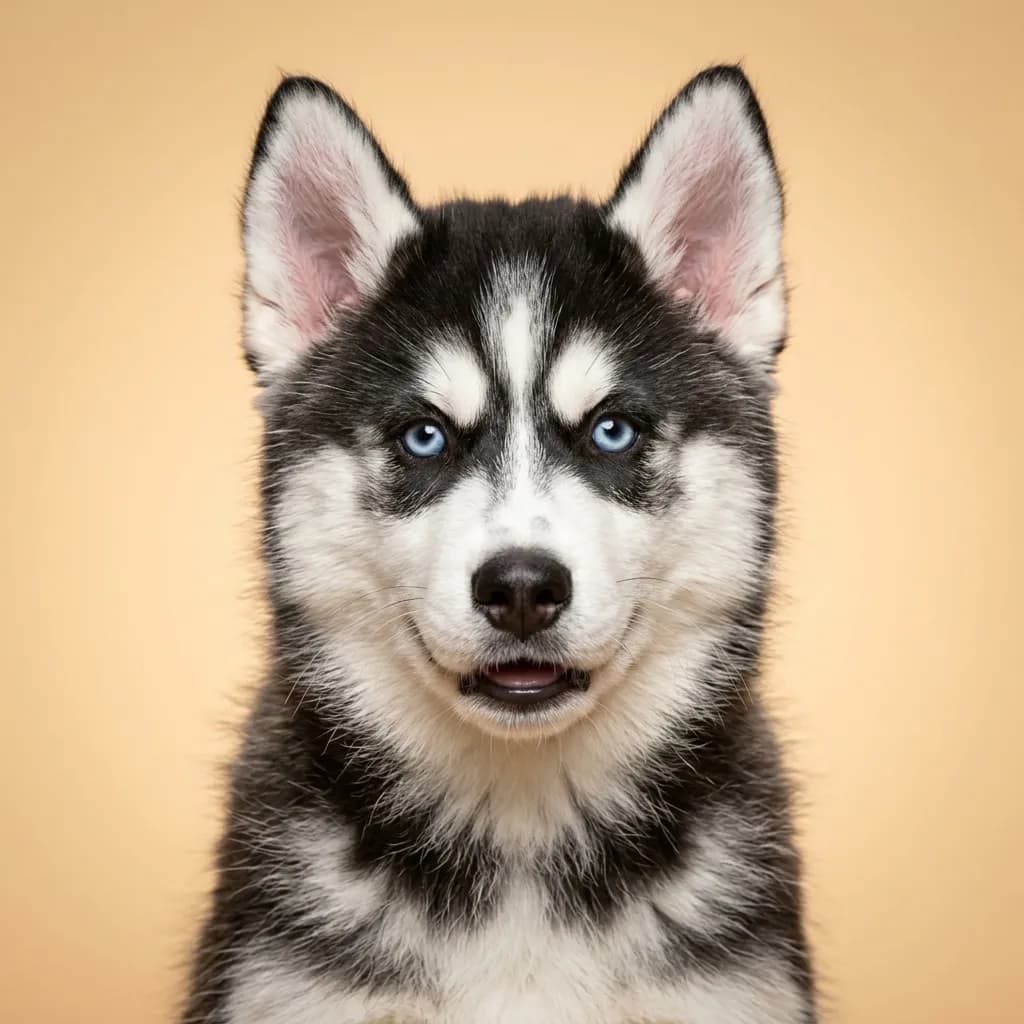
You don’t see many people actually trying to choose between a Russian Toy and a Siberian Husky. More often, someone falls for the Husky’s wolfish grin and wild energy, then panics when they realize they live in a studio apartment and work 50-hour weeks. That’s when they start searching for “small Husky-like dogs” and land on the Russian Toy—tiny, alert, with big ears and a feathery tail—sort of like a toy version of a northern breed. But make no mistake, these two share nothing but loyalty and a love for their people. The Russian Toy is the ultimate lap philosopher. At just 3 to 6.5 pounds, it lives to be near you, curled up on the couch or trotting beside you in the city. It’s sharp and learns quickly, but it doesn’t need hours of exercise—just a daily walk and some mental snacks. Still, it’s fragile. A misstep on stairs or a curious toddler’s grab can mean a fracture. And yes, it barks. A lot. It’s not mean, just vocal—like a tiny, elegant alarm system. The Husky? You’re not just getting a dog. You’re getting a force of nature. Thirty-five to 60 pounds of built-in treadmill energy. This dog needs space, winter weather, and a job—even if that job is just a 10-mile run. Training is a long game with Huskies. They’re clever in ways that work against you—escaping yards, stealing food, charming the neighbor into letting them roam. They’re amazing with kids, but terrible for hot climates or anyone who values a quiet, fur-free home. Here’s the real insight: both are escape artists. But while the Russian Toy slips out of a poorly latched door out of curiosity, the Husky will tunnel under your fence, scale a six-foot wall, and hitchhike to Alaska. Know what kind of escapee you can live with.
Trait-by-trait
Higher bar = more of that trait. Shedding, barking, drooling, grooming flipped for readability.Where they diverge
Choose the Russian Toy if…
- Apartment living
- Seniors
- Owners wanting a devoted companion
- You value watchdog / protective — Russian Toy scores noticeably higher.
Choose the Siberian Husky if…
- Active owners who exercise daily
- Cold climate households
- Families with children
- You value good with young children — Siberian Husky scores higher here.