Russian Toy vs Sloughi
Side-by-side comparison across all 14 AKC trait ratings, with a clear verdict on which breed fits which kind of household.

Not sure which breed fits your life?
Answer five questions about your home, your schedule, and your tolerance for shedding. We’ll match you to your top three breeds from over 200.
Russian Toy vs Sloughi
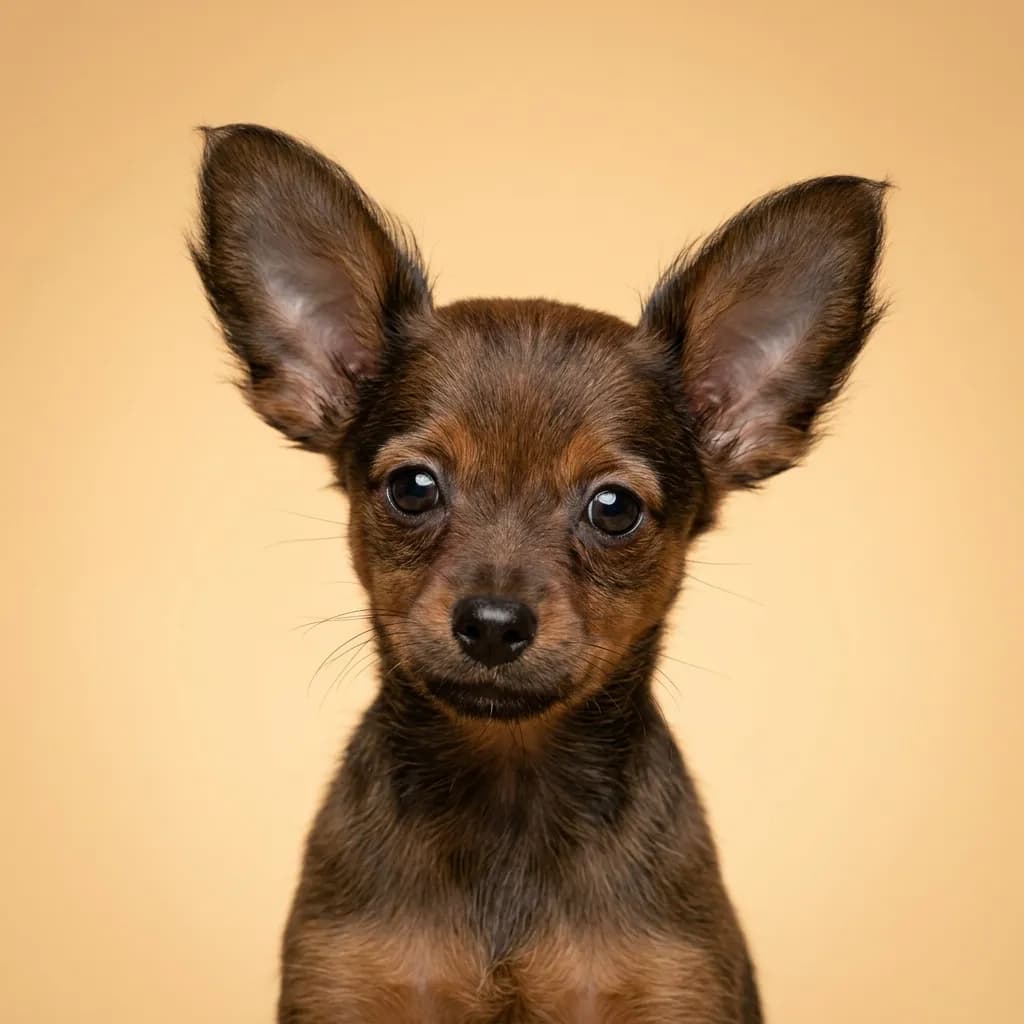
You’d never mistake a Russian Toy for a Sloughi in person, but they get compared because both are rare, elegant, and deeply loyal in their own quiet ways. People drawn to one often stumble upon the other while searching for something unique, graceful, and not mass-produced by the puppy mill pipeline. That’s where the similarity ends. The Russian Toy is the tiny, velvety shadow who lives for you. It’s the kind of dog that learns your coffee routine, barks at unfamiliar noises, and will sleep curled in the crook of your legs like a warm pocket pet. At 3 to 6.5 pounds, it’s built for apartments and laps, not backcountry sprints. It bonds hard and fast, but its fragility means it won’t survive roughhousing or careless toddlers. You’ll need to be home often—this dog doesn’t do solitude well. The Sloughi, by contrast, is a desert ghost. Standing 24 to 29 inches tall, it moves like wind over sand. Calm indoors, but one squirrel sighting and it’s airborne. It’s not stubborn, but its independence means it won’t jump just because you say so. It’s affectionate in private, reserved with strangers, and absolutely requires a high, secure fence. You don’t own a Sloughi—you earn its trust. Pick the Russian Toy if you want a tiny, alert confidant who thrives on closeness and routine. Choose the Sloughi if you’re an experienced handler with space, patience, and respect for a dog that thinks like a predator. Here’s the real talk: both are emotionally sensitive, but in opposite climates. The Toy needs constant emotional warmth. The Sloughi needs space to be cool—and will shut down if pushed too hard. Know yourself: are you a radiator or a refuge? That’s the question that matters.
Trait-by-trait
Higher bar = more of that trait. Shedding, barking, drooling, grooming flipped for readability.Where they diverge
Choose the Russian Toy if…
- Apartment living
- Seniors
- Owners wanting a devoted companion
- You value watchdog / protective — Russian Toy scores noticeably higher.
Choose the Sloughi if…
- Experienced sighthound owners
- Active owners with running space
- Those wanting a sensitive, loyal companion
- You value energy level — Sloughi scores higher here.