Russian Tsvetnaya Bolonka vs Saint Bernard
Side-by-side comparison across all 14 AKC trait ratings, with a clear verdict on which breed fits which kind of household.

Not sure which breed fits your life?
Answer five questions about your home, your schedule, and your tolerance for shedding. We’ll match you to your top three breeds from over 200.
Russian Tsvetnaya Bolonka vs Saint Bernard
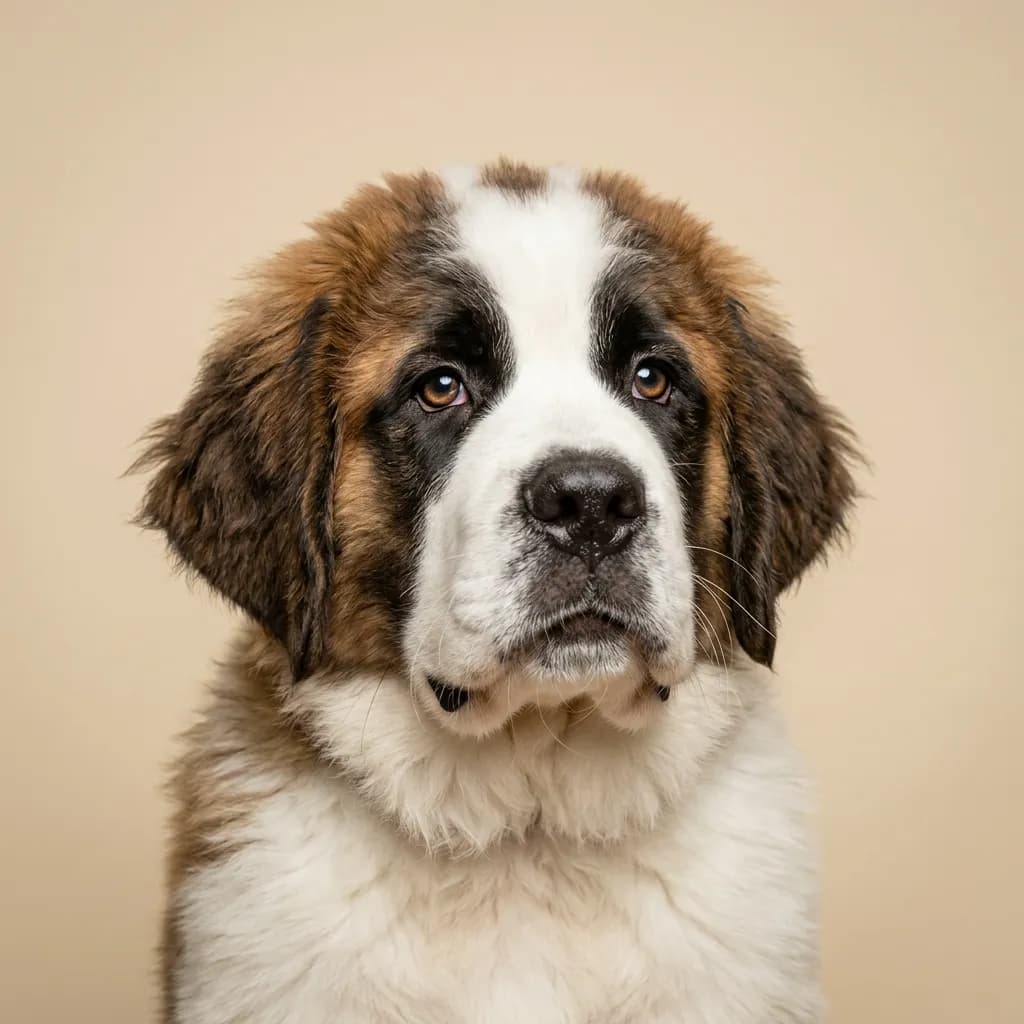
You’re not really comparing these two unless you’re deep in the weeds of breed research and suddenly realized how wildly different dogs can share a few surface traits—like being affectionate, charming, and surprisingly playful for their respective sizes. But that’s where the similarities end. The Russian Tsvetnaya Bolonka and the Saint Bernard are like a studio apartment in Moscow and a chalet in the Alps: one is built for cozy efficiency, the other for rugged grandeur. The Bolonka is a lap-sized companion bred for Soviet elites who wanted a dog that fit in a purse and didn’t shed. At under 12 pounds, she’s perfect for city living, seniors, or families with older, gentle kids. She’ll bark at the mailman, charm your guests, and need daily grooming to keep her curly coat tangle-free. She’s not a couch potato—she’s alert and inquisitive—but she won’t wear you out. Just don’t leave her alone for hours; she bonds hard and hates loneliness. Now, the Saint Bernard. This is a dog that knocks over coffee tables just by wagging. At 120+ pounds, he’s a rescue veteran of Alpine snowdrifts, built for cold weather and space. He’s sweet as pie with kids, barely barks, and drools like a leaky faucet. His shedding is no joke, and bloat is a real threat—he needs careful feeding and monitoring. He’s adaptable to family life but needs room, routine, and someone home most of the time. Here’s the thing no breeder brochure tells you: the Bolonka thrives on attention and can become anxious if ignored. The Saint Bernard, for all his size, is often the calmest soul in the house—but he’ll eat your coffee table if bored. Pick the Bolonka if you want a portable, hypoallergenic shadow. Pick the Saint Bernard if you want a gentle, massive heart in fur form and don’t mind cleaning up after him—literally.
Trait-by-trait
Higher bar = more of that trait. Shedding, barking, drooling, grooming flipped for readability.Where they diverge
Choose the Russian Tsvetnaya Bolonka if…
- Apartment living
- Seniors
- Families with gentle children
- You value barking level — Russian Tsvetnaya Bolonka scores noticeably higher.
Choose the Saint Bernard if…
- Families with children
- Those wanting a gentle giant
- Cold climate households
- You value drooling level — Saint Bernard scores higher here.