Russian Tsvetnaya Bolonka vs Sloughi
Side-by-side comparison across all 14 AKC trait ratings, with a clear verdict on which breed fits which kind of household.

Not sure which breed fits your life?
Answer five questions about your home, your schedule, and your tolerance for shedding. We’ll match you to your top three breeds from over 200.
Russian Tsvetnaya Bolonka vs Sloughi
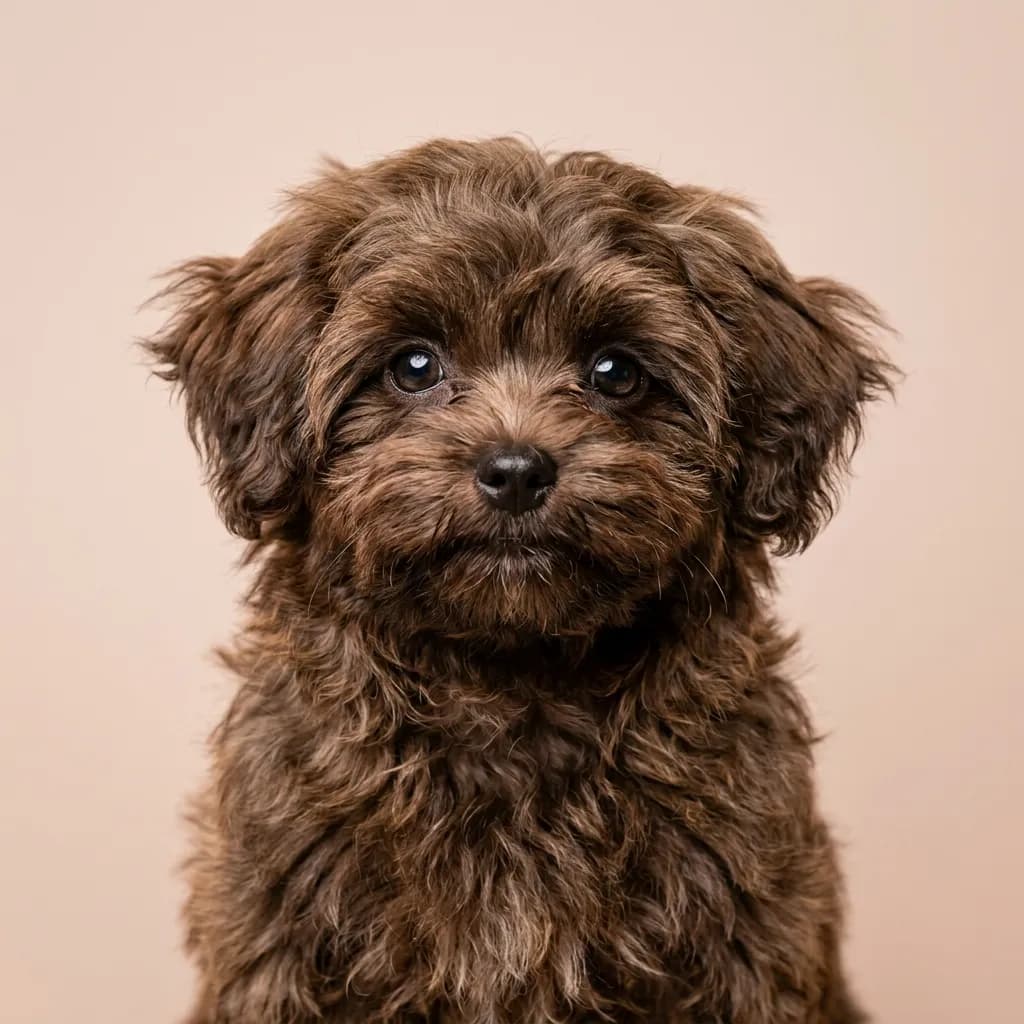
You’re not seeing these two dogs side by side at the dog park—because they live in completely different worlds. But people do compare them, usually when they’re deep in the research hole, torn between a tiny, sprightly companion and a statuesque, soulful sighthound. What they’re really asking is: do I want a living teddy bear or a desert poet? The Russian Tsvetnaya Bolonka is the ultimate lapdog with a wink. At just 4.5 to 11 pounds, this little charmer thrives in apartments, curls up on your sweater, and barks with opinion. They’re affectionate to a fault and adapt to almost any routine, but don’t mistake their size for low maintenance. They need grooming, attention, and hate being left alone. They’re great with gentle kids, but not the pick for someone who wants a rugged outdoor buddy. Now picture the Sloughi—tall, lean, and quiet as moonlight. This isn’t a dog that follows you room to room. He’s more likely to watch from the corner, dignified and reserved. He bonds deeply but on his terms. You’ll need space, a high fence, and the patience to work with a dog that thinks independently. He’s not loud, but he will chase a squirrel into another county if given the chance. The real difference? Lifestyle. The Bolonka fits into yours like a warm slipper. The Sloughi asks you to reshape your world around his instincts. Here’s the insight no breeder brochure tells you: the Bolonka’s constant presence can become emotional clinginess if not managed, while the Sloughi’s aloofness can feel like indifference—until he proves, in quiet moments, that he’s been paying attention all along.
Trait-by-trait
Higher bar = more of that trait. Shedding, barking, drooling, grooming flipped for readability.Where they diverge
Choose the Russian Tsvetnaya Bolonka if…
- Apartment living
- Seniors
- Families with gentle children
- You value coat grooming — Russian Tsvetnaya Bolonka scores noticeably higher.
Choose the Sloughi if…
- Experienced sighthound owners
- Active owners with running space
- Those wanting a sensitive, loyal companion
- You value shedding level — Sloughi scores higher here.