Saluki vs Swedish Lapphund
Side-by-side comparison across all 14 AKC trait ratings, with a clear verdict on which breed fits which kind of household.

Not sure which breed fits your life?
Answer five questions about your home, your schedule, and your tolerance for shedding. We’ll match you to your top three breeds from over 200.
Saluki vs Swedish Lapphund
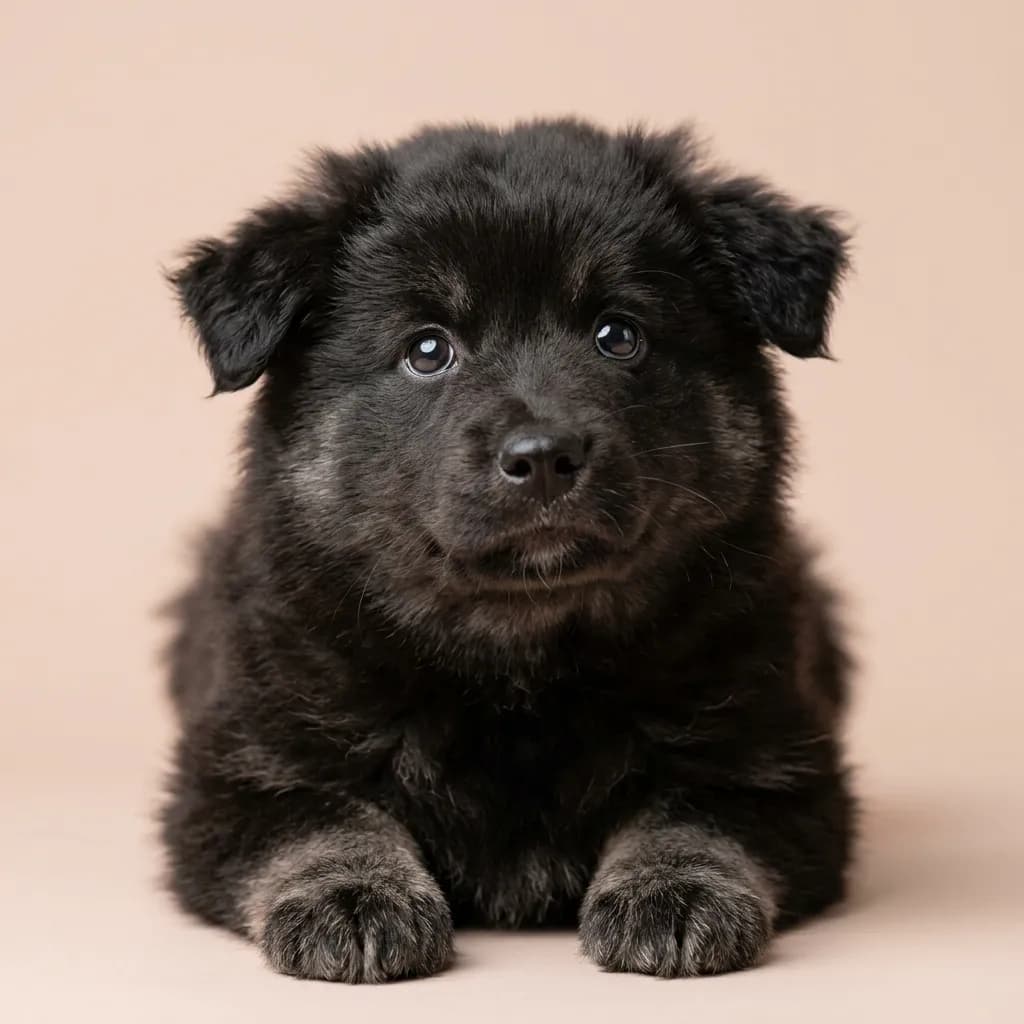
People compare Salukis and Swedish Lapphunds because both are rare, ancient breeds with an almost mythical aura. At first glance, they seem equally exotic—one from the deserts of the Arabian Peninsula, the other from the Arctic forests of Sweden. Both are affectionate and intelligent. But if you’re choosing between them, you’re really deciding between fire and ice, speed and stamina, silence and sound. The Saluki is a desert ghost, built for sprinting across open terrain. It’s elegant, aloof, and deeply independent. You’ll need a secure fence—six feet, no gaps—because if it sees something move in the distance, it will chase. It won’t bark much, but it won’t cuddle on command either. This isn’t a velcro dog. It loves you, sure, but on its terms. You’ll need space, patience, and experience with sighthounds. The Swedish Lapphund, meanwhile, is all spark and alertness. It’s smaller, thick-coated, and thrives in cold climates. It barks—watchdog instinct is strong—so if your neighbor’s trash can tips over, you’ll hear about it. It’s more trainable, eager to please, and loves dog sports. But it needs mental work, not just walks. Leave it bored, and it’ll find its own games—probably involving your shoes. One honest insight: Salukis may look regal and serene, but they’re not low-energy. They need space to burn out that 4/5 energy in seconds. And the Lapphund’s affection isn’t just warmth—it’s vigilance. This dog notices everything. Pick the Saluki if you want a quiet, noble companion who runs like the wind but keeps emotional space. Pick the Lapphund if you want a lively, loyal partner who’ll bark at the mailman and then learn a new trick by dinner. Your lifestyle—not your Pinterest board—should decide this.
Trait-by-trait
Higher bar = more of that trait. Shedding, barking, drooling, grooming flipped for readability.Where they diverge
Choose the Saluki if…
- Active owners with running space
- Experienced sighthound owners
- Those wanting an elegant, quiet breed
- You value mental stimulation needs — Saluki scores noticeably higher.
Choose the Swedish Lapphund if…
- Active families
- Cold climate households
- Dog sports enthusiasts
- You value watchdog / protective — Swedish Lapphund scores higher here.