Schipperke vs Tibetan Mastiff
Side-by-side comparison across all 14 AKC trait ratings, with a clear verdict on which breed fits which kind of household.
Not sure which breed fits your life?
Answer five questions about your home, your schedule, and your tolerance for shedding. We’ll match you to your top three breeds from over 200.
Schipperke vs Tibetan Mastiff
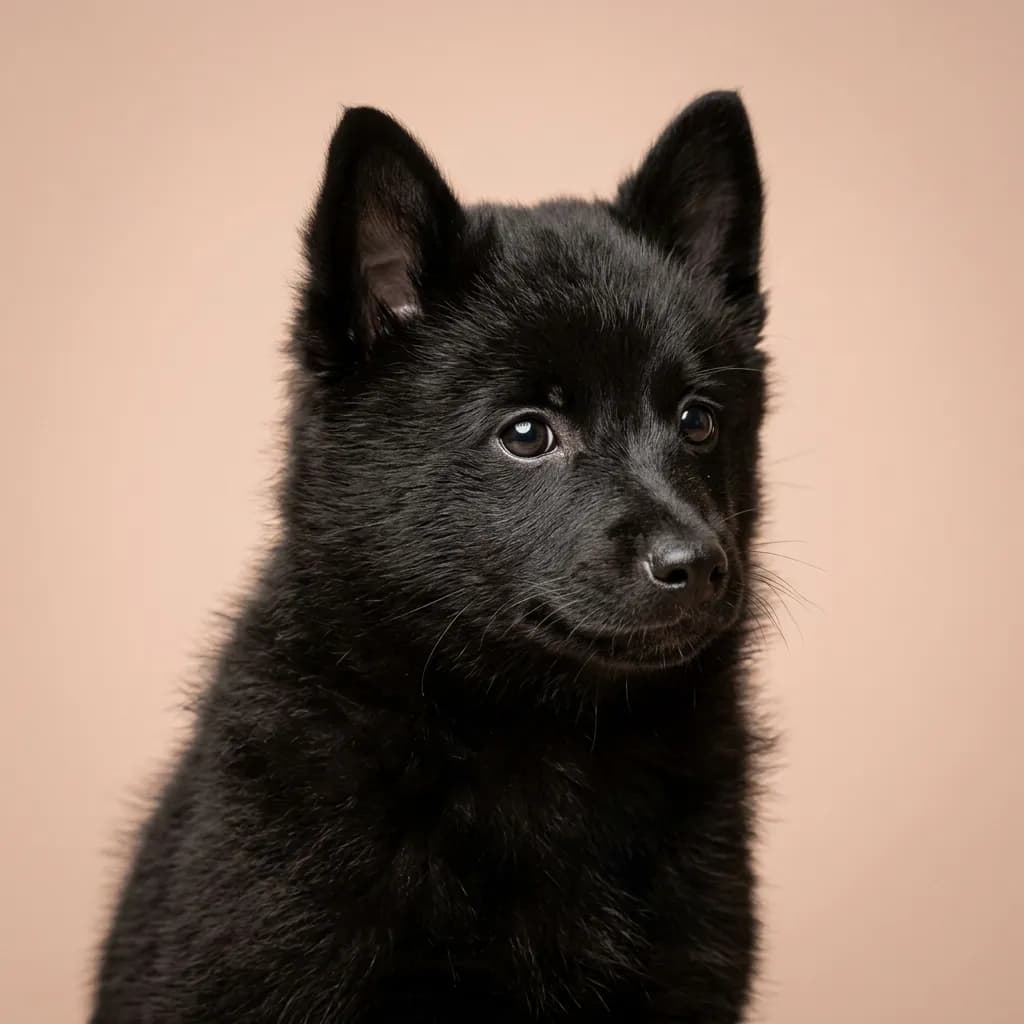
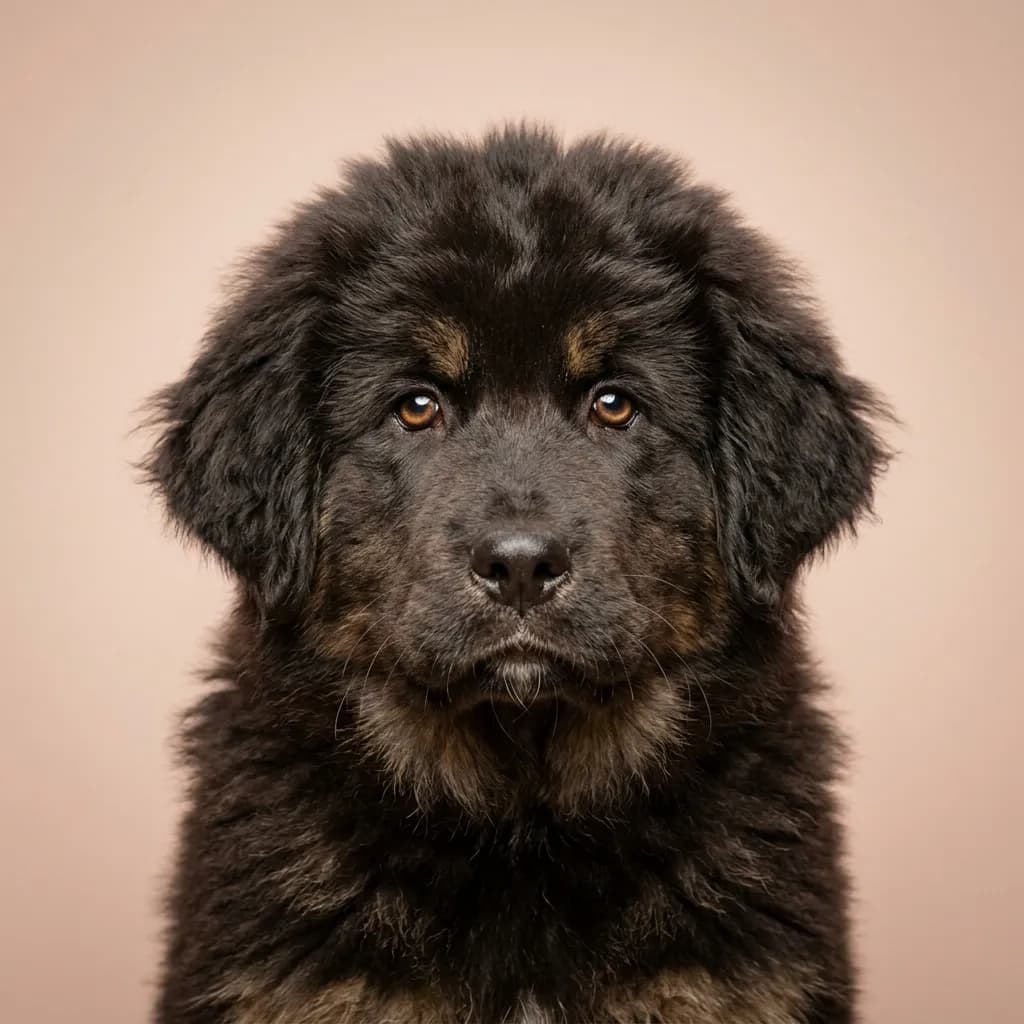
You’re not going to find two dogs more different that people somehow lump together just because they’ve got thick coats and strong personalities. The Schipperke and Tibetan Mastiff? They’re both bold, sure. Both can bark. But one belongs in a Belgian barge captain’s cabin, the other in a Himalayan monk’s fortress. The Schipperke is the tiny black whirlwind with a cape and a Napoleon complex. He’s nimble, quick to learn, and will follow you from room to room like a furry shadow. He’s not the loudest, but he’s always watching, always ready to sound the alarm if the mail truck breathes too hard. Great for a suburban home with an active owner who doesn’t mind a curious, sometimes stubborn little guy testing boundaries. Kids need to be older—this isn’t a plush toy. Then there’s the Tibetan Mastiff. This isn’t a pet so much as a four-legged sovereign. Massive, aloof, built for freezing winds and guarding flocks against wolves. He’s not eager to please like the Schipperke. He’ll consider your request, maybe act on it tomorrow. You need space, cold weather, and the confidence to lead a dog that doesn’t care what you think. Apartment life? Out of the question. First-time owner? Don’t do it. Here’s the real talk: both can be one-person dogs, but for opposite reasons. The Schipperke bonds tightly because he wants to be with you, every second. The Tibetan Mastiff bonds because he decides you’re worth guarding—and that comes with a lifetime of quiet vigilance, not cuddles on command. Pick the Schipperke if you want a bold little companion who punches above his weight. Pick the Mastiff only if you’re ready for a guardian, not just a dog.
Trait-by-trait
Higher bar = more of that trait. Shedding, barking, drooling, grooming flipped for readability.Where they diverge
Choose the Schipperke if…
- Active owners
- Those wanting a small but bold breed
- Suburban or rural settings
- You value good with strangers — Schipperke scores noticeably higher.
Choose the Tibetan Mastiff if…
- Experienced large-breed owners
- Cold climate households
- Those wanting a serious guardian breed
- You value drooling level — Tibetan Mastiff scores higher here.