Schipperke vs Tornjak
Side-by-side comparison across all 14 AKC trait ratings, with a clear verdict on which breed fits which kind of household.
Not sure which breed fits your life?
Answer five questions about your home, your schedule, and your tolerance for shedding. We’ll match you to your top three breeds from over 200.
Schipperke vs Tornjak
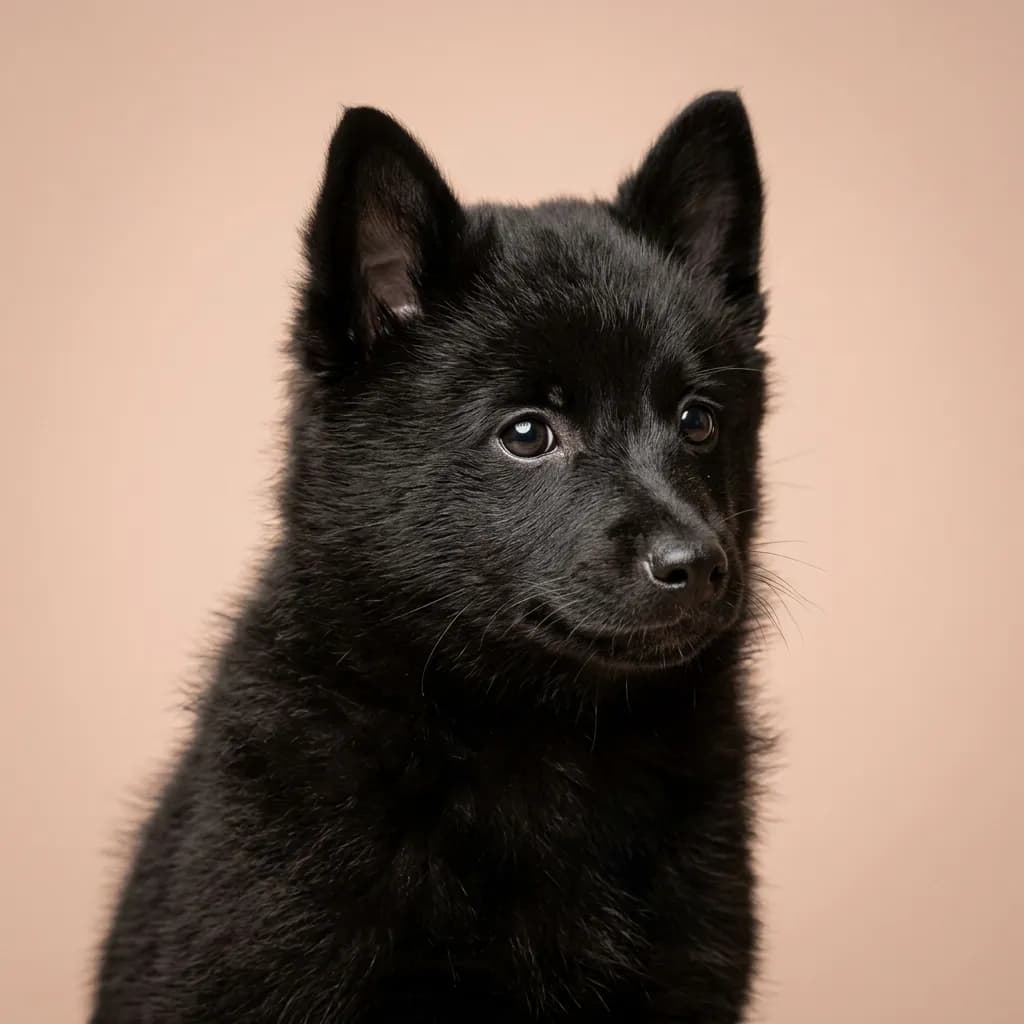
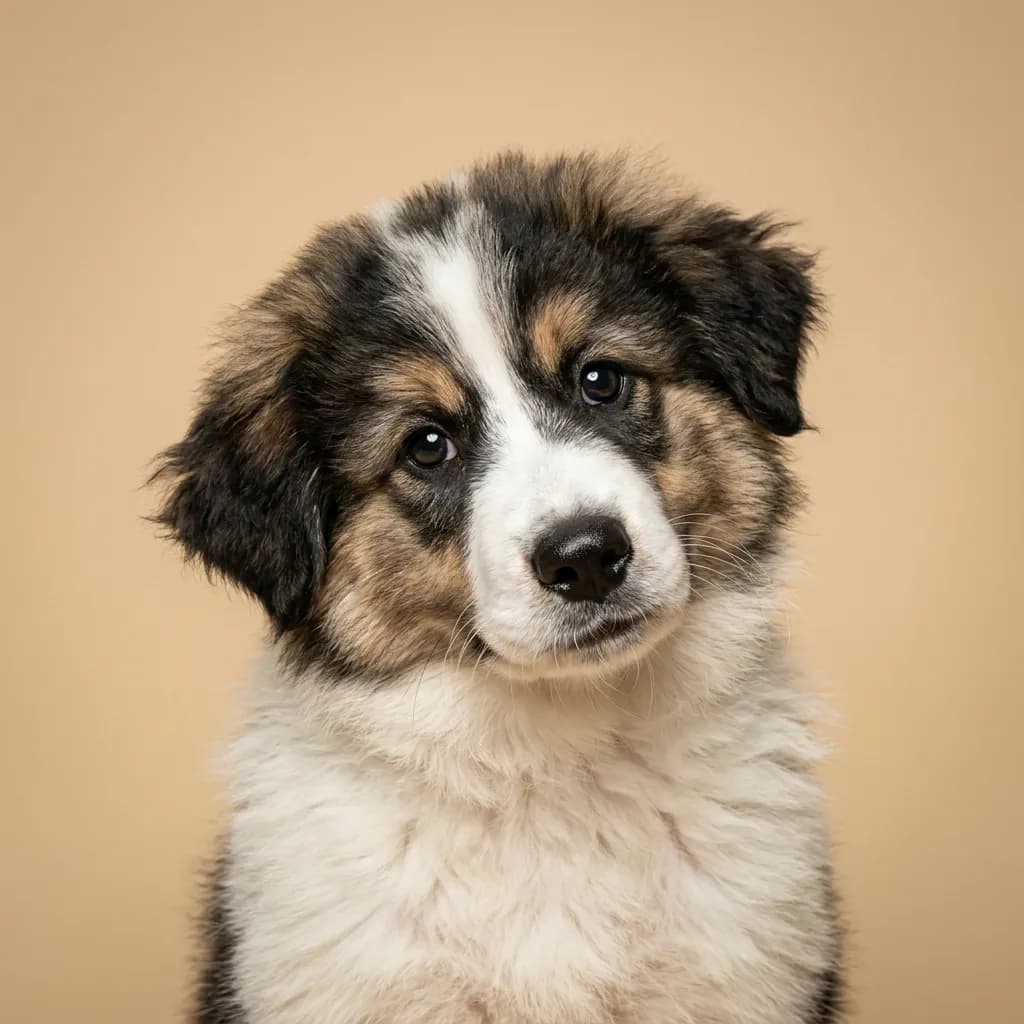
You probably wouldn’t compare a Schipperke and a Tornjak if you weren’t deep in the dog world—maybe you’re torn between a small, feisty companion and a massive, quiet guardian. The only reason people stack these two up is because both are rare, both are loyal, and both have that “living shadow” intensity. But that’s where the similarity ends. The Schipperke is your inquisitive little daredevil. Think of a black velvet comet zipping through your backyard, barking at squirrels like it owes him money. He’s bold, affectionate, and thrives on interaction. You’ll need time to train him—he’s smart but opinionated—and if you live in a apartment or have young kids, his energy and bark can grate. He’s not a lap dog, but he’ll follow you like a furry stalker. The Tornjak? He’s the mountain that moves. Bred to guard flocks in the Balkans, he’s calm, deeply loyal, and built for cold, wide-open spaces. He’s not hyper, but his size alone—up to 110 pounds—makes him a poor fit for city life. He’s less yappy than the Schipperke, but way harder to manage if you’re inexperienced. Training takes patience. Socialization is non-negotiable. Pick the Schipperke if you want a spark—someone who turns daily walks into adventures and doesn’t mind suburban life. Pick the Tornjak if you’ve got land, experience, and need a gentle giant who’ll stand between your family and anything that seems off. Here’s the real talk: neither breed is truly “low maintenance.” The Schipperke needs mental engagement or he’ll chew your shoes out of boredom. The Tornjak needs structure—without it, his independence becomes stubbornness. Both are loyal to a fault, but they love on their own terms.
Trait-by-trait
Higher bar = more of that trait. Shedding, barking, drooling, grooming flipped for readability.Where they diverge
Choose the Schipperke if…
- Active owners
- Those wanting a small but bold breed
- Suburban or rural settings
- You value good with other dogs — Schipperke scores noticeably higher.
Choose the Tornjak if…
- Experienced large-breed owners
- Farm or rural settings
- Livestock guardian needs
- You value drooling level — Tornjak scores higher here.