Silky Terrier vs Vizsla
Side-by-side comparison across all 14 AKC trait ratings, with a clear verdict on which breed fits which kind of household.

Not sure which breed fits your life?
Answer five questions about your home, your schedule, and your tolerance for shedding. We’ll match you to your top three breeds from over 200.
Silky Terrier vs Vizsla
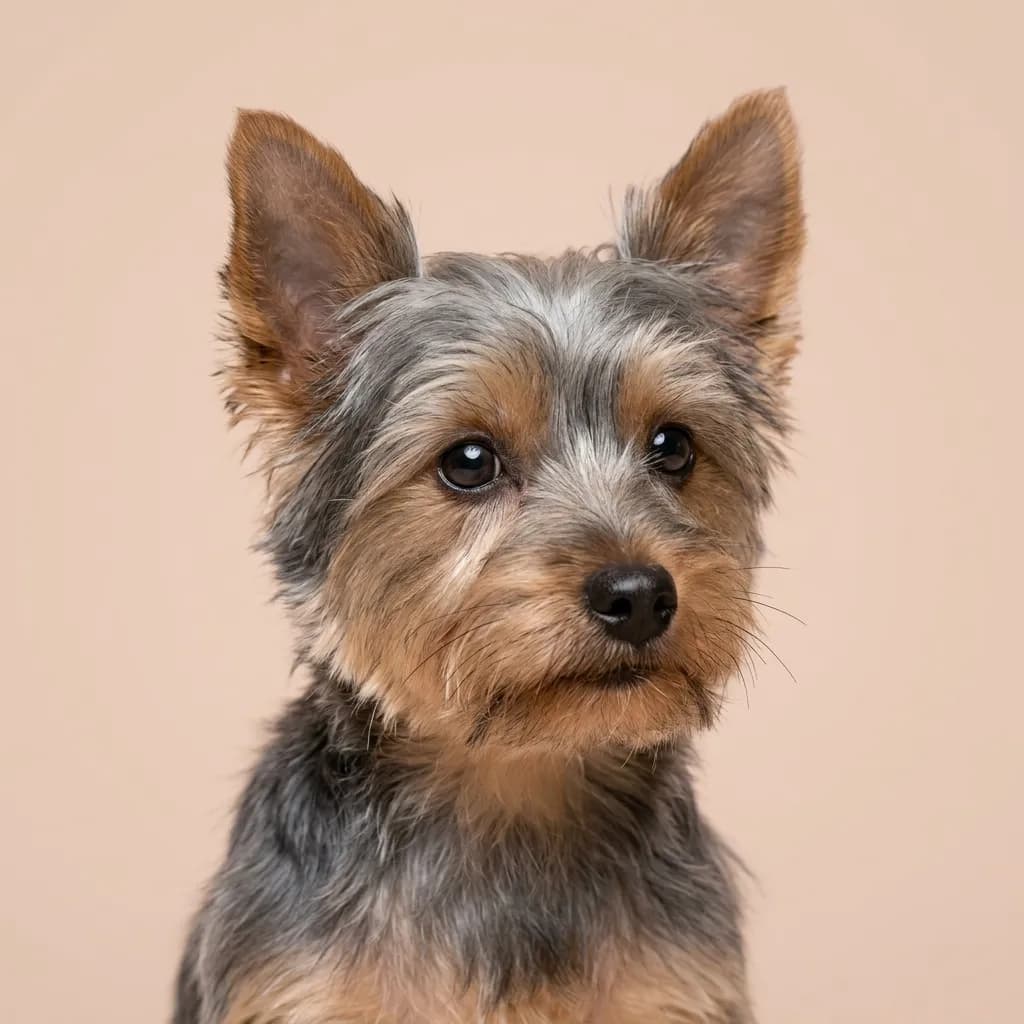
You don’t see Silky Terriers and Vizslas sizing each other up at dog parks often—one’s a pocket-sized dynamo from Australia, the other a lean, rust-gold athlete from Hungary built for covering miles in the field. But people compare them because both are affectionate, loyal, and thrive on being close to their people. That’s where the similarities end. If your life happens mostly indoors and you want a small dog that still brings firecracker energy and alertness, the Silky Terrier might be your match. At under 10 pounds, he’s easy to carry but don’t be fooled—he’s got opinions, barks at passing squirrels, and needs daily brushing to keep that silky coat tangle-free. He’s not a snoozer on the couch. He’s a watchful little character who’ll bond deeply with you but might not tolerate chaotic homes with young kids or pets he views as prey. Now picture the Vizsla—sleek, muscular, all lean lines and golden eyes that follow your every move. This dog is Velcro with fur. He needs hours of exercise, mental challenges, and your presence. Leave him alone too long and he’ll redecorate your couch out of sheer distress. But get him outside on a trail, bike ride, or hunt, and he’s in his element. He’s gentle with kids, easy to train, and sheds moderately—which surprises people who expect a high-maintenance coat, but his grooming is simple. Here’s what the data won’t tell you: size isn’t the biggest difference. It’s emotional bandwidth. The Silky wants to be involved in your life from a perch on the windowsill. The Vizsla wants to be your life. Choose the Silky if you want a spirited companion who fits in a tote bag. Choose the Vizsla only if you’re ready for a dog that lives and breathes with you, every single day.
Trait-by-trait
Higher bar = more of that trait. Shedding, barking, drooling, grooming flipped for readability.Where they diverge
Choose the Silky Terrier if…
- Apartment living
- Active owners despite small size
- Those wanting a long-coated but manageable breed
- You value watchdog / protective — Silky Terrier scores noticeably higher.
Choose the Vizsla if…
- Active families
- Runners and cyclists
- Hunters
- You value good with young children — Vizsla scores higher here.