Skye Terrier vs Swedish Vallhund
Side-by-side comparison across all 14 AKC trait ratings, with a clear verdict on which breed fits which kind of household.
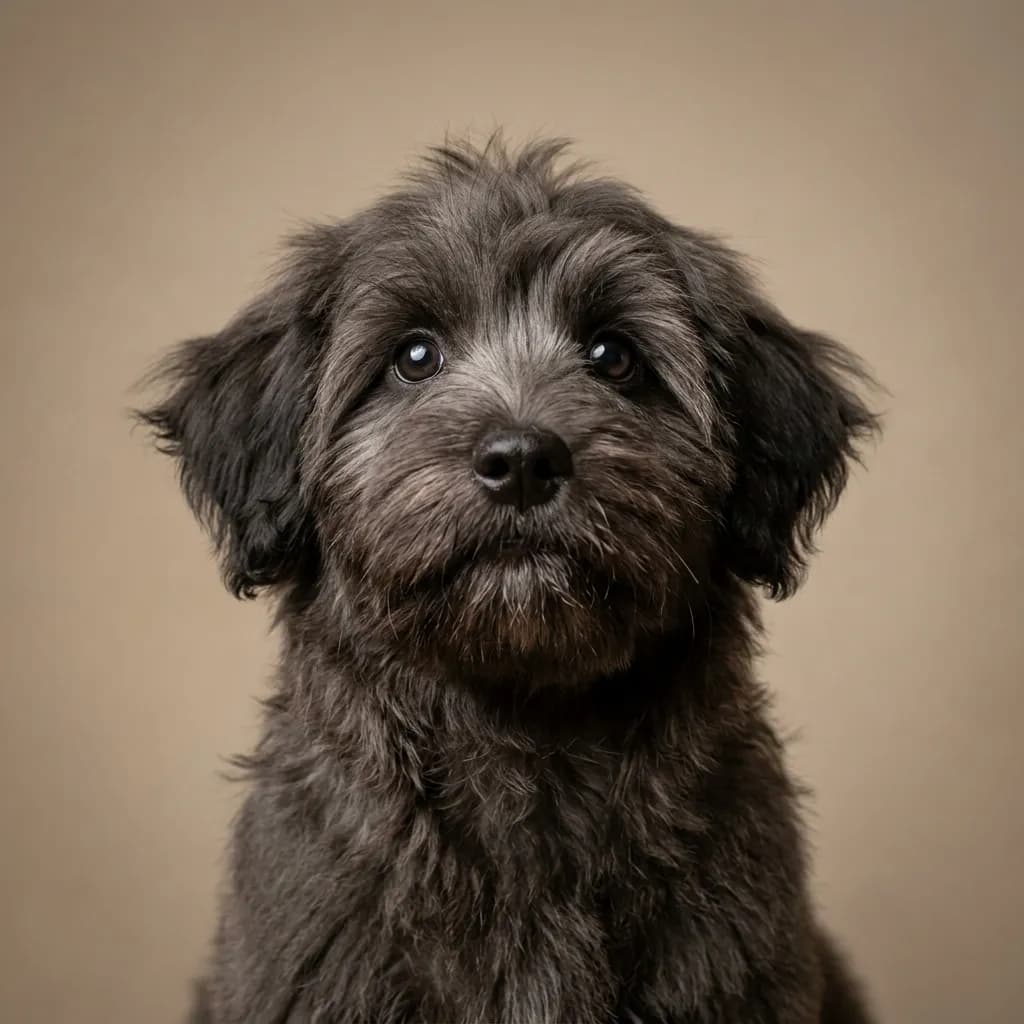
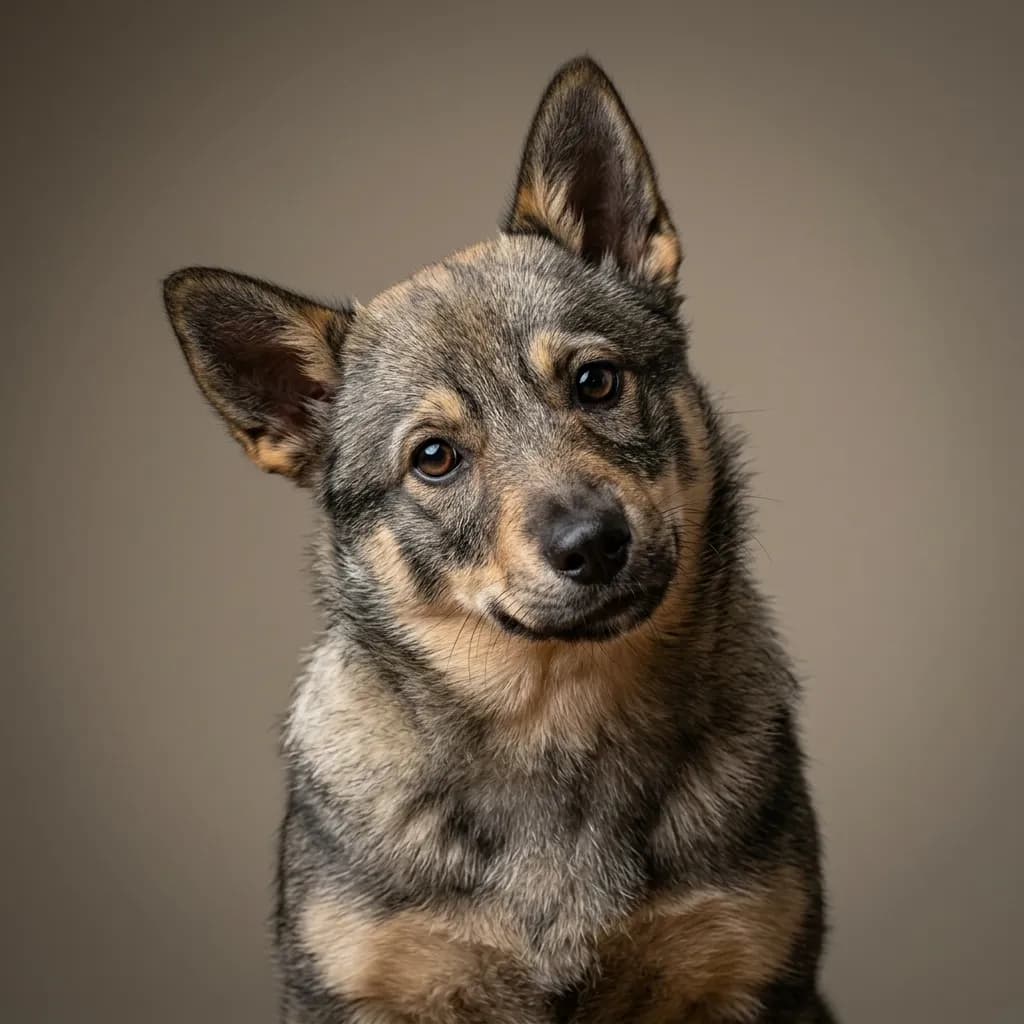
Not sure which breed fits your life?
Answer five questions about your home, your schedule, and your tolerance for shedding. We’ll match you to your top three breeds from over 200.
Skye Terrier vs Swedish Vallhund
You don’t see a Skye Terrier and a Swedish Vallhund and think they’re interchangeable—but somehow, they come up side by side in searches, probably because both are rare, low-slung dogs with big personalities and tails that range from short to nonexistent. That’s where the similarity ends. These breeds come from opposite corners of Europe and entirely different jobs, and choosing between them isn’t just preference—it’s lifestyle. The Skye Terrier is a quiet storm. He’s built like a low-slung tank with a coat that drags the ground and a loyalty that borders on silent obsession. He’ll attach himself to one or two people and watch the world warily. He’s not a barky dog, but he’s not exactly eager to please either. Training takes patience, grooming takes weekly commitment, and if you have a toddler zipping around the house or a pet rabbit, this isn’t your breed. He was made to go underground after foxes, so that prey drive is real. The Vallhund, meanwhile, is a pocket-sized herding dynamo. He’s half the weight of a Skye, but twice the energy. He’ll greet the kids with enthusiasm, learn tricks fast, and thrive in agility or barn hunt. He sheds more than the Skye and needs activity to stay sane. If you’re home all day on the couch, he’ll turn into a barking, nipping nuisance. But if you’re active, he’s game. Here’s the truth beyond the numbers: the Skye Terrier is a companion for someone who values depth over drama. The Vallhund is for someone who wants a dog that’s always on. Pick the Skye if you want a dignified shadow. Pick the Vallhund if you want a tireless partner.
Trait-by-trait
Higher bar = more of that trait. Shedding, barking, drooling, grooming flipped for readability.Where they diverge
Choose the Skye Terrier if…
- Experienced terrier owners
- Adults and older children households
- Those wanting a loyal, devoted breed
- You value coat grooming — Skye Terrier scores noticeably higher.
Choose the Swedish Vallhund if…
- Active families
- Dog sports enthusiasts
- First-time dog owners willing to train
- You value good with young children — Swedish Vallhund scores higher here.