Swedish Lapphund vs Thai Ridgeback
Side-by-side comparison across all 14 AKC trait ratings, with a clear verdict on which breed fits which kind of household.
Not sure which breed fits your life?
Answer five questions about your home, your schedule, and your tolerance for shedding. We’ll match you to your top three breeds from over 200.
Swedish Lapphund vs Thai Ridgeback
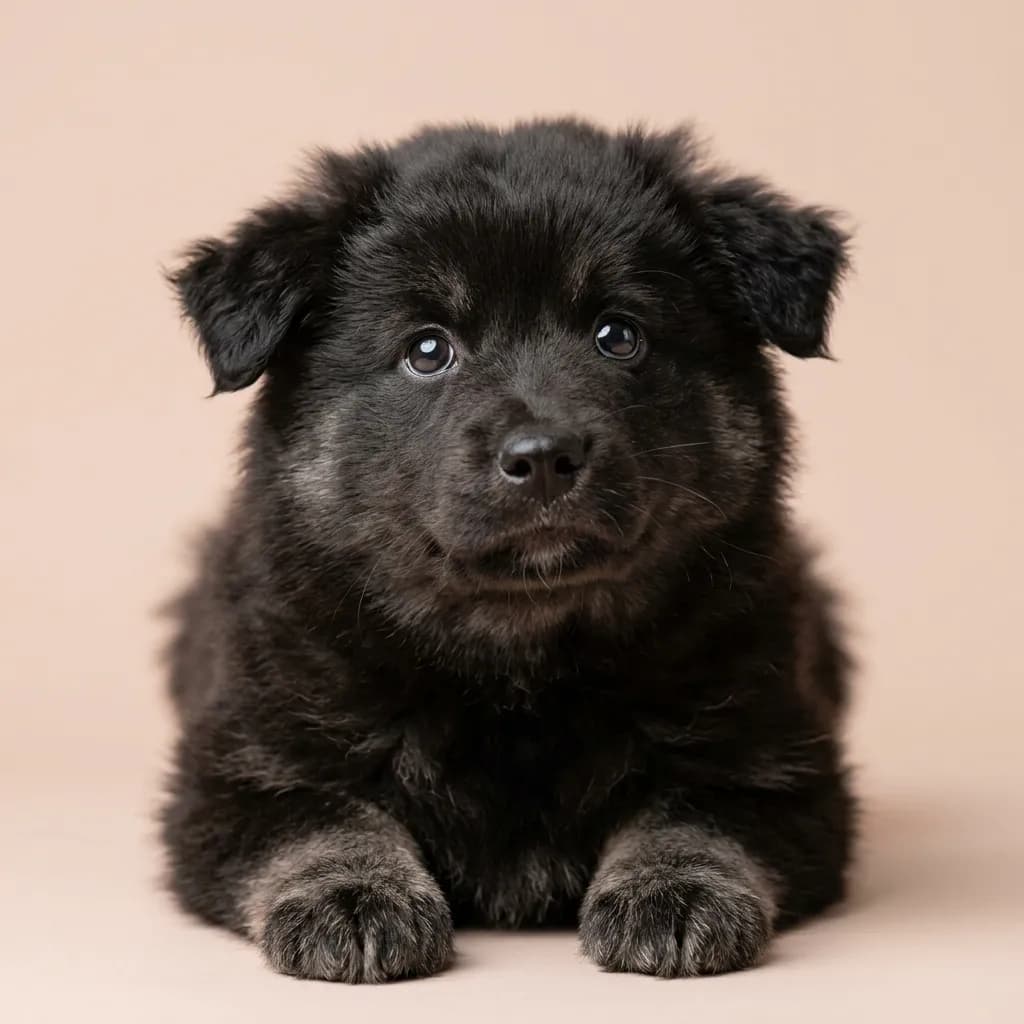
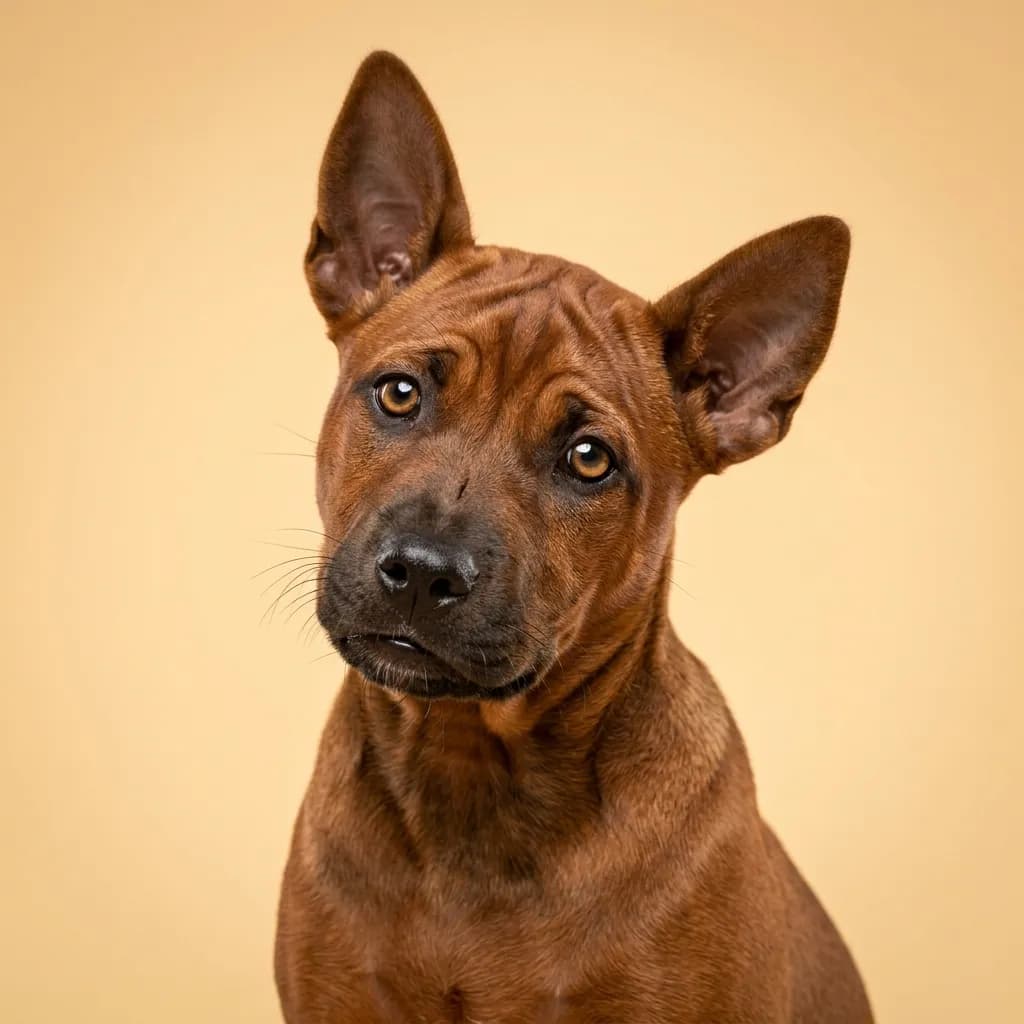
You don’t bump into many people comparing a Swedish Lapphund and a Thai Ridgeback at dog parks—these breeds don’t exactly cross paths often. But if you’re drawn to rare, primitive-looking dogs with strong instincts and a touch of wild soul, you might find yourself torn between these two. One hails from Arctic tundra, the other from tropical jungle, and that difference runs deep. The Lapphund feels like the energized storyteller of the two—bouncy, chatty, and eager to please. It’s the dog that’ll remind you to go hiking when you’d rather nap, and it thrives on tasks, puzzles, and winter adventures. It bonds fiercely with its people and wants to be part of everything, which is great if you’re active but tough if you live in a hot, quiet neighborhood. And yes, it’ll talk—often. The Thai Ridgeback is quieter, more reserved, almost feline in its independence. It won’t beg for affection and might give you side-eye if you ask for too much. It’s loyal to its family but deeply self-reliant—the kind of dog that watches you decide to trust you, not the other way around. It’s not stubborn because it’s dumb; it’s smart enough to question your judgment. If you’re a first-time owner wanting a close, trainable companion, the Lapphund might suit you better—provided you can handle the barking and need for stimulation. But if you’re an experienced owner who values a watchful, rugged partner and lives somewhere warm, the Ridgeback could be your shadow. Here’s the real talk: the Lapphund needs you emotionally. The Ridgeback just wants you nearby. Pick based on whether you want a teammate or a quiet ally.
Trait-by-trait
Higher bar = more of that trait. Shedding, barking, drooling, grooming flipped for readability.Where they diverge
Choose the Swedish Lapphund if…
- Active families
- Cold climate households
- Dog sports enthusiasts
- You value affectionate w/ family — Swedish Lapphund scores noticeably higher.
Choose the Thai Ridgeback if…
- Experienced dog owners
- Active outdoor owners
- Those wanting a primitive, independent breed
- You value watchdog / protective — Thai Ridgeback scores higher here.