Tibetan Mastiff vs Tornjak
Side-by-side comparison across all 14 AKC trait ratings, with a clear verdict on which breed fits which kind of household.
Not sure which breed fits your life?
Answer five questions about your home, your schedule, and your tolerance for shedding. We’ll match you to your top three breeds from over 200.
Tibetan Mastiff vs Tornjak
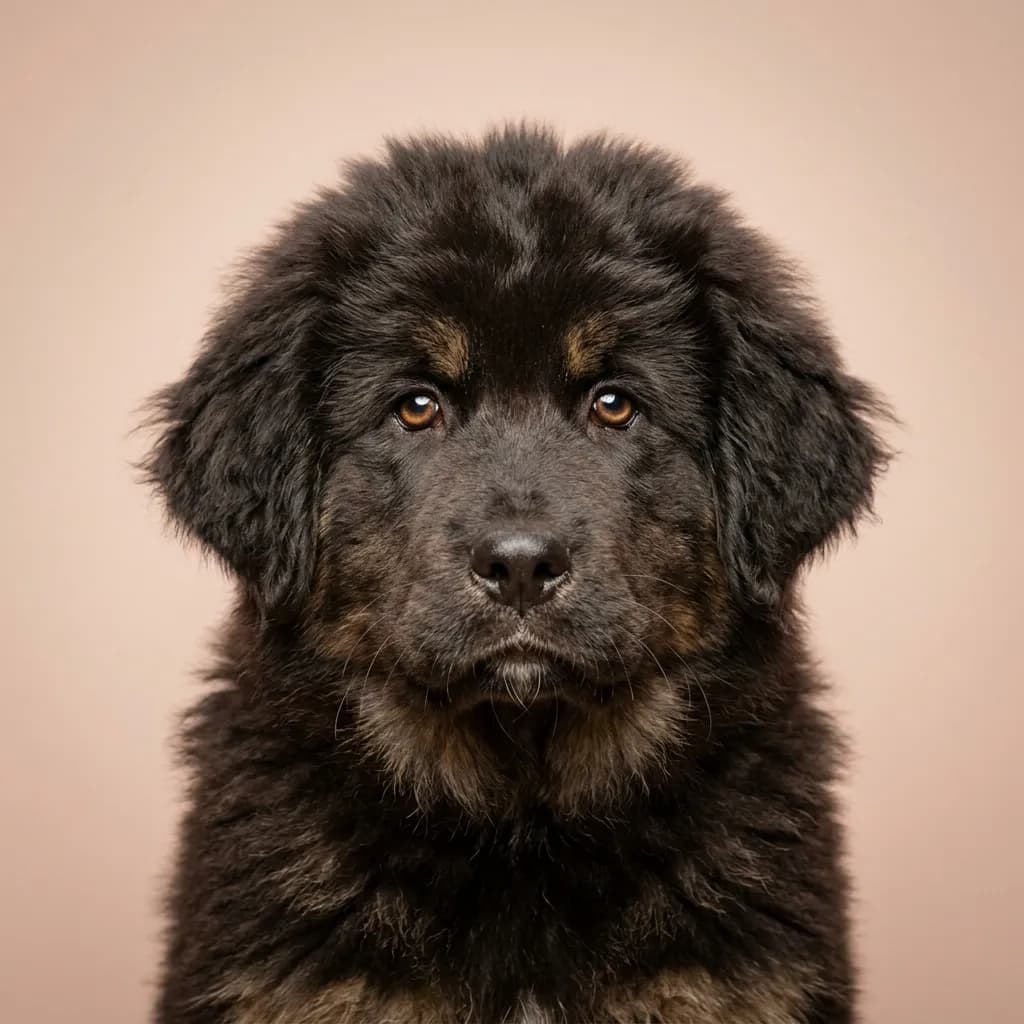
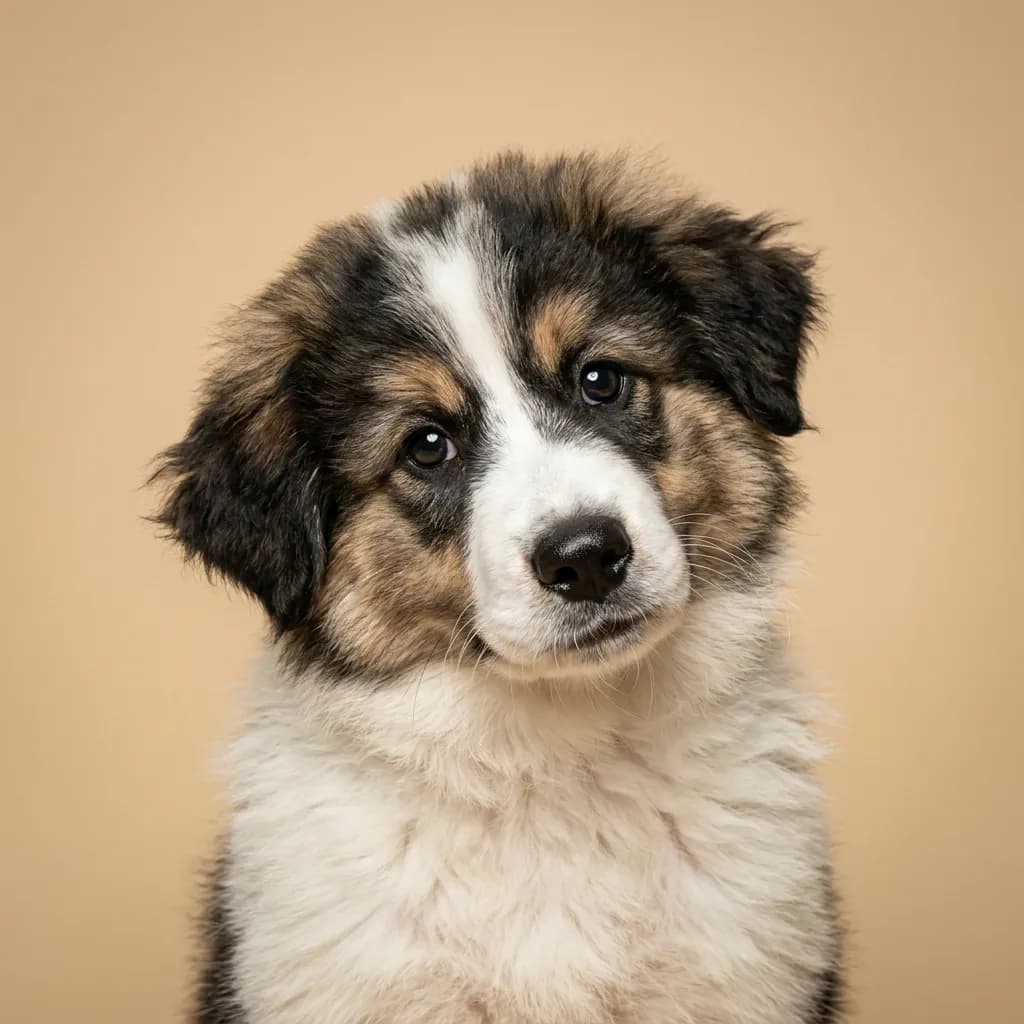
People don’t usually toss a Tibetan Mastiff and a Tornjak into the same conversation unless they’re deep in the world of rare, big guardian breeds. But if you’re after a loyal, imposing dog with roots in remote mountain regions and a job to do, these two come up. Both are thick-coated, independent thinkers built for cold climates and serious duty. But they carry themselves—and their histories—very differently. The Tibetan Mastiff is the aloof sentinel, bred to patrol Himalayan monasteries at night, making decisions on its own. It’s got a regal intensity, a deep bark, and a wariness of strangers that borders on instinctive suspicion. You won’t win its loyalty through games or tricks. Earn it over years, and you’ll have a bond that’s quiet but unbreakable. The Tornjak, by contrast, is more of a team player. From the Dinaric Alps, it worked alongside shepherds, so it’s still sharp and protective but slightly more willing to take direction. It’s still no beginner’s dog, but it leans into its family with a softer warmth. If you live on acres in Vermont and want a dog that’ll deter predators without constant oversight, the Mastiff might be your shadow. But if you’re on a farm where the dog moves with livestock and people daily, the Tornjak’s slightly more cooperative nature could be a better fit. Here’s what the data won’t tell you: both breeds are prone to making executive decisions when they sense threat—like locking onto a passing cyclist or challenging a delivery truck. But the Mastiff does it with a glacial calm, while the Tornjak reacts faster, more visibly. That split-second difference in temperament? It changes everything.
Trait-by-trait
Higher bar = more of that trait. Shedding, barking, drooling, grooming flipped for readability.Where they diverge
Choose the Tibetan Mastiff if…
- Experienced large-breed owners
- Cold climate households
- Those wanting a serious guardian breed
- You value good with other dogs — Tibetan Mastiff scores noticeably higher.
Choose the Tornjak if…
- Experienced large-breed owners
- Farm or rural settings
- Livestock guardian needs
- You value good with strangers — Tornjak scores higher here.