Brachycephalic Syndrome
What It Is
Brachycephalic Obstructive Airway Syndrome (BOAS) isn’t just a fancy term for “snorty dog”—it’s a serious, inherited condition affecting flat-faced breeds. These dogs have been bred for extreme facial shortening, which means their skulls are squished, but their soft tissues (like the palate and nasal passages) haven’t shrunk accordingly. So, you end up with too much tissue in too small a space. That leads to breathing trouble, chronic stress on the heart and lungs, and a dog that’s often overheated and exhausted just from existing. It’s not “cute”—it’s a lifelong health burden. And it’s completely man-made. BOAS isn’t some random illness; it’s the direct result of breeding for exaggerated features, especially in toy and companion breeds.
Symptoms to Watch For
If your dog sounds like a congested human after every walk—or worse, at rest—that’s a red flag. Common signs include loud snoring, snorting, gagging, and labored breathing, especially in warm weather or after mild activity. These dogs often can’t exercise normally and may collapse from oxygen deprivation. You might also notice they eat slowly (because they’re struggling to breathe while chewing), vomit frequently, or overheat dangerously fast. A dog panting heavily in 75°F weather when it’s just sitting on the couch? That’s not normal. That’s BOAS. And over time, chronic oxygen deprivation can lead to secondary issues like laryngeal collapse or gastrointestinal problems. These aren’t occasional quirks—they’re daily struggles.
Diagnosis
Diagnosing BOAS isn’t always straightforward. A good vet will start with a physical exam and listen to your dog’s breathing patterns, but definitive diagnosis often requires advanced imaging or even a scope procedure under anesthesia to see the inside of the airway. That’s called a pharyngoscopy or laryngoscopy, and it’s not cheap—usually between $800 and $1,500 depending on the clinic and region. Some specialty vets now offer functional assessments, like measuring how much effort the dog uses to breathe before and after exercise. These tests are valuable, especially if you’re considering surgery. Don’t assume a clean bill of health just because your pup “seems okay”—many dogs adapt to their breathing issues so slowly that owners don’t realize how severe it is until it’s advanced.
Treatment Options
Treatment ranges from lifestyle tweaks to major surgery. Mild cases might just need weight management, avoiding heat, and using harnesses instead of collars. But for moderate to severe cases, surgery is often the only real fix. The most common procedures involve shortening the soft palate and widening the nostrils (called a rhinoplasty or “nares correction”). These can cost $2,000 to $5,000 combined, depending on complexity and location. Some dogs need multiple surgeries over their lifetime, especially if issues like everted laryngeal saccules develop. Recovery is usually a few weeks, but it’s uncomfortable and requires strict rest. Surgery isn’t a magic cure—it improves quality of life, but these dogs will never breathe like a Border Collie. And even post-op, they’ll always need extra care in hot weather.
Prevention and Screening
Here’s the hard truth: you can’t prevent BOAS in a genetically predisposed dog—only breeders can. But as a buyer, you hold power. Demand health testing. Reputable breeders now use BOAS screening protocols, especially in the UK and Europe, where functional tests are becoming standard. Ask for proof that parents have been assessed—not just “they look fine.” Avoid puppies with extremely flat faces, pinched nostrils, or loud breathing. And please, don’t support breeders who boast about “ultra-typed” or “baby-doll” features. That’s marketing speak for “higher risk of suffering.” If every buyer refused to pay for extreme brachycephaly, breeders would adapt. It’s that simple.
Breeds Most at Risk
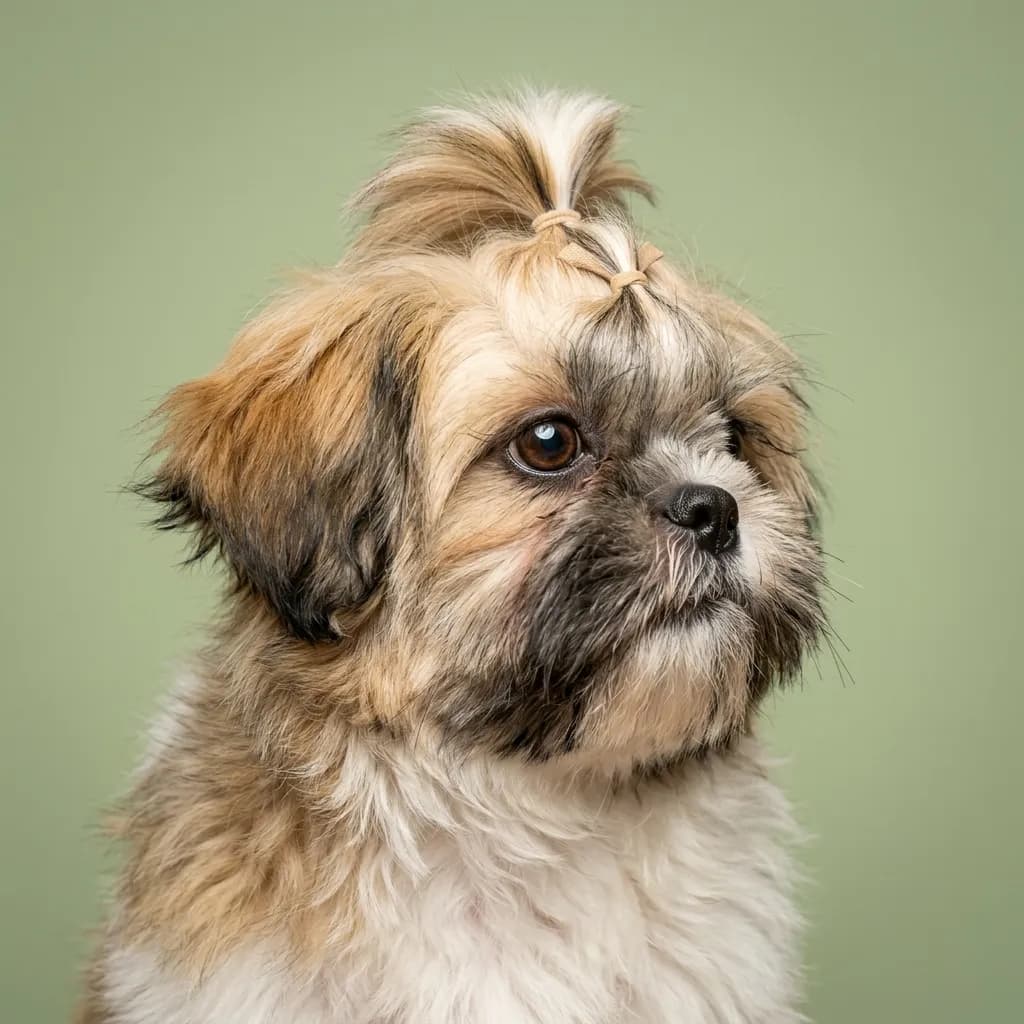
Fourteen breeds are officially recognized as high-risk, but the worst hit are in the Toy and Non-Sporting groups. French Bulldogs, Pugs, and English Bulldogs top the list—up to 89% of Frenchies show some degree of BOAS. Shih Tzus, Pekingese, and Boston Terriers are also commonly affected. In the Working Group, Dogue de Bordeaux and American Bulldogs can struggle, especially in heat. Even smaller breeds like the Affenpinscher and Japanese Chin aren’t off the hook. If you’re considering any of these breeds, go in with eyes wide open: you’re signing up for potential vet bills, lifestyle adjustments, and the emotional toll of managing a dog that can’t do basic things like play fetch or walk in summer. They’re adorable, yes—but they come with a cost that goes way beyond the purchase price.
Breeds commonly affected
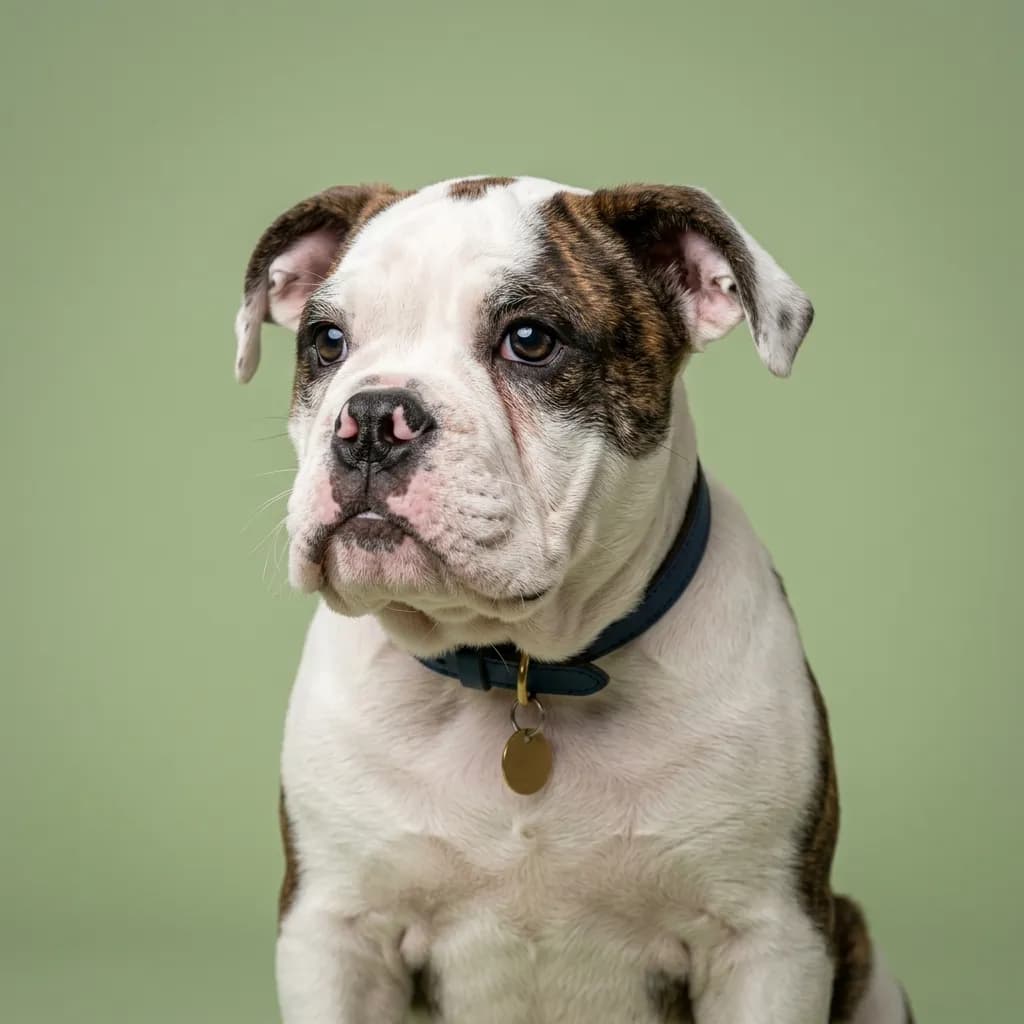
American Bulldog
Foundation Stock Service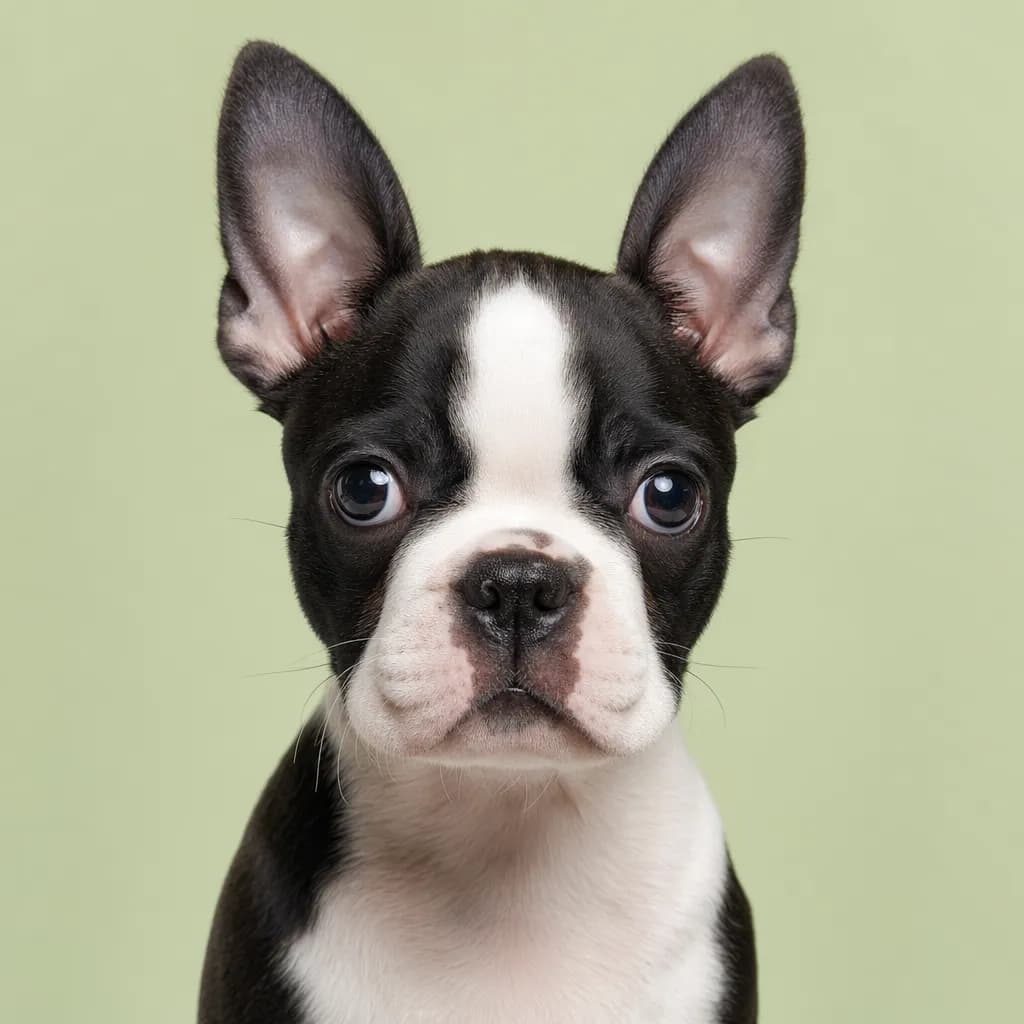
Boston Terrier
Non-Sporting Group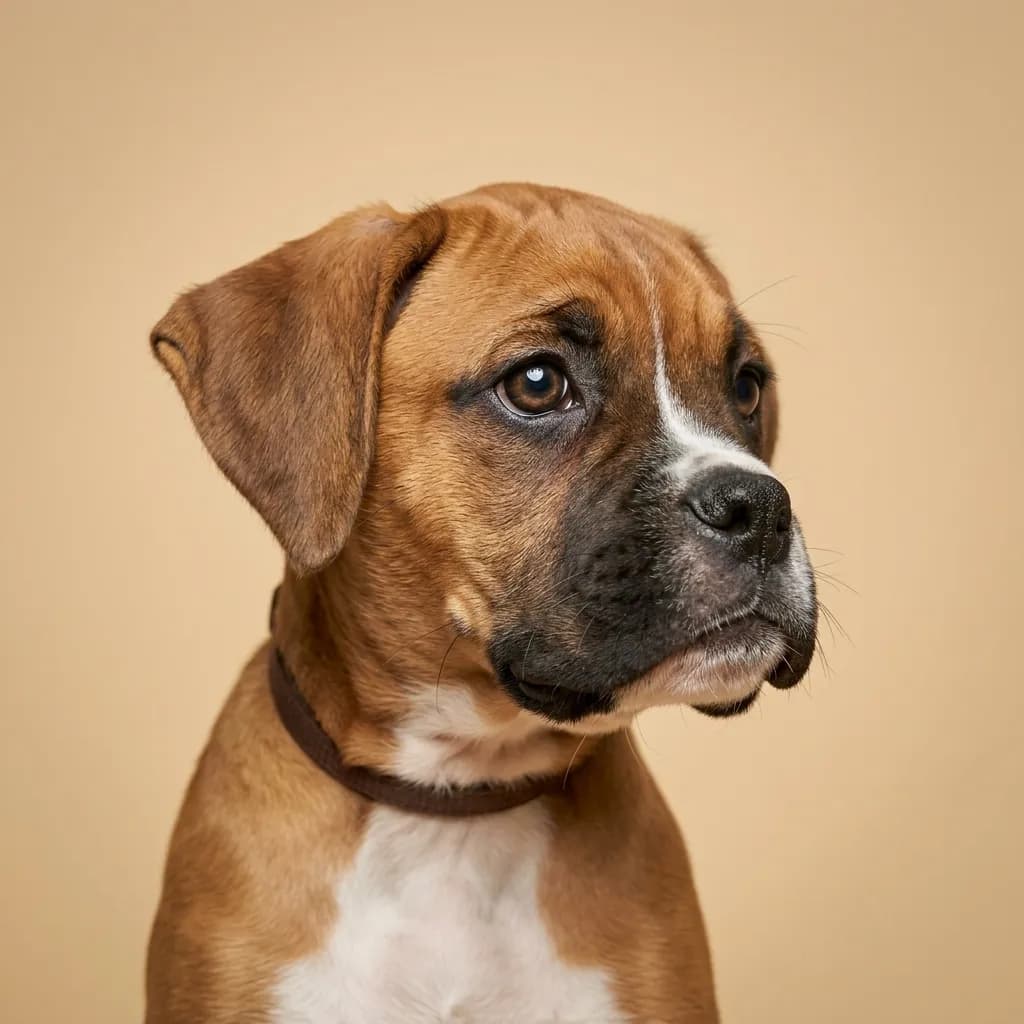
Boxer
Working Group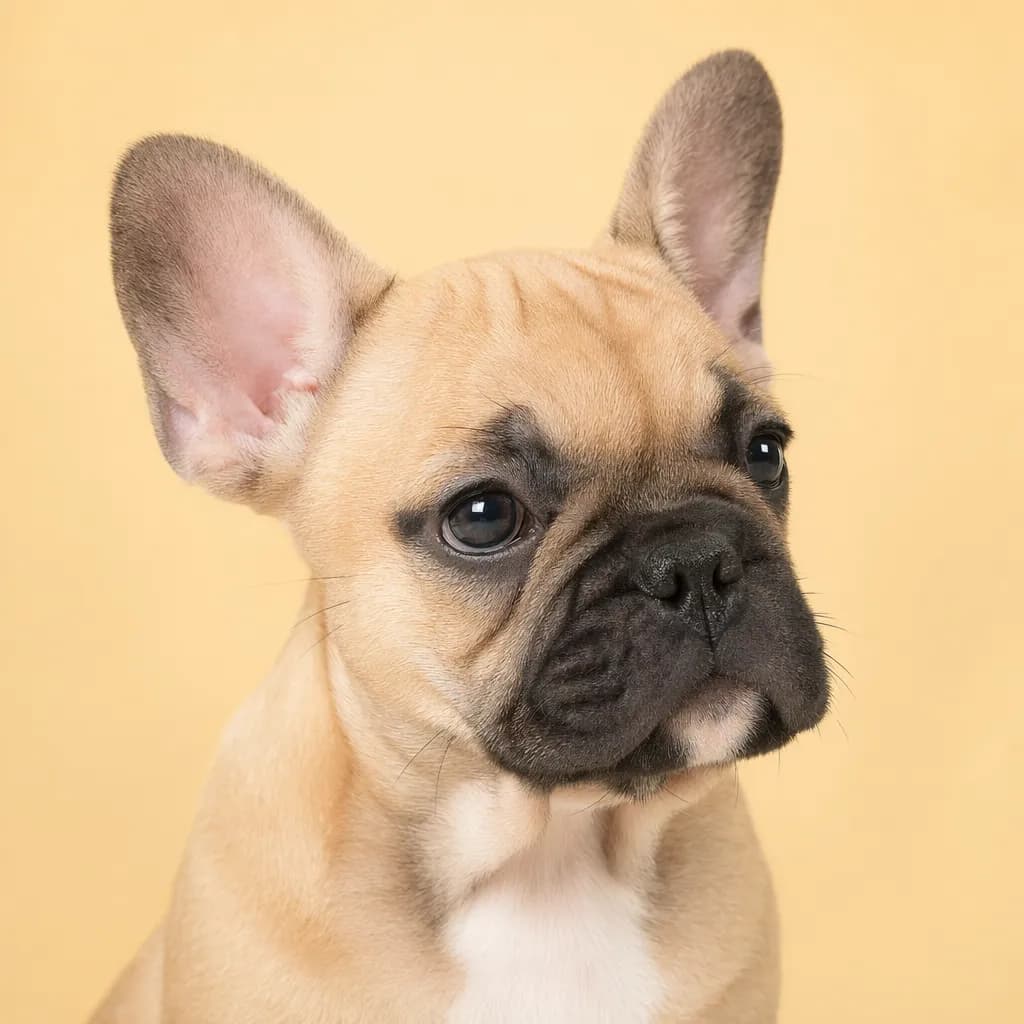
French Bulldog
Non-Sporting Group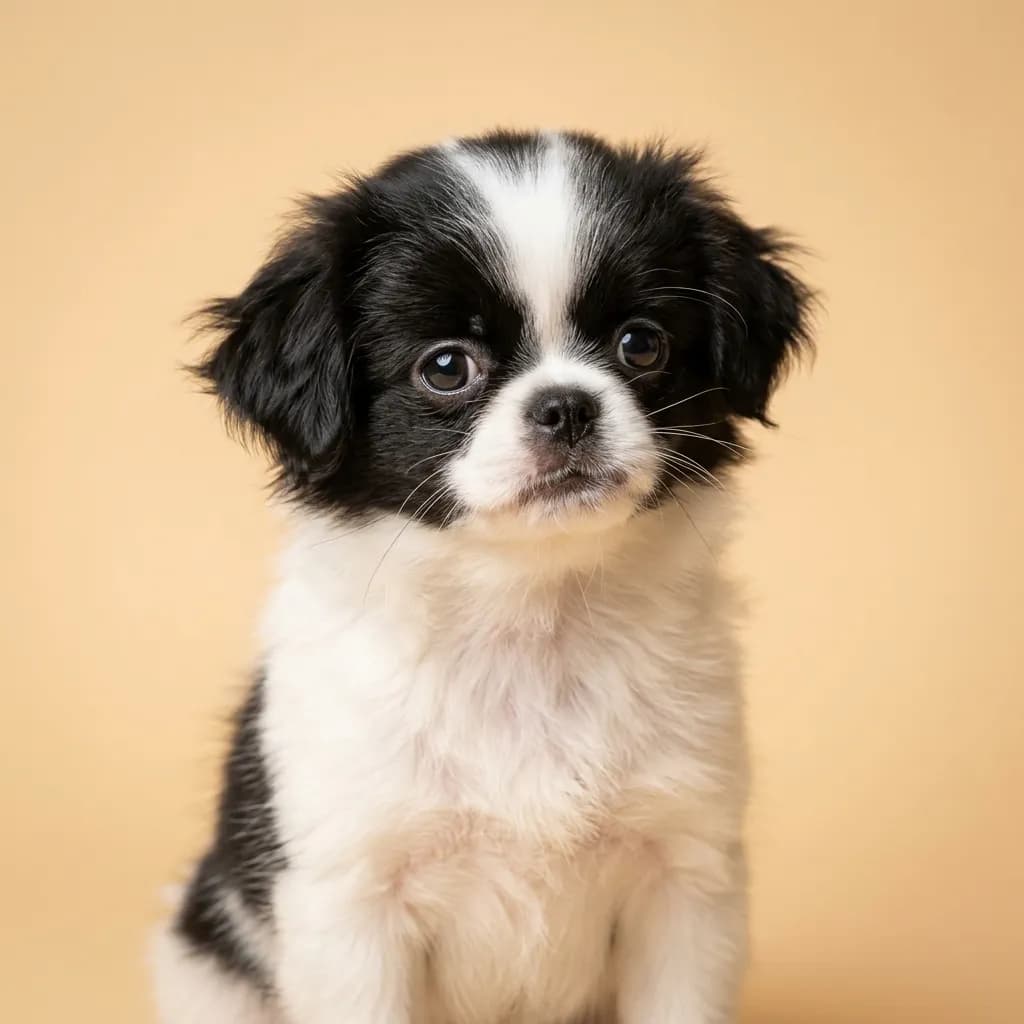
Japanese Chin
Toy Group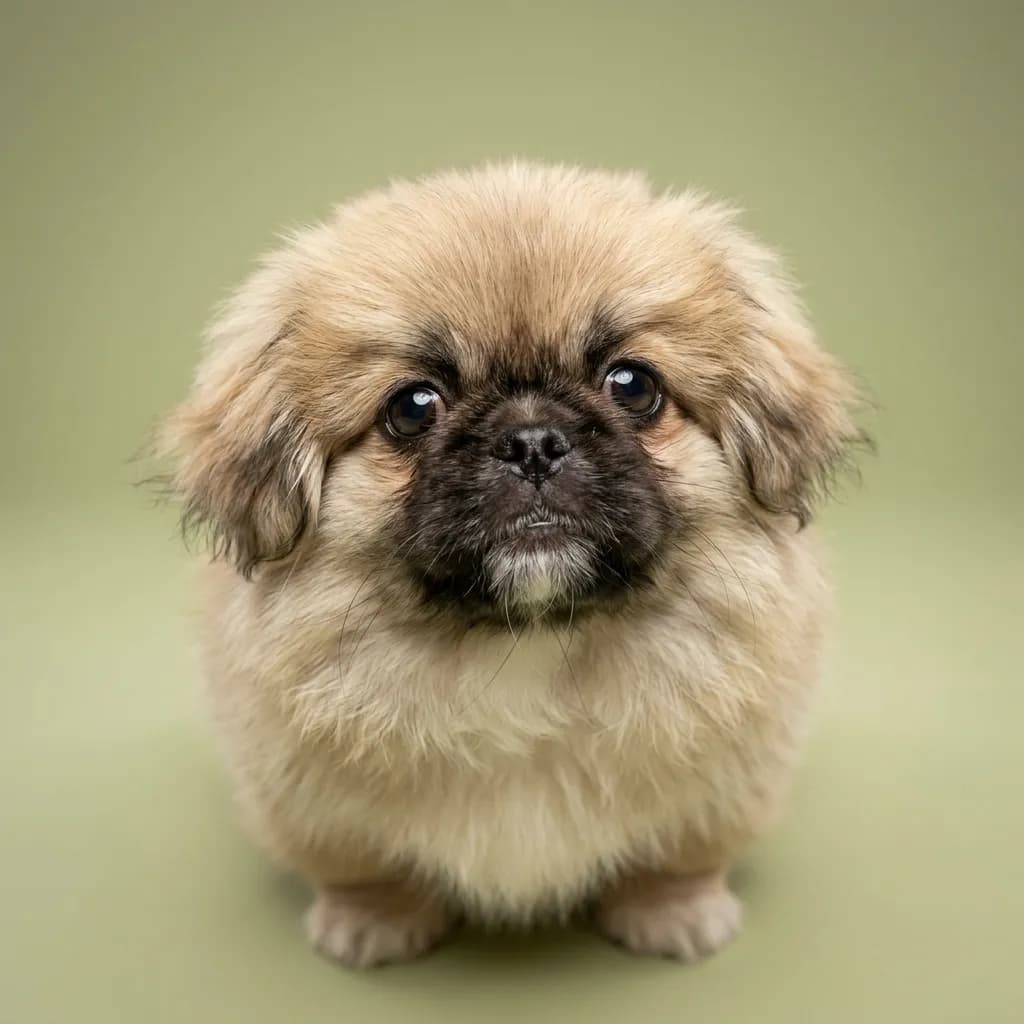
Pekingese
Toy Group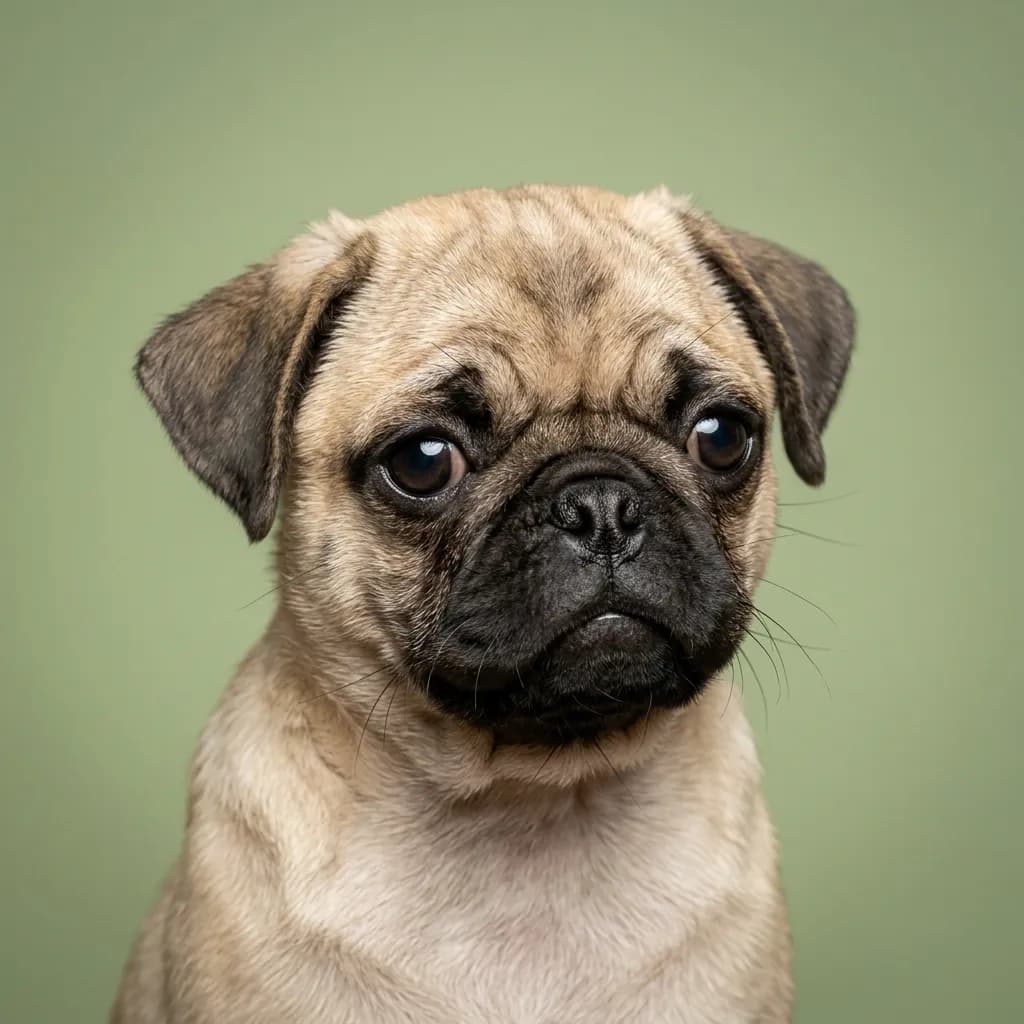
Pug
Toy Group