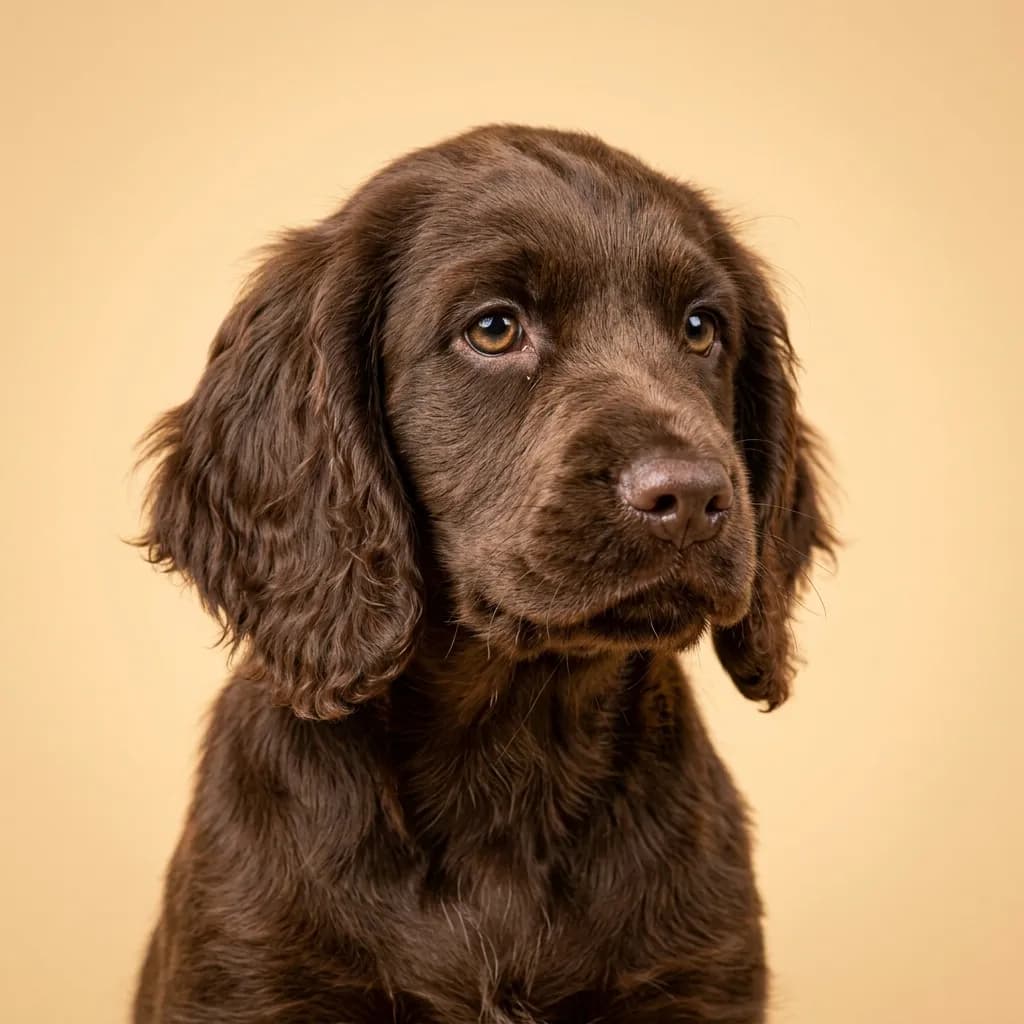
Intervertebral Disc Disease (IVDD)
What It Is
Intervertebral Disc Disease (IVDD) is a spinal condition where the cushioning discs between your dog’s vertebrae bulge or burst into the spinal cord space. Think of it like a jelly donut collapsing—the disc material presses on the nerves, causing pain, nerve damage, or even paralysis. It’s especially common in breeds with long backs and short legs (a trait called chondrodystrophy), but can also show up in other breeds due to age-related disc degeneration. IVDD isn’t just a “back problem”—it’s a neurological emergency when severe. There are two main types: Hansen Type I (sudden, explosive disc rupture—common in young to middle-aged dogs like Dachshunds) and Hansen Type II (slow, progressive bulging—more typical in older large breeds). But for the dogs on this risk list, Type I is the main concern.
Symptoms to Watch For
Early signs can be subtle. Your dog might yelp when picked up, avoid jumping onto the couch, or walk more stiffly. As it progresses, you’ll notice hesitation to lower their head to eat or drink—like they’re afraid of moving their neck. More serious symptoms include trembling, a hunched back, dragging hind legs, or even sudden inability to walk. In worst-case scenarios, they lose bladder control or deep pain sensation, which is a surgical emergency. If your dog is a breed on the high-risk list, any sign of back pain needs immediate vet attention. Don’t wait. I’ve seen owners write off a corgi’s wobbly back legs as “just getting old”—but it was IVDD, and by week two, the dog couldn’t feel its toes. Time is spine.
Diagnosis
Your vet will start with a physical and neurological exam—checking reflexes, pain response, and coordination. But to confirm IVDD, imaging is essential. X-rays can show disc space narrowing, but they can’t visualize the spinal cord. For that, you need an MRI (most accurate) or a myelogram (a dye-based CT scan). These aren’t done at every clinic—specialty neurology centers are usually involved. An MRI typically costs $1,500–$3,000 depending on location. It’s pricey, but it’s the only way to know exactly where and how bad the compression is. Skipping advanced imaging might mean missing surgery that could save your dog’s ability to walk.
Treatment Options
Treatment depends on severity. Mild cases (your dog is in pain but still walking) may be managed with strict crate rest for 4–6 weeks, anti-inflammatories, and pain meds. But crate rest means no running, jumping, or stairs—think 24/7 confinement, which is tough with an active corgi or spaniel. About 30–40% of dogs treated medically relapse within two years. For dogs with moderate to severe neurological deficits—like dragging legs or no deep pain sensation—surgery is often the only real shot at recovery. A procedure called a hemilaminectomy removes the disc material pressing on the spine. Surgery runs $3,000–$6,000 on average, and recovery takes 6–8 weeks of strict rest and rehab. Physical therapy (like underwater treadmill sessions) adds $50–$100 per visit, but it’s often critical for success.
Prevention and Screening
You can’t change genetics, but you can reduce risk. For high-risk breeds, avoid stairs and jumping—use ramps or baby gates. Keep your dog lean; every extra pound stresses that long spine. Some breeders are starting to use CT or MRI screening before breeding, especially in Dachshunds and corgis. It’s not widespread yet, but it’s a promising step. Ask breeders if they’re doing any disc health screening—this isn’t just “responsible,” it’s starting to be expected in ethical breeding circles. Also, consider pet insurance before symptoms appear—IVDD is often excluded if diagnosed after coverage starts.
Breeds Most at Risk
The top IVDD-prone breeds are Dachshunds (by far the most affected—studies show up to 19–24% develop it in their lifetime), followed closely by Pembroke and Cardigan Welsh Corgis. French Bulldogs and Pekingese are increasingly seen in neurology clinics too. Among spaniels, Clumber and Sussex spaniels carry the trait, though they’re less common. Dandie Dinmont Terriers and Drevers (a Swedish hound-type) are lesser-known but genetically predisposed. From group breakdown: Herding (Corgis), Sporting (Clumber, Sussex), Toy (Pekingese, Shih Tzu, French Bulldog), Hound (Drever), and Terrier (Dandie Dinmont). If you’re choosing between breeds and live an active life, ask yourself: Can I handle a dog that might need $5,000 in emergency spine surgery? Because with these breeds, it’s not “if” but “when.”
Breeds commonly affected
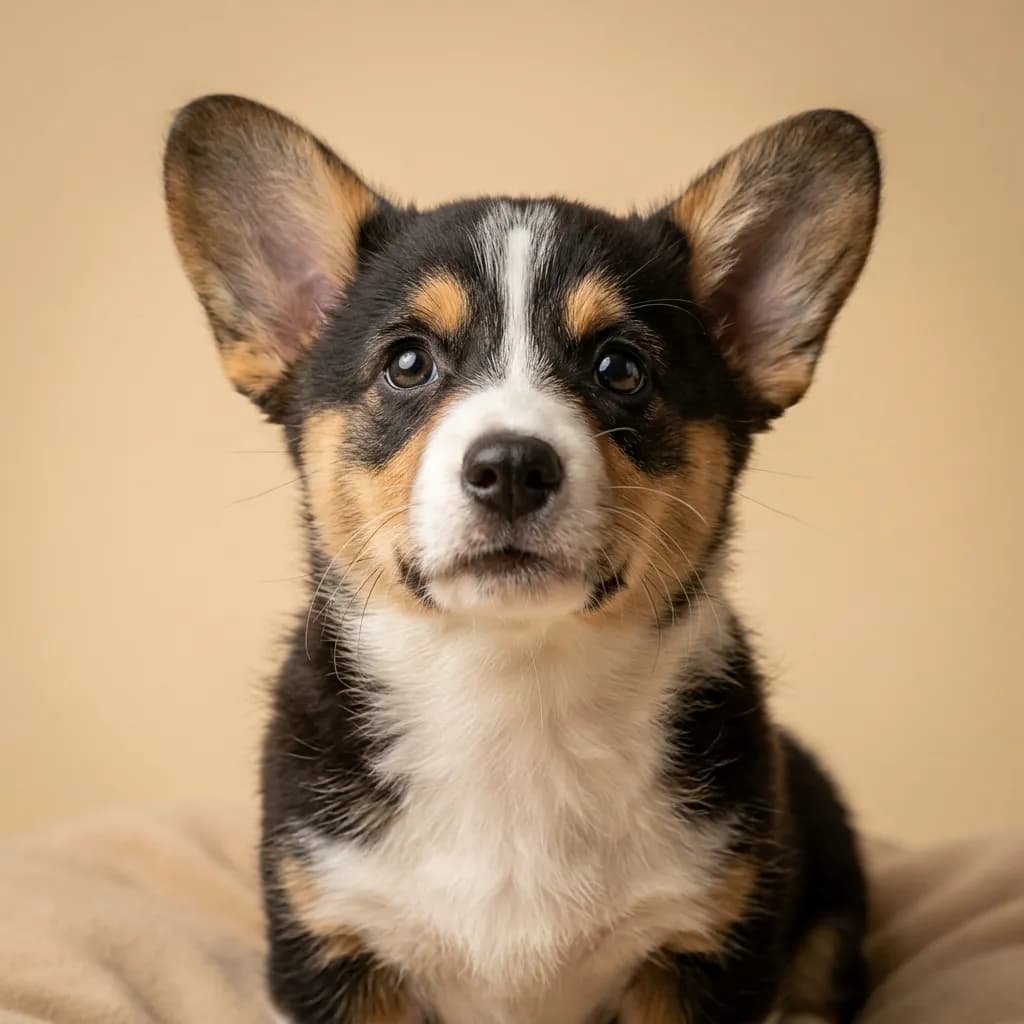
Cardigan Welsh Corgi
Herding Group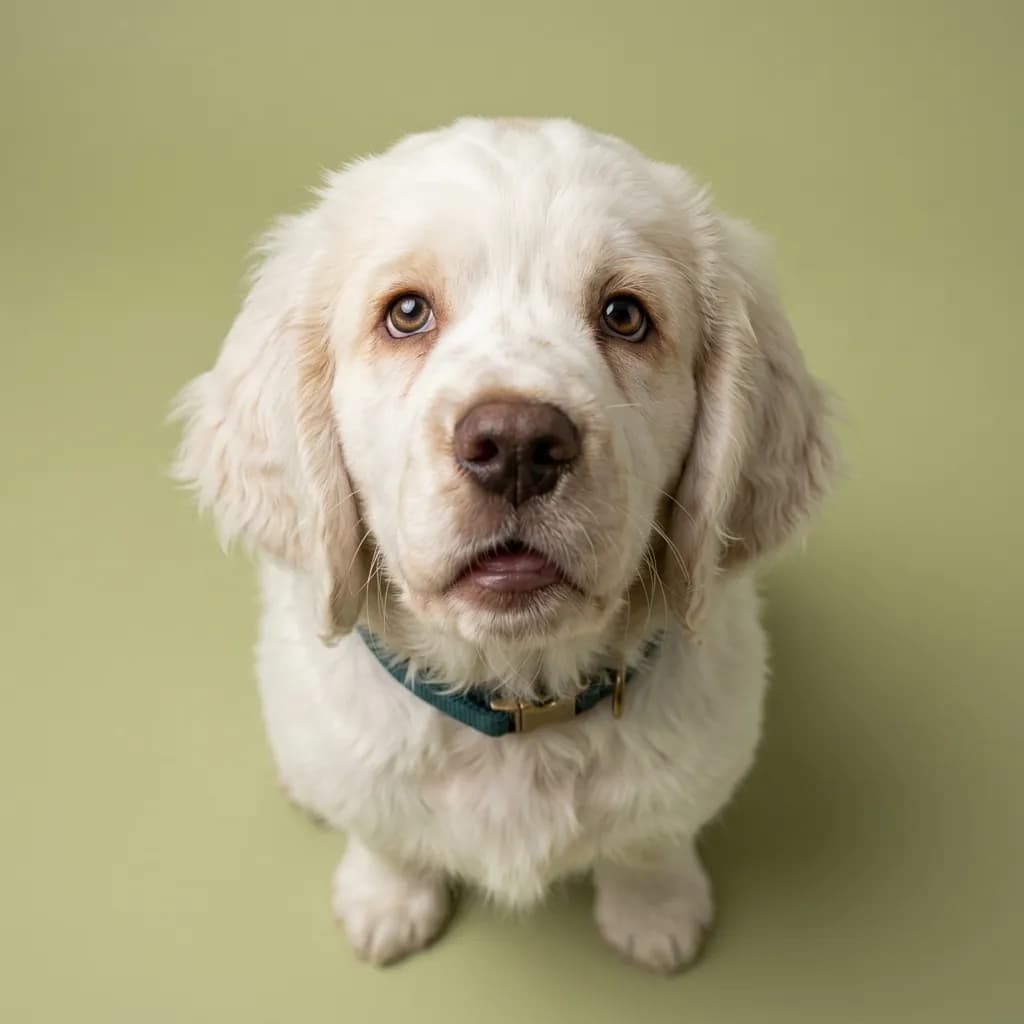
Clumber Spaniel
Sporting Group
Dachshund
Hound Group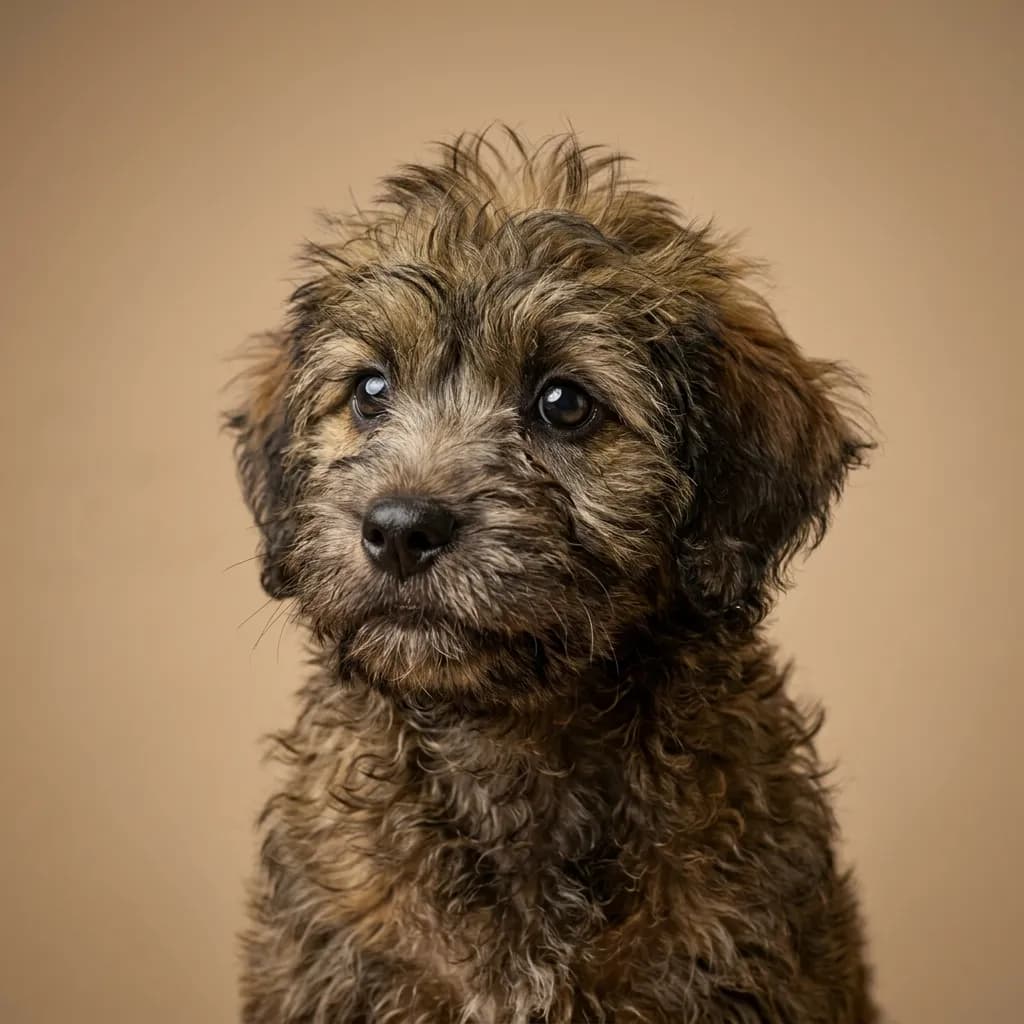
Dandie Dinmont Terrier
Terrier Group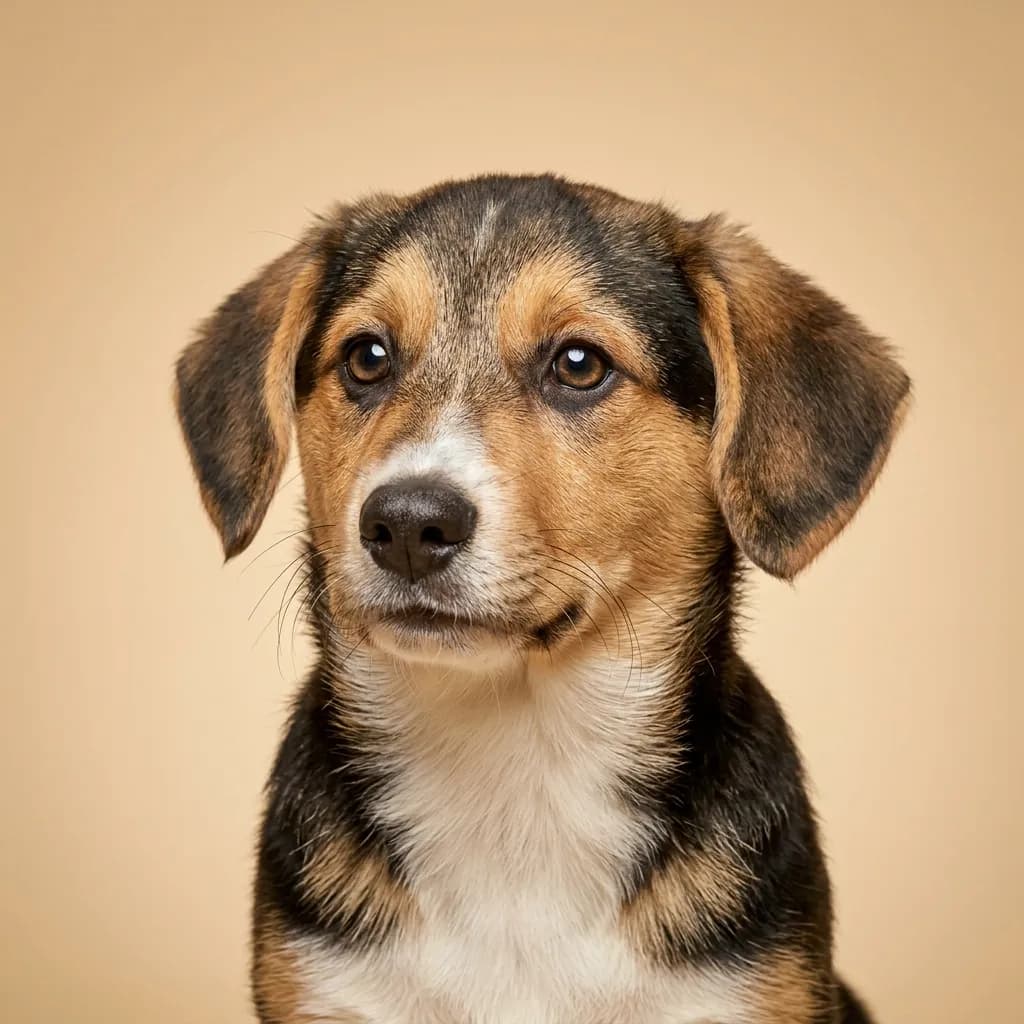
Drever
Foundation Stock Service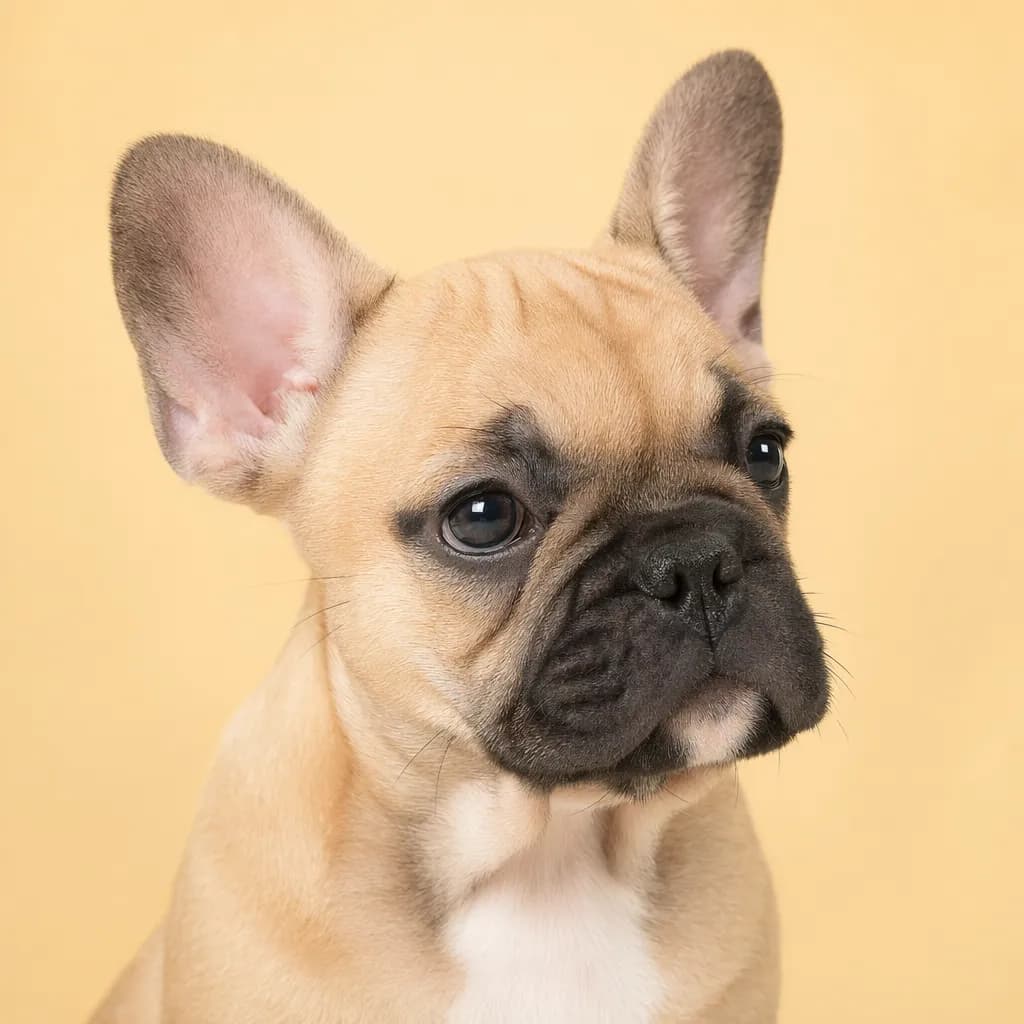
French Bulldog
Non-Sporting Group
Pekingese
Toy Group
Pembroke Welsh Corgi
Herding Group
Shih Tzu
Toy Group