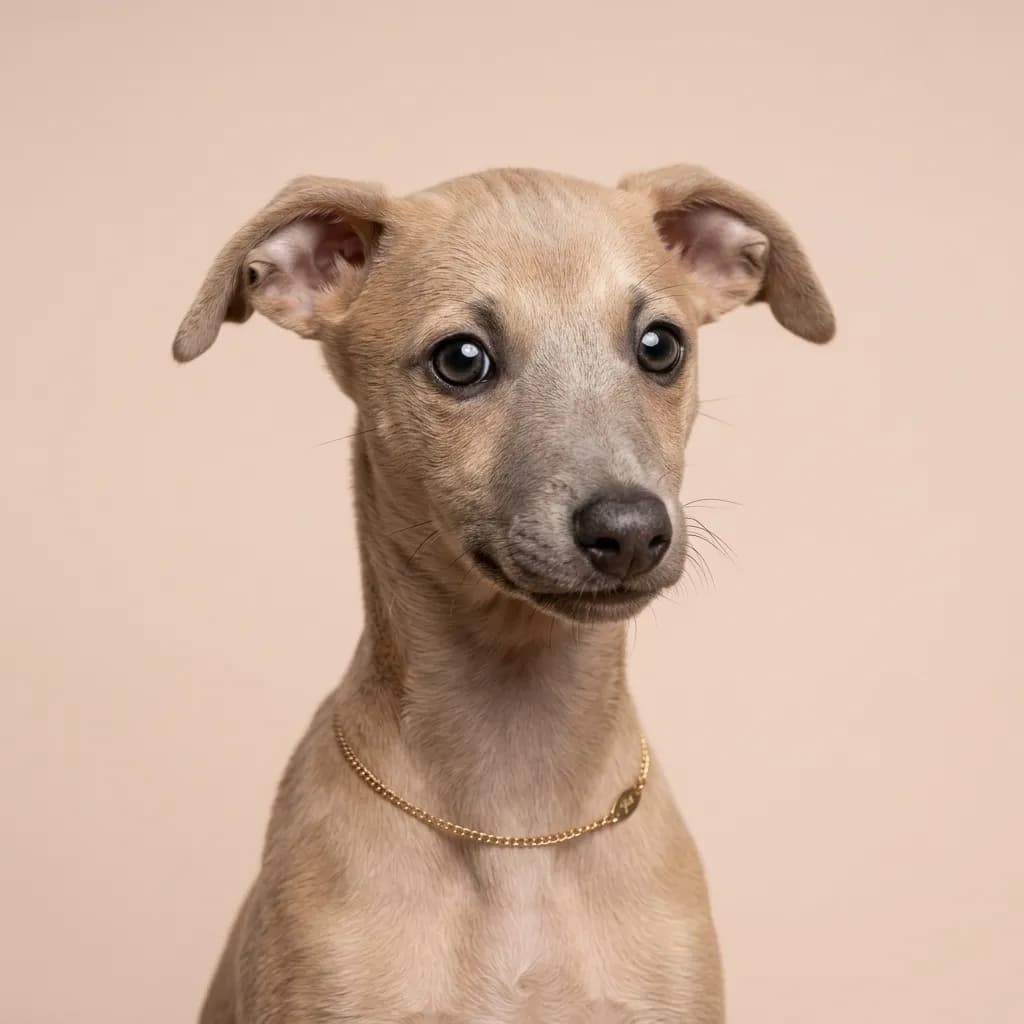
Hypothyroidism
What It Is
Hypothyroidism happens when your dog’s thyroid gland doesn’t produce enough thyroid hormone—specifically T3 and T4—which regulate metabolism, energy, and even skin and coat health. It’s one of the most common endocrine disorders in dogs, and while it can show up in any pup, it’s especially common in mid-sized to large breeds, usually between the ages of 4 and 10. The vast majority of cases are caused by lymphocytic thyroiditis (an autoimmune condition where the body attacks the thyroid) or idiopathic thyroid atrophy (where the gland just wastes away). It’s not life-threatening if caught early, but left untreated, it can seriously impact your dog’s quality of life.
Symptoms to Watch For
You might notice your dog’s energy levels tanking—they’re suddenly napping all day and not excited for walks. Weight gain without a change in appetite is a classic red flag. Then there’s the coat: thinning hair, especially along the back and tail (hello, “rat tail”), dry or flaky skin, and recurrent ear infections. Some dogs develop a puffy face due to fluid buildup, and others show behavioral changes like depression or aggression. Less commonly, you might see muscle weakness, seizures, or even infertility. These signs creep in slowly, so it’s easy to miss at first. If your dog’s been acting “off” for months and you can’t pinpoint why, hypothyroidism should be on the list.
Diagnosis
Diagnosing hypothyroidism isn’t as simple as a single blood test—there are a few moving parts. Your vet will likely start with a baseline thyroid panel, including total T4, free T4, and TSH (thyroid-stimulating hormone). Low T4 alone isn’t enough—many sick or medicated dogs have low levels temporarily. The real confirmation comes when T4 is low and TSH is high, which signals the pituitary is yelling at the thyroid to work, but it’s not responding. This combo is solid evidence. The full workup usually costs between $150 and $300, depending on your clinic. Some specialty labs offer expanded panels for around $50 extra, which can help rule out “sick euthyroid” syndrome (when another illness causes low thyroid levels temporarily).
Treatment Options
The good news? Treatment is straightforward and affordable. Most dogs get a daily synthetic thyroid hormone called levothyroxine, given orally twice a day. You’ll usually see improvement in energy and coat within a few weeks, though skin and weight changes can take a few months. Your vet will recheck blood levels 4–6 weeks after starting meds to ensure the dose is right—too much can cause restlessness or heart issues. Once stabilized, most dogs need bloodwork every 6–12 months. The medication itself costs $20–$50 a month, depending on your dog’s size and brand. Generic versions are widely available and just as effective.
Prevention and Screening
You can’t prevent autoimmune thyroiditis, but you can catch it early—especially if you’re considering a breed known to be at risk. Reputable breeders should be screening breeding stock with full thyroid panels (like those from OFA—Orthopedic Foundation for Animals). Look for parents with “normal” or “excellent” OFA thyroid ratings. Screening your own dog annually starting at age 3–4 is smart if they’re in a high-risk breed. It’s not expensive—tack it onto routine bloodwork during yearly checkups. And while you can’t change genetics, avoiding unnecessary steroids or immune-modulating drugs may help reduce triggers in predisposed dogs.
Breeds Most at Risk
Over 69 breeds are genetically predisposed, but the big hitters are in the Hound, Working, and Sporting groups. The Hound Group leads with 15 at-risk breeds—including Beagles, Basenjis, and the rare Bavarian Mountain Scent Hound. Working dogs like Akitas, Alaskan Malamutes, and Anatolian Shepherds make up 11 of the list. Sporting breeds such as Brittanys and American Water Spaniels (not listed but also prone) are also common patients. Terrier lovers, take note: Airedales, Australian Terriers, and Bouviers (technically a Herding breed but often grouped with terriers) are on the list, too. If you’re choosing between breeds and long-term health is a top priority, this is one worth discussing with breeders and vets upfront. Some lesser-known breeds in the AKC’s Foundation Stock Service—like the Azawakh—also show high incidence, so don’t assume rarity means lower risk.
Breeds commonly affected
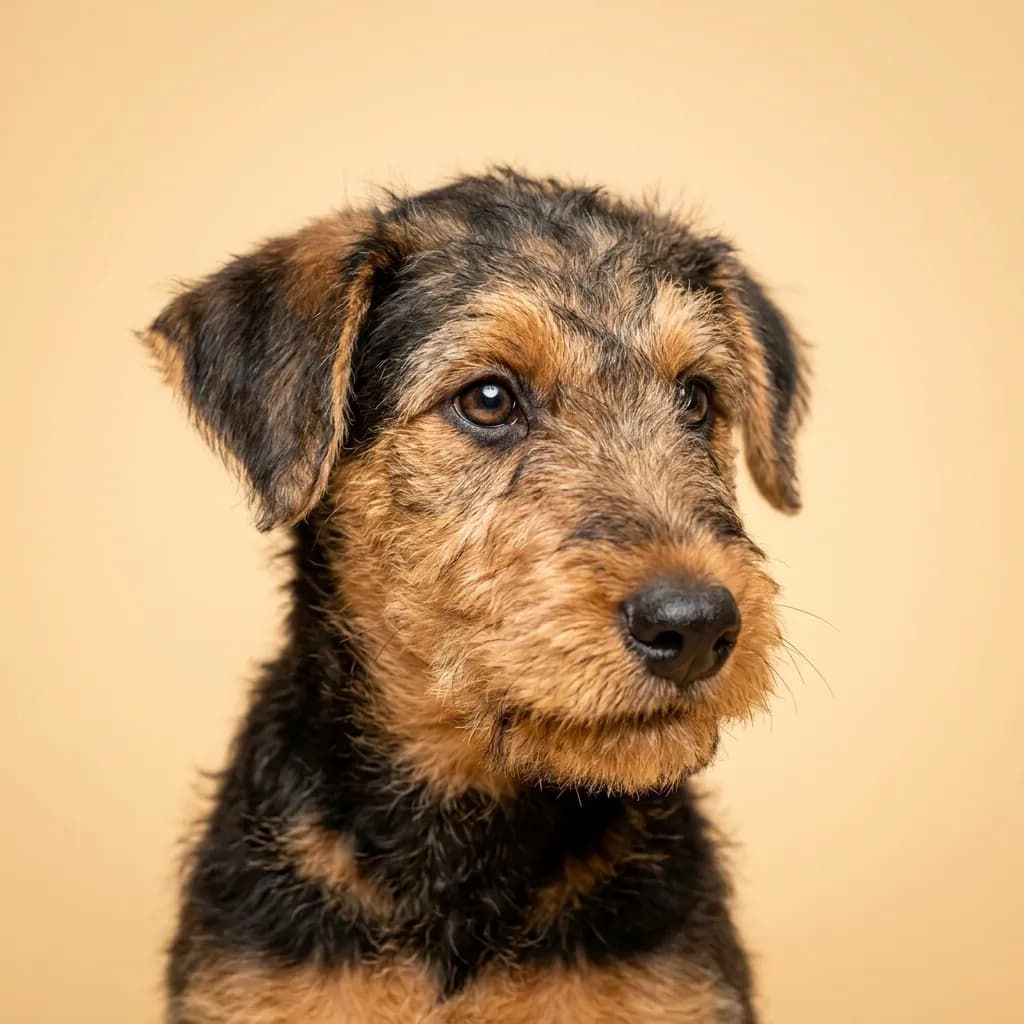
Airedale Terrier
Terrier Group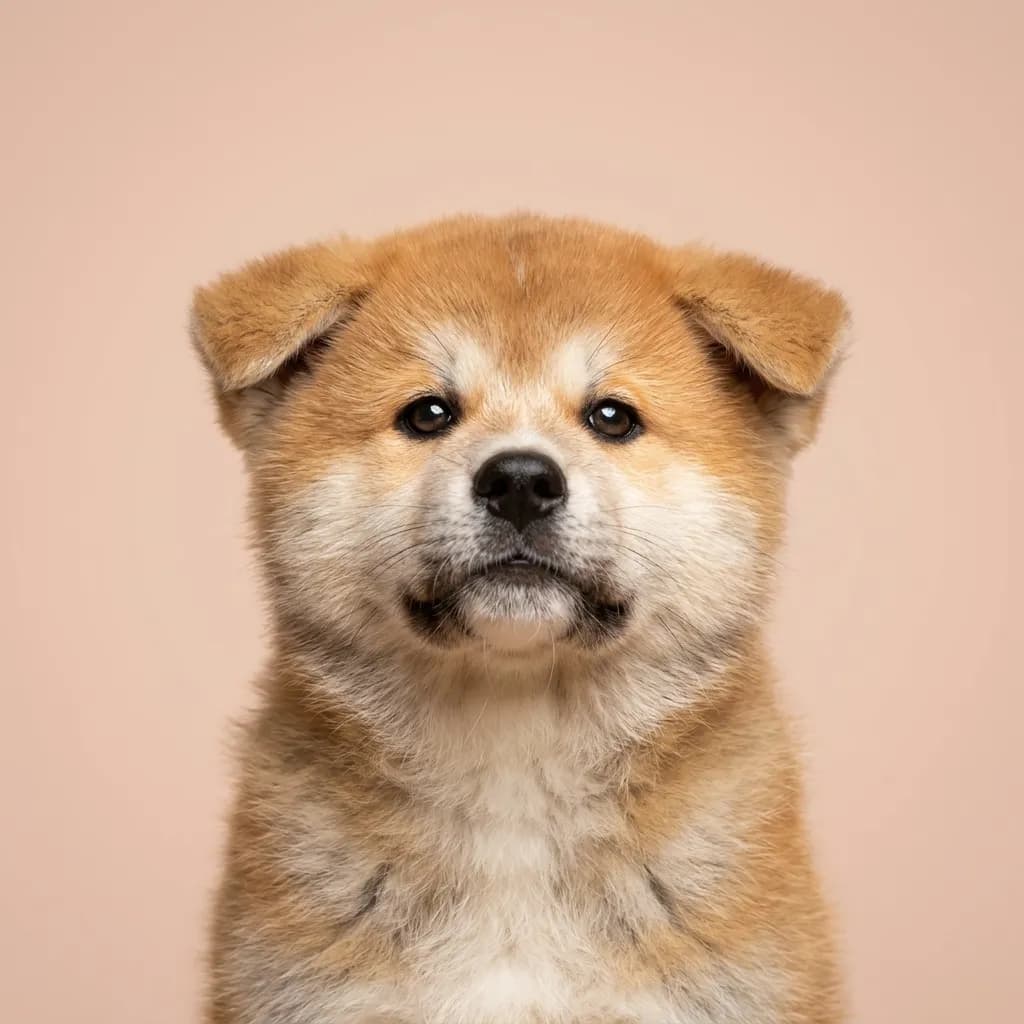
Akita
Working Group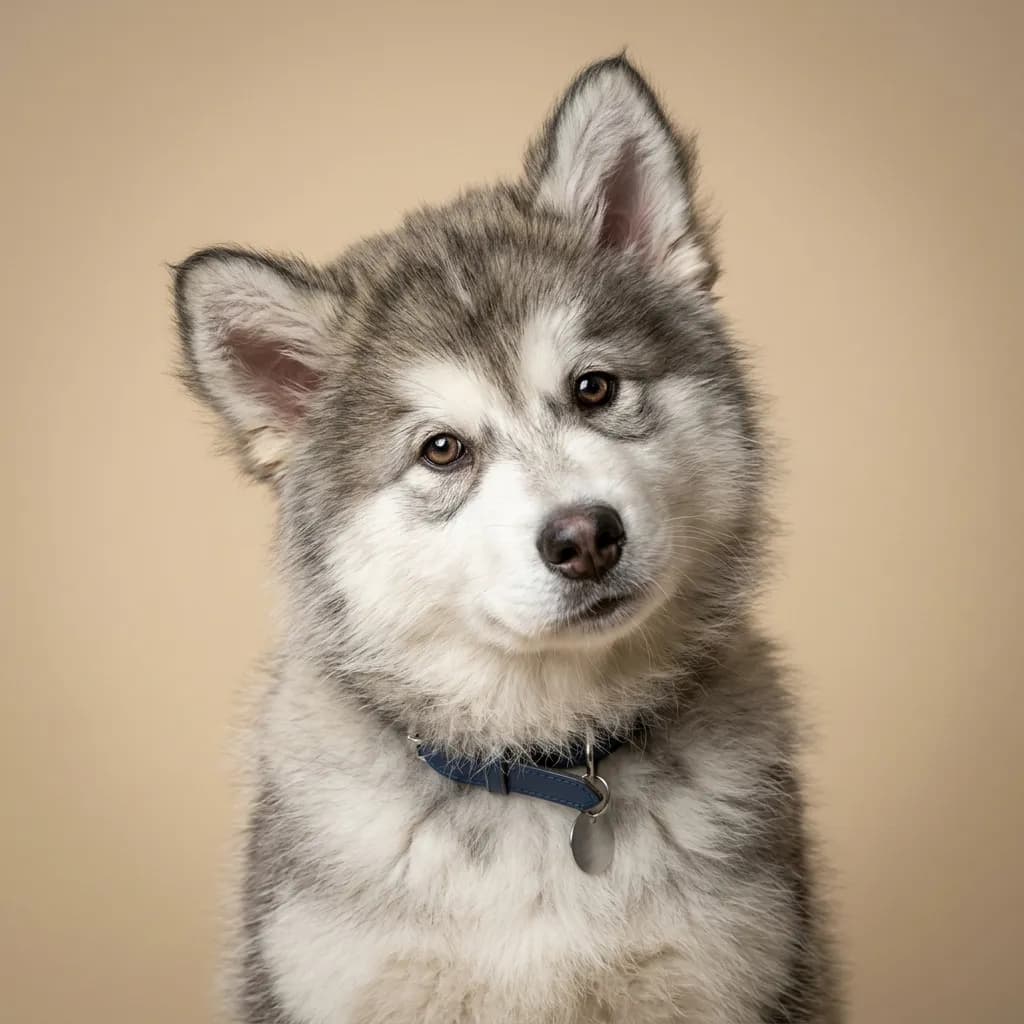
Alaskan Malamute
Working Group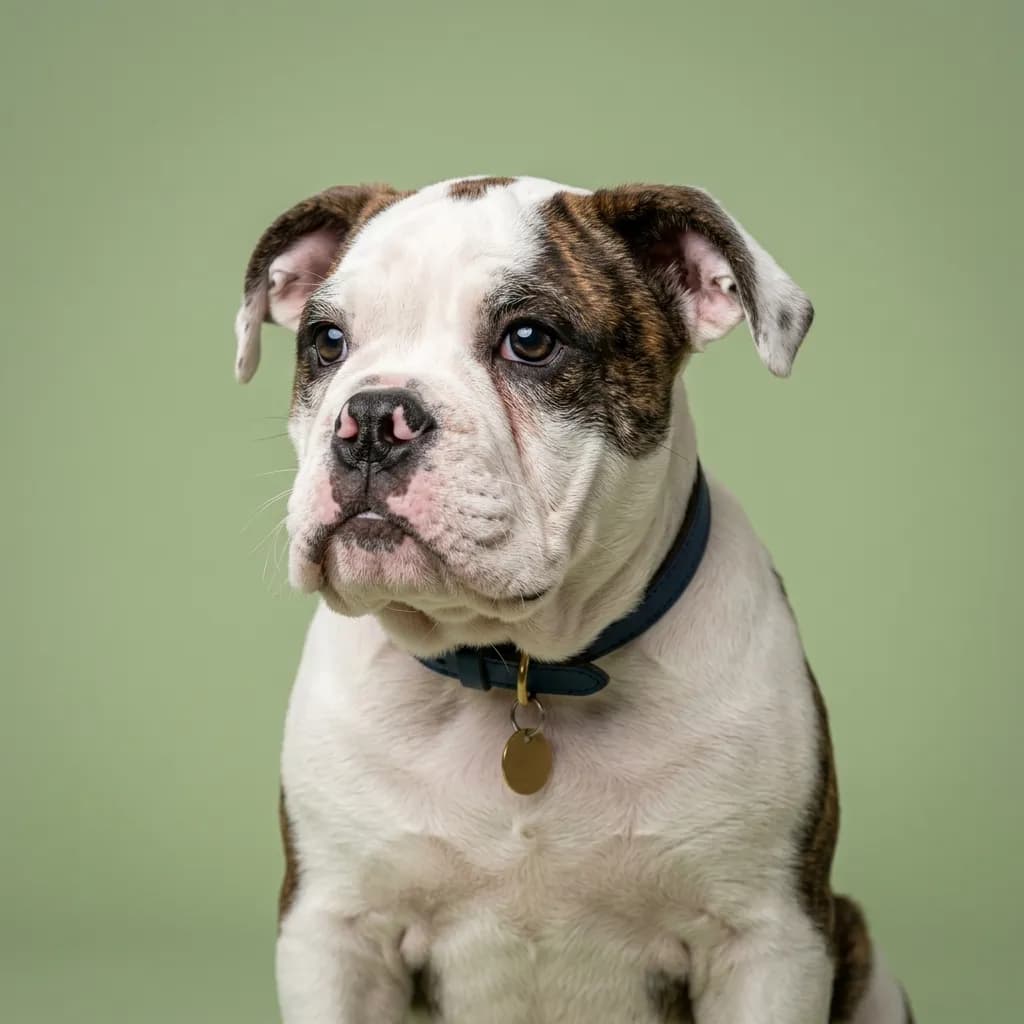
American Bulldog
Foundation Stock Service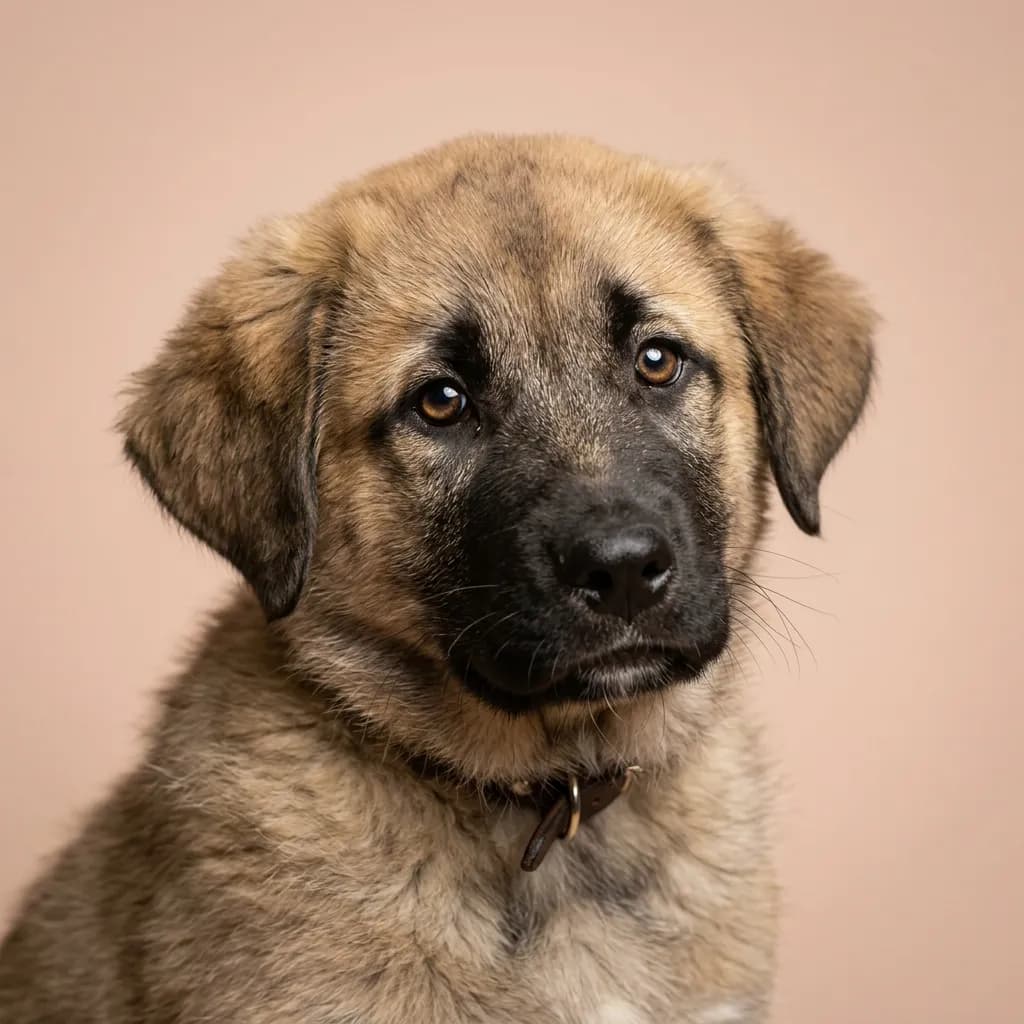
Anatolian Shepherd Dog
Working Group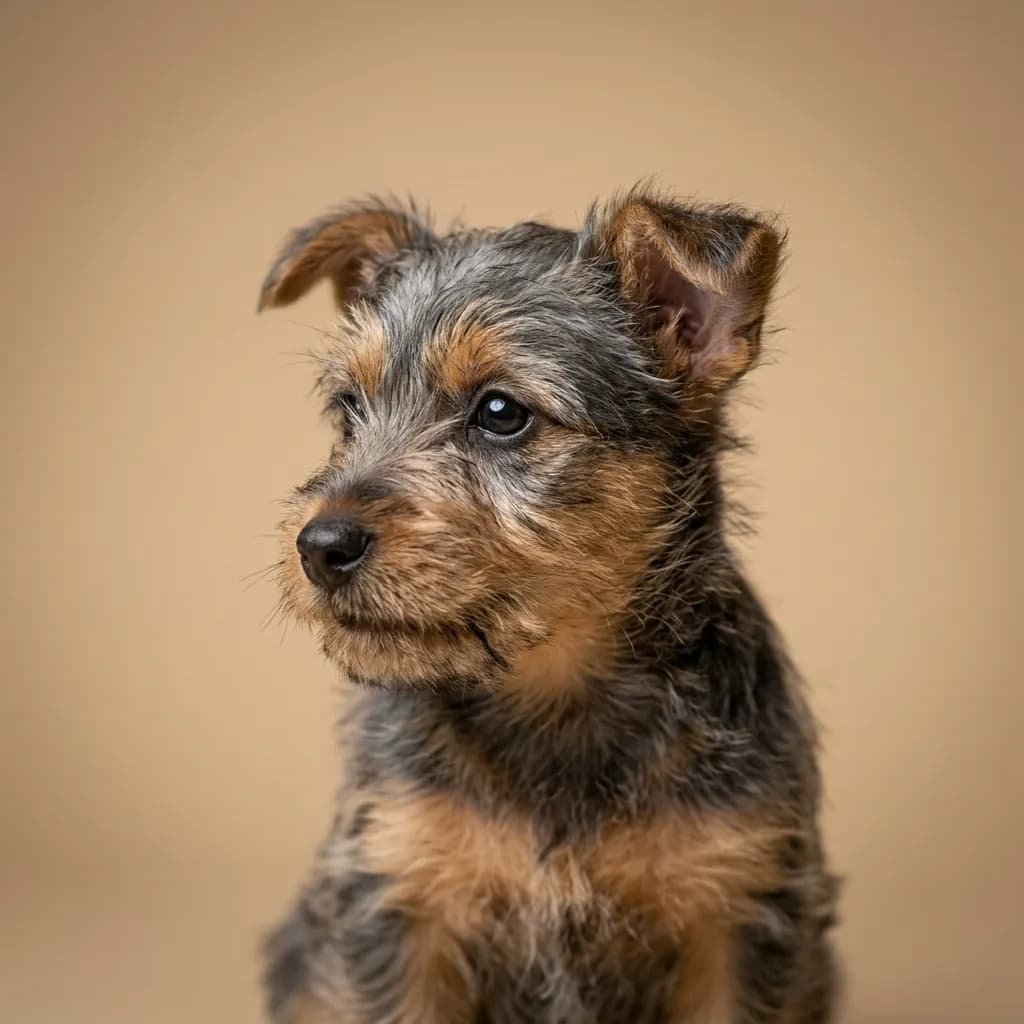
Australian Terrier
Terrier Group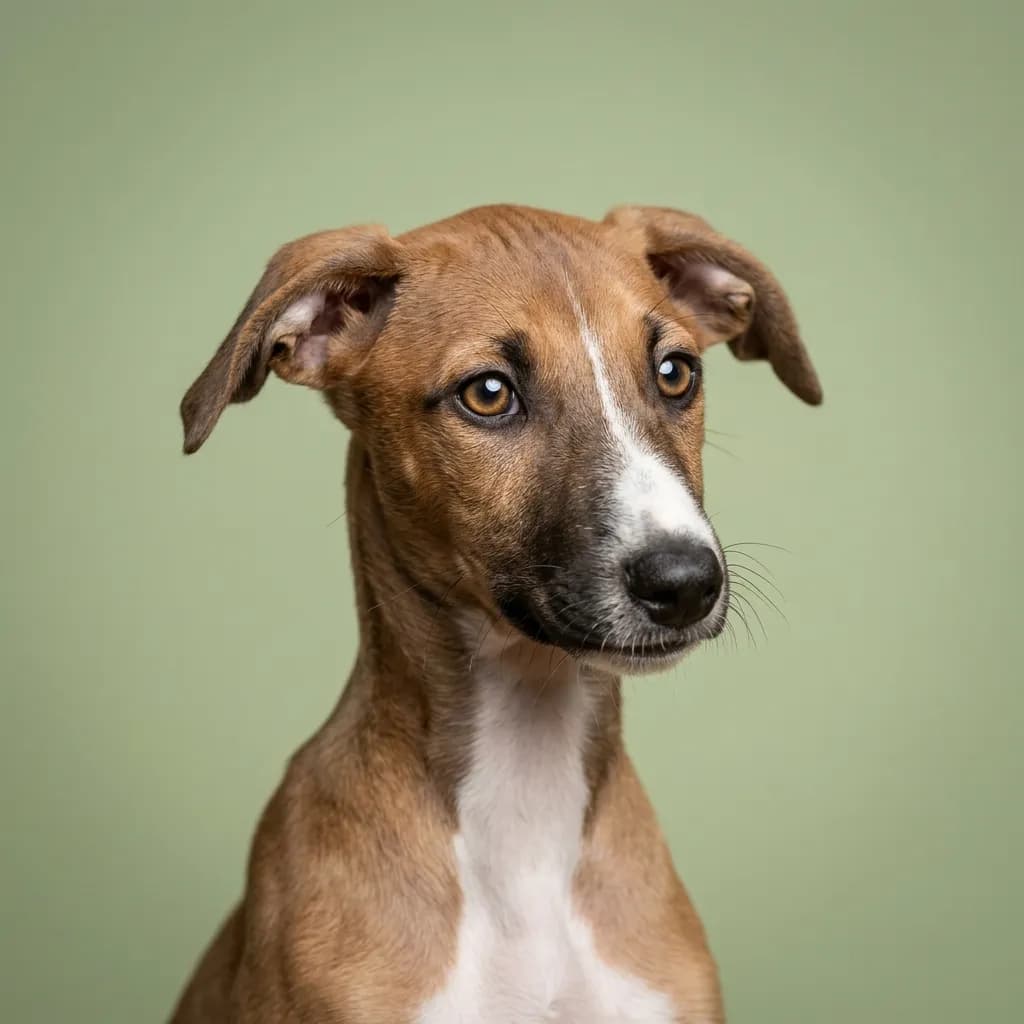
Azawakh
Hound Group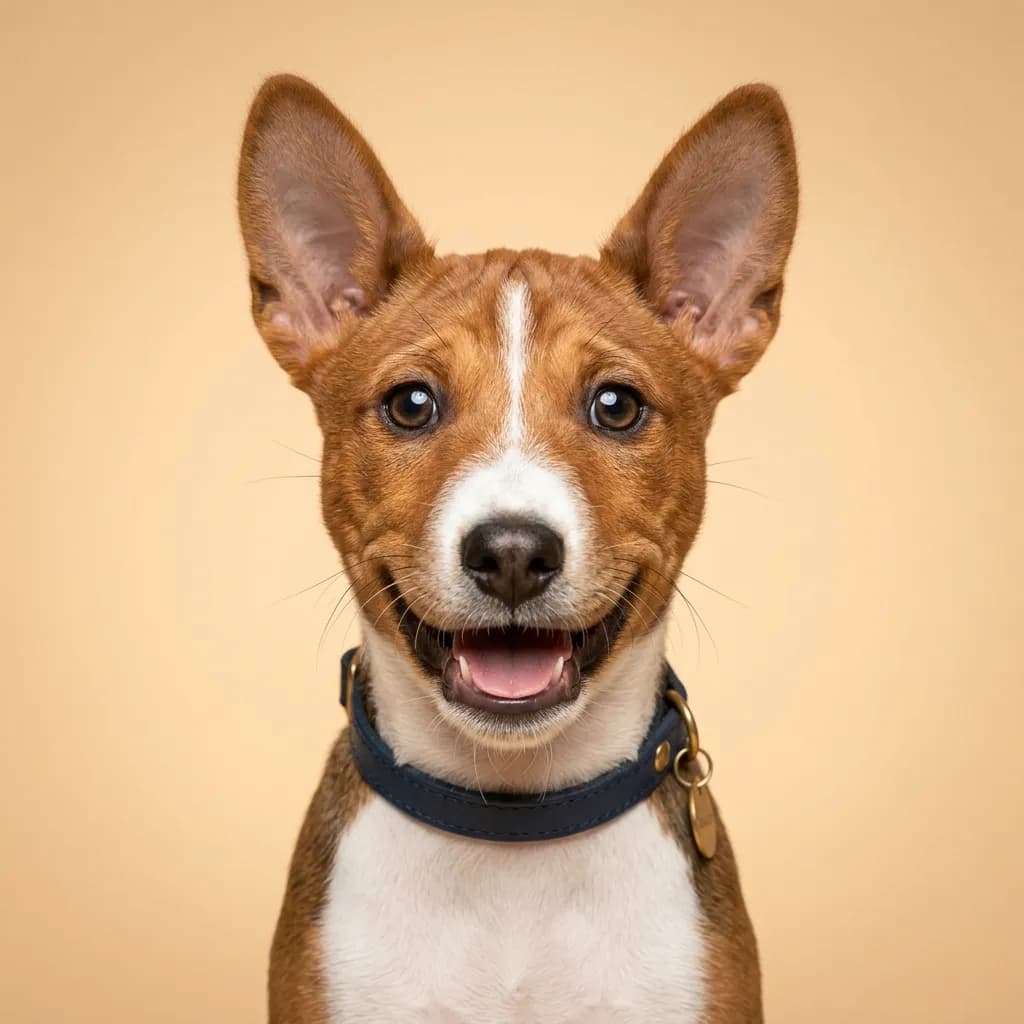
Basenji
Hound Group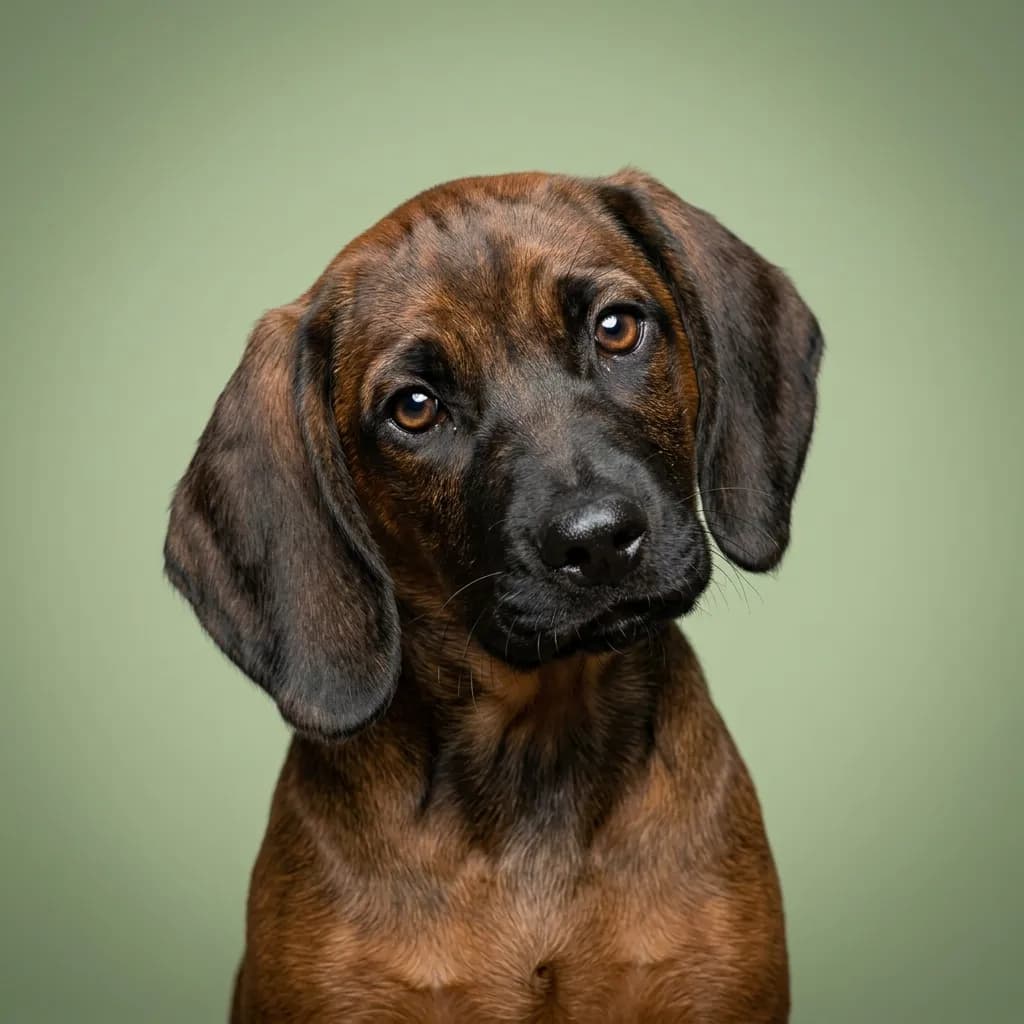
Bavarian Mountain Scent Hound
Foundation Stock Service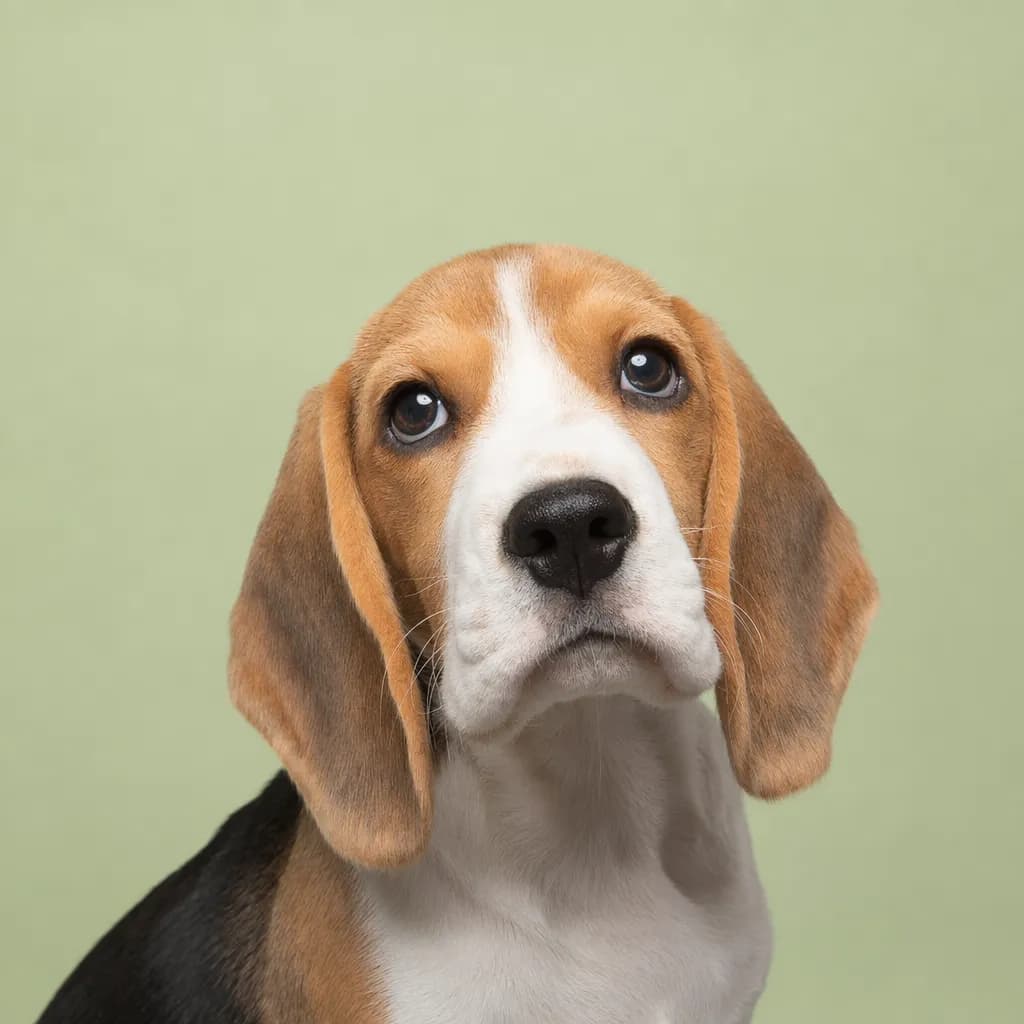
Beagle
Hound Group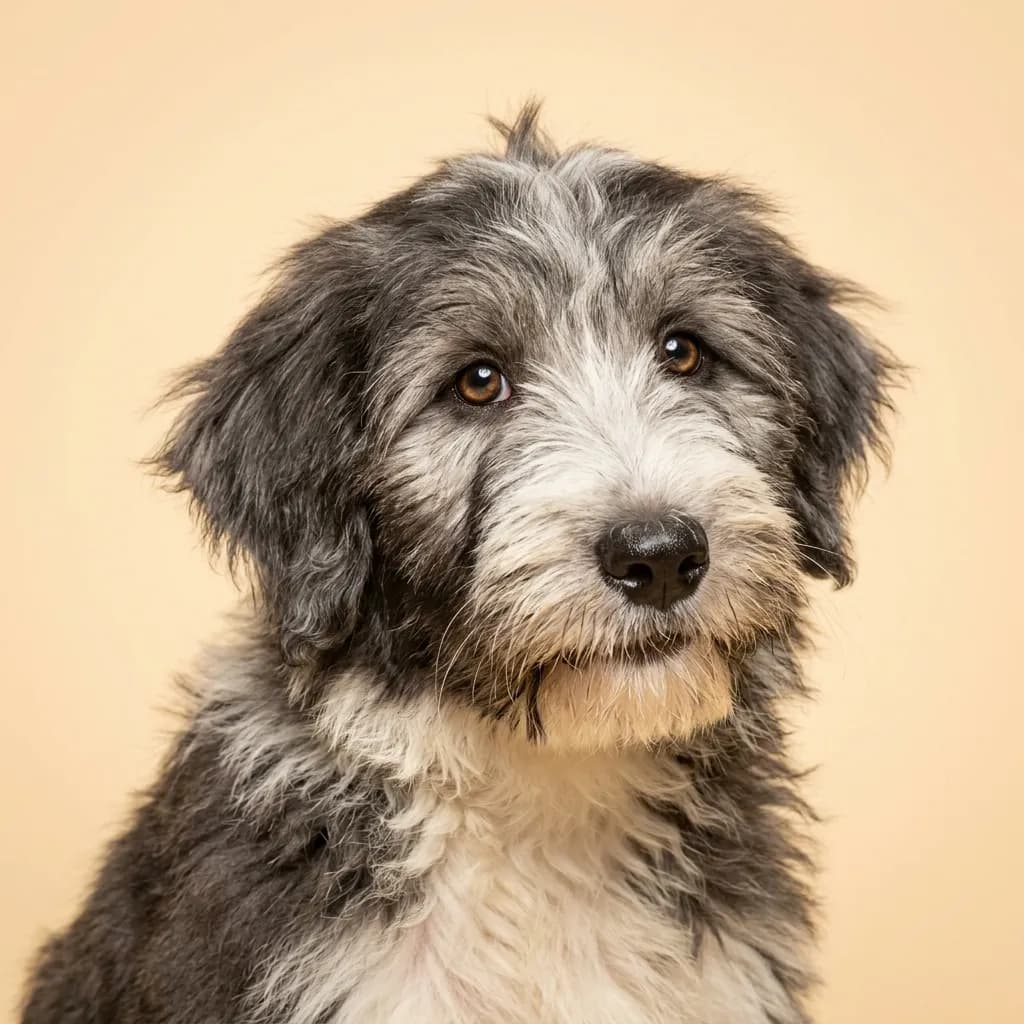
Bearded Collie
Herding Group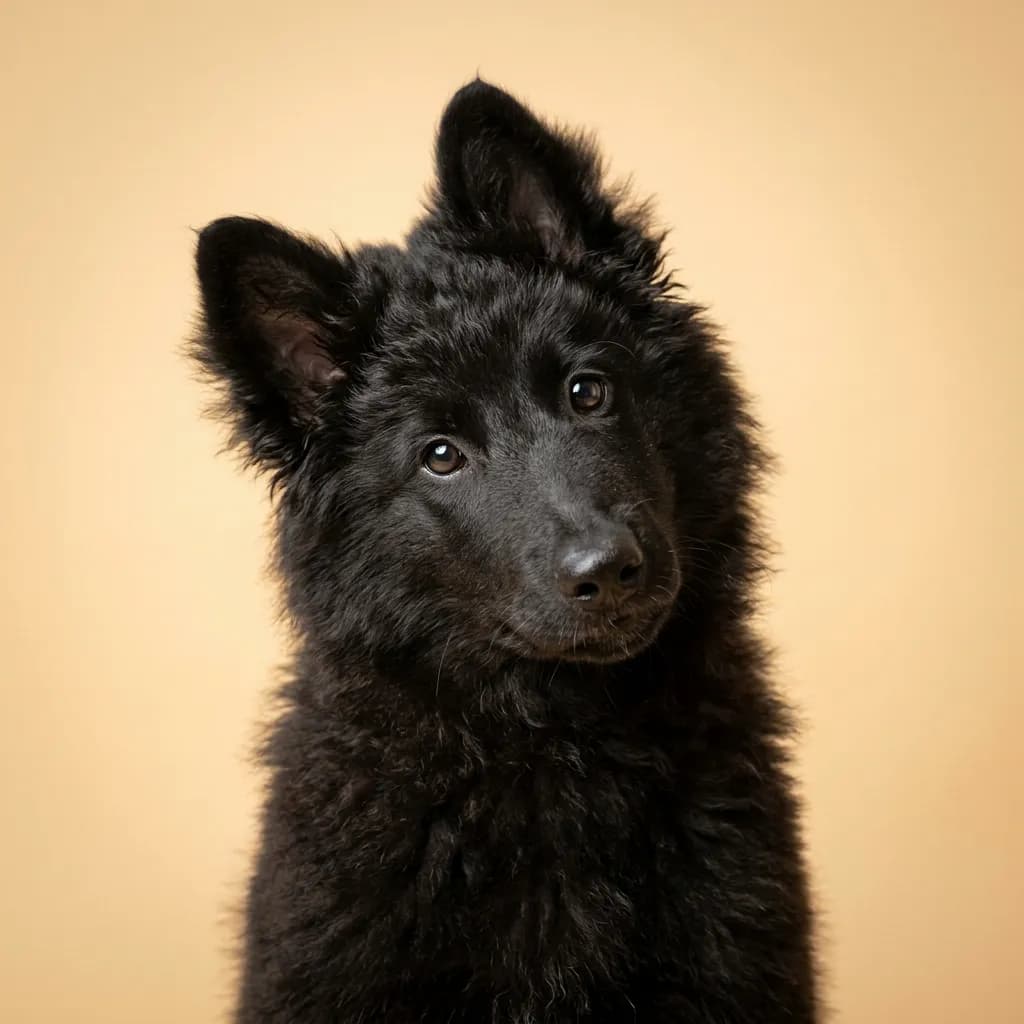
Belgian Sheepdog
Herding Group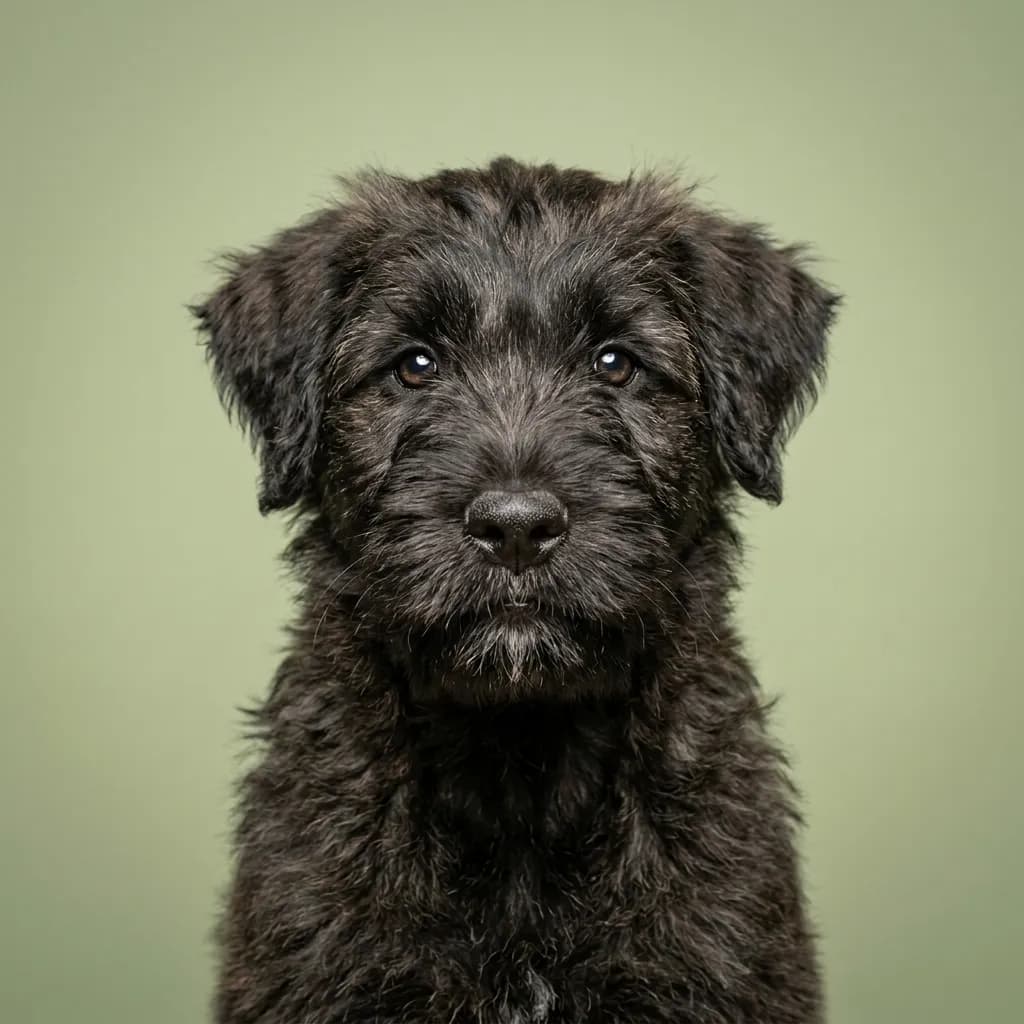
Bouvier des Flandres
Herding Group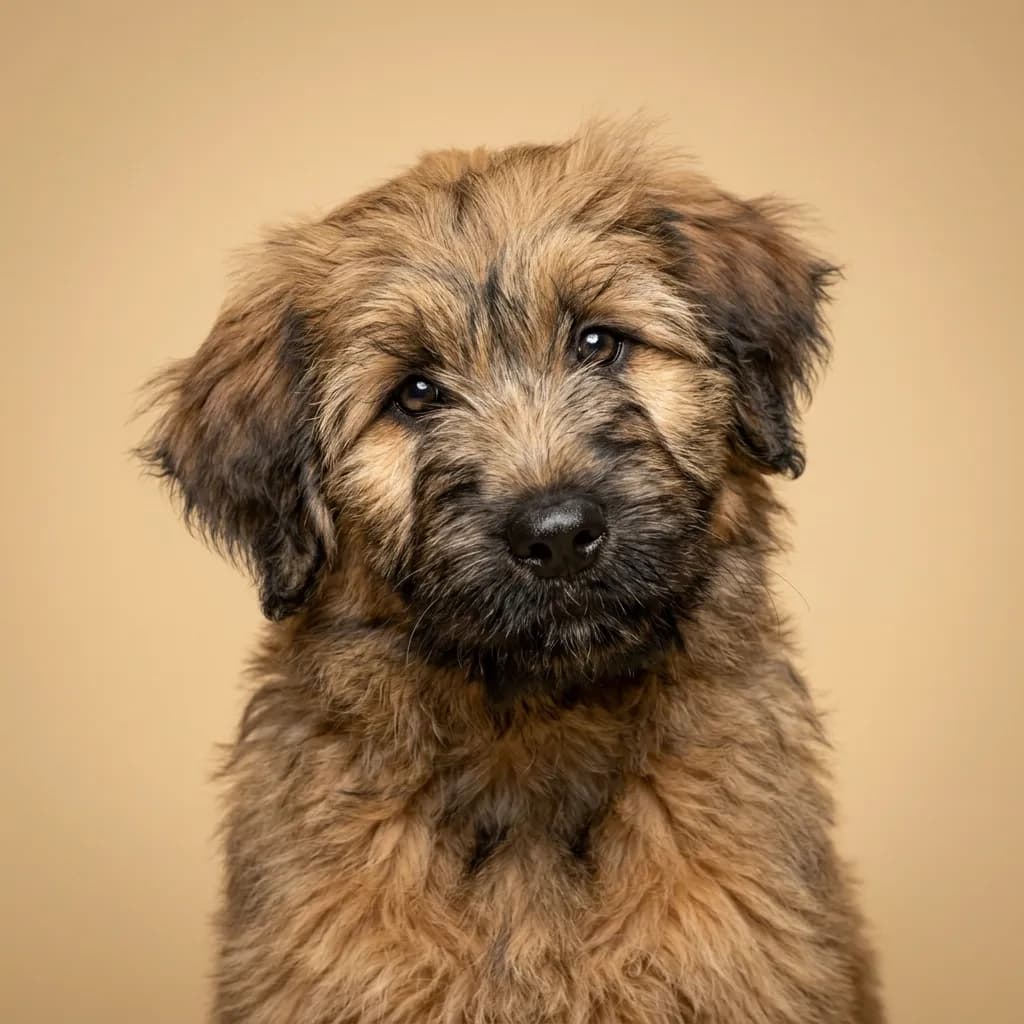
Briard
Herding Group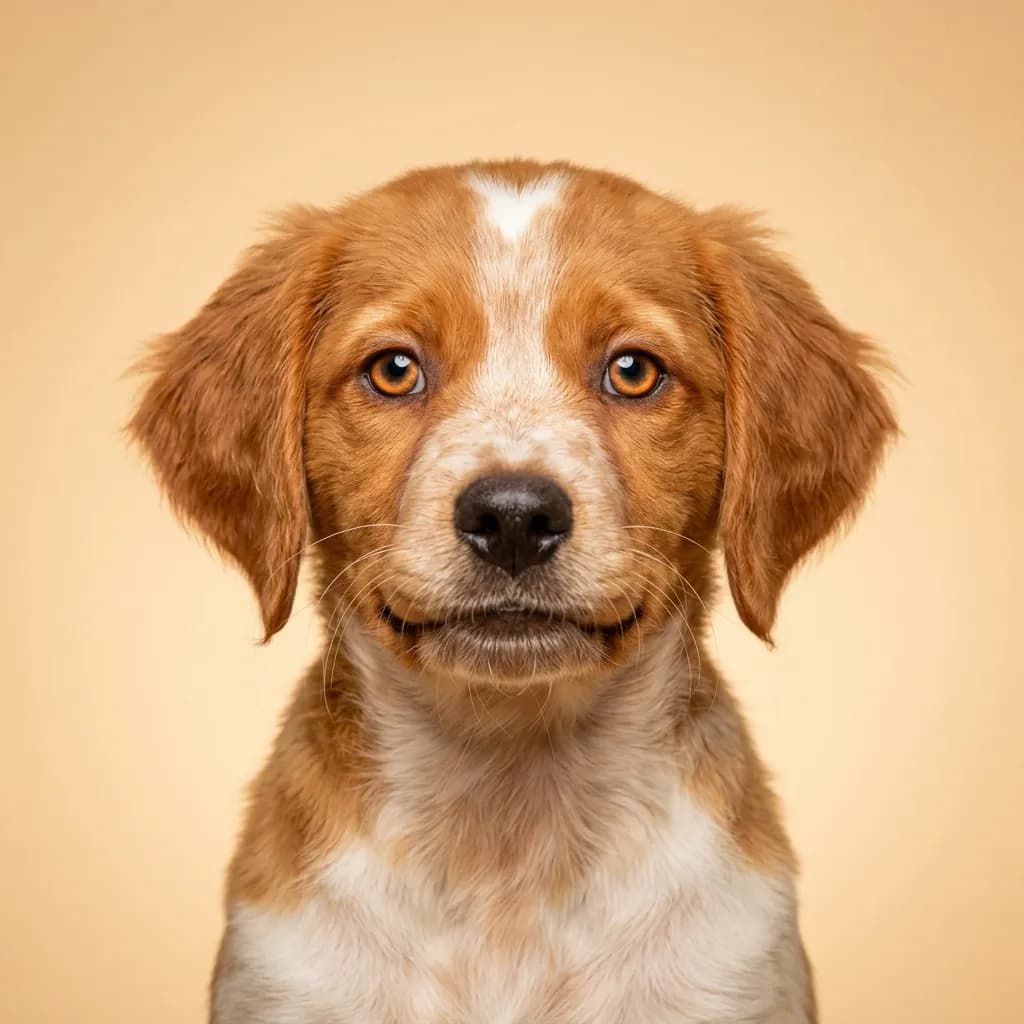
Brittany
Sporting Group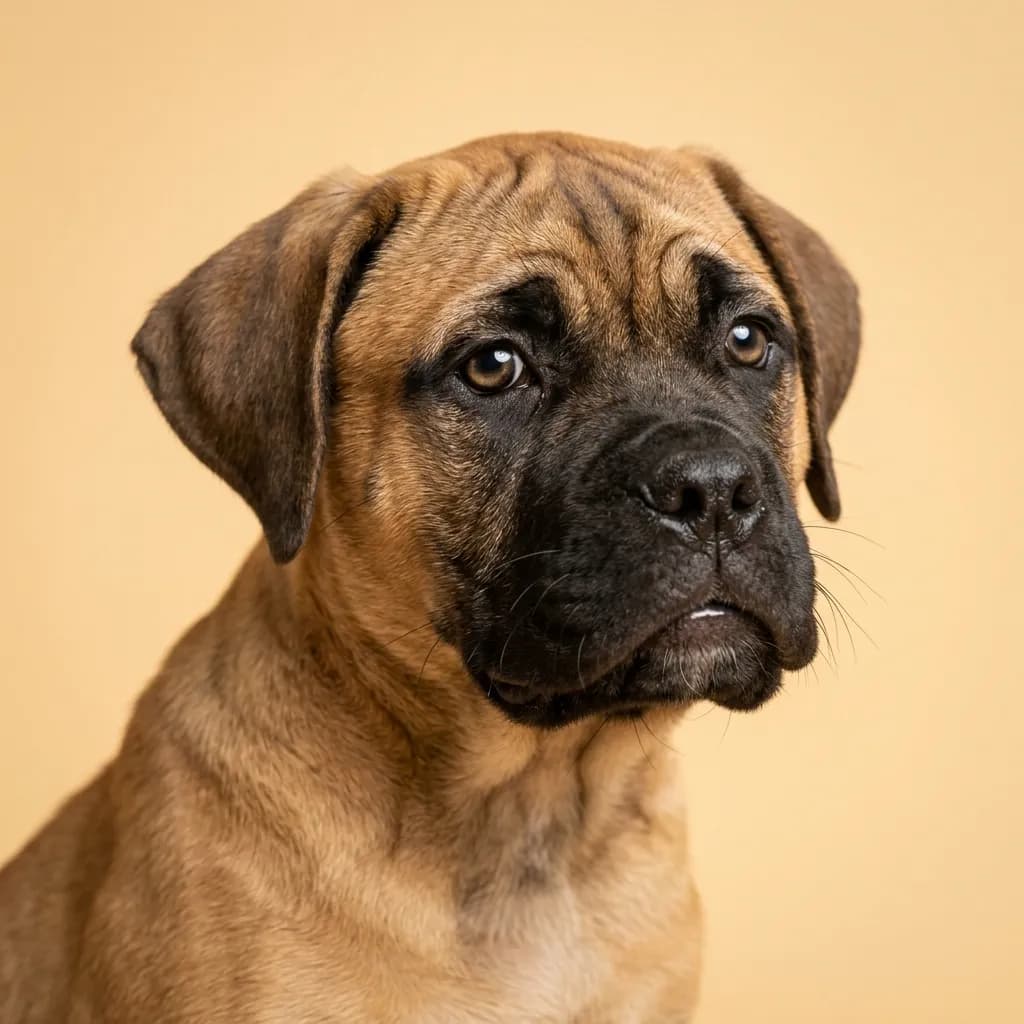
Bullmastiff
Working Group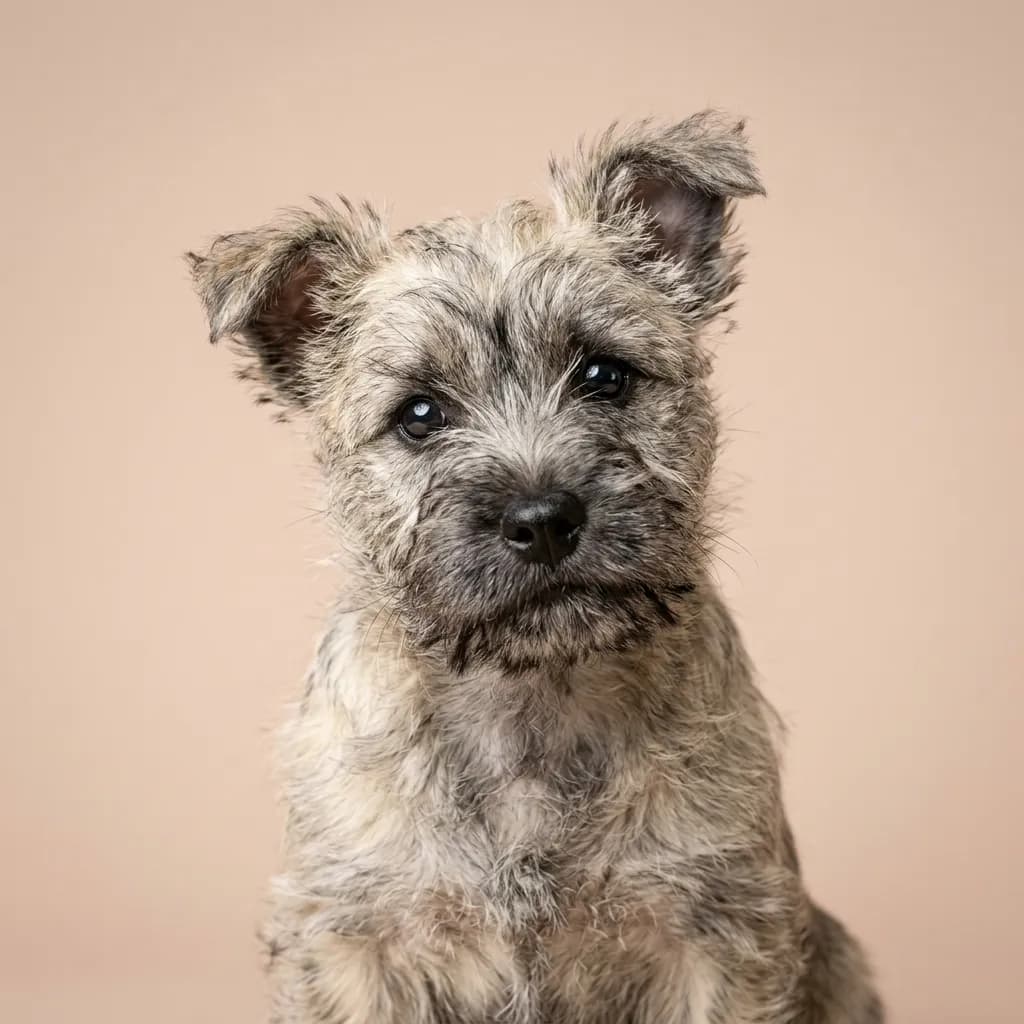
Cairn Terrier
Terrier Group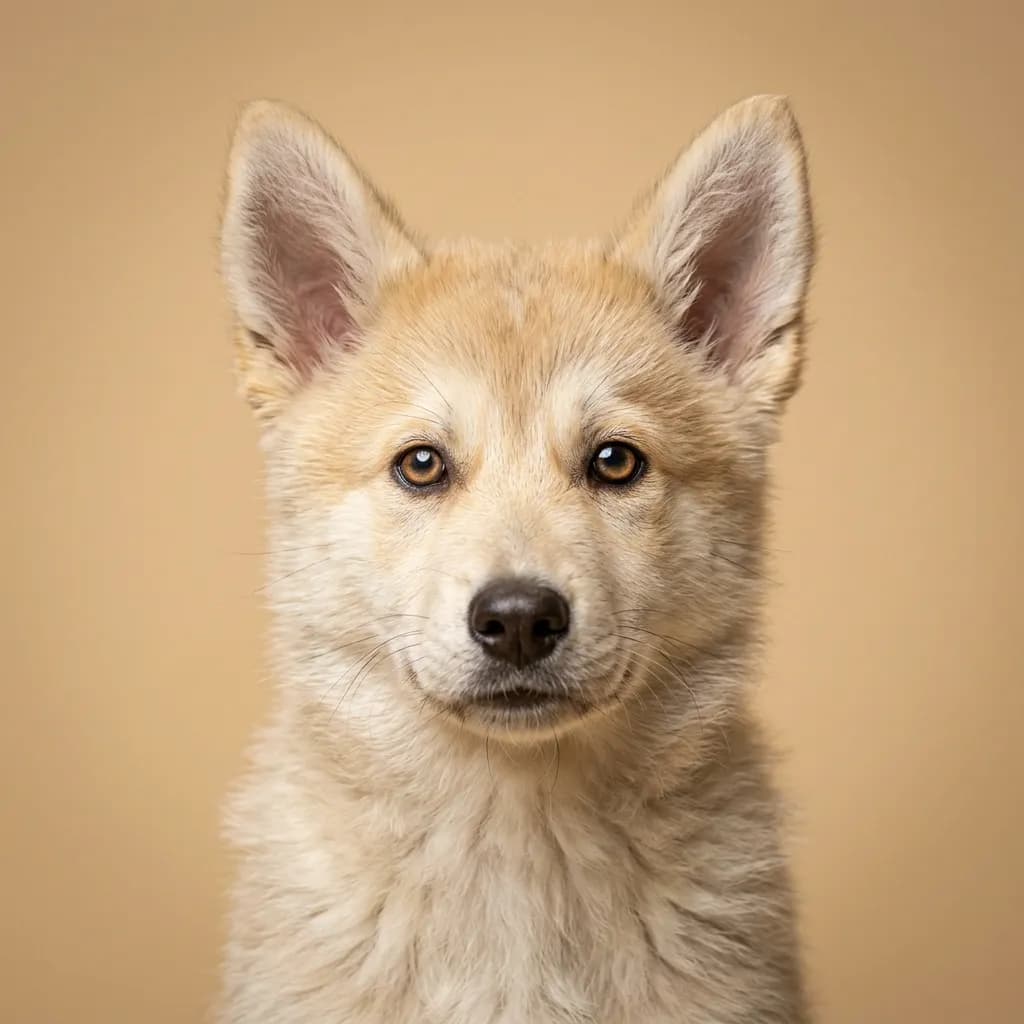
Canaan Dog
Herding Group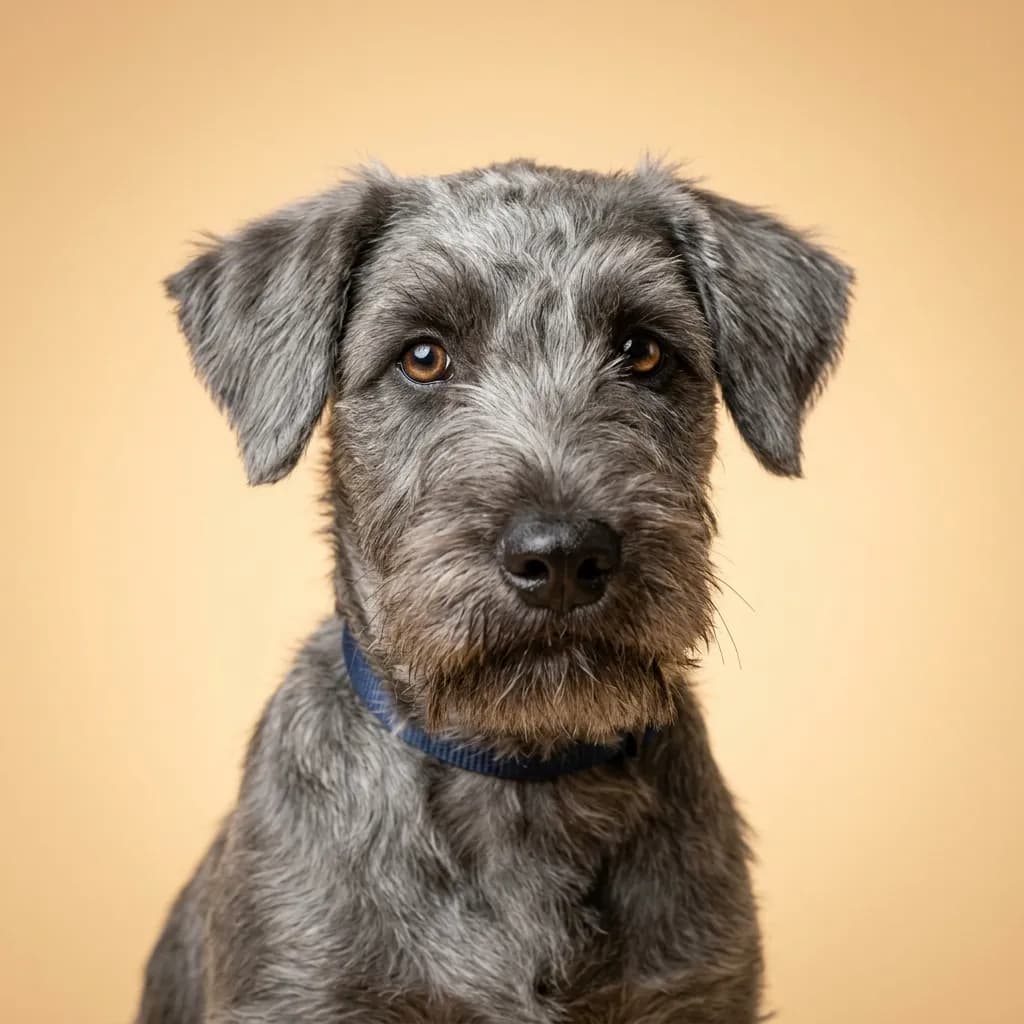
Cesky Terrier
Terrier Group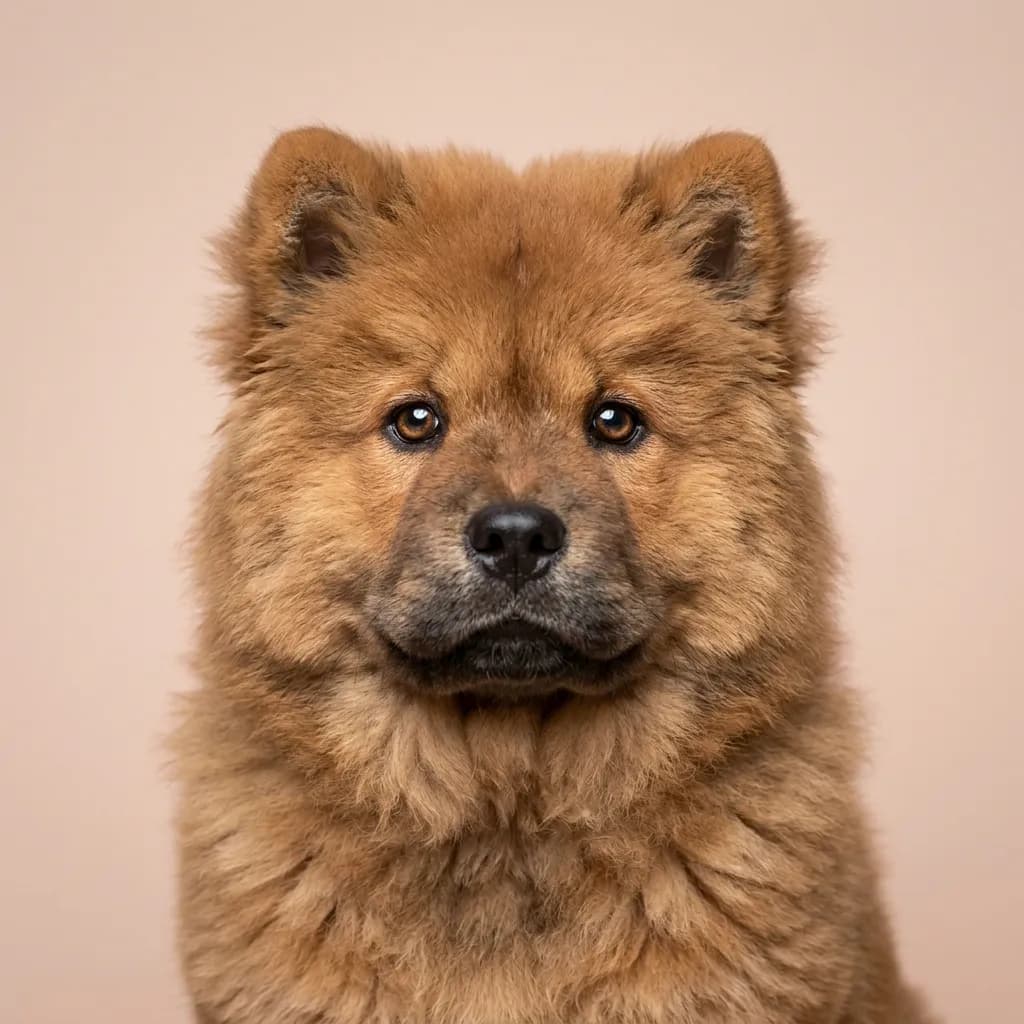
Chow Chow
Non-Sporting Group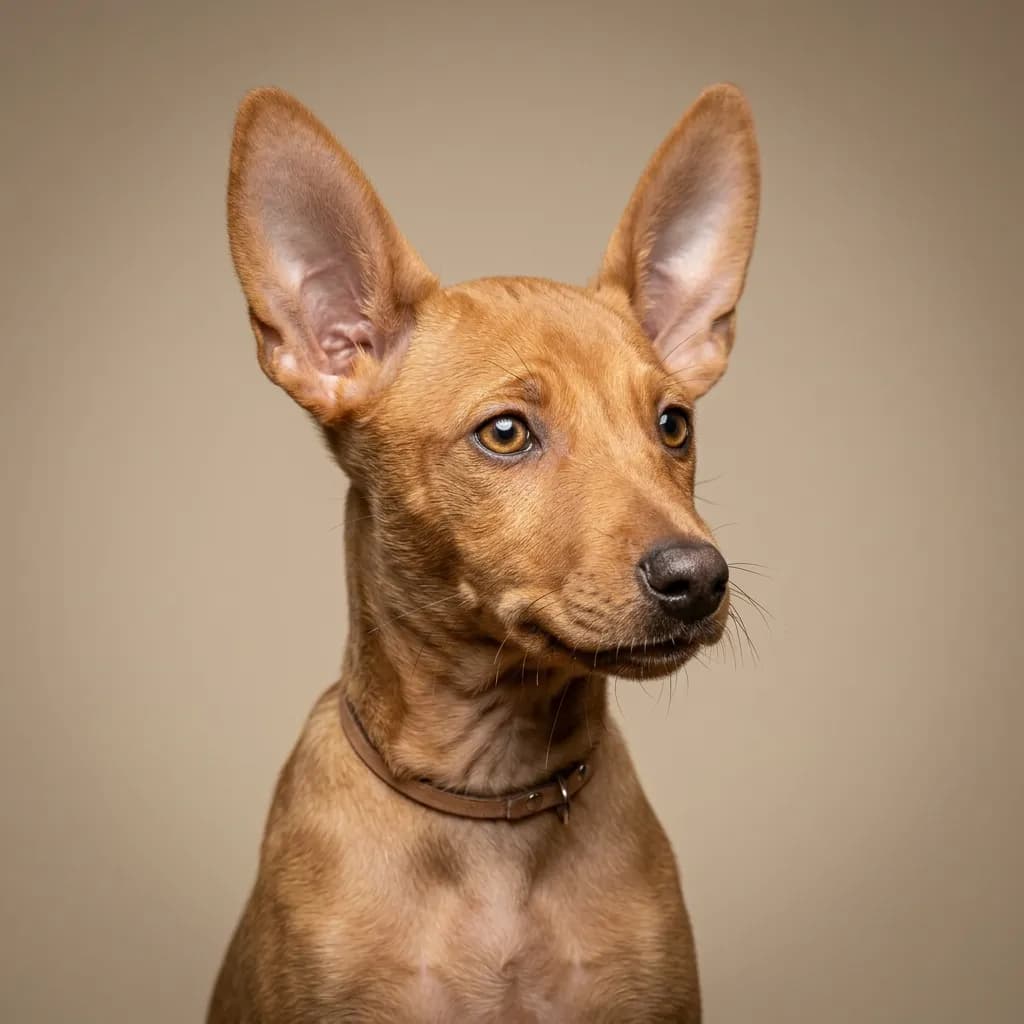
Cirneco dell’Etna
Hound Group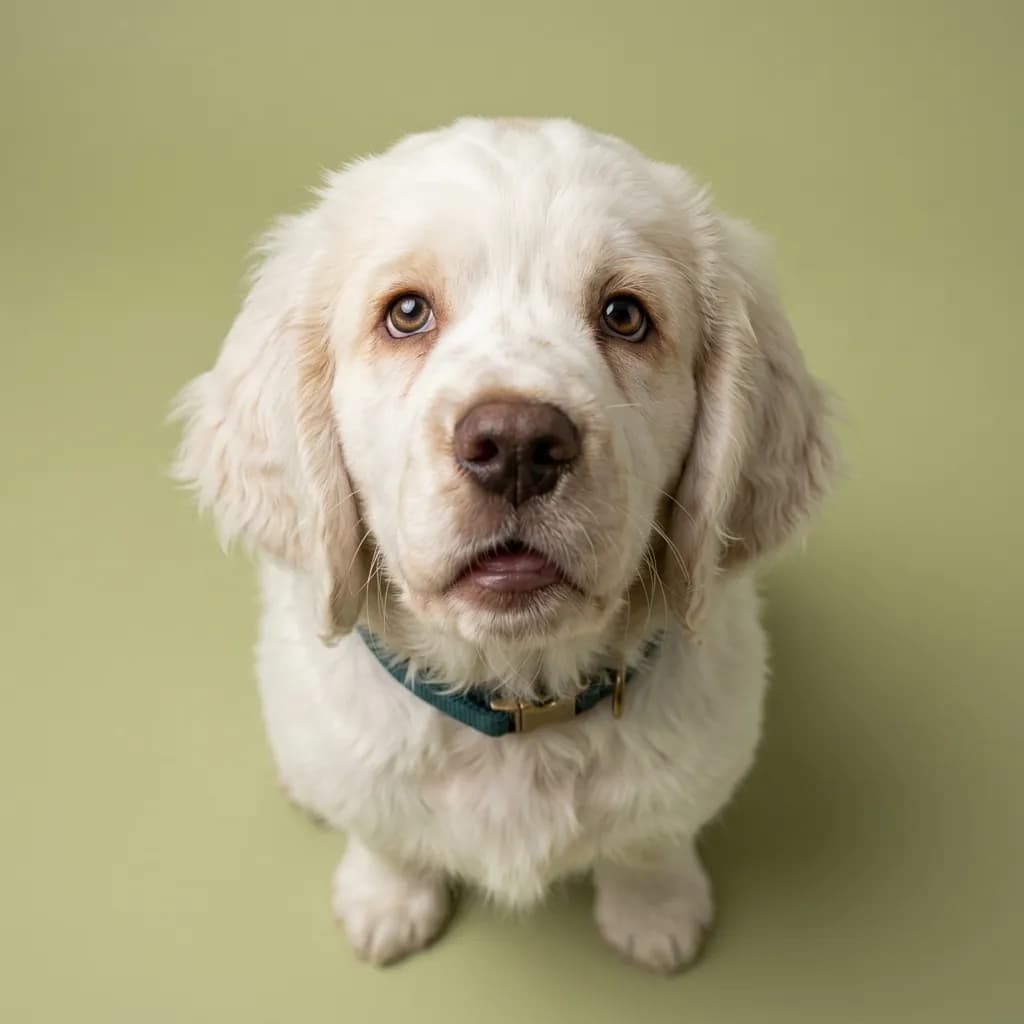
Clumber Spaniel
Sporting Group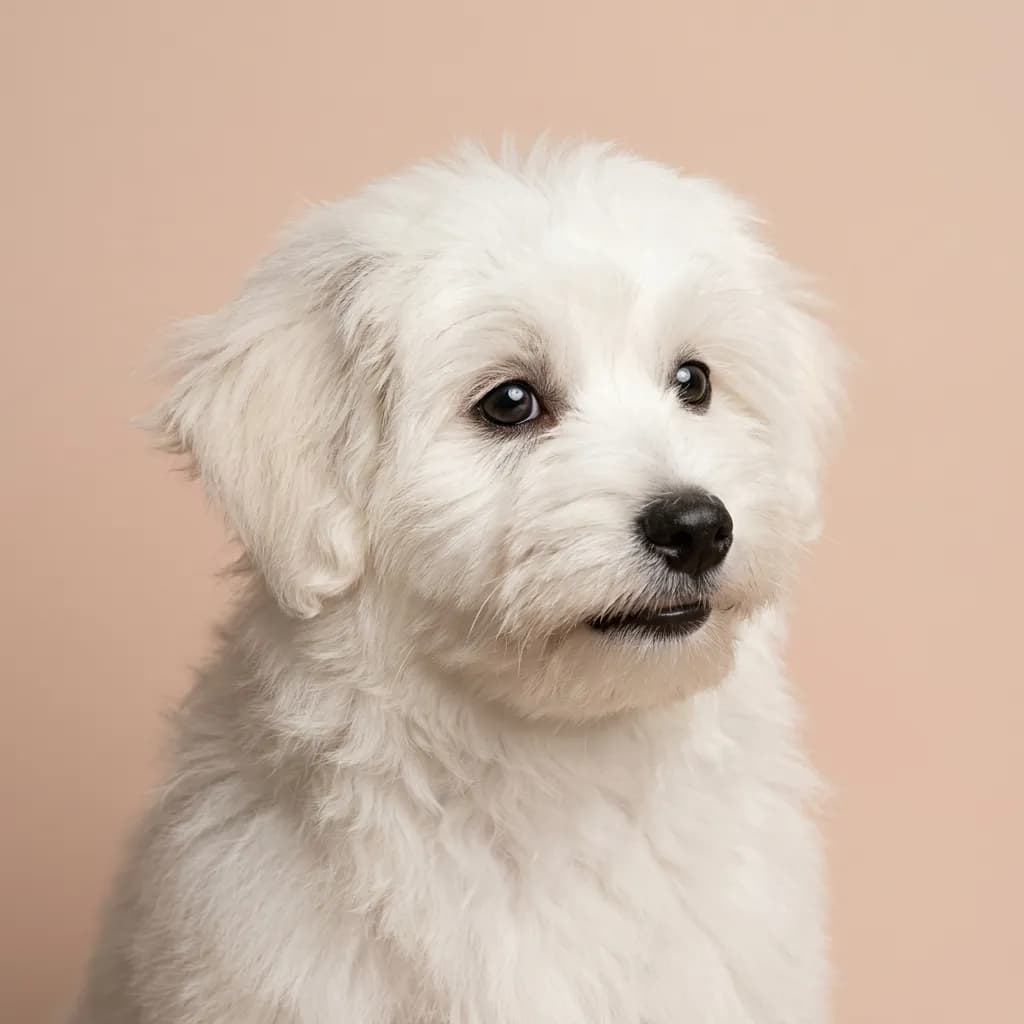
Coton de Tulear
Non-Sporting Group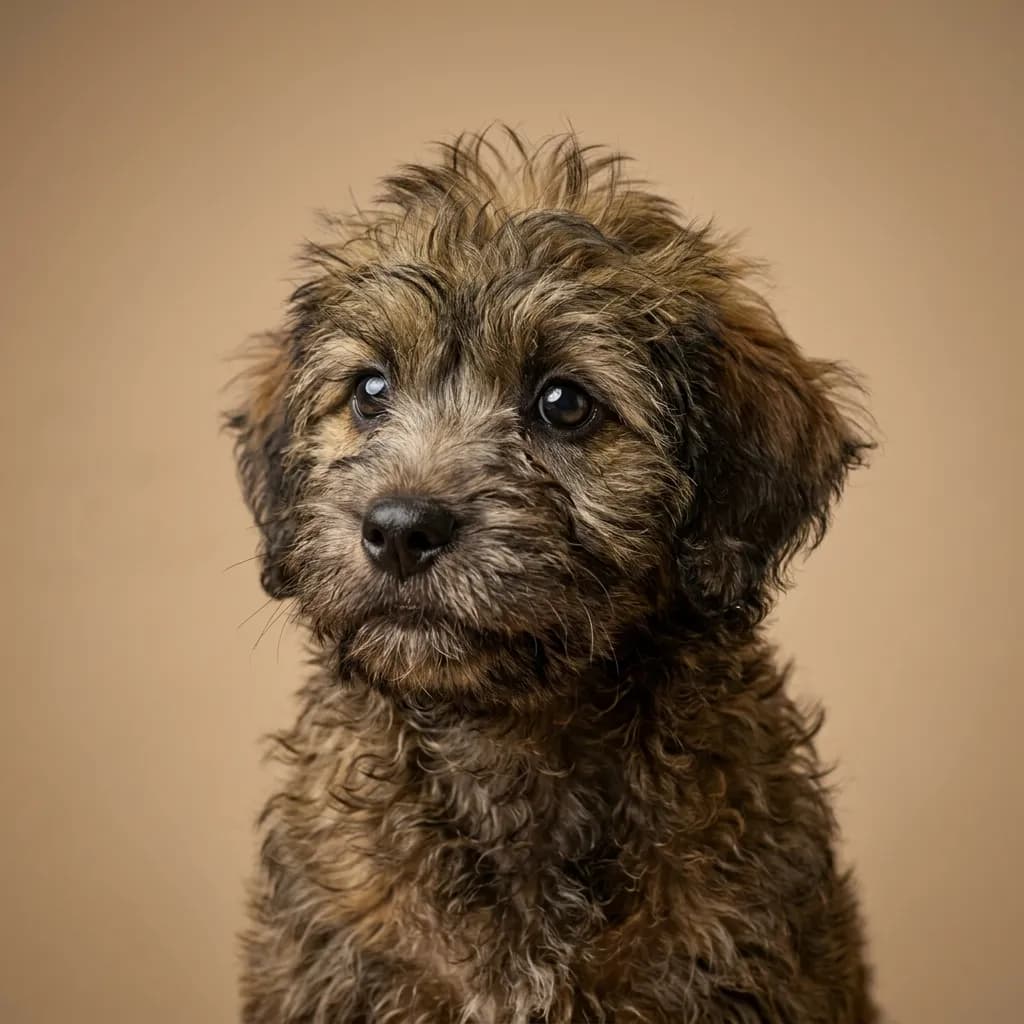
Dandie Dinmont Terrier
Terrier Group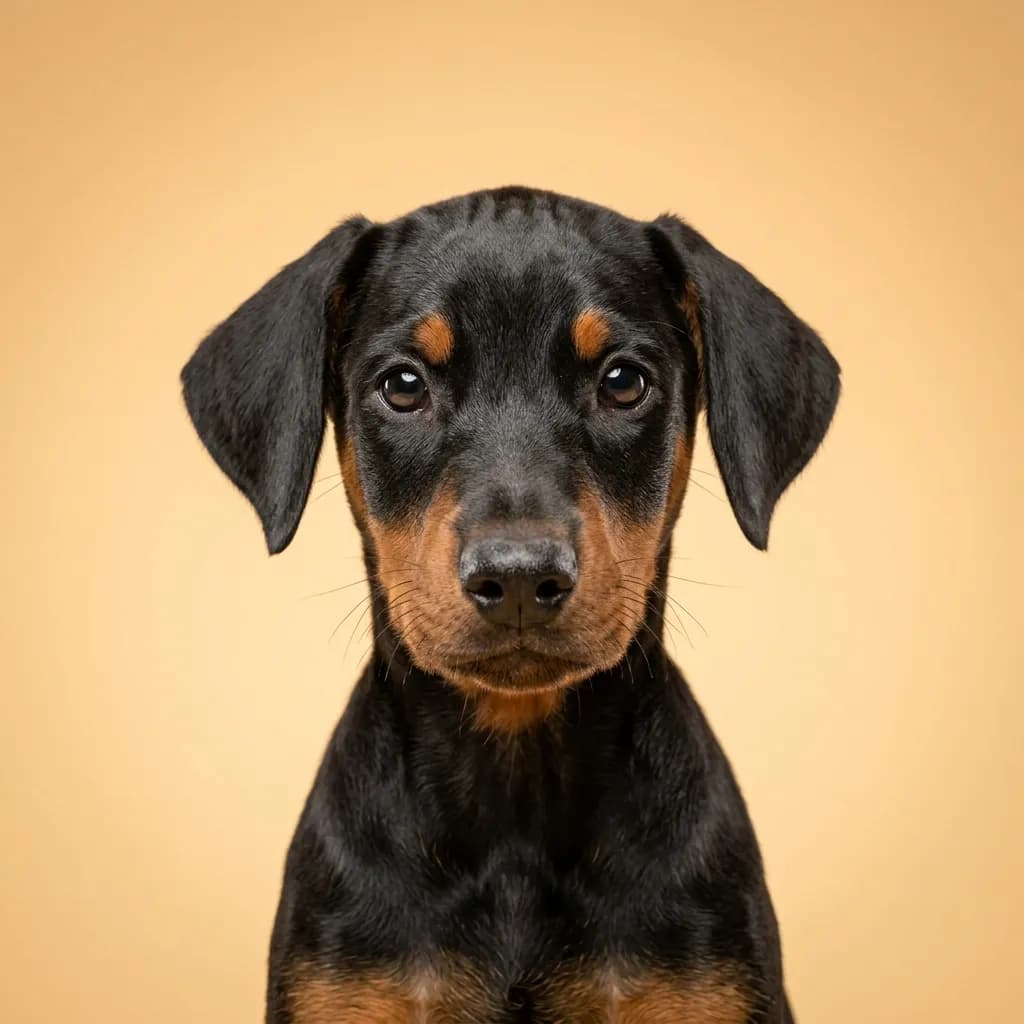
Doberman Pinscher
Working Group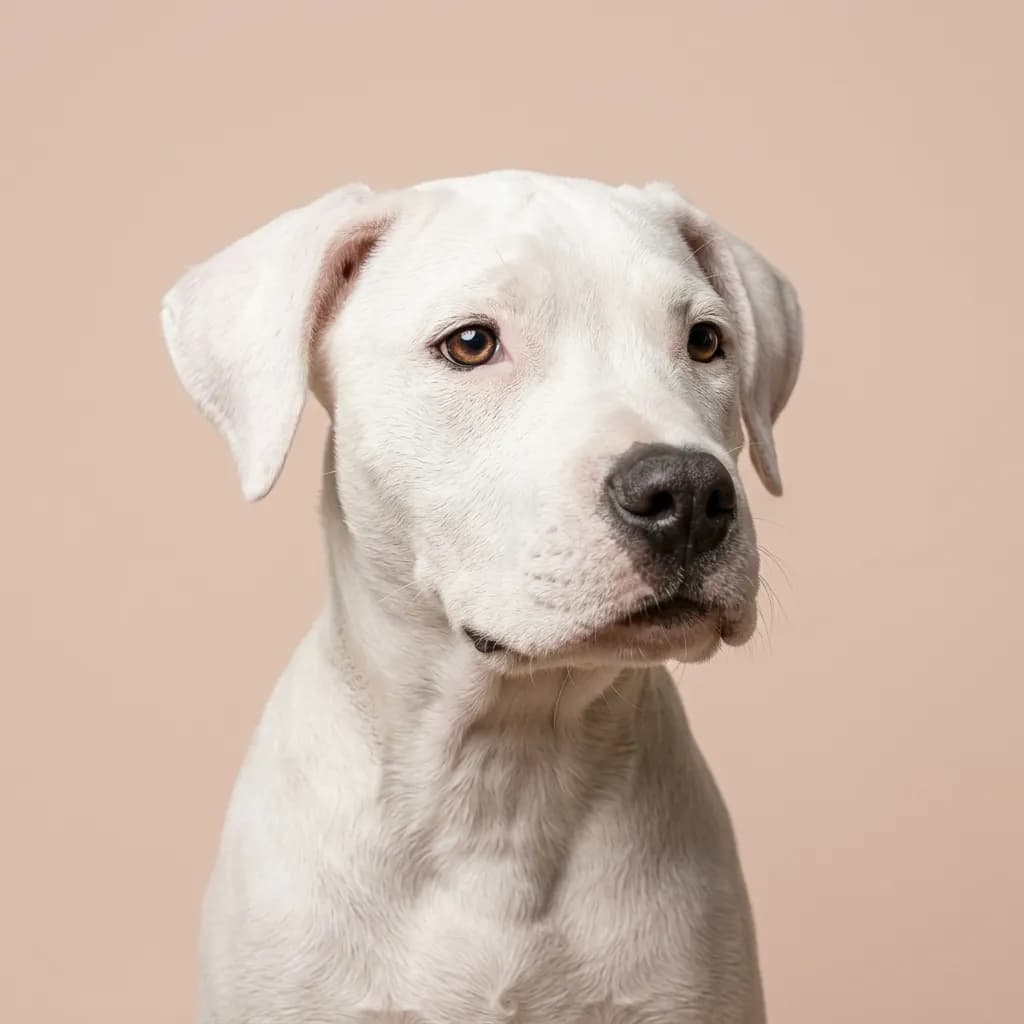
Dogo Argentino
Working Group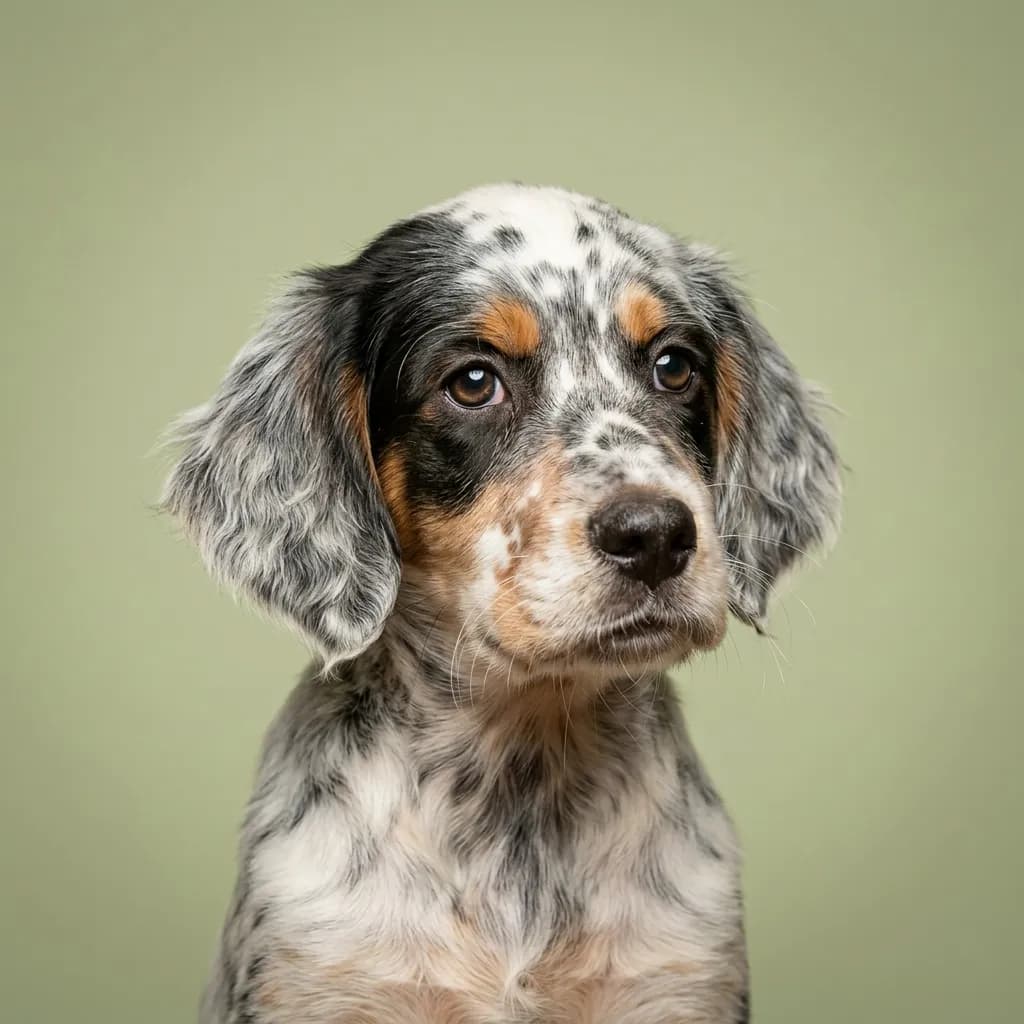
English Setter
Sporting Group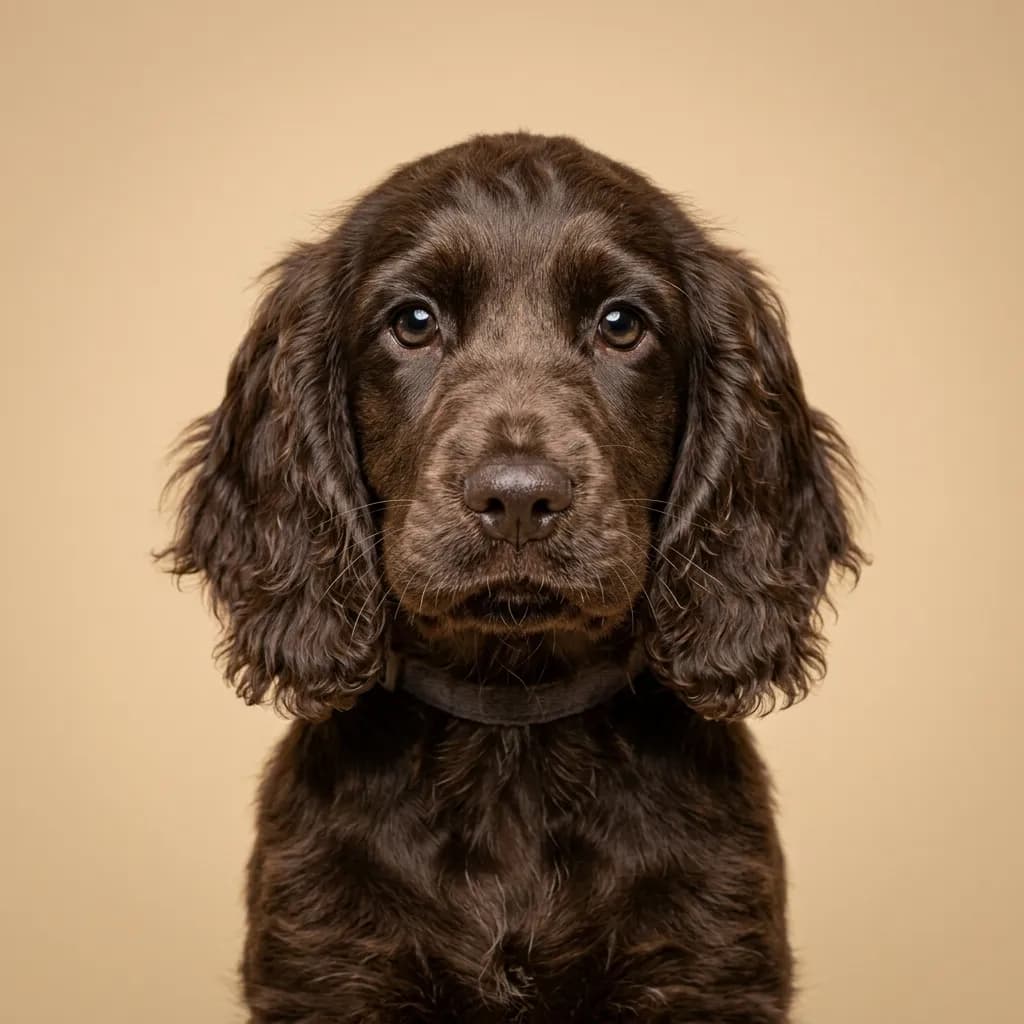
Field Spaniel
Sporting Group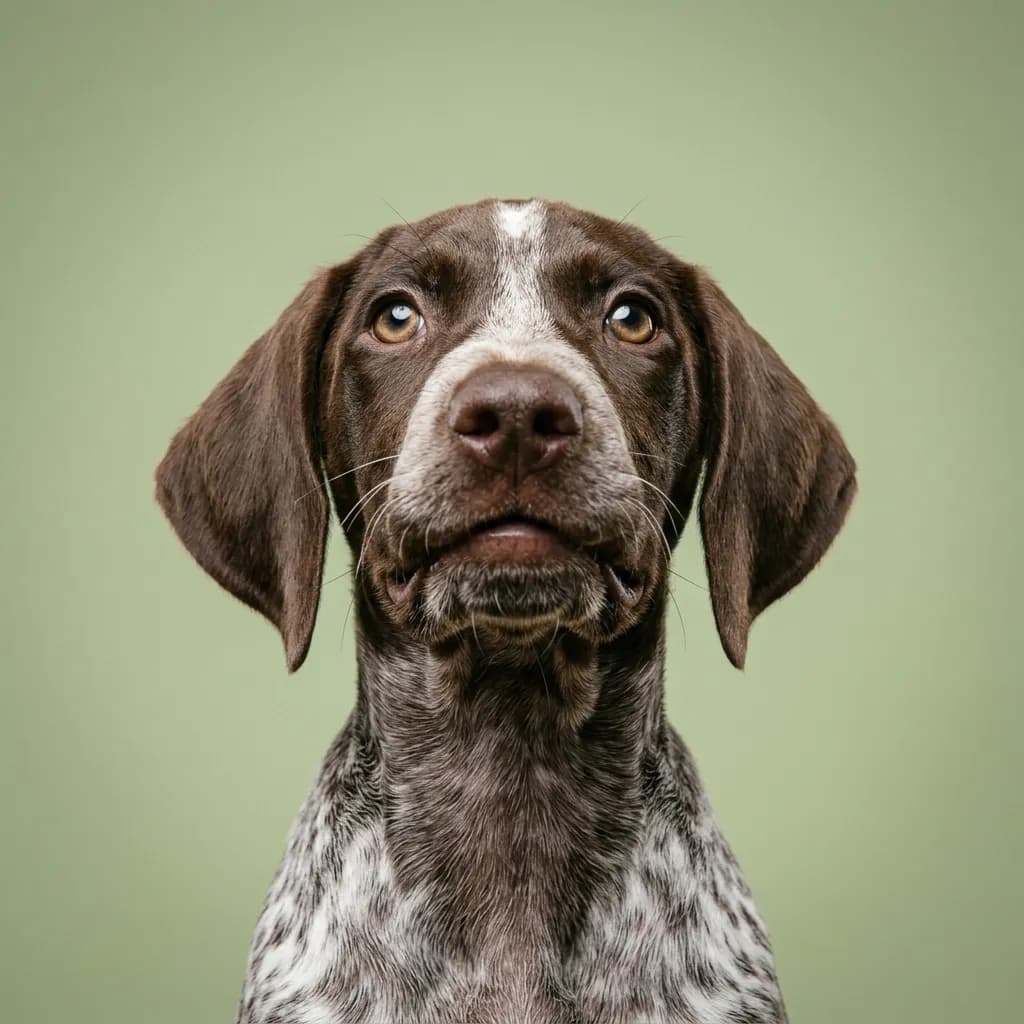
German Shorthaired Pointer
Sporting Group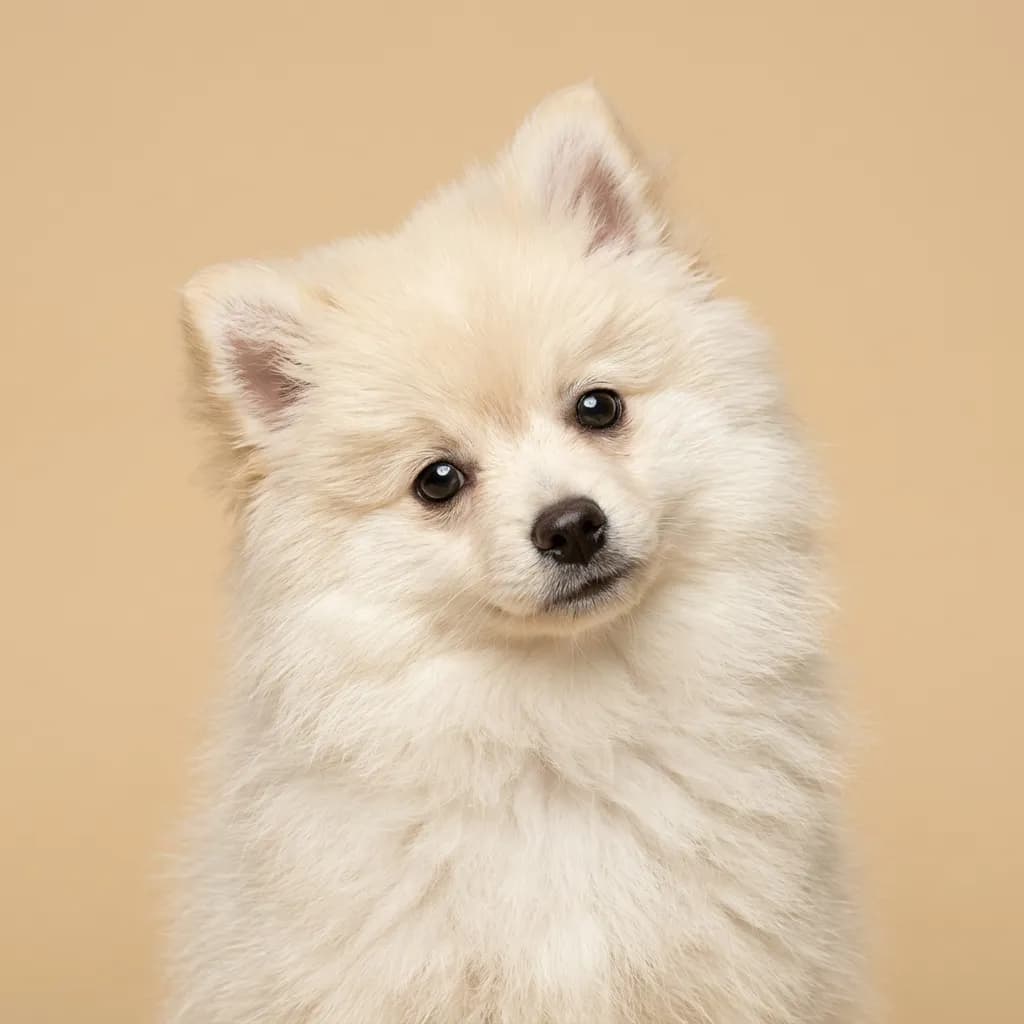
German Spitz
Foundation Stock Service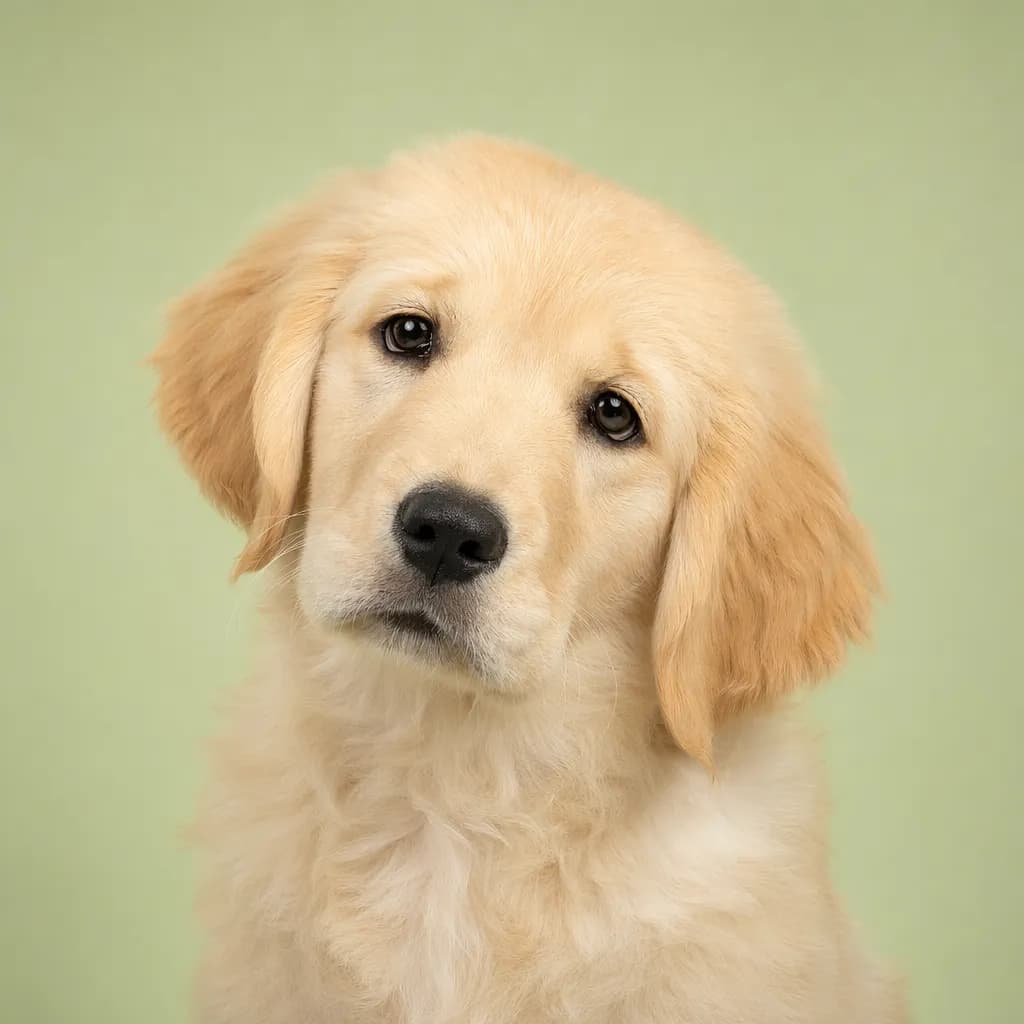
Golden Retriever
Sporting Group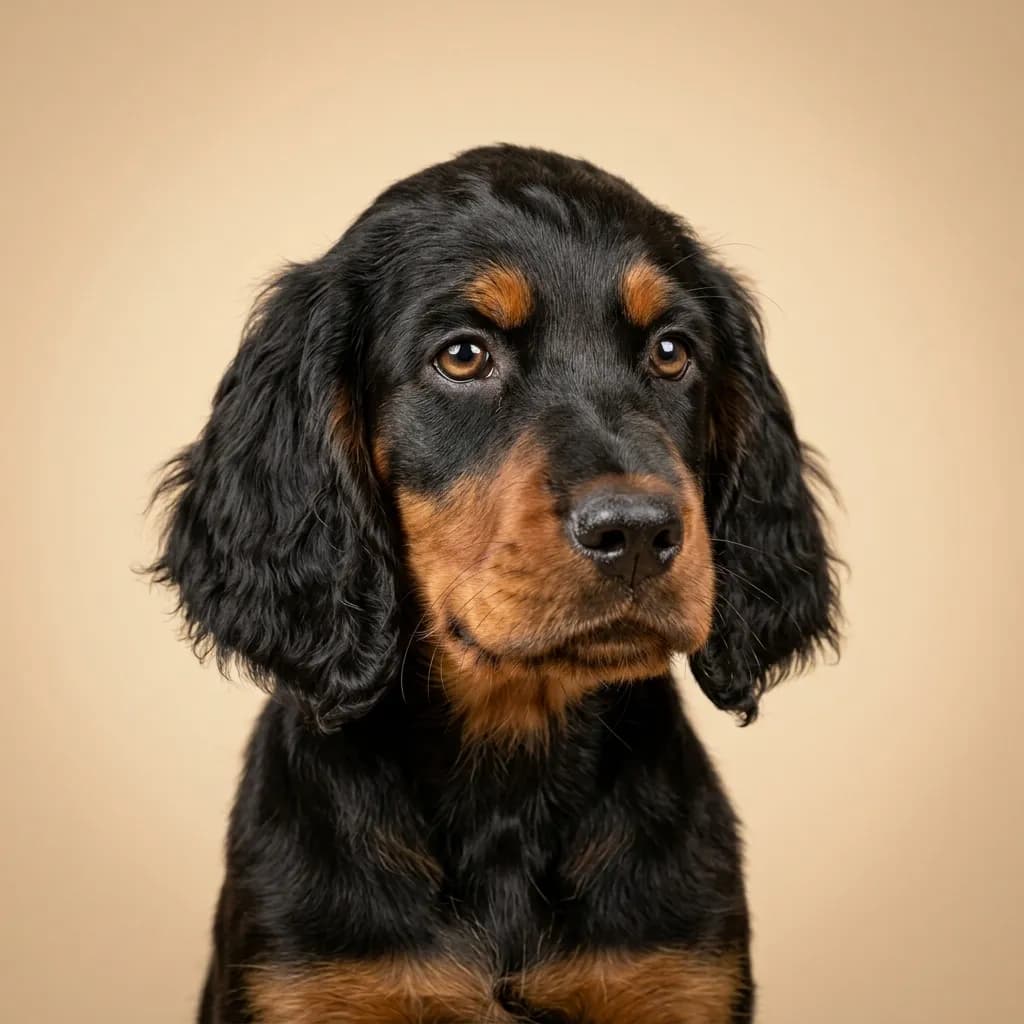
Gordon Setter
Sporting Group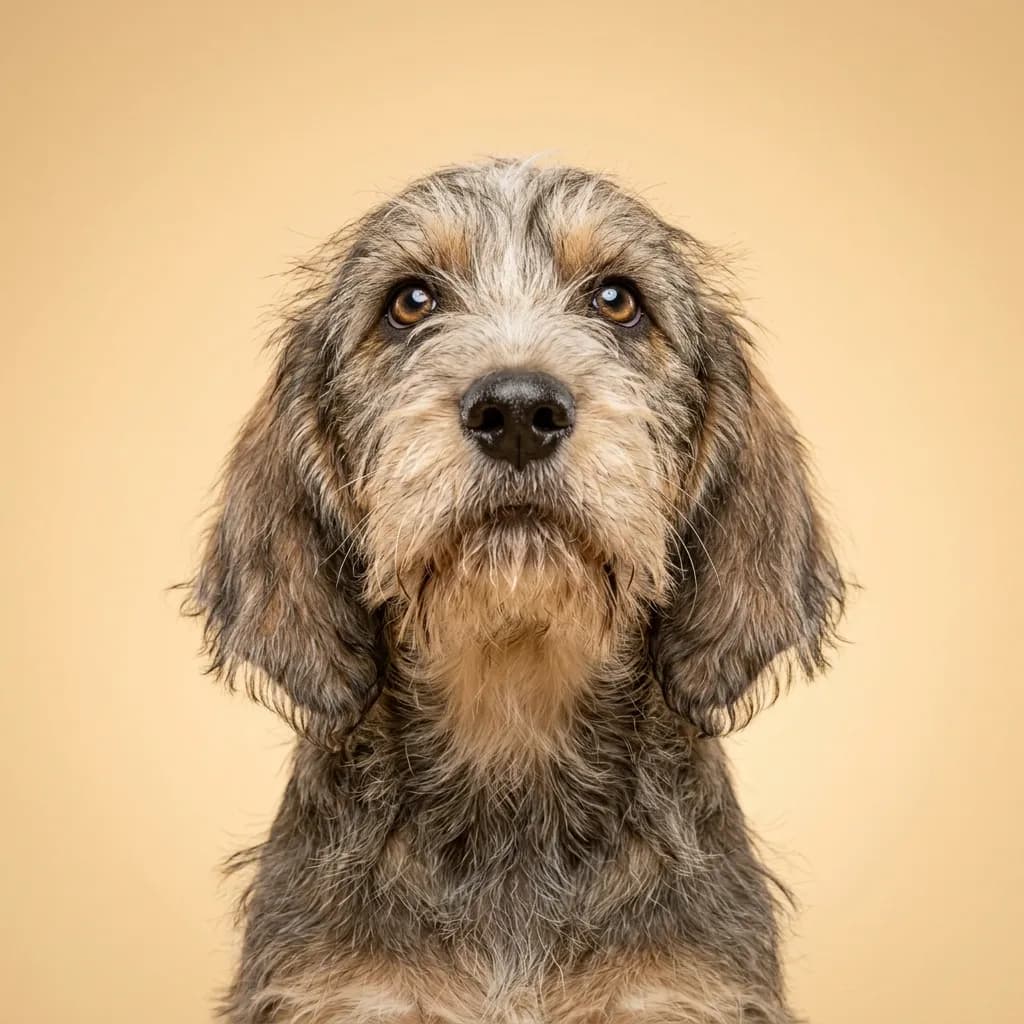
Grand Basset Griffon Vendéen
Hound Group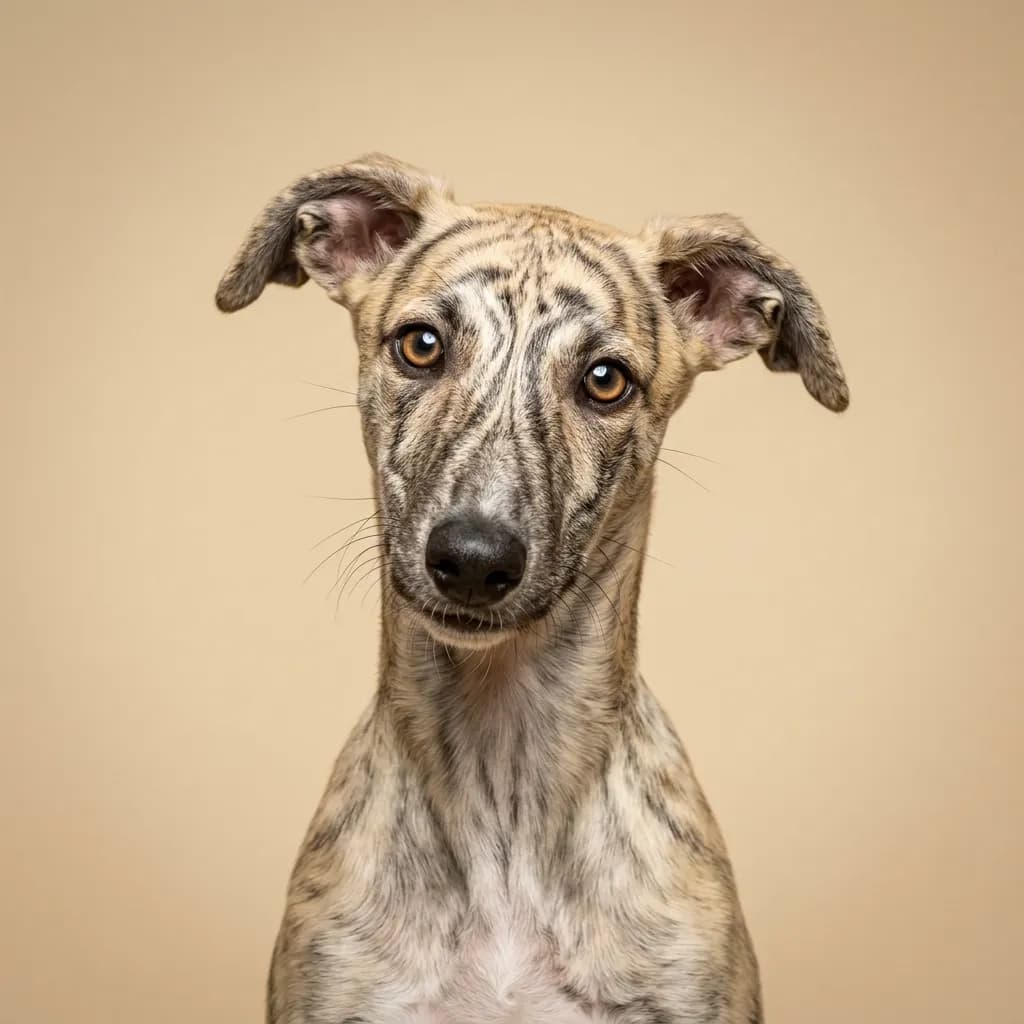
Greyhound
Hound Group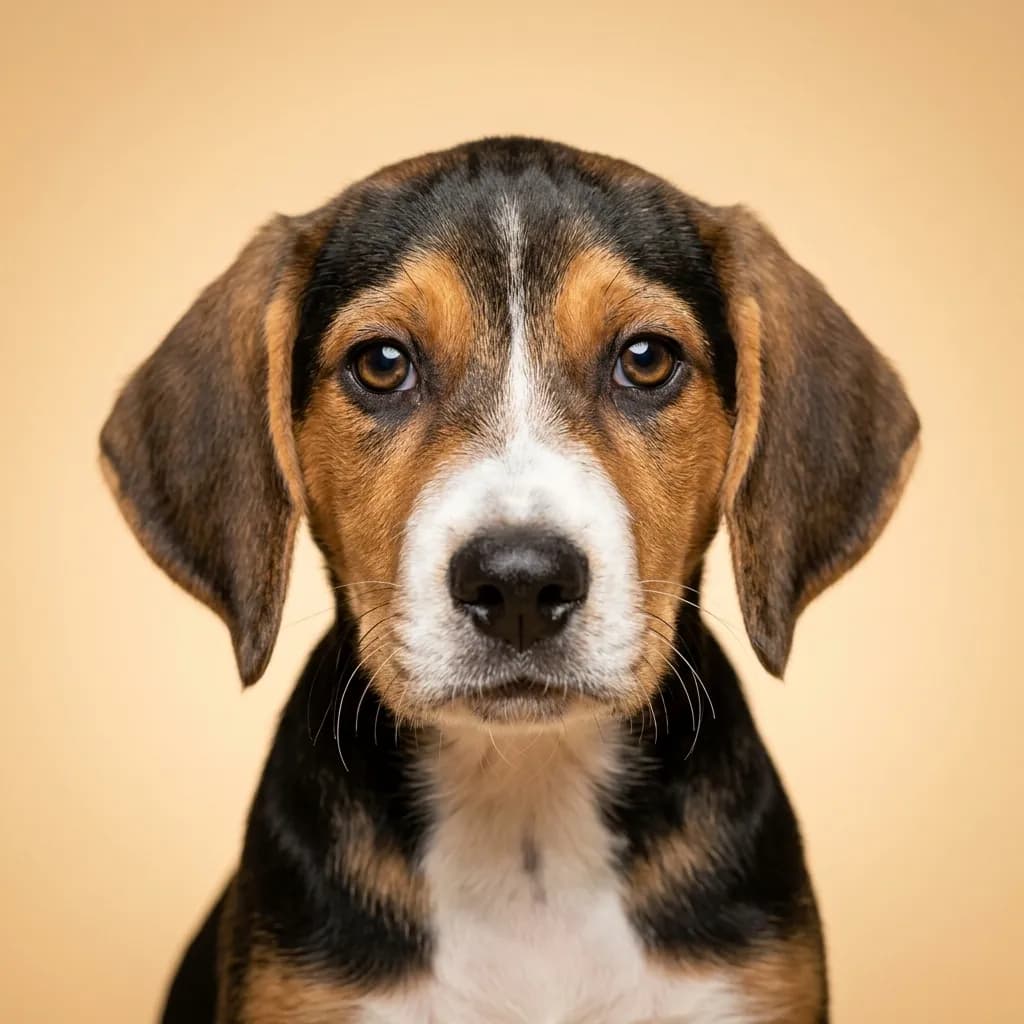
Hamiltonstovare
Foundation Stock Service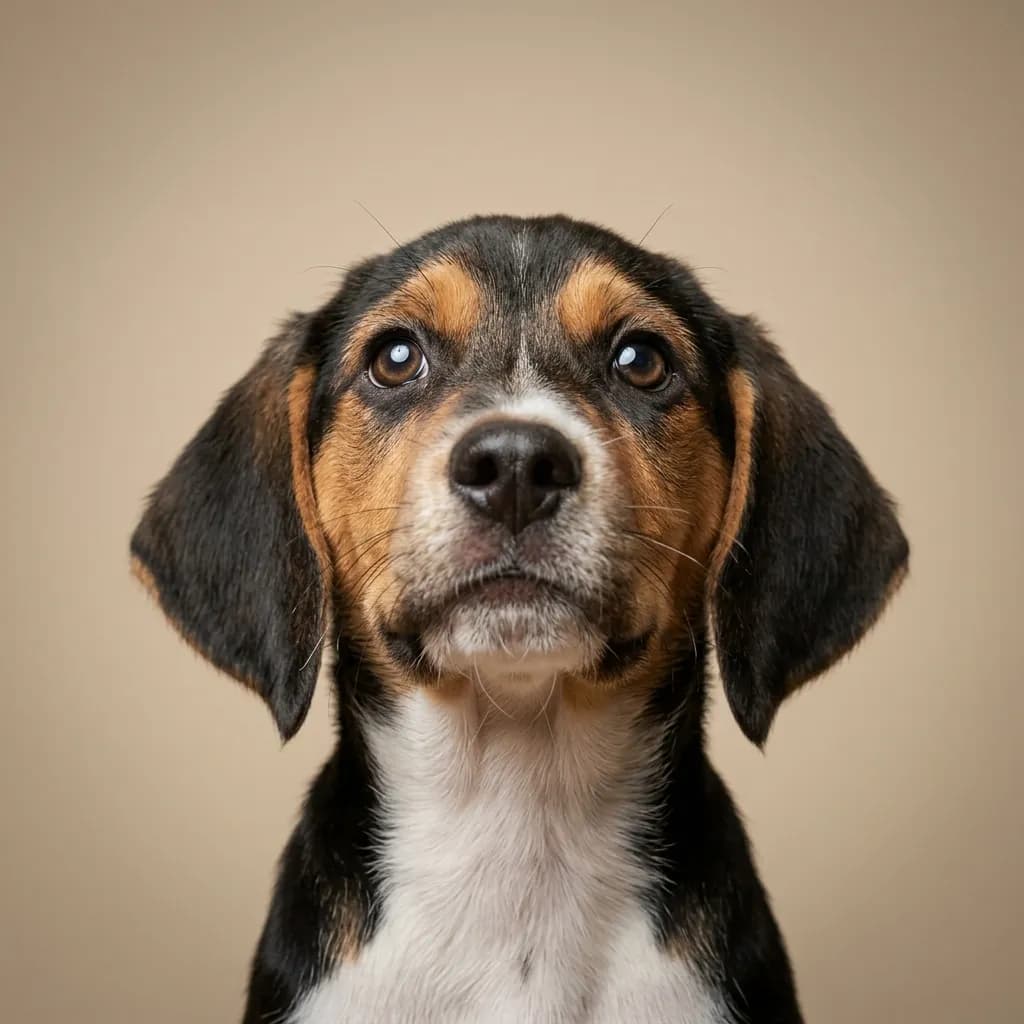
Harrier
Hound Group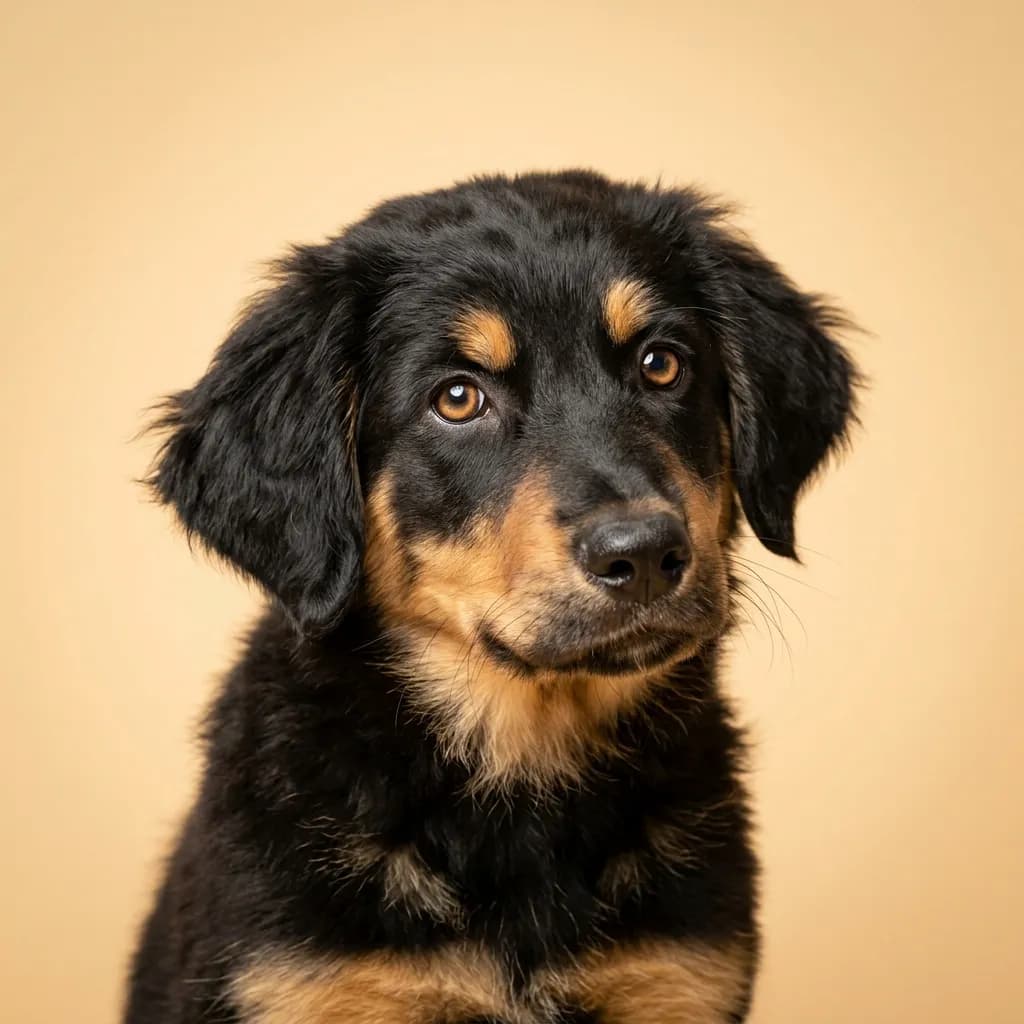
Hovawart
Foundation Stock Service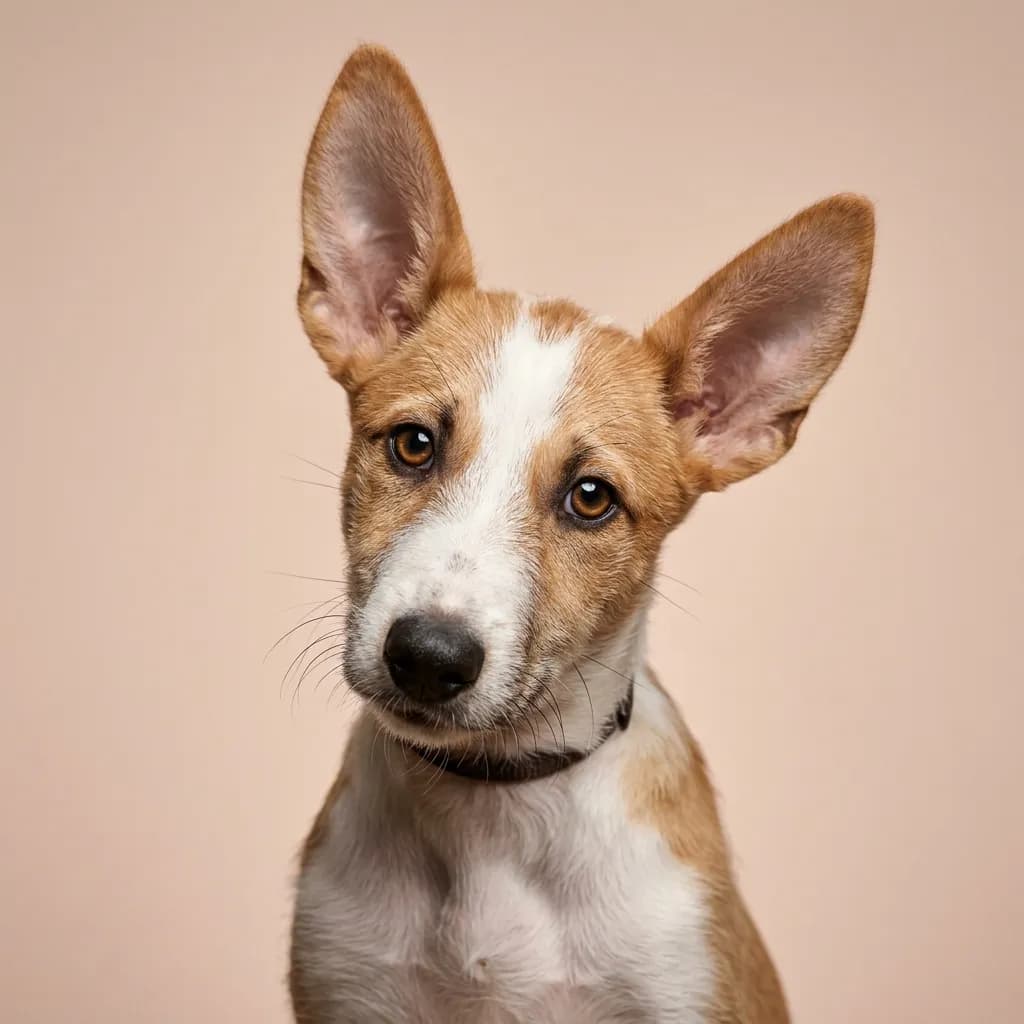
Ibizan Hound
Hound Group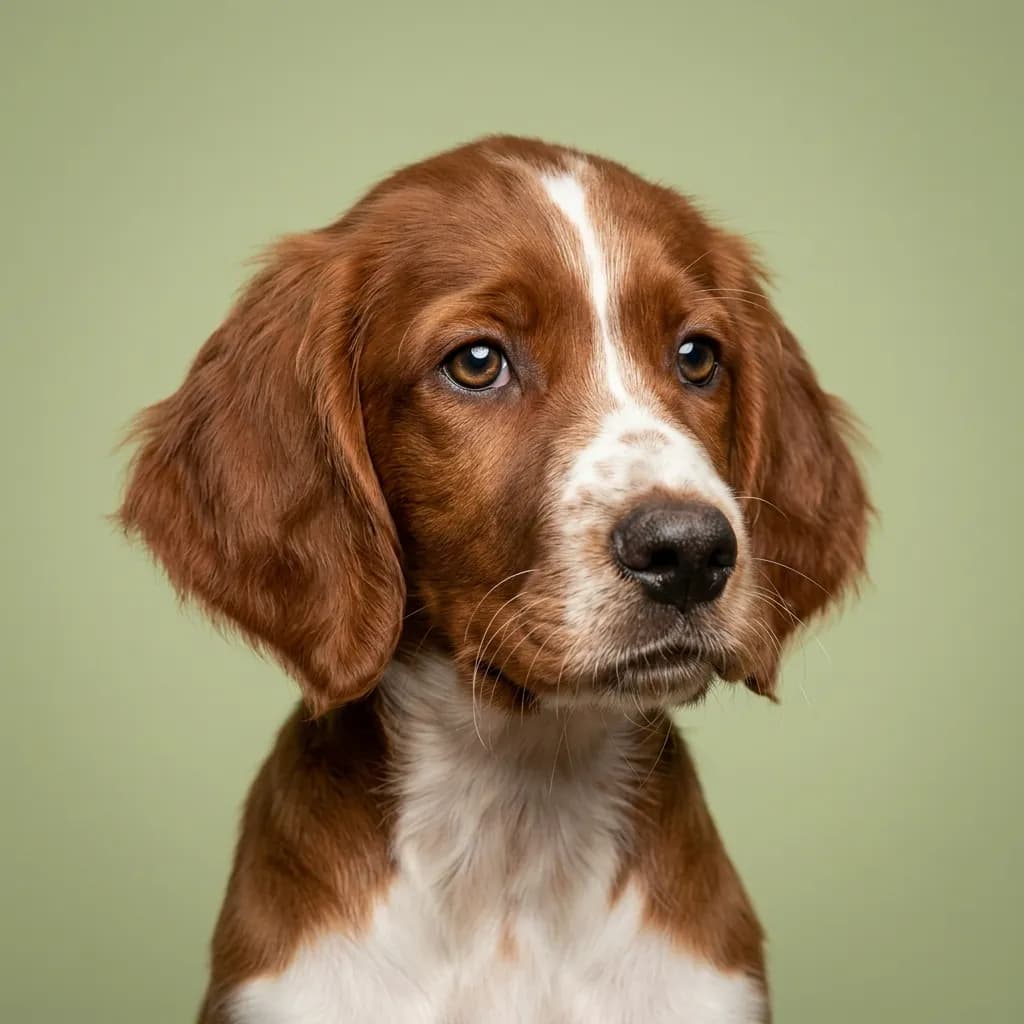
Irish Red and White Setter
Sporting Group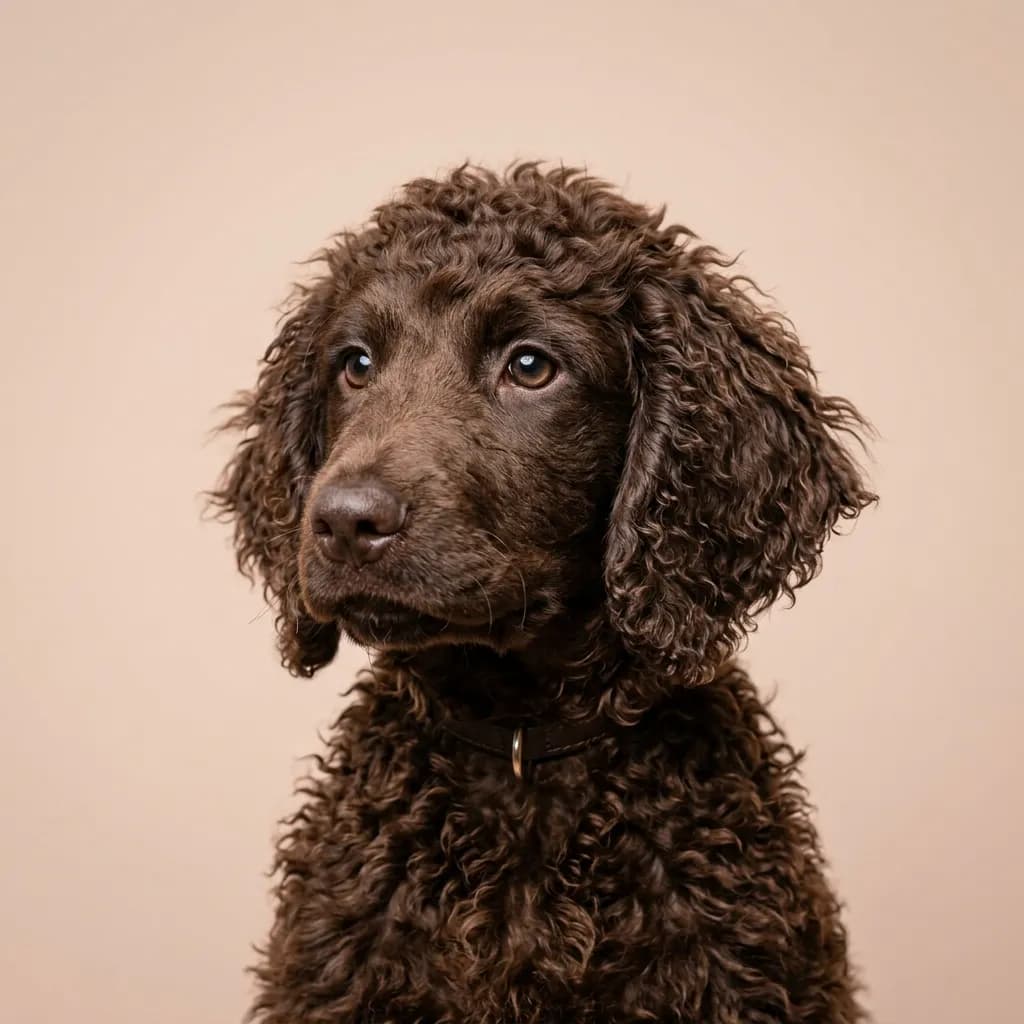
Irish Water Spaniel
Sporting Group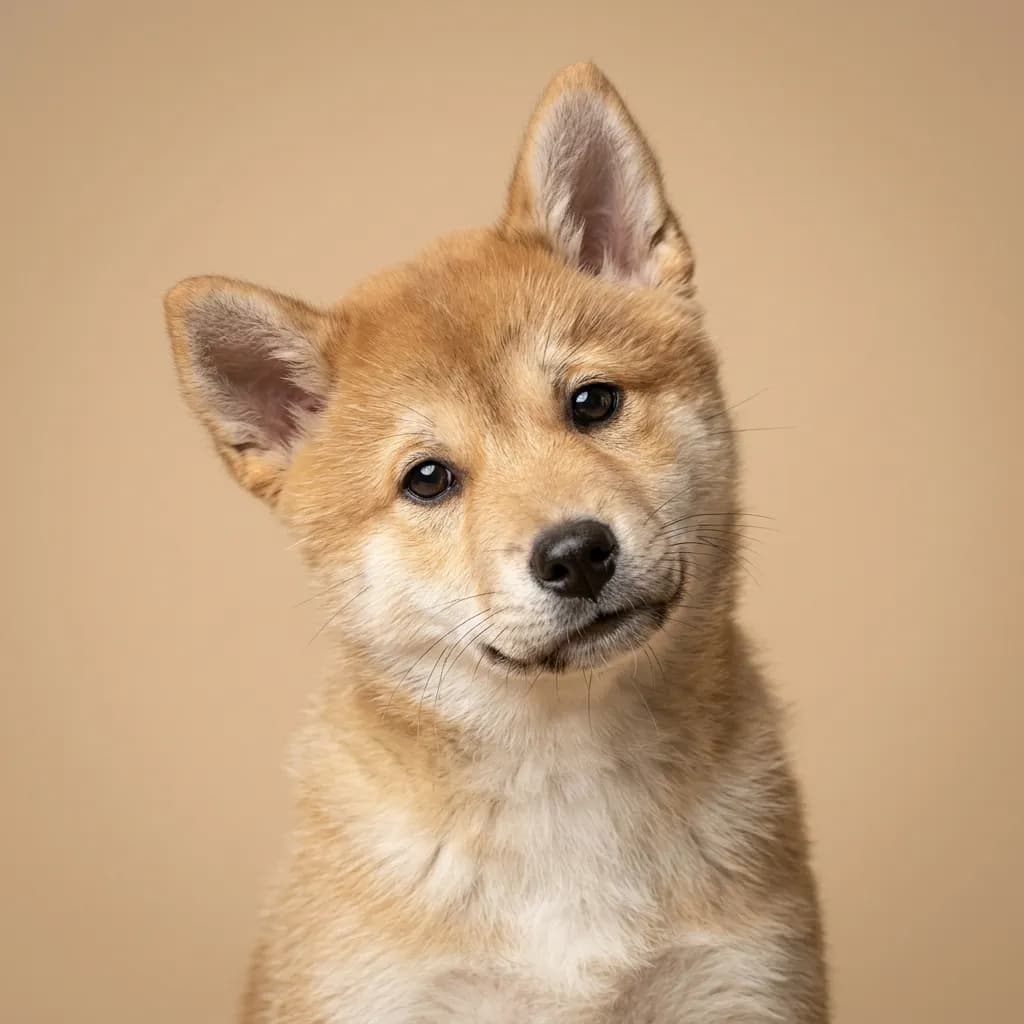
Jindo
Foundation Stock Service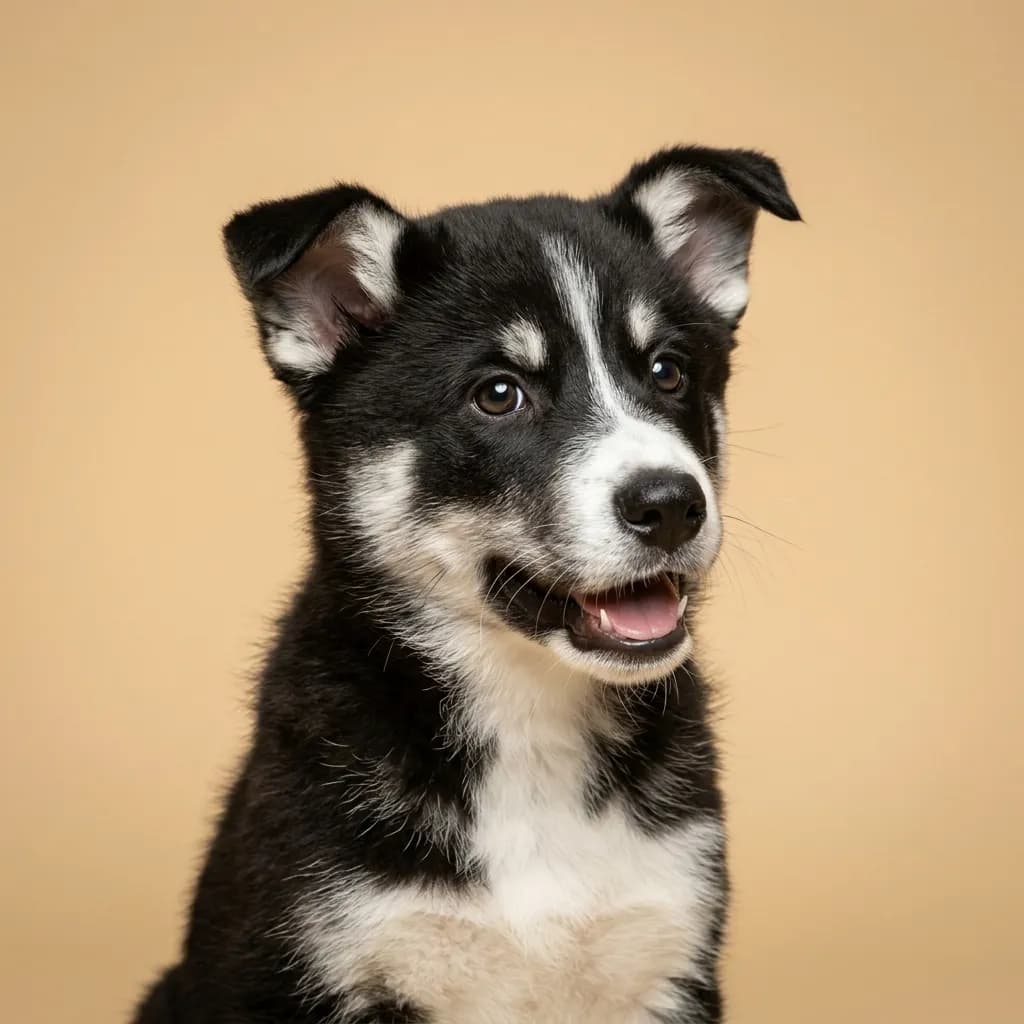
Karelian Bear Dog
Foundation Stock Service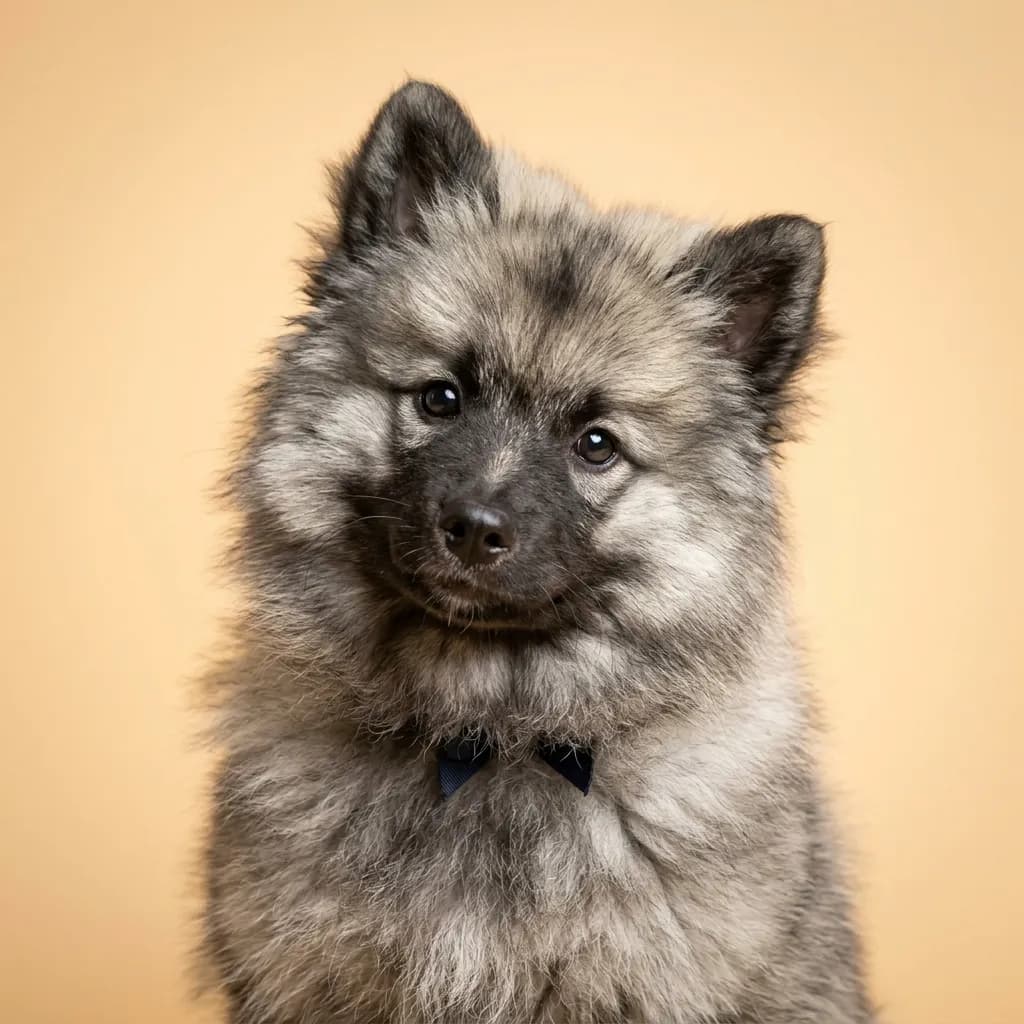
Keeshond
Non-Sporting Group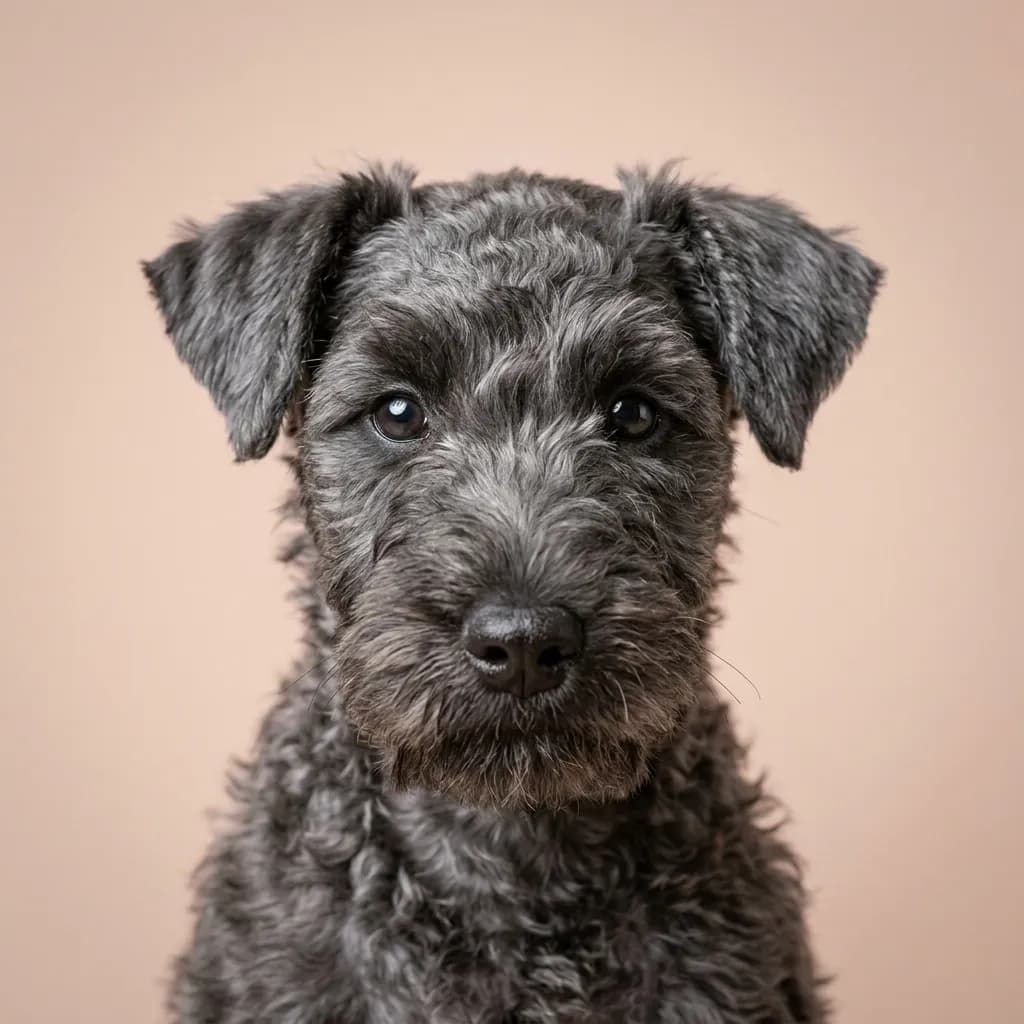
Kerry Blue Terrier
Terrier Group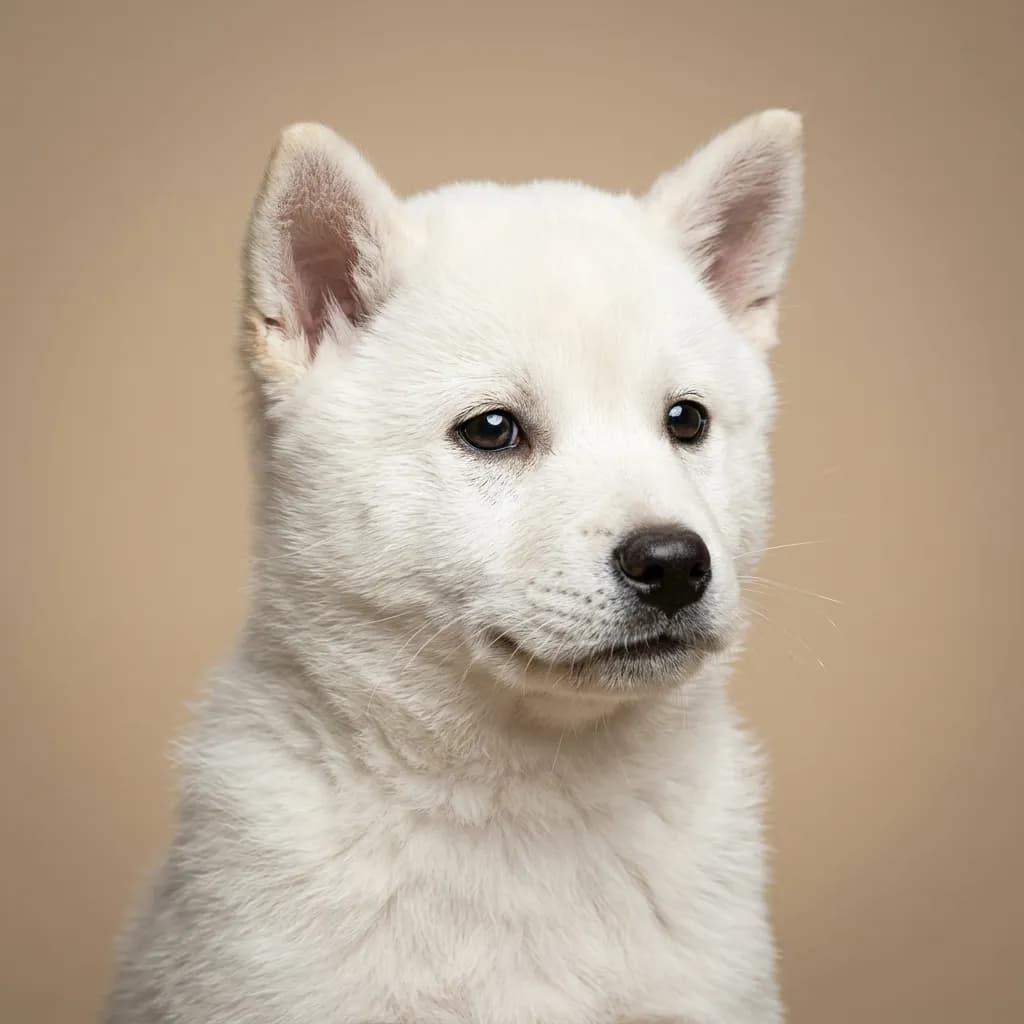
Kishu Ken
Foundation Stock Service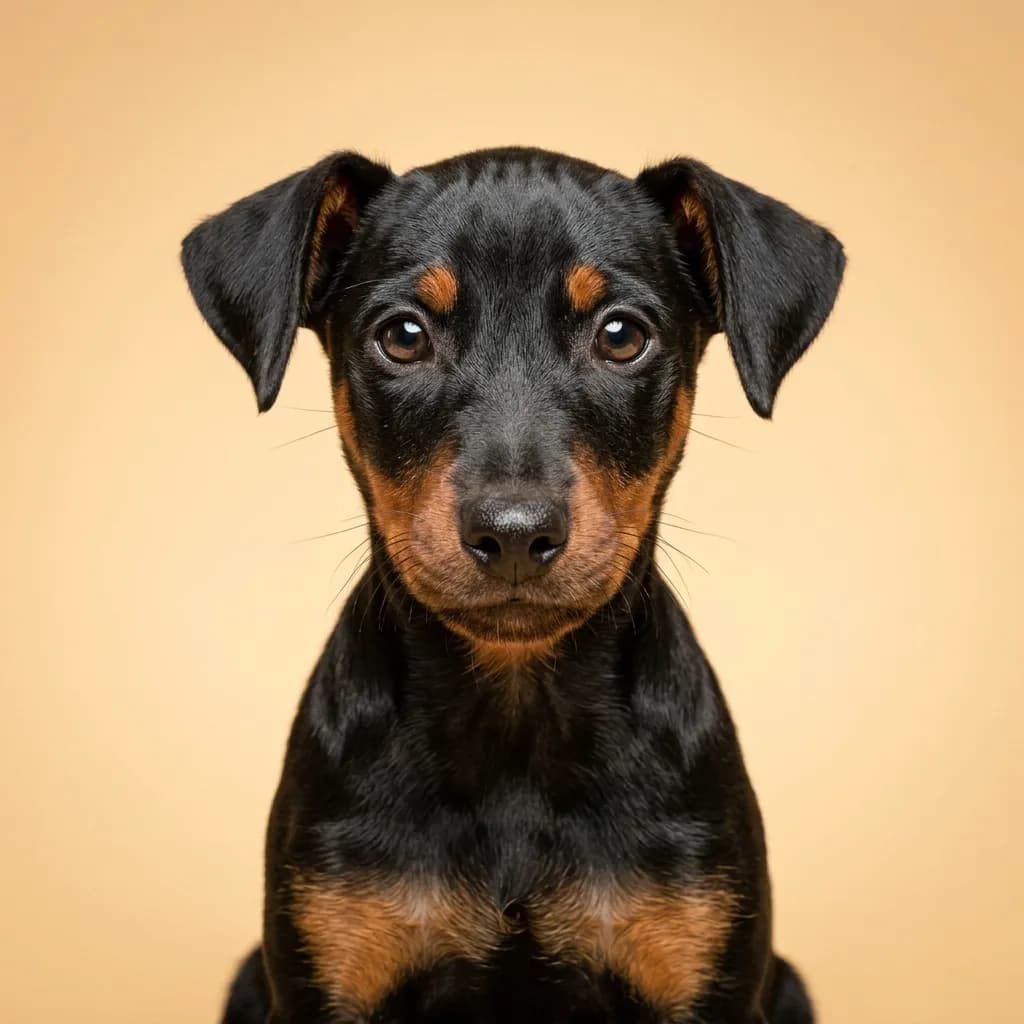
Manchester Terrier
Terrier Group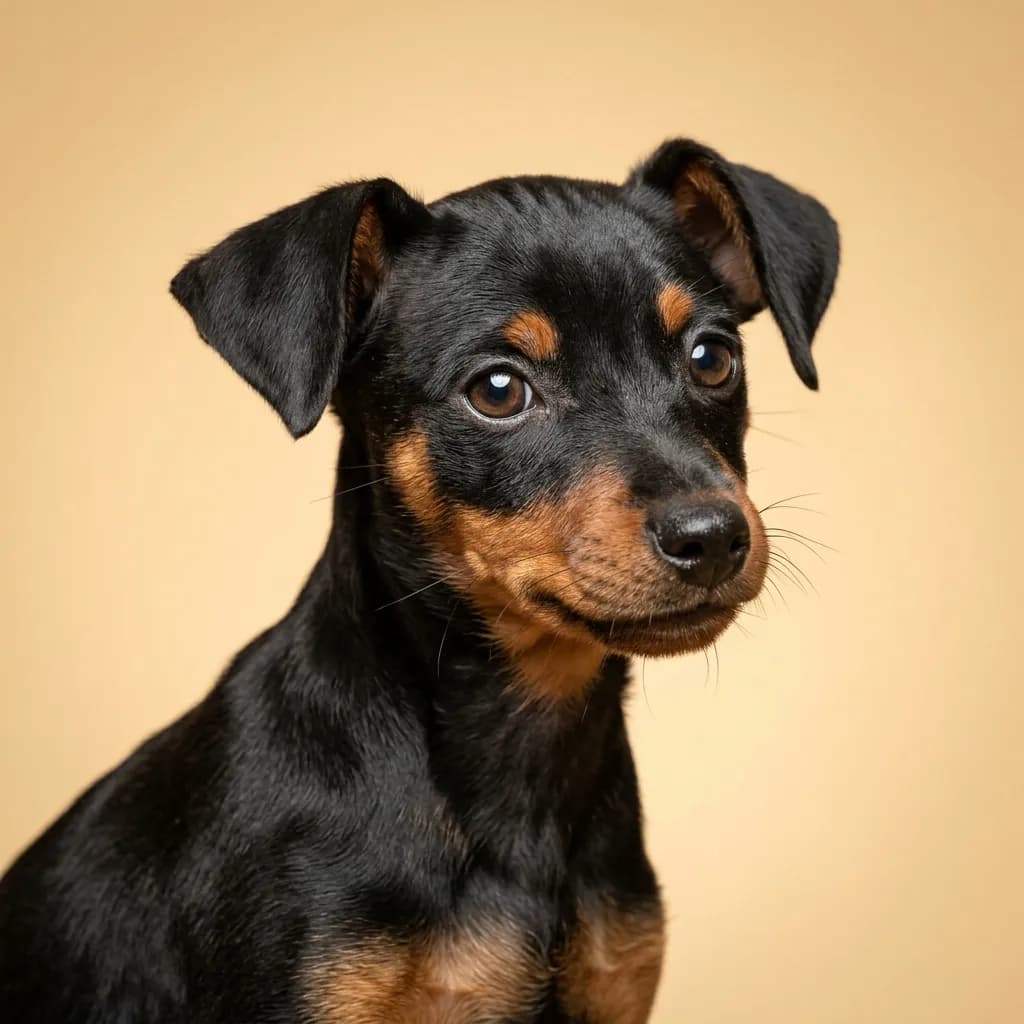
Miniature Pinscher
Toy Group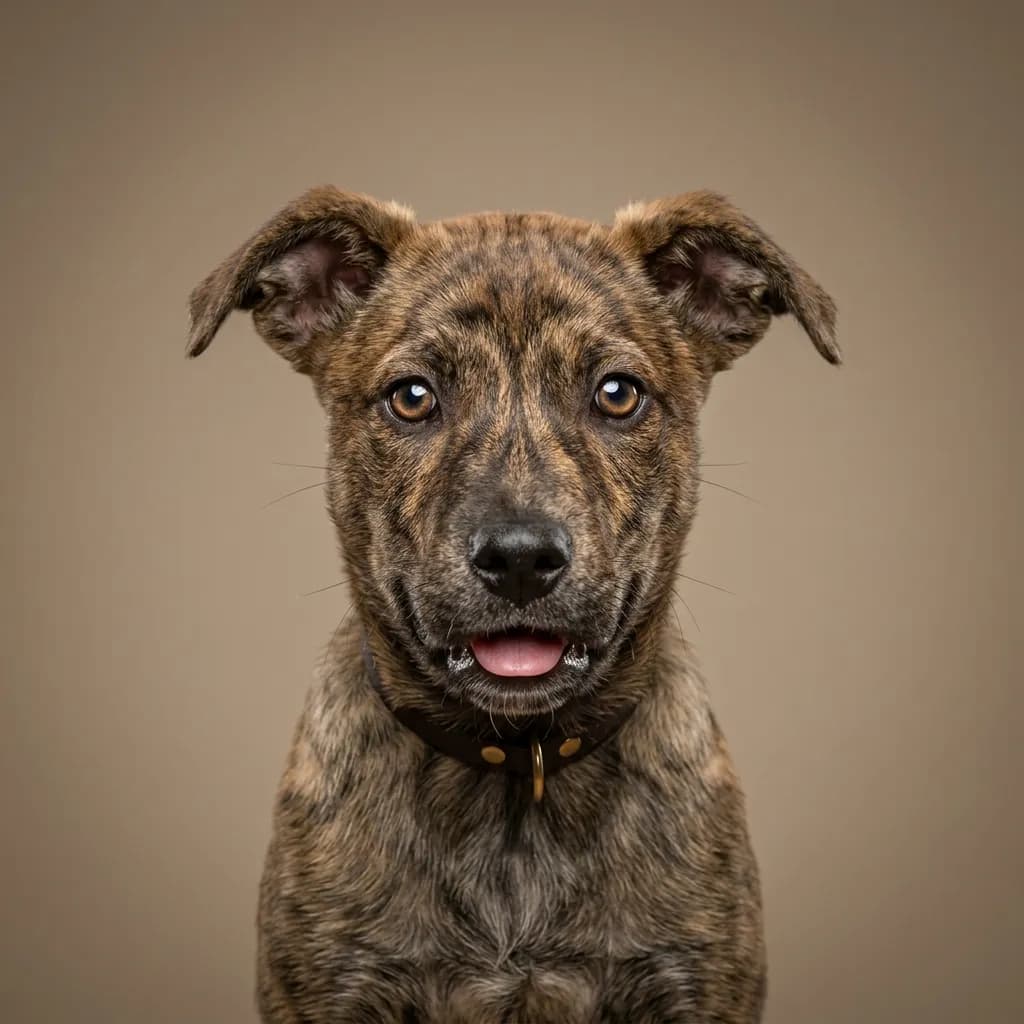
Mountain Cur
Foundation Stock Service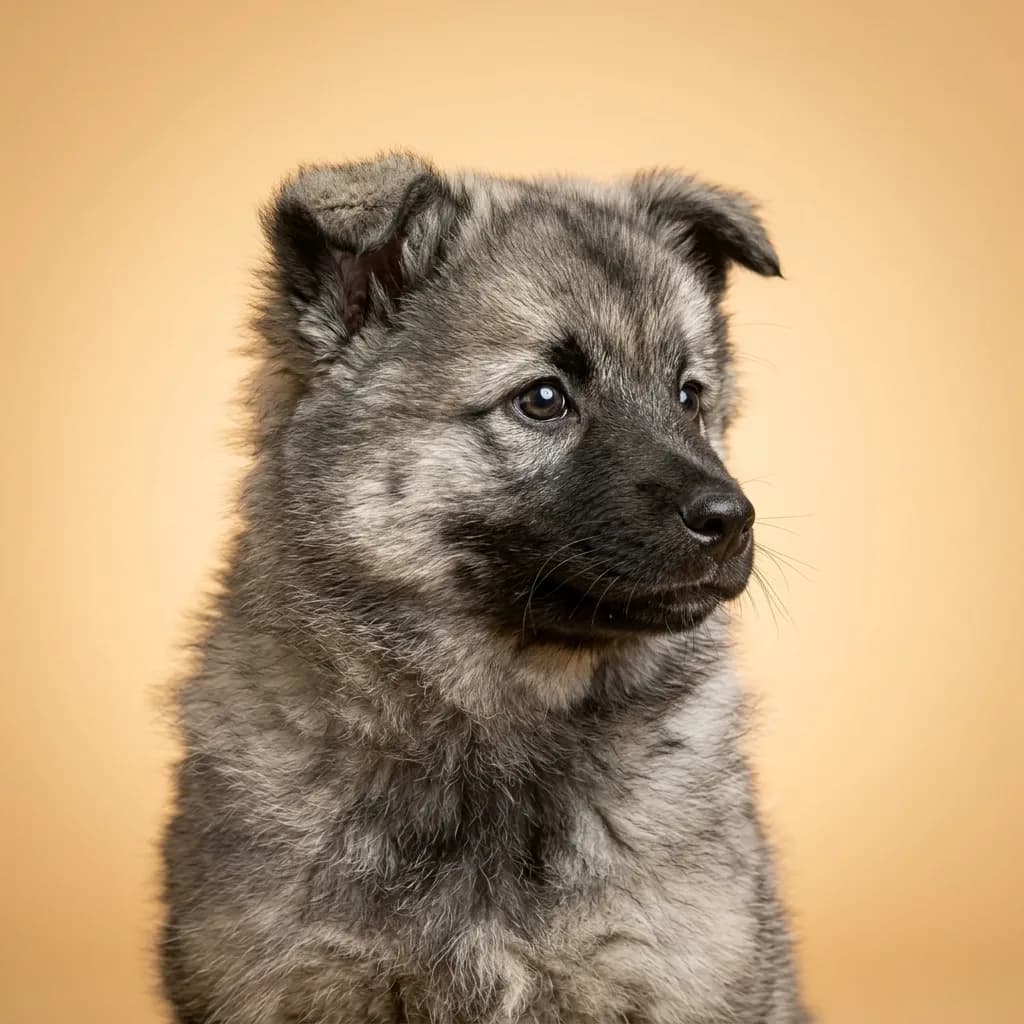
Norwegian Elkhound
Hound Group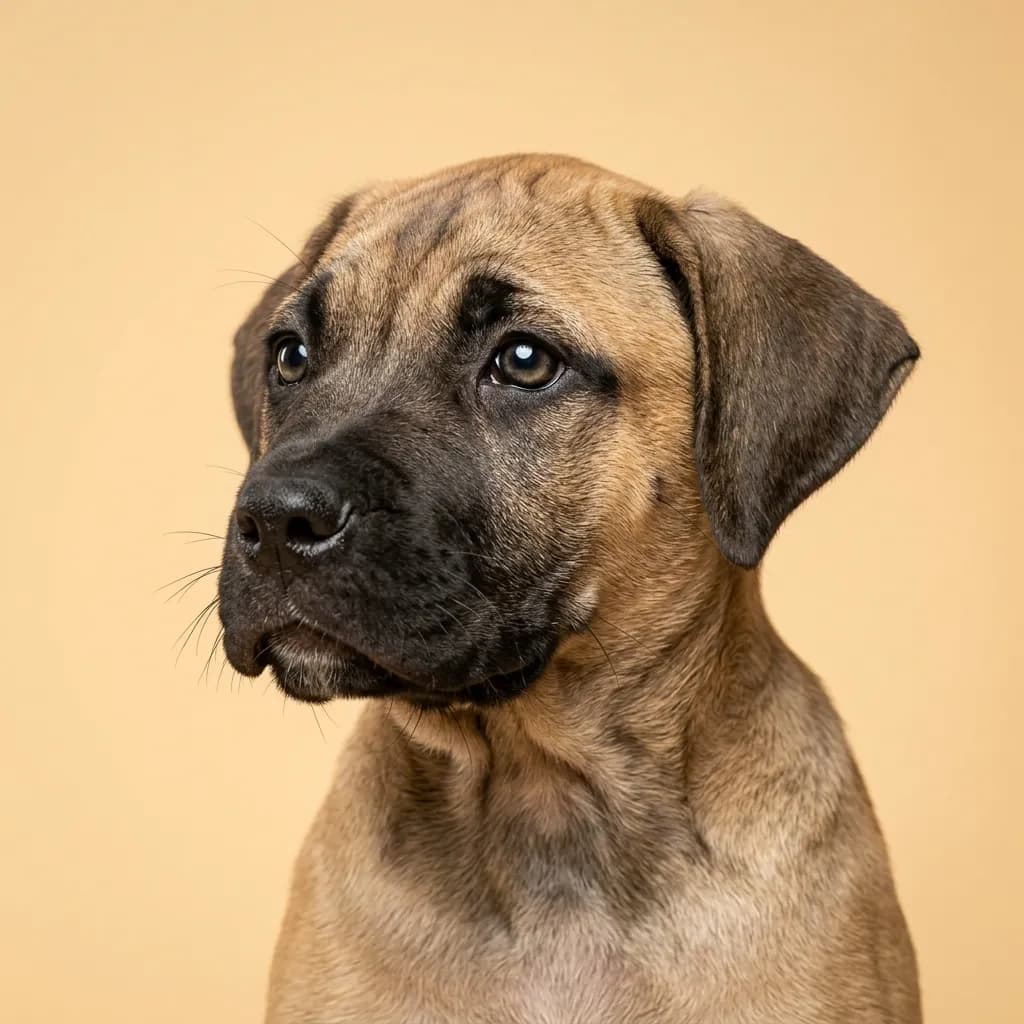
Perro de Presa Canario
Foundation Stock Service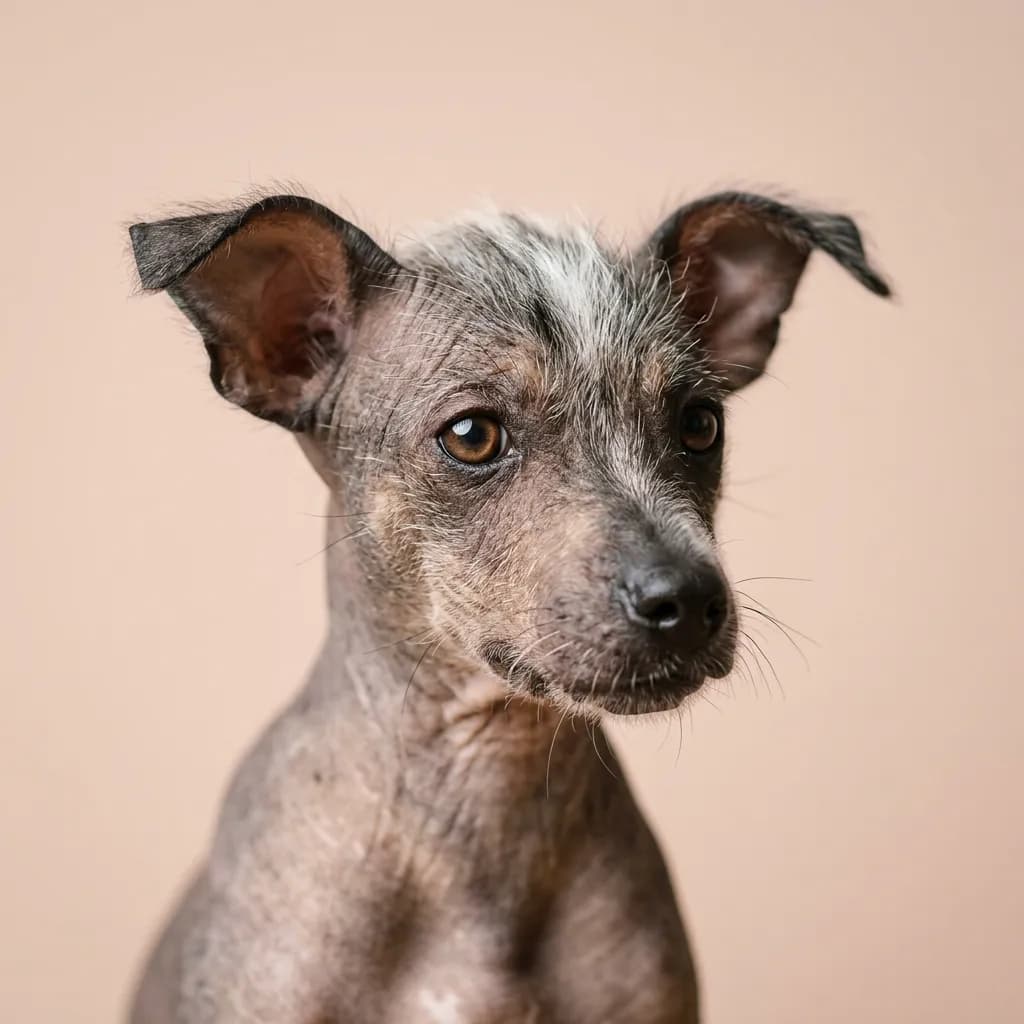
Peruvian Inca Orchid
Miscellaneous Class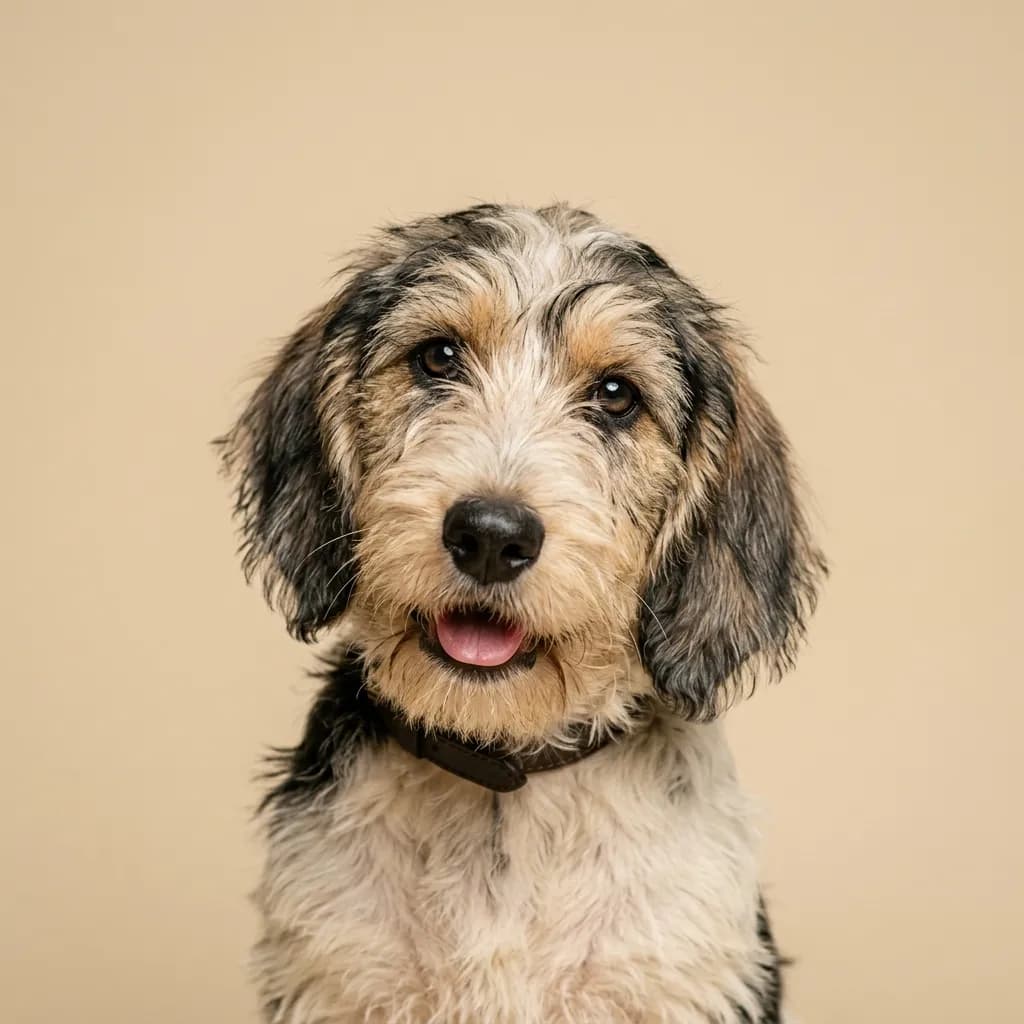
Petit Basset Griffon Vendéen
Hound Group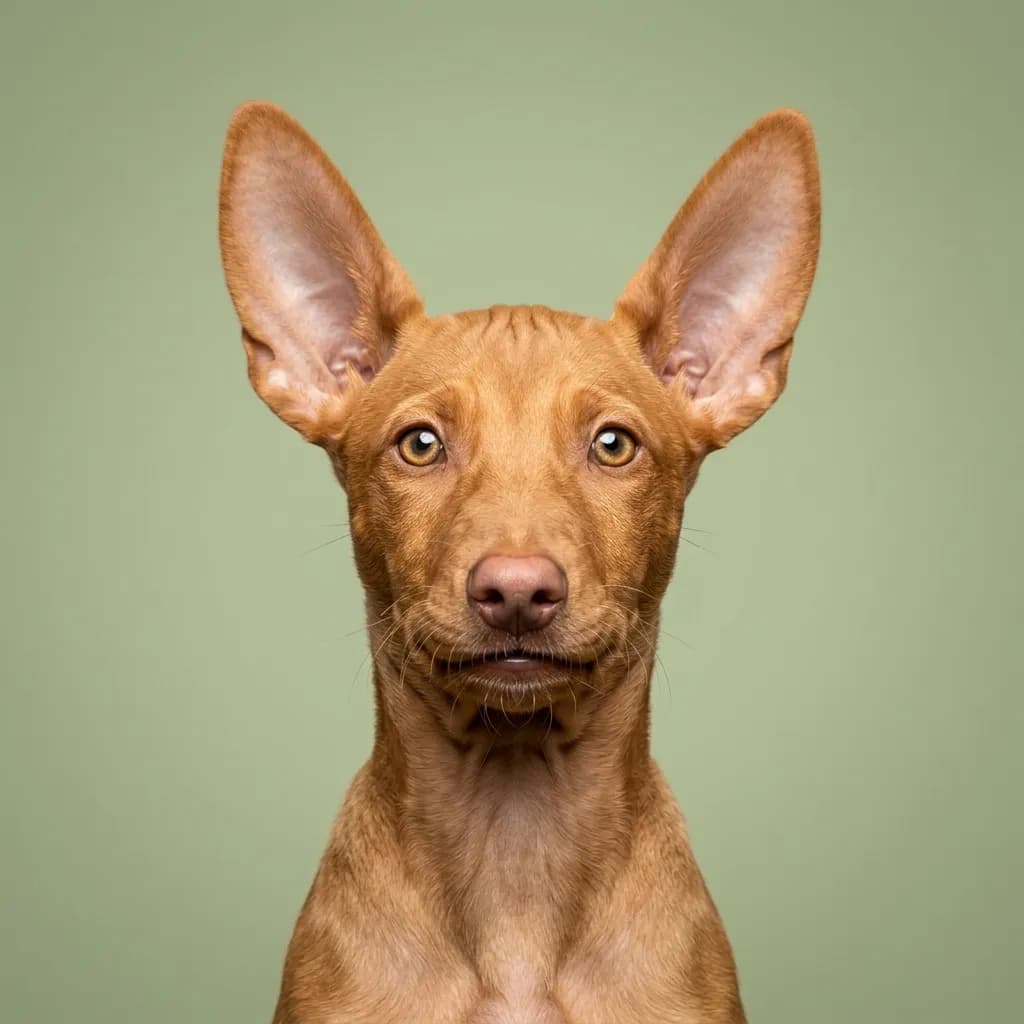
Pharaoh Hound
Hound Group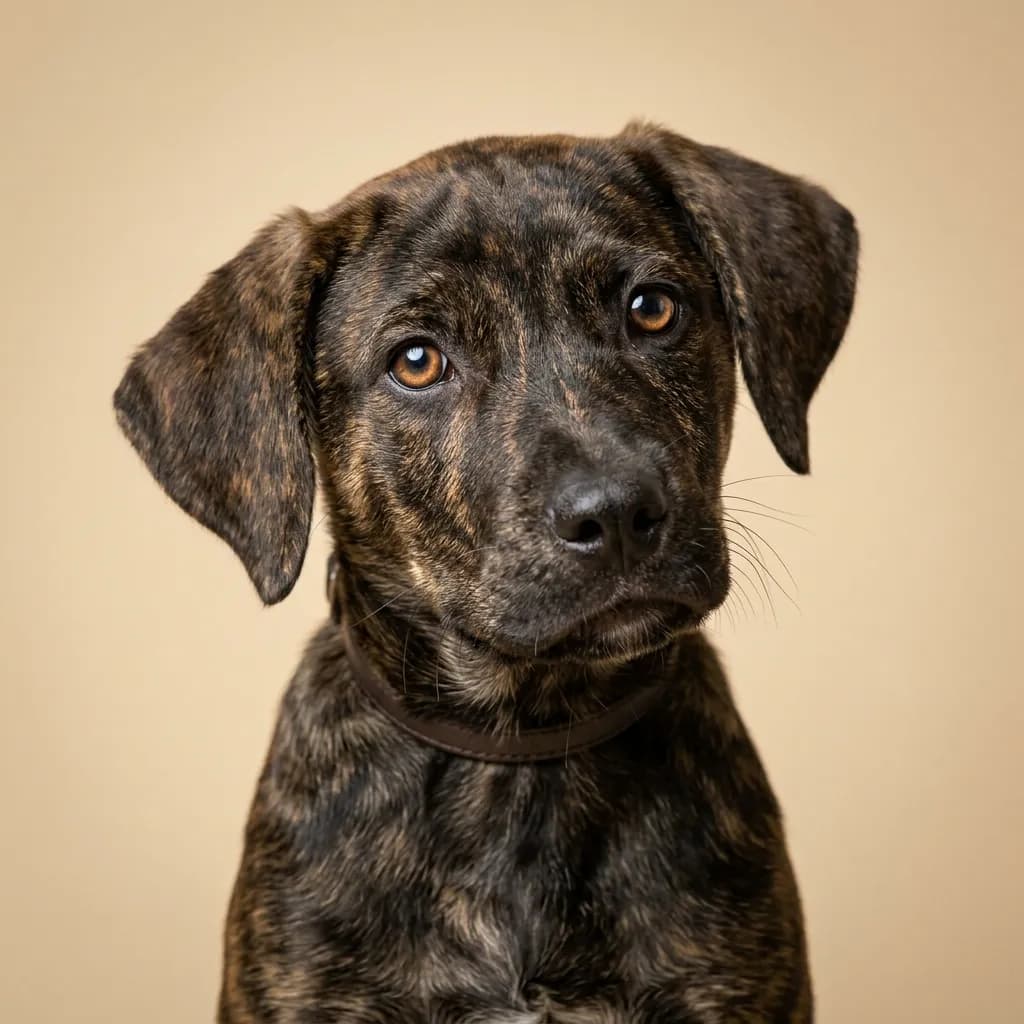
Plott Hound
Hound Group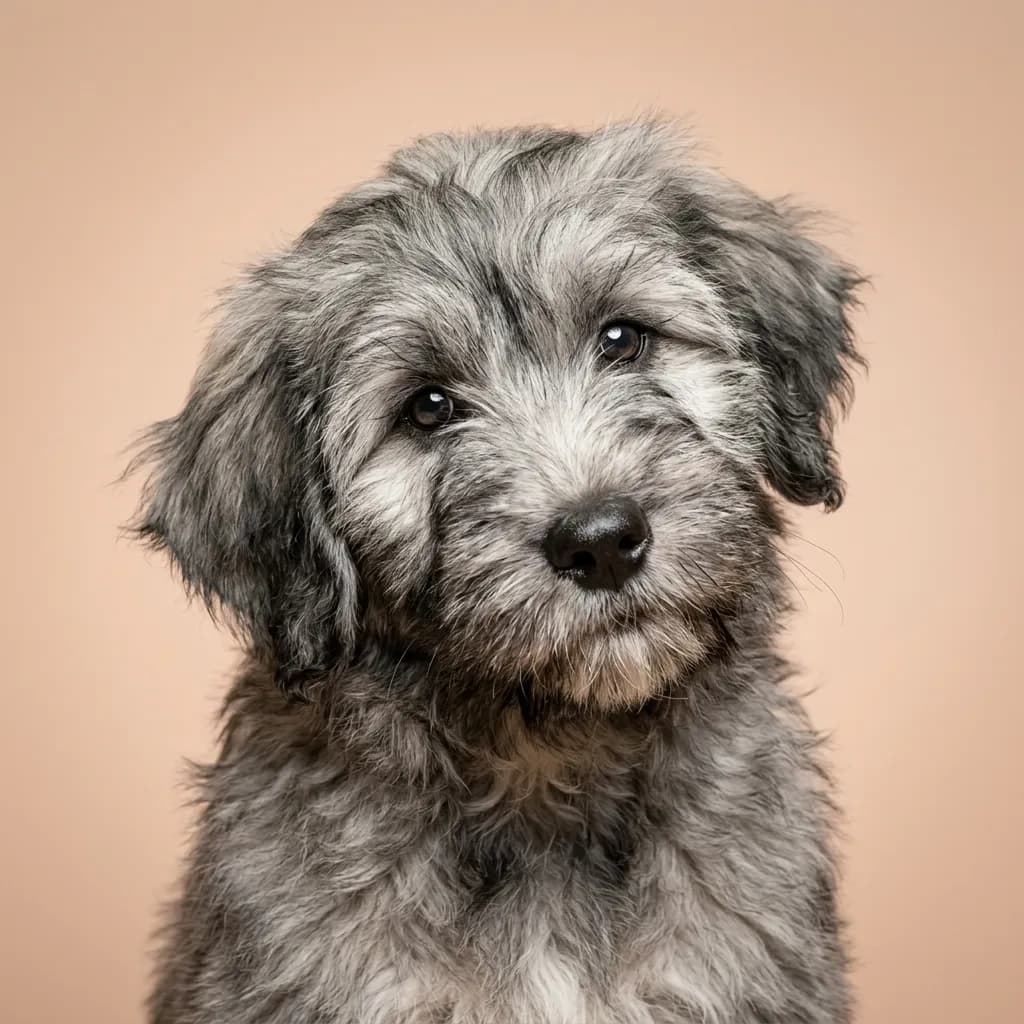
Polish Lowland Sheepdog
Herding Group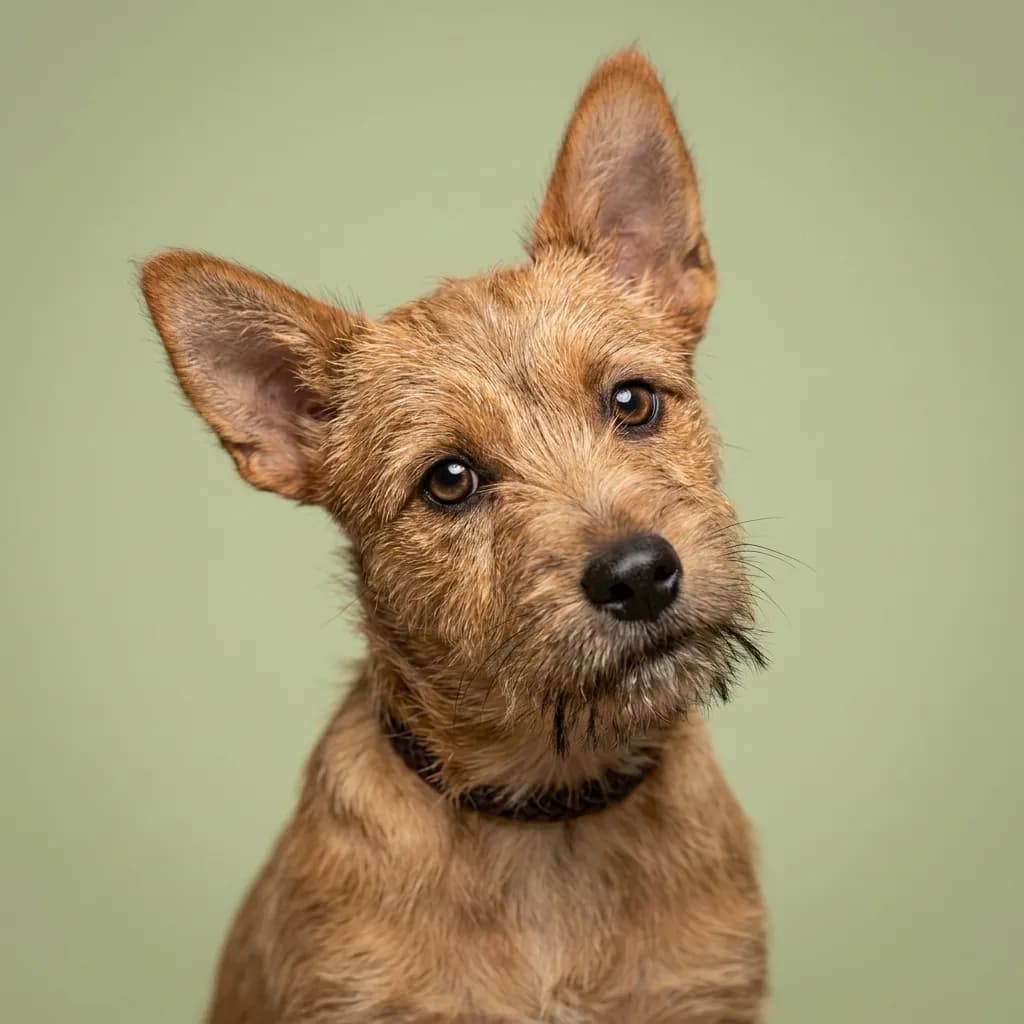
Portuguese Podengo Pequeno
Hound Group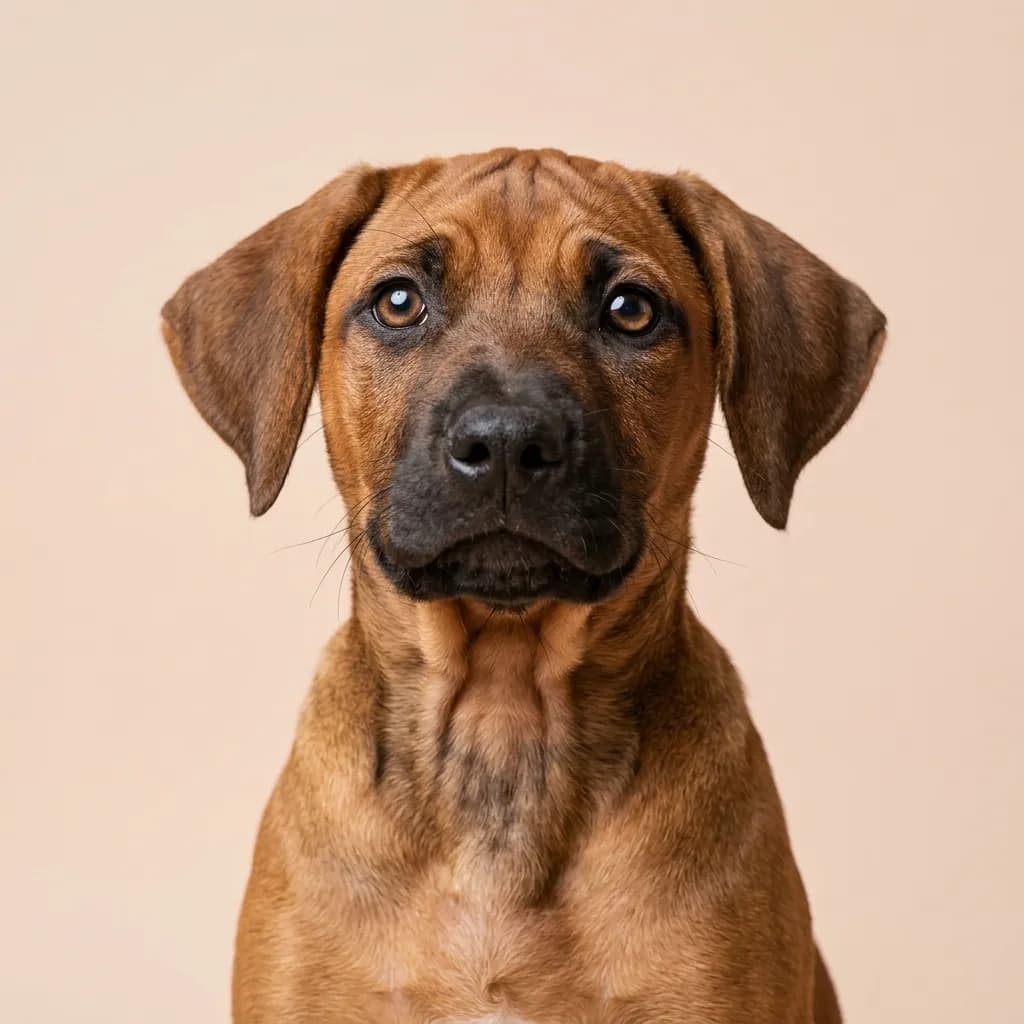
Rhodesian Ridgeback
Hound Group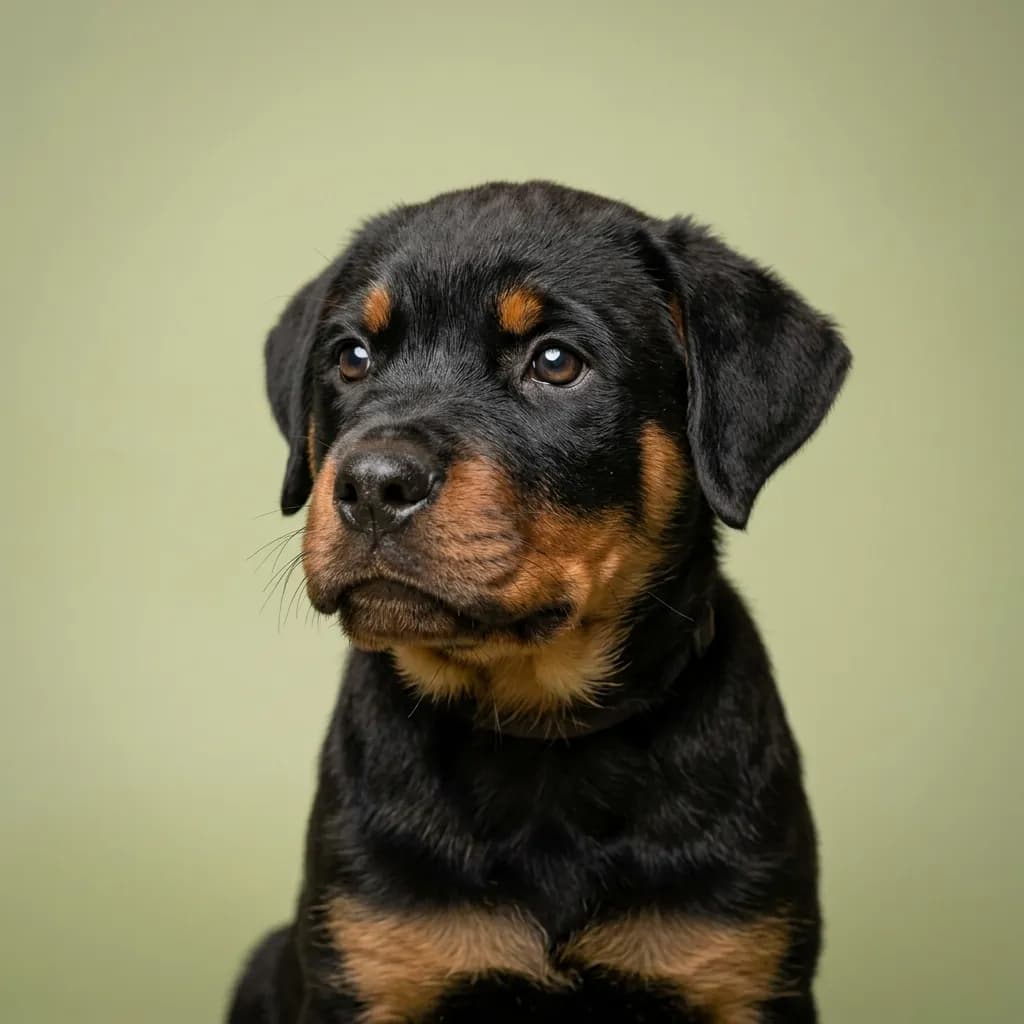
Rottweiler
Working Group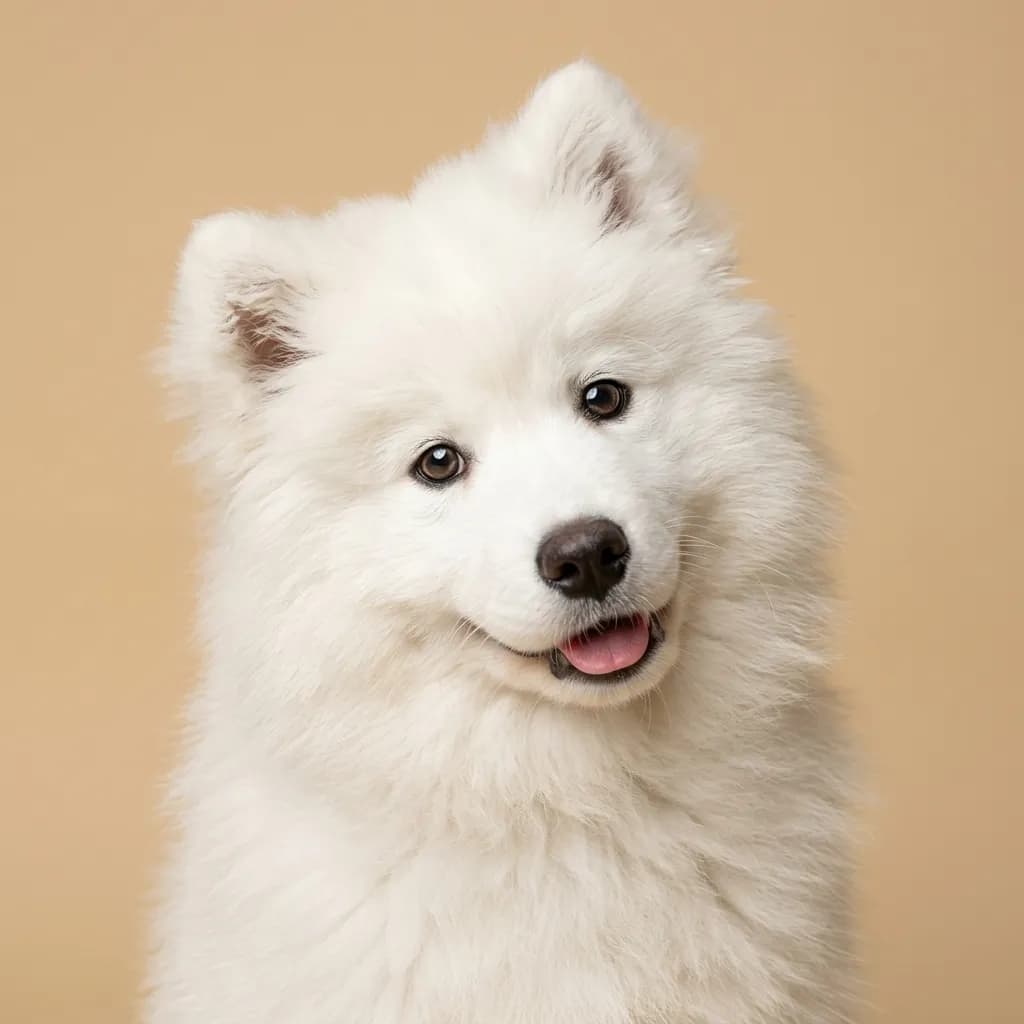
Samoyed
Working Group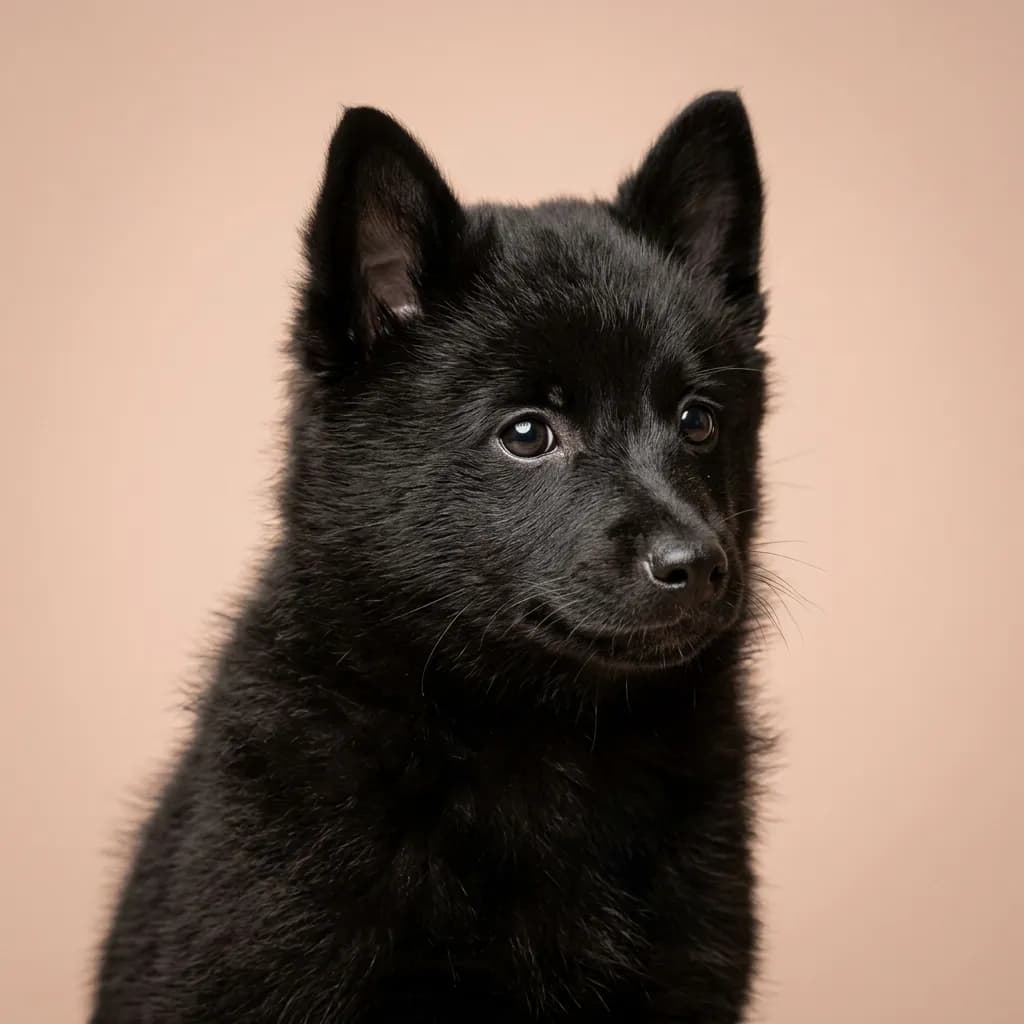
Schipperke
Non-Sporting Group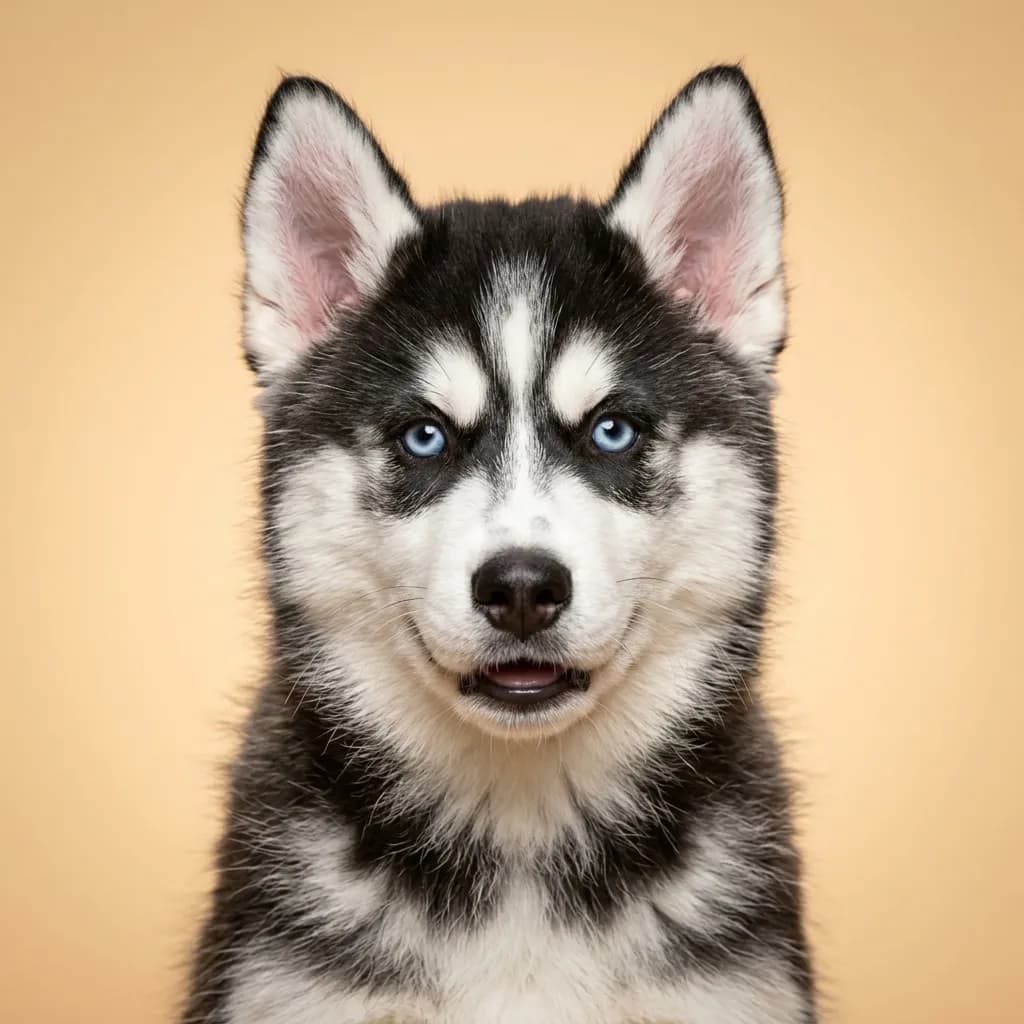
Siberian Husky
Working Group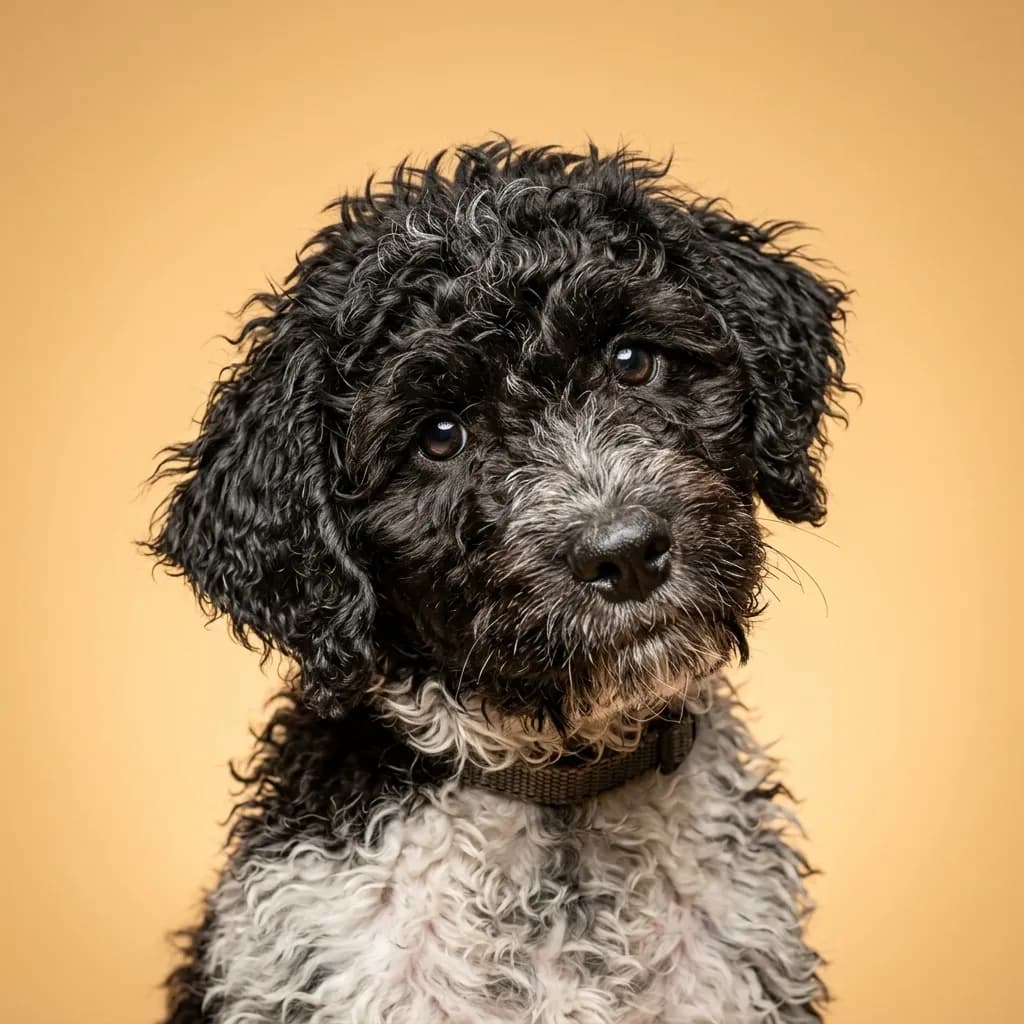
Spanish Water Dog
Herding Group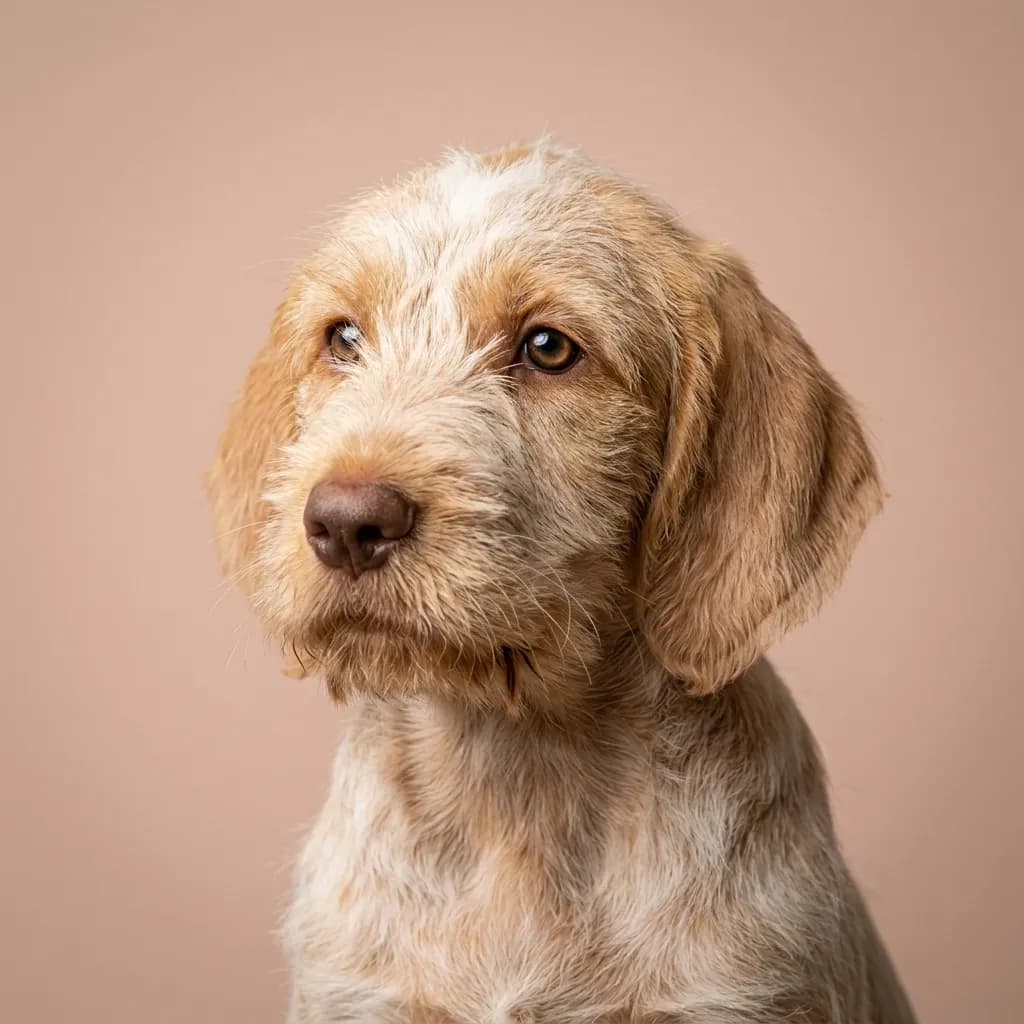
Spinone Italiano
Sporting Group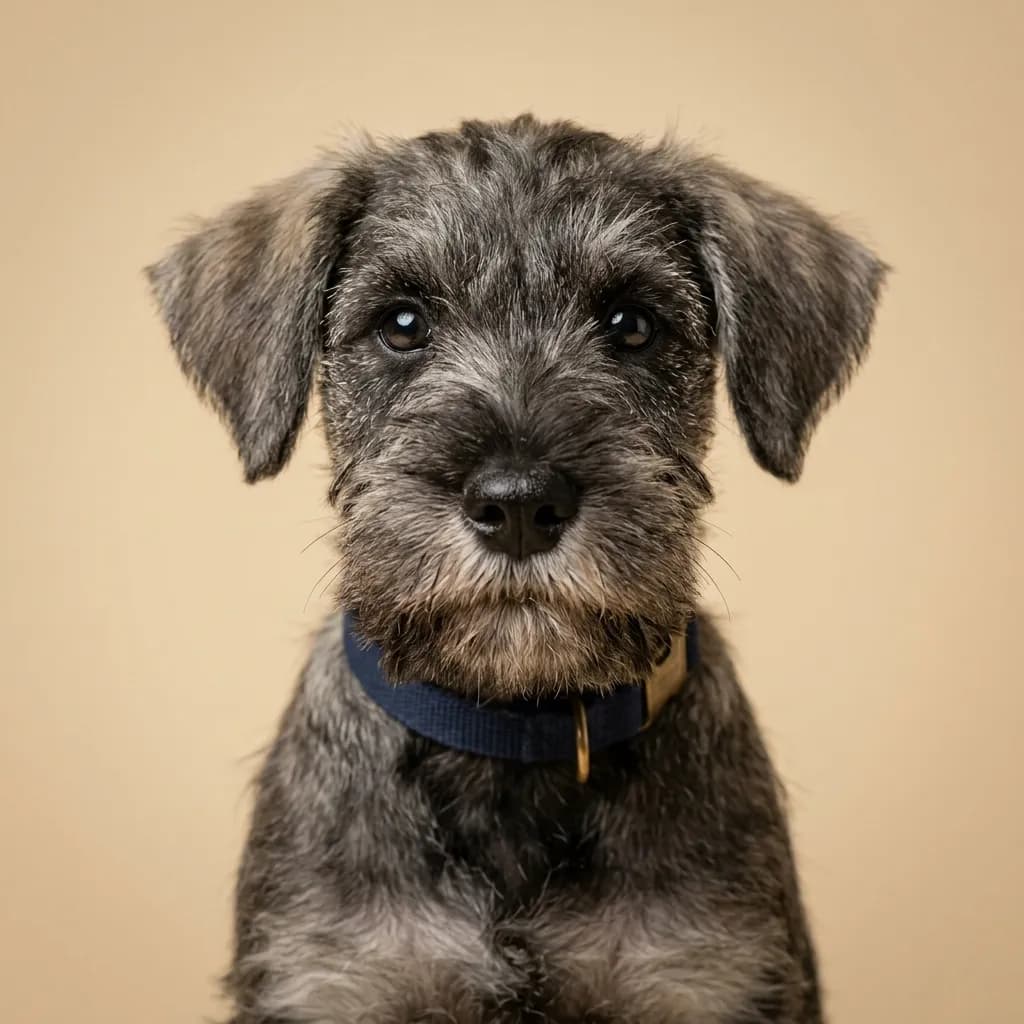
Standard Schnauzer
Working Group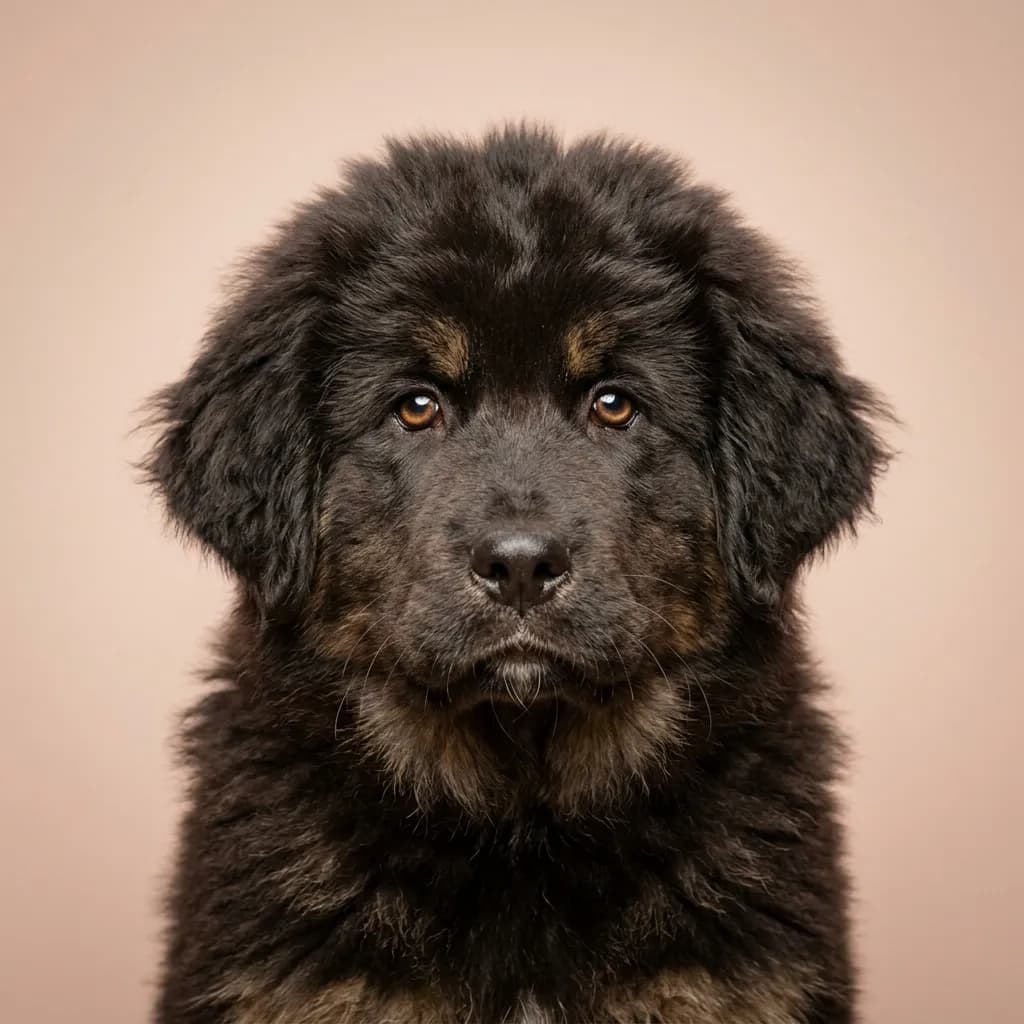
Tibetan Mastiff
Working Group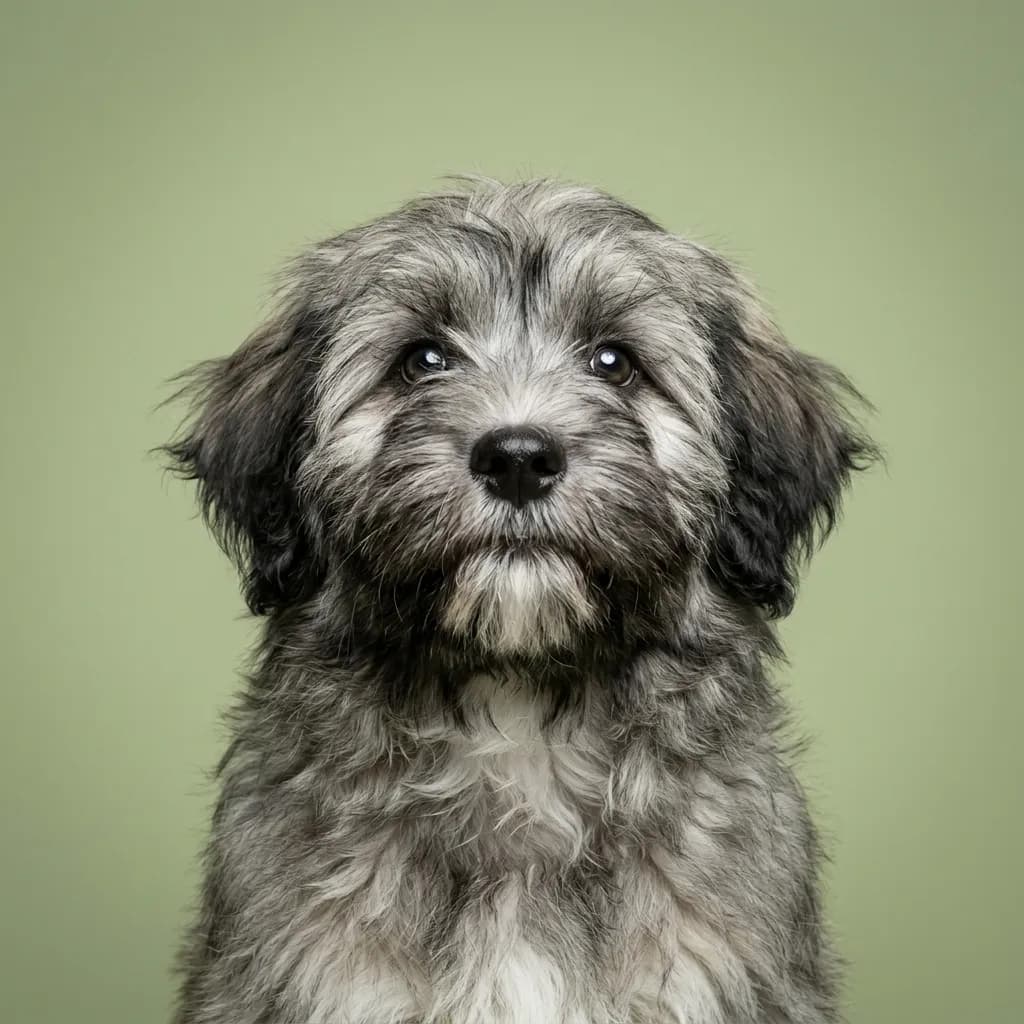
Tibetan Terrier
Non-Sporting Group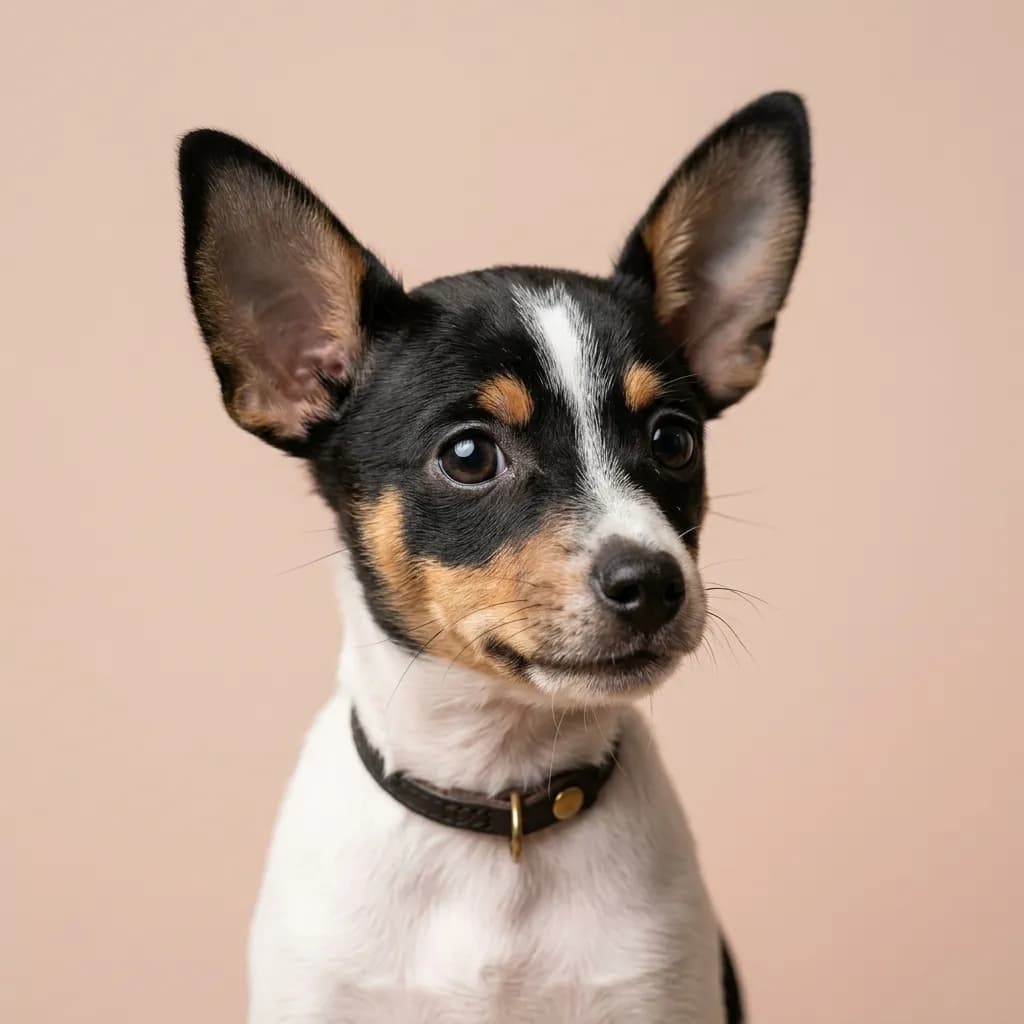
Toy Fox Terrier
Toy Group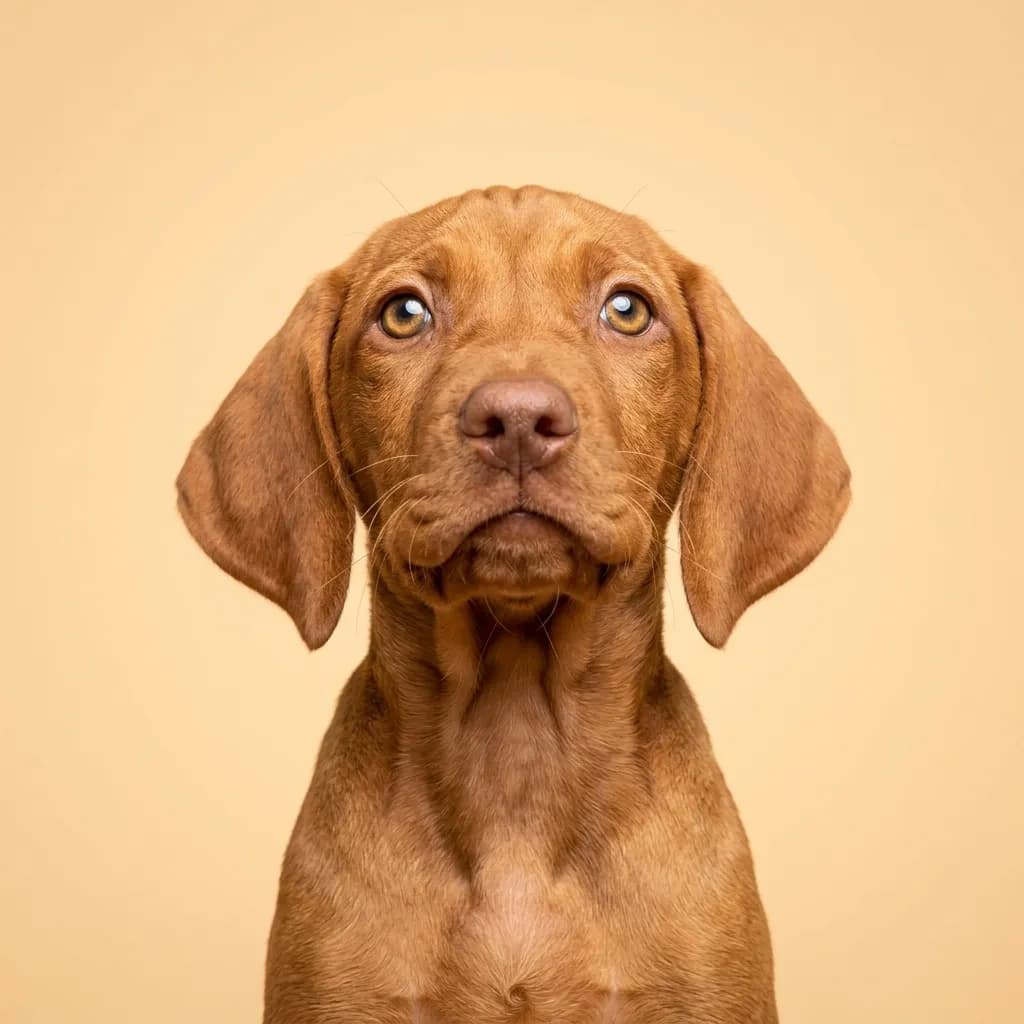
Vizsla
Sporting Group