Training Your Peruvian Inca Orchid
Breeds awaiting full AKC recognition. Approach based on breed's known heritage and temperament traits.
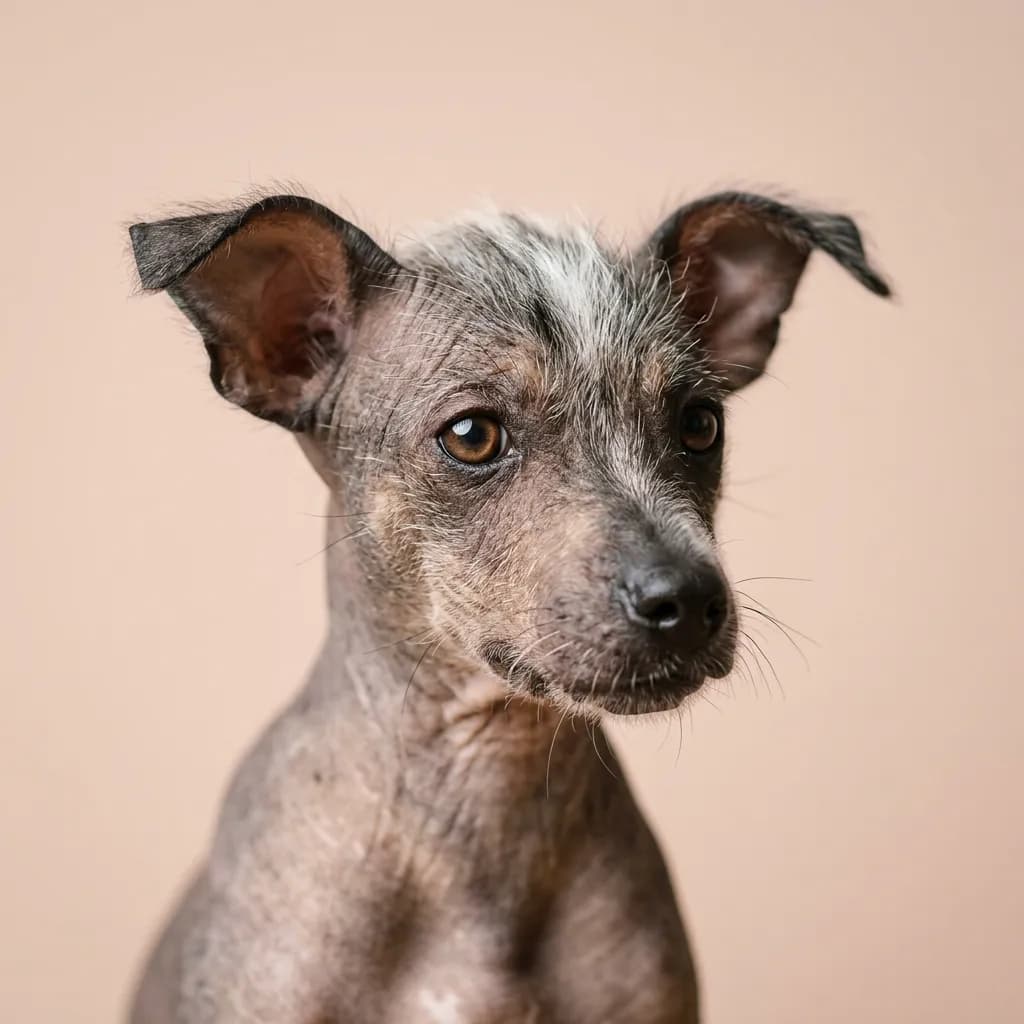
What Training a Peruvian Inca Orchid Is Actually Like
Training a Peruvian Inca Orchid feels like working with a sensitive artist who’s brilliant in short bursts but easily overwhelmed. They’re in the average intelligence tier according to Coren’s rankings, meaning they’ll pick up a new command in 25 to 40 repetitions, and they’ll respond to the first command about half the time. That’s not a failure on your part—it’s just how their brain works. These dogs are deeply bonded to their people, which helps with motivation, but their sighthound heritage makes them independent thinkers. They’re not stubborn out of defiance, but because they assess whether a task makes sense to them. Their energy level is high, but their mental stamina is moderate. You’ll need consistency, patience, and a soft touch. Harsh corrections or repetitive drills will shut them down fast.
Training Timeline
Start formal training at 8 weeks, right in the middle of their socialization window (3–12 weeks). Prioritize exposure to different people, surfaces, sounds, and dogs—this is non-negotiable for preventing fear-based reactivity later. By 4 months, begin basic obedience like sit, stay, and loose-leash walking. Around 8 months, they hit their second fear period (32–40 weeks), so avoid pushing them into scary situations. Keep training positive and predictable. Adolescence kicks in at 5 months and lasts until 14, with peak pushiness around 8–10 months. This is when recall might vanish and impulse control wavers. Stick to high-value rewards and short sessions. By 9 months, they’re socially mature, but full emotional maturity takes until 14 months. Continue reinforcing commands regularly, especially off-leash skills, which they’ll need consistent practice to maintain.
Breed-Specific Challenges
First, their thin skin and lack of coat mean they can’t train outdoors in cold or wet weather without protection—sessions get cut short fast if they’re shivering. Second, their prey drive is high. That "hunting small game" history means squirrels, birds, and rabbits are irresistible. Off-leash freedom in unsecured areas is risky, no matter how good their recall seems. Third, they’re deeply sensitive. A raised voice or impatient gesture can damage trust for days. They thrive on emotional safety, so training must be calm and predictable. Lastly, they bond intensely with one person, which can lead to separation anxiety or selective listening if not managed early. Rotate handlers during training to build flexibility.
What Works Best
Use an adaptive mixed approach: positive reinforcement with clear structure. Sessions should be short—5 to 10 minutes, 2–3 times a day—because their focus fades fast. Reward with high-value treats like freeze-dried liver or cooked chicken; kibble won’t cut it during distractions. Verbal praise helps, but only when paired with food or touch—they need tangible reinforcement. Train indoors or in a warm, quiet yard to avoid discomfort. Pacing matters: introduce one skill at a time, repeat it over 3–4 days, then layer in mild distractions. Their AKC trainability score of 3/5 means they won’t excel in high-pressure environments like competitive obedience, but they’ll master practical skills with steady, kind guidance. Mental stimulation needs are moderate, so puzzle toys and scent games once or twice a week help balance their energy without overloading them.
Crate Training Your Peruvian Inca Orchid
A Peruvian Inca Orchid needs a crate that’s big enough to stand up, turn around, and stretch out in—think 30 to 36 inches for an adult. Since they grow steadily but aren’t giant puppies, a divider helps early on to prevent potty accidents in a too-big space, especially since their trainability is only moderate. You’ll want to adjust it as they hit 15, 22, then 32 pounds, which happens fairly quickly in the first year.
These dogs are affectionate and loyal, which works both for and against you in crate training. They don’t like being far from their people, so if you introduce the crate as part of your space—tucked in the living room with a soft bed and their favorite chew—they’ll warm up faster. But their energy level is high, and they’re not naturally couch potatoes. Don’t expect them to settle instantly after play; wind them down first with a short training session or gentle massage, especially since they’re noble and sensitive—force or pressure backfires.
Adult PIOs can handle 4 to 5 hours crated if exercised first, but don’t push it. They’re not built for all-day confinement. Puppies under six months shouldn’t be left more than 2 to 3 hours at a stretch. Their separation tolerance is average, but they can develop anxiety if the crate becomes a lonely island.
One quirk: their sleek skin means they’re drawn to soft, warm bedding—so they’ll chew up thin pads if bored. Use a chew-proof bolster or fleece liner you can wash. They rarely bark in the crate, but some dig at the mat trying to make a nest. Redirect with a stuffed Kong or a snuggle toy. Start crate training early, keep sessions upbeat, and never use the crate as punishment. With consistency and warmth, they’ll claim it as their den.
Potty Training Your Peruvian Inca Orchid
Potty training a Peruvian Inca Orchid takes patience and consistency, but their medium size—around 32 pounds—works in your favor. They have a decent bladder capacity compared to toy breeds, so you won’t be doing midnight runs with a 10-pound dog in your arms. That said, they’re still small enough that accidents happen if you push it. Stick to a strict schedule every 2 to 3 hours, especially after eating, drinking, or play. Don’t expect overnight success; their trainability is average at best, rated 3 out of 5. They’re not stubborn like a hound, but they’re not eager-to-please golden retrievers either. They’re loyal and affectionate, so they’ll respond to praise from someone they trust, but they’ll also test boundaries if you’re inconsistent.
Expect it to take 8 to 12 weeks of consistent effort before they’re reliably house-trained. They’ll likely grasp the routine in 4 to 6 weeks, but full reliability takes longer. One challenge with Peruvian Inca Orchids is their sensitivity to cold and discomfort. Since they’re hairless, they won’t want to stand on cold tile or wet grass for long, so they might rush or refuse to go. Use a covered area or wait for milder weather, and always have a towel ready to dry their feet after potty trips.
Rewards work best when they’re immediate and personal. This breed thrives on connection, so pair a small treat with enthusiastic verbal praise and a quick pet. They’re not food-obsessed like labs, so the emotional component matters. A warm “good job, sweetie” means more than a generic kibble toss. Stick with routine, keep outings short and positive, and respect their need for warmth. Do that, and you’ll have a clean house and a dog who feels secure in the process.
Leash Training Your Peruvian Inca Orchid
A Peruvian Inca Orchid is lean, fast, and alert with a prey drive that’s always simmering just under the surface. That 4/5 energy level means they’re ready to sprint after a squirrel the second they catch movement, which makes leash control essential. Start with a well-fitted front-clip harness. Their necks are elegant but not built for pressure, and a collar—even a flat one—can encourage pulling or risk tracheal strain. The front-clip gives you more control without compromising their sensitive skin or light frame. Look for soft, breathable material since they’re hairless and prone to chafing.
Because they were bred to hunt small game, expect them to lunge or freeze and fixate when they spot birds, lizards, or darting shadows. This isn’t defiance; it’s instinct. Their trainability is moderate—not stubborn, but easily distracted. You’ll need consistency and high-value treats to compete with environmental temptations. They’re affectionate and loyal, which works in your favor. Use that bond. Keep training sessions short, positive, and reward focus as much as heel position.
Common leash issues include pulling toward movement, sudden stops to scent track, and reactivity to sudden noises or fast motion. Their noble temperament means they respond better to calm redirection than correction. Harsh handling backfires fast with a PIO.
Realistic expectations? A well-leash-trained Peruvian Inca Orchid won’t heel like a German Shepherd. “Good” means walking within 3–4 feet of your side, checking in frequently, and responding to recall before they reach full sprint. Loose-leash walking is achievable on familiar routes with routine. Off-leash is risky unless in a fully enclosed area. Their speed and focus make them hard to catch once the prey switch flips. Train early, train often, and always respect their history—they were made to move, not march.
“I just wish someone would tell me what to do and when to do it.”
Not generic puppy tips. Not a video course you’ll never finish. Just one email a week telling you exactly what to work on with your Peruvian Inca Orchid, at the age they are right now. Nothing to sift through. Nothing to figure out. Just this week.
Get Started — It’s FreeTell us your breed and your puppy’s age. We’ll send you exactly what to work on this week.
Socializing Your Peruvian Inca Orchid
You’ve got a narrow window with a Peruvian Inca Orchid—weeks 3 to 12 are critical, and here’s the kicker, that overlaps almost exactly with their first fear period at weeks 8 to 11. That means you can’t just throw them into every situation and hope for the best. You’ve got to be smart, calm, and controlled. These dogs were bred for companionship and hunting small game, so they’re naturally alert and bonded closely to their people. That loyalty is a gift, but without careful exposure, it turns into wariness.
Peruvian Inca Orchids need way more exposure to strangers, different surfaces, and household sounds than most people realize. Their sensitivity means a slamming door or a kid on a bike can stick in their memory. Get them used to bare feet on tile, gravel under paws, vacuum cleaners, even the beep of a microwave—start low and go slow. Introduce new people one at a time, letting the dog approach on their terms. Never force interaction.
They’re naturally wary of sudden movements and loud noises. That’s not aggression, it’s instinct. Counter it with consistent, positive experiences. A single bad encounter during that fear period can last months, even after they’ve matured at 9 months. You’ll see it in tucked tails, avoidance, or over-grooming from stress.
Common mistakes? Overprotecting them because they’re hairless and delicate-looking, or assuming their calm demeanor means they’re fine when they’re actually shutting down. Another big one—waiting too long to start socialization because they’re small and seem “easy” to manage. That backfires hard.
Skip proper socialization and you don’t just get a shy dog. You get a dog that’s emotionally brittle, distrustful of new situations, and hyper-attached to one person. Their noble temperament turns inward. But do it right, and you’ve got a confident, affectionate companion who’s tuned into you but unflappable in the world.